
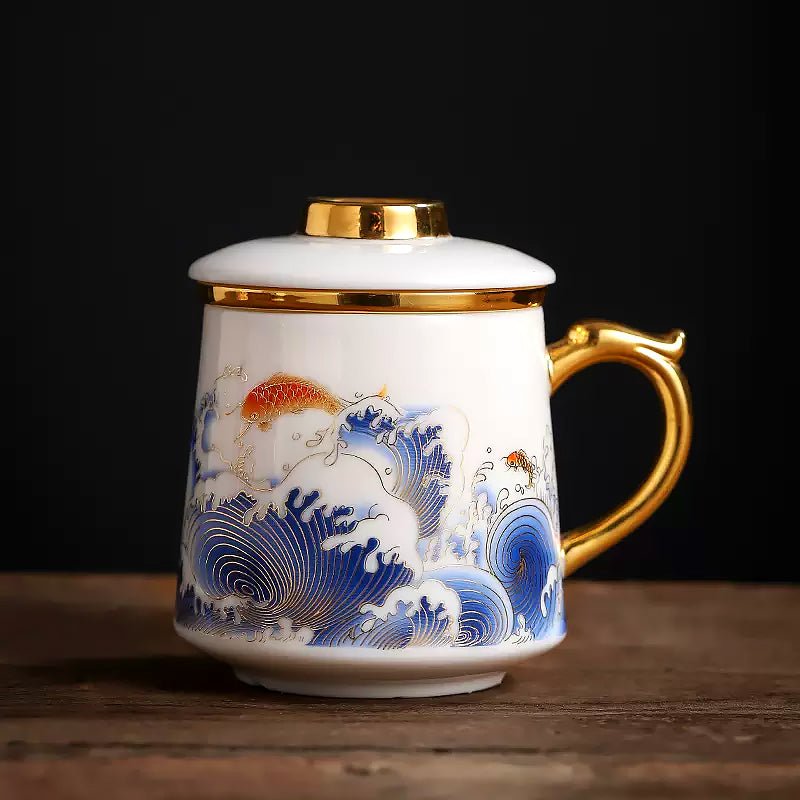
Fancy Coffee Mugs: What to Check Before You Buy
Reading time: about 8 minutes
The mugs that get picked up first are rarely the flashiest. They are the ones with a smooth rim, a handle that fits two fingers without forcing a grip, and a glaze that still looks clean after a week on a desk or in a dishwasher rack.
That is the difference between a mug that looks fancy for one photo and one that feels worth buying every morning. In our store, we see shoppers comparing finish, weight, and size side by side because those details decide whether a mug gets used or pushed to the back of the cabinet.
If you are comparing styles now, start with our products page and the all collection, then use the checks below to narrow the list.
What actually makes fancy coffee mugs worth buying?
Fancy coffee mugs are not just decorative mugs with a higher price tag. The better ones have a more refined rim finish, a balanced shape, and a glaze or surface treatment that still feels practical in daily use. That means the mug looks polished on a kitchen counter but also pours comfortably, sits flat, and does not feel awkward in the hand.
We usually tell shoppers to look past the first impression and check three things:
- Rim quality: A smooth, even rim is more comfortable and feels more finished than a thick or uneven edge.
- Handle geometry: The handle should leave enough room for fingers without pinching the knuckles against the mug body.
- Base stability: A flat, steady base matters on crowded desks and slick countertops, especially for taller mugs.
A mug can be beautiful and still be a poor daily buy. Thin walls may feel elegant but can be less forgiving if you like very hot drinks. Heavier stoneware can feel substantial, but some people find it bulky for long office use. The right choice depends on how you actually drink coffee, not just how the mug photographs.
Which materials are best for a refined look and daily use?
For most shoppers, the choice comes down to ceramic, porcelain, or stoneware. Each has a different feel, and each has a different trade-off.
| Material | What it feels like | Best for | Trade-off |
|---|---|---|---|
| Porcelain | Light, smooth, and visually clean | Gift sets, espresso-to-medium pours, polished table settings | Can feel delicate and may chip if knocked against a sink or another mug |
| Stoneware | Heavier, solid, and grounded in the hand | Daily kitchen use, desk coffee, larger serves | Bulkier to hold; some shoppers find it too heavy for smaller hands |
| Ceramic | Flexible category with many shapes and glaze styles | Everyday gifting and mixed home use | Quality varies, so rim finish and glazing matter more |
Bone china also belongs in the conversation if you want a lighter, more refined look. It is a good fit for formal settings, but it is not the best choice for people who prefer a sturdy mug for a crowded desk or a busy sink area. On the other end, double-wall insulated mugs are better for heat retention, but they usually read more functional than decorative.
If you want to compare size first and material second, our related guides can help. We break down the trade-offs in 12 oz Coffee Mugs: What to Check Before You Buy, 16 oz Coffee Mugs: What to Check Before You Buy, and 20 Ounce Coffee Mugs: What Buyers Should Check Before Ordering.
What size should you choose for coffee, tea, or lattes?
Size matters more than many shoppers expect. A mug that looks elegant at 8 oz can feel too small for a milk-heavy drink. A large 20 oz mug can be practical for long work sessions, but it may feel oversized if you mostly drink espresso-based coffee or tea.
Here is the simplest way to think about it:
- 8 oz: Best for espresso drinks, small servings, or people who want a compact, refined cup.
- 12 oz: A practical everyday size for drip coffee and most home use.
- 16 oz: Good for bigger pours, lattes, or long desk sessions.
- 20 oz: Better for large-capacity drinkers than for formal place settings.
If you are still deciding, our separate size posts are worth using as a filter. The 8 Ounce Coffee Mugs: What Buyers Should Check Before Ordering guide is useful for compact cups, and the A buyer's guide to large capacity coffee mugs article helps if you want fewer refills.
For buyers choosing a gift, the safe middle ground is often 12 oz or 16 oz. Those sizes work for most coffee drinkers without looking oversized on a table. A 20 oz mug can be right for someone who always fills their cup to the top, but it is not the best choice if the recipient prefers a neat, restaurant-style presentation.
Which details should you check before adding a mug to cart?
The small details are where quality shows up. This is also where cheaper mugs tend to cut corners. Our team checks the same things customers notice after the box is opened, because that is when disappointment usually starts.
- Handle clearance: If the opening is too tight, the mug feels awkward even if it looks premium.
- Glaze consistency: Uneven glaze, tiny pinholes, or rough spots can be signs of rushed finishing.
- Base ring: A clean, even base helps the mug sit level and reduces wobble on hard surfaces.
- Dishwasher fit: Tall handles and oversized shapes can be harder to place securely in crowded racks.
- Microwave compatibility: Decorative metals, metallic trim, or some specialty finishes should stay out of the microwave.
We also look for common defect modes that shoppers only notice later: hairline crazing in the glaze, tiny chips at the rim from shipping, and handles that are attached well but feel off-center in the hand. None of these are automatic deal-breakers, but they are the kinds of details that separate a nice shelf piece from a mug you reach for every day.
If a listing is vague about care, assume hand washing will be gentler than machine washing, especially for printed artwork or metallic details. That is not a drawback if you want a mug that looks special. It is just the trade-off for a more decorative finish.
Are fancy coffee mugs good for gifts and office desks?
Yes, but only if the style matches the setting. For gifts, fancy coffee mugs work best when the shape feels intentional and the presentation is clean. A mug with a balanced handle, a simple color palette, and a sturdy box usually lands better than one that looks overly ornate or fragile.
For office desks, the best mugs are the ones that survive real use: repeated reheats, a crowded keyboard area, and the occasional bump against a notebook or mouse pad. A lower, wider mug usually feels more stable on a desk than a tall, narrow one. If the mug is for a shared office kitchen, a finish that hides light stains is a practical advantage.
Fancy mugs are not the best pick for car cup holders, camping, or anyone who wants heat retention for hours. In those cases, a travel mug or insulated cup is the better tool. A decorative ceramic mug looks better on a table, but it is not designed to replace insulated drinkware.
How do you care for fancy mugs so they stay nice?
Care is usually simple, but the wrong habit shortens the life of a mug fast. We recommend a routine that protects the finish and avoids stress on the ceramic.
- Rinse stains soon after use so coffee oils do not build up around the rim or inside curve.
- Use a soft sponge for printed or glazed finishes instead of an abrasive scrub pad.
- Avoid sudden temperature swings, such as moving a very cold mug straight into boiling liquid.
- Dry the base and handle before stacking so trapped moisture does not sit in the cabinet.
- Inspect the rim and handle after shipping or a hard wash cycle, especially on thinner porcelain pieces.
Hand washing is often the safest default for specialty finishes, while plain glazed ceramic or stoneware can usually tolerate everyday dishwasher use if the maker says so. If a mug has metallic decoration, treat it more carefully. The finish is usually the first thing to show wear, not the body of the mug.
That is why we always suggest shoppers think about the full use case, not just the look. A mug you want to keep pristine for display is not the same mug you should choose for a rushed Monday morning brew.
Frequently asked questions
Are fancy coffee mugs dishwasher safe?
Some are, and some are not. Plain glazed ceramic and stoneware are often dishwasher safe, but metallic trim, hand-painted details, and certain decorative finishes can be better off washed by hand. Check the care guidance before buying, because the finish matters as much as the material.
What size fancy coffee mug is best for everyday use?
For most people, 12 oz is the easiest everyday choice. It holds a normal coffee pour without feeling too small, and it still looks balanced on a table or desk. If you usually drink lattes or bigger refills, 16 oz may fit your routine better.
Is porcelain better than stoneware for fancy mugs?
Not universally. Porcelain feels lighter and more refined, which makes it attractive for gifts and more formal settings, while stoneware feels sturdier and often suits daily kitchen use better. If you want a mug that feels substantial in the hand, stoneware is often the safer bet.
Can fancy coffee mugs go in the microwave?
Many plain ceramic mugs can, but not all decorative mugs should. If the mug has metallic accents, specialty glazes, or a care warning against microwave use, do not heat it that way. The safest approach is to confirm the listing before you buy.
What should I check before buying a fancy mug as a gift?
Check the size, the handle comfort, and whether the finish fits the recipient’s routine. A gift mug should be attractive, but it also needs to be practical enough that it gets used. We usually suggest a 12 oz or 16 oz mug with a simple care routine if you want the safest gift choice.
If you want the fastest way to narrow your options, compare the mug material, size, handle clearance, and care instructions first, then browse our all collection or start from the products page to find the style that fits how you actually drink coffee.
More from our blog
Read more
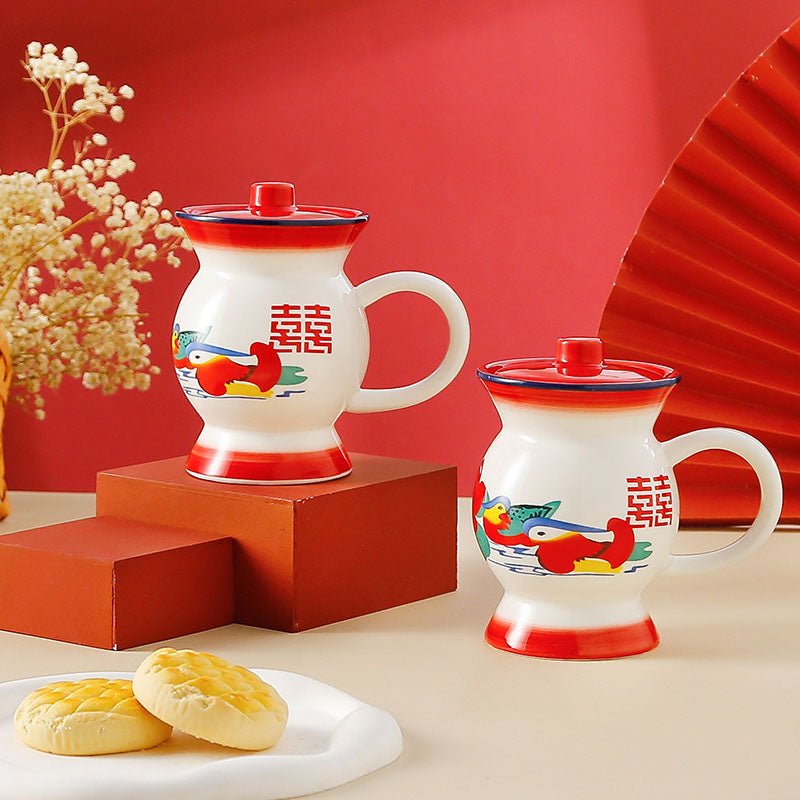
Oversized Mug Buyer’s Guide: What to Check Before You Buy
An oversized mug sounds simple until you try to fit it under a kitchen cabinet, into a dishwasher rack, or around a hand that actually wants a comfortable grip. Here’s how we help shoppers choose a...
Czytaj dalej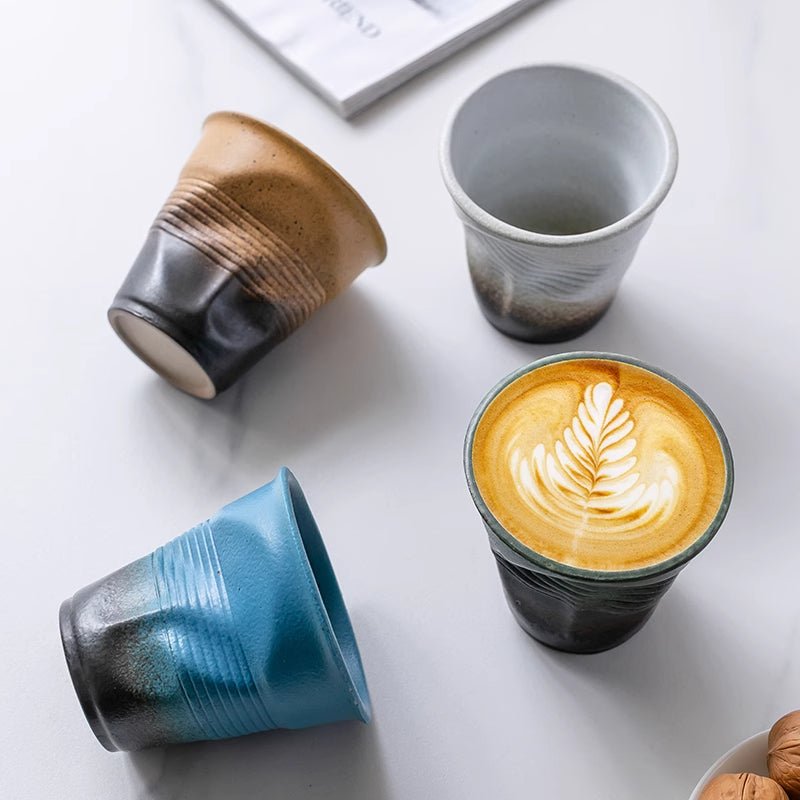
Beautiful Coffee Cups: What to Look for Before You Buy
Beautiful coffee cups should feel good in the hand, fit the drink you actually make, and hold up after regular washing. We break down the details buyers miss so you can pick a cup that looks right ...
Czytaj dalej
Zostaw komentarz
Ta strona jest chroniona przez hCaptcha i obowiązują na niej Polityka prywatności i Warunki korzystania z usługi serwisu hCaptcha.