
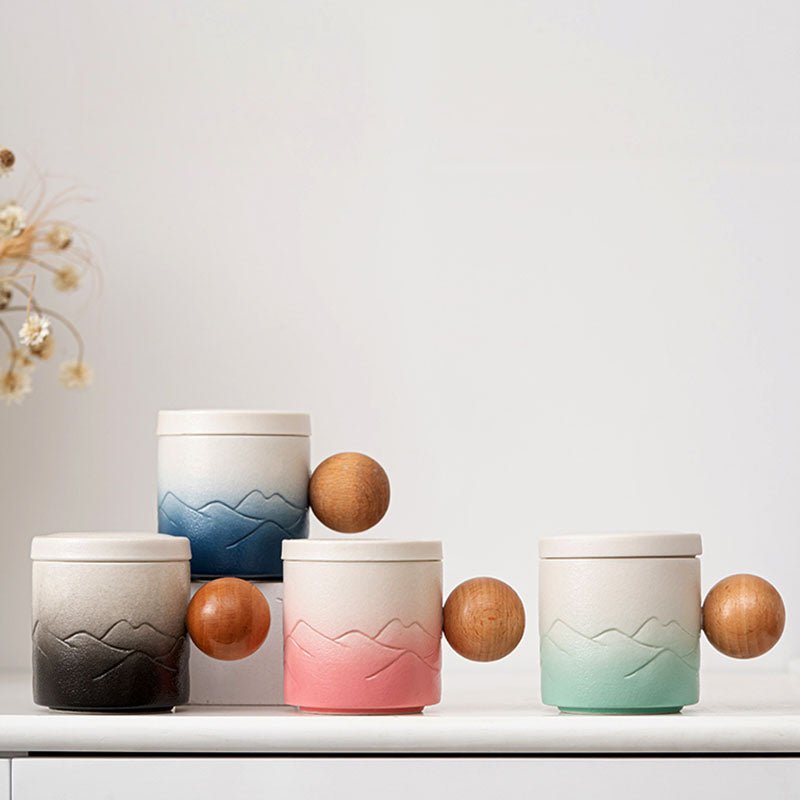
Extra Large Mug Buying Guide for Daily Coffee and Tea
Reading time: about 8 minutes
An extra large mug sounds simple until it sits on your desk and you realize the real question is not capacity. It is balance, handle comfort, and whether the mug still feels easy to live with after the third refill-free morning in a row.
We see that decision often in our store. Shoppers want one mug that can handle coffee, tea, broth, or a long work session without turning into a heavy, awkward bowl in disguise. The right choice depends on how you drink, where you keep it, and whether you want a tall profile or a wide, stable base.
If you are comparing options now, start with our full mug collection and then narrow down by size, shape, and the kind of handle that feels right in your hand. For a few strong examples, take a look at The Flow Coffee Tea Mug, White Golden Waves Tall Coffee Tea Mug, and Green Waves Coffee Tea Mug.
What size counts as an extra large mug?
Most shoppers mean something in the 16 to 24 ounce range when they say extra large mug. That is the practical zone where a mug starts replacing a small coffee cup instead of just adding a little more volume. Bigger than that, and you are often looking at a handled bowl-style cup that may work well at home but can feel clumsy on a crowded desk.
Size alone does not tell the whole story. A 20-ounce mug with a narrow base can feel unstable, while a slightly smaller mug with a good handle and a lower center of gravity may be easier to use every day. In our experience, the best large mugs are the ones that still slide into a dishwasher rack, fit under a standard drip machine, and do not require two hands just to sip from comfortably.
Which shape works best for daily use?
Shape matters more than most buyers expect. A tall mug keeps a smaller footprint on the counter, which helps if you leave it near a keyboard or beside a pour-over setup. A wider mug usually feels more open and stable, but it can cool drinks faster and take up more cabinet space.
Here is the quick trade-off we look at when helping customers choose:
- Tall mugs are better if you want a smaller base and a more upright feel.
- Wide mugs are better if you want easier stirring and a lower chance of tipping.
- Extra deep handles help if you have larger hands or want room for a comfortable two-finger grip.
- Heavier bodies can feel sturdy, but they are not ideal if you carry the mug across the house all morning.
If you like a more upright, everyday shape, a mug like White Golden Waves Tall Coffee Tea Mug is the kind of profile that often works well for desk use or a breakfast table with limited space. If you want something slightly more relaxed in form, the broader shapes in our shop may be easier to live with.
What should you check before buying one?
We recommend checking four things before you commit to an extra large mug. These are the details that matter after the first use, not just in product photos.
- Capacity: Decide whether you want room for a full coffee pour, tea with milk, or soup-style use.
- Handle clearance: Make sure your fingers can fit without pressing against the mug wall when it is full and warm.
- Base stability: A slightly wider base usually helps when the mug is full and heavy.
- Cleaning: Confirm whether the finish and decoration are meant for regular dishwasher use, especially if you run hot cycles often.
There are also a few defect modes we watch for when handling large mugs. A wobbly base can make a mug feel cheap even if the glaze looks good. Tiny glaze pinholes near the inside wall are usually cosmetic, but they are worth noting. Handle seams and the point where the handle joins the body deserve a close look, because that area takes the most stress over time.
If you want a more detailed buying framework, our big coffee cups checklist covers the same practical issues we use when we inspect large mugs for the shop floor.
Which of our mugs fits a coffee drinker versus a tea drinker?
Some shoppers only need a bigger mug for coffee. Others want a versatile cup for tea, broth, or late-night cocoa. That is where the right shape matters more than the label.
The Flow Coffee Tea Mug is a good fit if you want one mug that reads as practical rather than decorative. Its simple name matches the use case: a daily mug that can move between coffee and tea without feeling too specialized. If your priority is an easy all-rounder, start there.
White Golden Waves Tall Coffee Tea Mug is better for buyers who want a more vertical silhouette. The taller form gives it a cleaner desk presence, and it can feel more intentional in a kitchen setup. It is not the best choice if you prefer a low, broad mug that cools more slowly.
Green Waves Coffee Tea Mug is the kind of mug people choose when they want something that feels a little more personal without becoming hard to match with the rest of the kitchen. If you are buying a gift, that matters. A mug that looks good out of the box and still feels useful after the first wash is usually the safer choice.
We try to recommend the mug that fits the routine, not just the color palette. A beautiful extra large mug that is too heavy, too tall, or too awkward to wash is not a good buy for most people.
What are the real trade-offs of going extra large?
There are clear advantages to a bigger mug, but there are limits too. An extra large mug reduces refills, which is great if you settle in for long work blocks or slow weekend mornings. It also leaves room for milk, foam, or a stronger brew without feeling cramped.
The trade-offs are just as real. Bigger mugs are heavier when full, they can crowd a dishwasher rack, and some fit poorly under single-serve machines or compact coffee makers. They also tend to warm your hand more, especially if the wall is thinner than expected.
This is why we do not recommend an extra large mug for every buyer. If you mostly drink espresso, want a cup that fits neatly in a travel bag, or like your coffee in short servings, a smaller cup is simply the better tool. For those shoppers, “large” is not automatically “better.” It is just different.
If you are still deciding, our extra large coffee mug guide for daily use and our guide to choosing the right large mug are useful next reads before you buy.
How should you care for an extra large mug so it lasts?
Good care is simple, but it is worth doing consistently. We suggest rinsing stained mugs soon after use, especially if you drink dark coffee or strong tea every day. If the mug is dishwasher-safe according to the product page, load it so the handle is not forced against another item and the rim is not exposed to impact from neighboring dishes.
For mugs that have decorative finishes, handwashing is often the safer habit if you want the surface to stay looking fresh. Avoid sudden temperature shock as well. Pouring boiling liquid into a cold ceramic mug right out of a cupboard can be rough on any cup, particularly one with a thicker wall and a heavy handle.
Storage matters too. Extra large mugs need more shelf height than standard cups, and a crowded shelf can chip rims or handles when people pull them out quickly. If the mug is meant for daily use, keep it where it is easy to grab without scraping another mug beside it.
Frequently asked questions
How many ounces is an extra large mug?
Most buyers mean roughly 16 to 24 ounces, though some mugs run larger. The right size depends on how much you actually drink in one sitting and whether you want room for milk, foam, or tea leaves. If you mainly want fewer refills, 16 to 20 ounces is usually the practical starting point.
Is an extra large mug good for coffee and tea?
Yes, if you want one mug for both. A larger opening helps with stirring, and the extra volume works well for tea with milk or stronger coffee pours. It is less ideal if you prefer small, hot servings that stay warm from first sip to last.
Will an extra large mug fit under my coffee machine?
Not always. Tall mugs can be awkward under some single-serve machines and short espresso-style setups, so check the available clearance before you buy. If your brewer has a low spout, a shorter wide mug may be a better fit.
Are extra large mugs harder to clean?
They can be, mainly because of their size and weight. A wide opening helps a lot, and dishwasher-safe mugs are easier to manage if the handle and glaze are built for regular wash cycles. If you wash by hand, choose a shape that lets a sponge reach the bottom without strain.
What makes one extra large mug better than another?
For daily use, it usually comes down to balance, handle comfort, and finish quality. We look for a stable base, enough finger clearance, and a mug that does not feel awkward when full. A mug that looks great but is uncomfortable after ten minutes is not the right buy.
If you want to compare shapes and finishes side by side, start with our full collection and then move into the mugs that match your routine. That is the fastest way to find an extra large mug that earns its place on the counter instead of just filling a shelf.
Read more
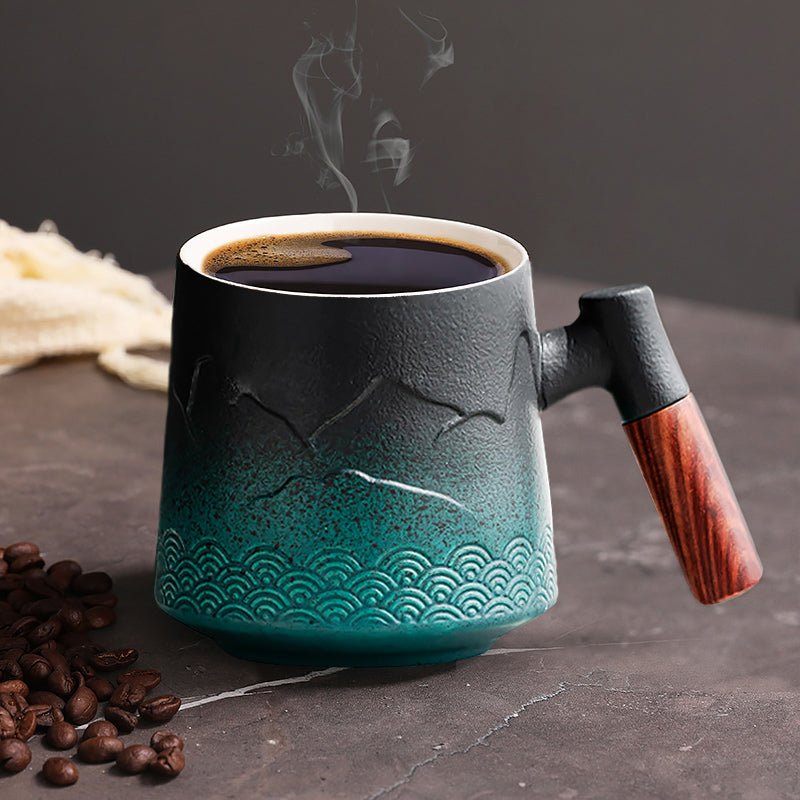
How to Draw a Coffee Mug: Shape, Handle, and Shadow
A practical guide to drawing a coffee mug with believable proportions, a usable handle, and a clean shadow. We also show which real mug shapes help most when you need a better reference.
Czytaj dalej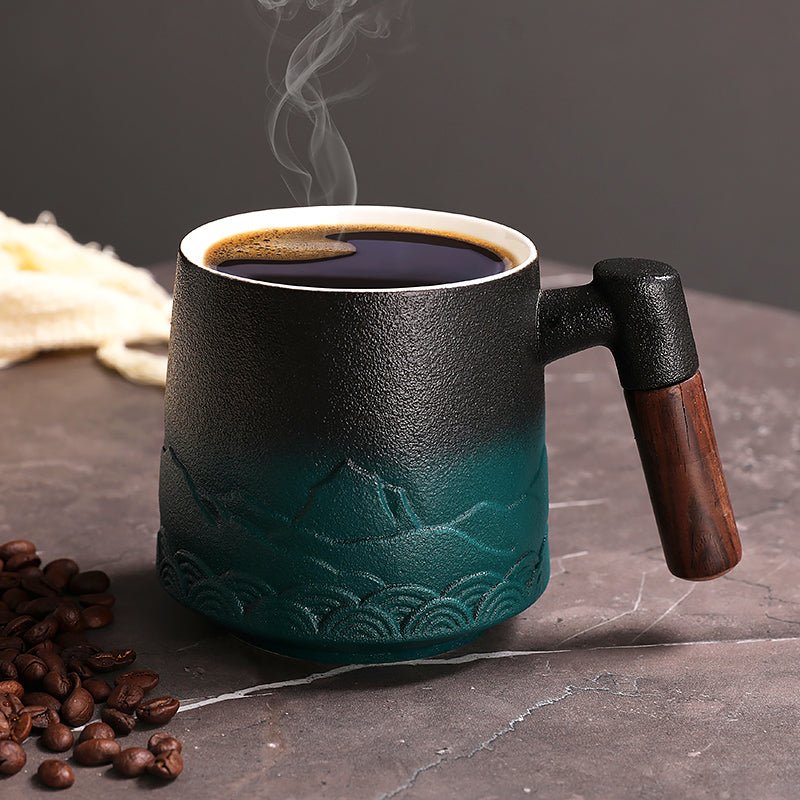
Pedestal Coffee Mugs: How to Choose the Right Shape, Size, and Finish
Pedestal coffee mugs bring a more elevated silhouette to the table, but the best one still depends on balance, capacity, and daily use. Here’s how we help shoppers compare the trade-offs before buy...
Czytaj dalej
Zostaw komentarz
Ta strona jest chroniona przez hCaptcha i obowiązują na niej Polityka prywatności i Warunki korzystania z usługi serwisu hCaptcha.