
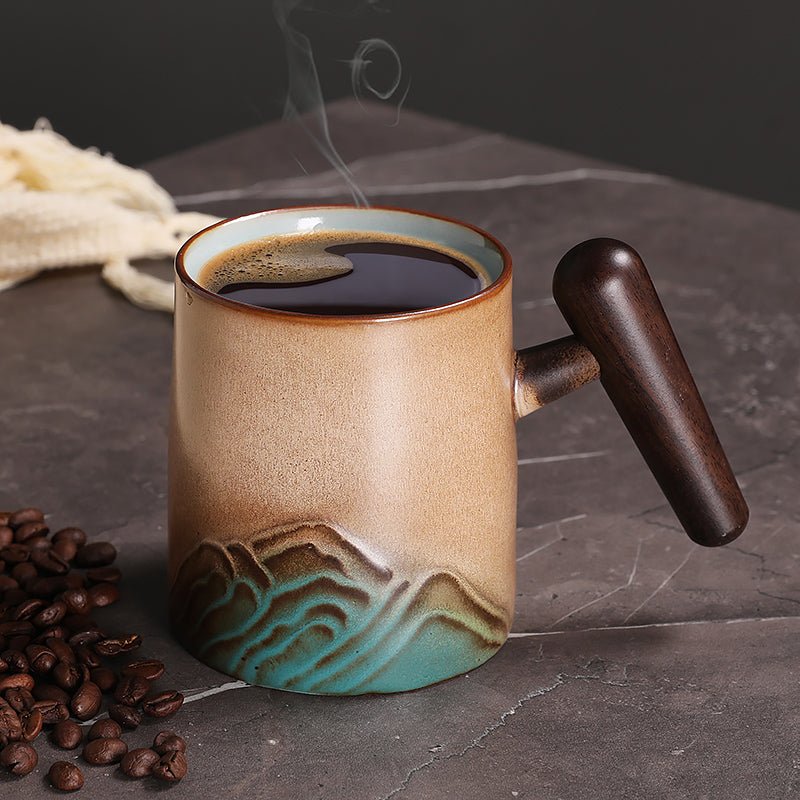
Extra Large Coffee Cup Buying Guide for Daily Drinkers
Reading time: about 9 minutes
An extra large coffee cup sounds simple until you try to use one every morning. A mug that holds more coffee can save trips back to the pot, but if the handle is cramped, the base is too narrow, or the rim feels awkward, it becomes the cup that lives in the cabinet instead of on the counter.
We see that pattern often in our store. Buyers want a bigger mug for long work sessions, cold mornings, shared office kitchens, or a second pour without standing up again. The best choice is not just about capacity. It is about balance, wall thickness, handle comfort, and how the mug behaves after real use in a dishwasher, on a crowded desk, or beside a laptop.
If you are comparing options, start with our broader selection at our products page, then use this guide to narrow the shape and material that make sense for your routine. If you want to see the full range first, browse the full collection.
What counts as an extra large coffee cup?
There is no universal cutoff, and that is where many shoppers get tripped up. For most buyers, an extra large coffee cup starts where a standard 10 to 14 ounce mug stops feeling sufficient. Larger daily-use mugs often sit in the 16 to 24 ounce range, though some oversized novelty mugs go beyond that.
The right size depends on how you drink coffee. If you take a long black coffee and want one fill to last through a meeting, a larger mug makes sense. If you usually drink espresso-based drinks, a giant cup can make the portion look lost and cool too fast. That is why we often point shoppers toward our related reading, especially Extra Large Coffee Mugs: What to Look for Before You Buy and Large Coffee Cup Buying Guide: What to Check Before You Buy.
A good extra large coffee cup should still feel like a mug, not a bowl with a handle. That means the opening is wide enough for easy cleaning, the handle gives enough room for at least three fingers if your hand is average-sized, and the base does not feel tippy when full. Those are small details, but they decide whether the mug gets used every day.
Which material works best for a big mug?
The material matters more as the mug gets larger because weight, heat retention, and durability become more noticeable. A bigger vessel full of coffee is heavier, so the wrong material can feel clumsy before the first sip.
| Material | What it does well | Trade-off |
|---|---|---|
| Ceramic | Comfortable in the hand, familiar drinking feel, good everyday presentation | Can chip if knocked against sinks or counters |
| Stoneware | Often feels sturdy and substantial, good heat retention for slower drinking | Can be heavier than ceramic and may feel bulky when full |
| Porcelain | Refined drinking feel, usually lighter-looking and cleaner at the rim | Can be less forgiving if you are rough with dishes |
| Double-wall metal | Strong insulation and lower break risk | Not everyone likes the taste or feel, and the drinking experience is different from a classic mug |
In our experience, most shoppers looking for an extra large coffee cup still prefer ceramic or stoneware for daily kitchen use. Those materials feel familiar on a breakfast table, and they usually fit better with the kind of coffee routine people actually have at home. They are not perfect, though. If you drop a ceramic mug into a sink packed with pans, the chips tend to show up at the rim or handle first. That is a real limitation, not a theoretical one.
If you are comparing larger capacity styles more broadly, the article A buyer's guide to large capacity coffee mugs is a useful companion read. It helps you think past volume and into daily wear, which is where a lot of mug purchases succeed or fail.
What details should you check before buying?
This is where smart buyers separate the mug they like in a photo from the mug they will actually use five days a week. We inspect mugs for the same small issues customers notice later at home: handle comfort, glaze quality, rim feel, and whether the mug sits level on the counter.
- Handle clearance: A big mug should still leave room for your fingers without squeezing.
- Base stability: The bottom should sit flat so the mug does not wobble on a desk or side table.
- Rim thickness: A rim that is too thick can feel heavy and block the drink; too thin can feel delicate and less durable.
- Glaze consistency: Uneven glaze, pinholes, or pooling can affect both appearance and long-term wear.
- Weight when full: A large mug can become tiring if the body is thick and the handle is small.
There are also practical care details worth checking. Most buyers want a mug that handles normal dishwasher use, but larger mugs can take up more rack space and sometimes trap water near the handle or base if the shape is poorly designed. If you tend to use a microwave, look for a simple ceramic or stoneware build without metal accents or decorative elements that should not be heated.
Our team also pays attention to common defect modes that show up in larger mugs. The most common ones are a slightly uneven base, a handle that pinches the knuckles, or a rim that feels rough after firing. None of those are dramatic on a product page, but all of them matter once the mug is on your desk with hot coffee inside.
How does an extra large coffee cup fit into real daily use?
This is the part that matters most, because a mug is only useful if it fits the way you live. A big coffee cup works best for slow drinkers, remote workers, people who like a large pour at breakfast, and anyone who wants fewer refills during a long morning.
Picture a kitchen counter at 7 a.m. The kettle is still warm, the sink is already busy, and you want one sturdy mug that stays comfortable through the first hour of the day. Or think about an office desk where the mug sits beside a notebook and a keyboard. In both cases, the best extra large coffee cup is not the biggest one available. It is the one that feels stable, cleans easily, and does not crowd the workspace.
There are also use cases where a larger mug is not the right answer. If your cabinet space is tight, an oversized mug can be annoying to stack and store. If you only drink espresso, cortados, or small pour-over servings, a huge mug will not improve the drink. In those cases, a smaller cup often gives a better experience and better heat retention.
For seasonal gifting or a mug that feels especially suited to cozy mornings, our article Autumn Coffee Mugs: How to Choose the Right Cup for Cozy Season is a useful reference. And if you are shopping with gifts, daily use, or sets in mind, Christmas Coffee Cup Buying Guide for Gifts, Daily Use, and Sets covers the same decision from a different angle.
What should you avoid in a big mug?
A larger mug is easier to get wrong than a standard cup. Volume alone can hide problems, especially in product photos. We would avoid an extra large coffee cup that looks great but ignores the basics.
- Too-narrow handles: A large mug with a small handle feels worse than a medium mug with a good grip.
- Excessive wall thickness: Thick walls can make the mug heavy and awkward, especially when full.
- Unstable silhouettes: Tall mugs with small bases can feel precarious on uneven surfaces.
- Overly decorative finishes: Heavy exterior texture, metallic trim, or delicate accents can be inconvenient for daily washing.
- One-size-fits-all claims: A mug that promises everything usually compromises somewhere.
There is a trade-off in every large mug. Better insulation often means more weight. A generous handle can take up more cabinet space. A wide opening can make it easier to clean but may cool the coffee faster. The right choice depends on which of those trade-offs you actually mind. That is why our store writing keeps pointing back to how the mug will be used, not just how it looks on a shelf.
How do you compare options before checking out?
If you are comparing an extra large coffee cup against a regular mug or a travel cup, use the same checklist each time. That keeps the decision grounded and makes the differences obvious.
- Compare capacity against your actual pour size, not the biggest serving you only make once in a while.
- Check the handle with the weight of a full mug in mind, not just the empty mug.
- Look at whether the mug will fit under your cabinet shelves, in your dishwasher, and beside your coffee maker.
- Decide whether you want a classic ceramic feel or a sturdier stoneware presence.
- Think about where it will live most of the time: kitchen counter, office desk, gift shelf, or breakfast table.
If you want the easiest route, start by browsing the current assortment at our products page and compare the larger silhouettes against the rest of the store. Some shoppers will realize they want a true oversized mug. Others will discover that a large but not oversized cup suits their coffee routine better. That is the right outcome. A mug should fit the habit, not force a new one.
Frequently asked questions
What size is considered an extra large coffee cup?
For most shoppers, an extra large coffee cup starts around 16 ounces and can run higher depending on the style. The better question is how much coffee you actually drink in one sitting. A mug that is oversized for your routine will just cool down faster and take up more cabinet space.
Are extra large coffee cups good for everyday use?
Yes, if you want fewer refills and you like to sip slowly. They are especially useful for home offices, long breakfasts, and people who drink drip coffee or pour-over. They are less useful if you mainly make small servings or have limited storage.
Is ceramic or stoneware better for a large mug?
Both work well, but they feel different in daily use. Ceramic is usually a little lighter and more familiar in hand, while stoneware often feels sturdier and holds heat well. If you want a mug that feels substantial on a kitchen counter, stoneware is worth a look.
Can an extra large coffee cup go in the dishwasher and microwave?
Many ceramic and stoneware mugs can, but you still need to check the specific product details. Large mugs can take up more dishwasher space and may trap water near the handle if the shape is awkward. Avoid using a mug in the microwave if it has metal accents or decorative finishes that are not microwave-safe.
What is the biggest drawback of buying a very large mug?
The main drawback is that size can make the mug heavier, bulkier, and less convenient than it looks online. A very large mug is not ideal for espresso drinks, compact cabinets, or tight dishwashers. If your routine is more about small servings, a standard or mid-size mug is usually the better choice.
If you are ready to narrow it down, compare the mug shape against your daily coffee routine first, then browse the larger options in our full collection. That gives you a cleaner way to choose the right extra large coffee cup without buying more mug than you actually need.
More from our blog
Read more
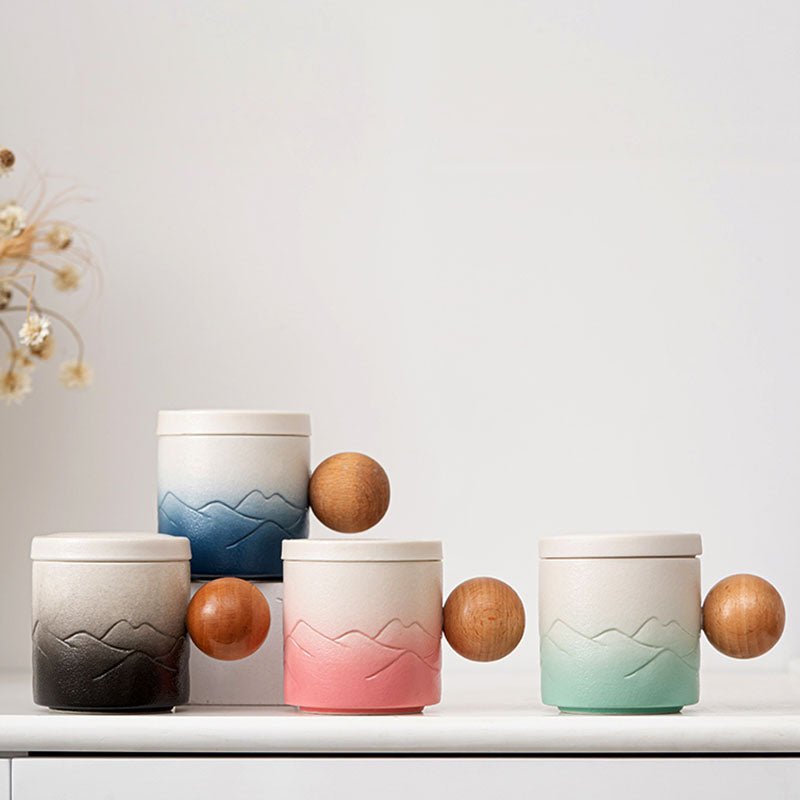
Unique Coffee Mug Buying Guide: Materials, Sizes, and Fit
A practical guide to choosing a unique coffee mug that looks different and still works on a real kitchen counter. We cover materials, size fit, care, and the trade-offs that matter before you buy.
Czytaj dalej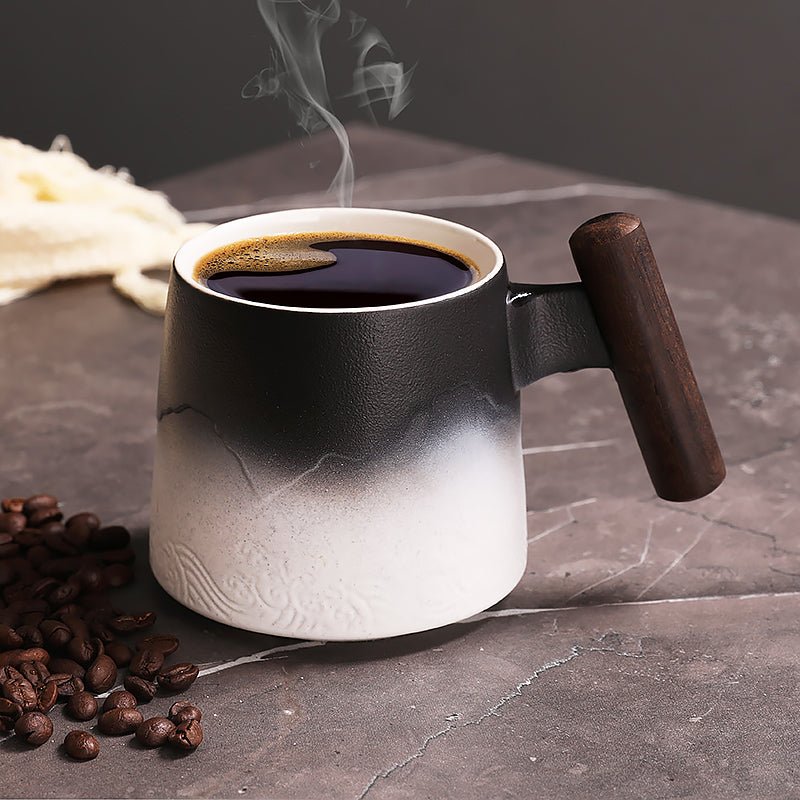
Interesting Coffee Mugs: How to Pick One That Fits Your Routine
Interesting coffee mugs are worth buying only if they still pour well, fit your hand, and survive daily washing. This guide breaks down materials, sizes, and the small details that separate a fun s...
Czytaj dalej
Zostaw komentarz
Ta strona jest chroniona przez hCaptcha i obowiązują na niej Polityka prywatności i Warunki korzystania z usługi serwisu hCaptcha.