
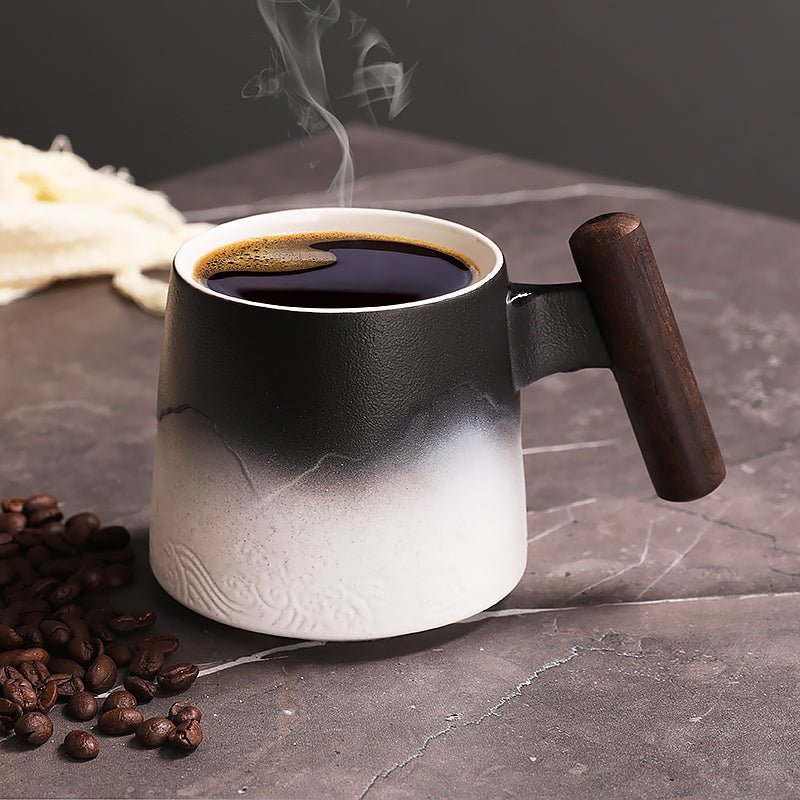
Custom Made Coffee Mugs: Materials, Sizes, and Print Checks
Reading time: about 10 minutes
A custom mug can look right on a product page and still feel wrong on a desk if the handle is cramped or the logo sits too low on the cup. We see that mismatch often: the buyer wanted a gift or a branded keepsake, but what they actually needed was a mug that pours well, survives daily washing, and feels comfortable in the hand.
That is why we treat custom made coffee mugs as more than a design decision. Material, size, print area, rim thickness, and care instructions all change how the mug performs in real use. If you are comparing options, our guide to Coffee Mugs Custom: What Buyers Should Check Before Ordering is a good place to start, especially if you want a quick buyer checklist before you order.
What should you check before ordering custom made coffee mugs?
We usually tell shoppers to think about the mug the way they will actually use it, not the way it looks in a mockup. A desk mug, a gift mug, and a kitchen mug all have different priorities. A bold design that looks clean on a white background can still fail if the text is too small or the artwork wraps into the handle cutout.
- Capacity: common coffee sizes are 11 oz and 15 oz, but the right choice depends on how much milk, foam, or refill space you want.
- Handle comfort: some handles are better for larger hands, while smaller handles can feel tight once the mug is full.
- Print placement: check where the design sits relative to the handle, rim, and bottom curve.
- Care routine: if a mug will live through daily dishwasher cycles, the finish and print method matter more than a one-time gift opening.
- Use case: office desk, kitchen counter, client gift, or promotional item each call for a different style.
In our experience, buyers save themselves the most trouble when they compare a few styles side by side in the full collection before narrowing down the print and color choice. That gives you a better feel for shape and finish than a mockup alone.
Which mug material works best for daily coffee?
Most buyers focus on artwork first, but the mug body is what they touch every day. A print can be sharp and still disappoint if the cup feels too light, too heavy, or too fragile for the way it will be used.
| Material | Best for | Trade-offs |
|---|---|---|
| Ceramic | Everyday coffee, desk use, and broad design options | Can chip on the rim or handle if it is knocked around |
| Stoneware | A heavier feel and a more substantial hand feel | Usually thicker and bulkier, so it takes up more cabinet space |
| Porcelain | A cleaner, lighter look with a refined presentation | Can feel more delicate and may not suit rough daily handling |
For most custom made coffee mugs, ceramic is the practical default because it balances durability, print flexibility, and cost well. Stoneware can feel better in the hand if you like a weightier mug, but it is not the best choice if you want the lightest cup for a crowded office shelf. Porcelain looks polished, but it is not the mug we would recommend for a kitchen where cups get stacked hard, bumped often, or washed constantly by different people.
If you are comparing local sourcing and materials at the same time, our article on American Made Coffee Mugs: How to Compare Materials, Sizes, and Everyday Use walks through the practical differences buyers usually ask about before they decide.
How do size and shape change the drinking experience?
Size changes more than volume. It changes heat retention, how fast the coffee cools, how much room there is for milk, and whether the mug fits under a machine spout or in a cabinet. Shape matters too. A wide bowl-style mug cools faster than a taller, narrower body, and a thicker wall can keep the drink warmer longer while also making the mug feel sturdier.
We usually think about these common buying situations:
- 11 oz mugs: a safe everyday pick for straight coffee drinkers, office desks, and standard gifts.
- 15 oz mugs: better if the buyer likes larger pours, milk-heavy drinks, or fewer refills.
- Wide-mouth mugs: good for lattes and cocoa, but they lose heat faster.
- Taller mugs: better if you want a more compact footprint and a little more heat retention.
Handle size also matters more than people expect. A small, narrow handle may look elegant in photos, but it can be awkward when the mug is filled to the top. If the buyer plans to use the mug on a crowded desk, the base diameter matters too. A wider mug can feel stable, but it may crowd a laptop, notebook, or keyboard.
For buyers who want a style-led gift rather than a plain everyday cup, our guide to Custom Coffee Mugs: How to Choose the Right Style, Size, and Print is useful because it compares shape, layout, and print area in one place.
What print method holds up best?
The print method determines how crisp the design looks on day one and how well it survives after repeated use. Photo-heavy mugs, simple logo mugs, and text-only designs all behave differently. A full-wrap photo can look excellent on a white ceramic body, but it needs careful placement so the image does not disappear behind the handle or get cropped near the seam.
We see the best results when buyers match the artwork to the method instead of forcing the design into the wrong format. Strong contrast, simple shapes, and clean edges usually age better than tiny text or thin lines. Fine details can look sharp online and still blur slightly once printed on a curved surface, especially near the mug’s wrap.
- Logo mugs: best when the logo has a clear silhouette and enough open space around it.
- Photo mugs: best when the source image is bright, well lit, and high enough quality to hold detail on the curve.
- Picture mugs: best when the composition is centered and the key subject does not sit too close to the edge.
If your order needs a brand mark, our article on Custom Logo Coffee Mugs: What Buyers Should Check Before Ordering covers the layout details buyers tend to miss. If you are working with family photos or gift images, the guide to Custom Photo Coffee Mugs: How to Choose the Right Print, Size, and Finish is the better match.
For care, the safest advice is still simple: follow the seller’s instructions. Even if a mug is made for regular washing, repeated dishwasher heat and detergent are harder on some finishes than handwashing. Metallic accents, fine edge prints, and specialty coatings can be especially sensitive. If a buyer wants a mug that can take a lot of abuse, we would steer them away from delicate decorative finishes.
Are custom mugs better for gifts, office use, or branding?
The right answer depends on the job the mug is supposed to do. A good gift mug should feel personal. A good office mug should be easy to identify and comfortable to use every day. A branded mug should be readable from a short distance and still look clean when it sits next to a keyboard or conference room notebook.
For gifts, names, dates, and a short message usually work better than a crowded design. The mug should feel intentional, not overloaded. For office use, we like straightforward graphics and sturdy shapes because the mug will likely be washed often and moved around more than a display piece. For branding, clear contrast is more important than decorative detail.
That is also why some buyers choose picture-based designs and others choose logo-first layouts. If you are deciding between those paths, the article on Custom Picture Coffee Mugs: What Buyers Should Check Before Ordering is useful for gift projects, while photo-driven designs are better explained in the photo mug guide above.
One practical limit: custom made coffee mugs are not the best choice if the drink will live in a car cup holder or travel bag. If the buyer needs a lid, spill resistance, and better temperature control on the move, a travel mug is the better category. We cover that separately in Custom Coffee Travel Mugs: What Buyers Should Check Before Ordering.
What trade-offs should buyers know before they order?
Every mug category has limits, and custom mugs are no exception. A larger print area can make a design more visible, but it can also make the mug feel busier. A very light ceramic mug may look elegant, but it can feel less substantial in daily use. A heavy stoneware mug feels sturdy, but it may be too bulky for compact kitchen storage.
Here are the trade-offs we point out most often in our store:
- Decorative finish versus durability: high-shine or specialty finishes can look premium, but they may need more careful handling.
- Photo detail versus clarity: busy images lose impact once wrapped around a curved mug.
- Large capacity versus comfort: bigger mugs hold more, but they can become awkward if the handle or base is poorly proportioned.
- Microwave convenience versus special decoration: some decorative elements are not ideal for microwave use, so the care instructions matter.
That is the part shoppers usually do not see in a mockup. A mug can be visually strong and still be wrong for the person who will wash it, store it, or drink from it every morning. We prefer to be direct about that. If the buyer wants something rugged for commuting, custom made coffee mugs are not the right category. If they want a polished desk piece, they can be an excellent fit.
Frequently asked questions
What size is best for custom made coffee mugs?
For most buyers, 11 oz is the safest default because it works for standard coffee servings and keeps the mug easy to store. If the person drinks lattes, larger pours, or coffee with a lot of milk, 15 oz is often the better fit. The right answer depends on how the mug will actually be used, not just how it looks in a listing.
Are custom made coffee mugs dishwasher safe?
Some are, but not all finishes age the same way. Repeated dishwasher heat and detergent can be harder on certain prints, especially decorative or specialty surfaces. If the mug will be washed daily, follow the seller’s care notes rather than assuming every printed mug handles the same routine.
Can I put a photo on a custom mug without losing detail?
Yes, but the source image matters. Clear, bright, high-resolution photos usually print better than dark images or screenshots with text overlays. Close crops and clean backgrounds also help the image stay readable once it wraps around the mug.
What is better for gifts: a name mug or a photo mug?
A name mug feels cleaner and more versatile, especially for coworkers or clients. A photo mug feels more personal and usually works better for family gifts, anniversaries, or sentimental occasions. If the recipient prefers simple everyday items, a name or monogram style is usually the safer choice.
Do custom mugs work well for office branding?
Yes, if the logo is simple and easy to read from a short distance. Strong contrast and a clean layout matter more than crowded artwork. For branded orders, we usually recommend a design that still looks good when the mug sits beside a laptop, planner, or conference table notepad.
What should you compare before you place an order?
Before you buy, compare the mug as a whole object, not just the artwork. That is the fastest way to avoid a return or a disappointing gift.
- Choose the right capacity for the drinker.
- Check the handle shape and grip.
- Confirm the print area and where the design sits.
- Review care instructions for dishwasher and microwave use.
- Decide whether the mug is for daily use, gifting, or branding.
If you are ready to compare styles, start with our products page or browse the full collection. That gives you a practical way to match size, material, and print style before you place the order.
Read more
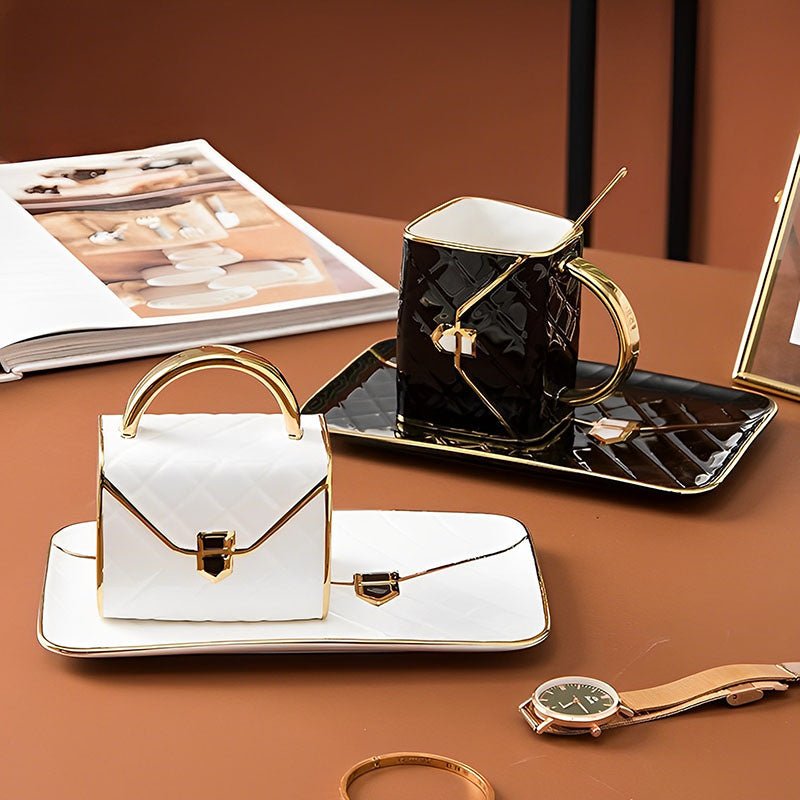
Coffee Travel Mugs Cute: What to Look For Before You Buy
A practical guide to choosing coffee travel mugs cute enough for gifting but still useful on real commutes, office desks, and school runs. We cover lids, materials, sizes, care, and the trade-offs ...
Czytaj dalej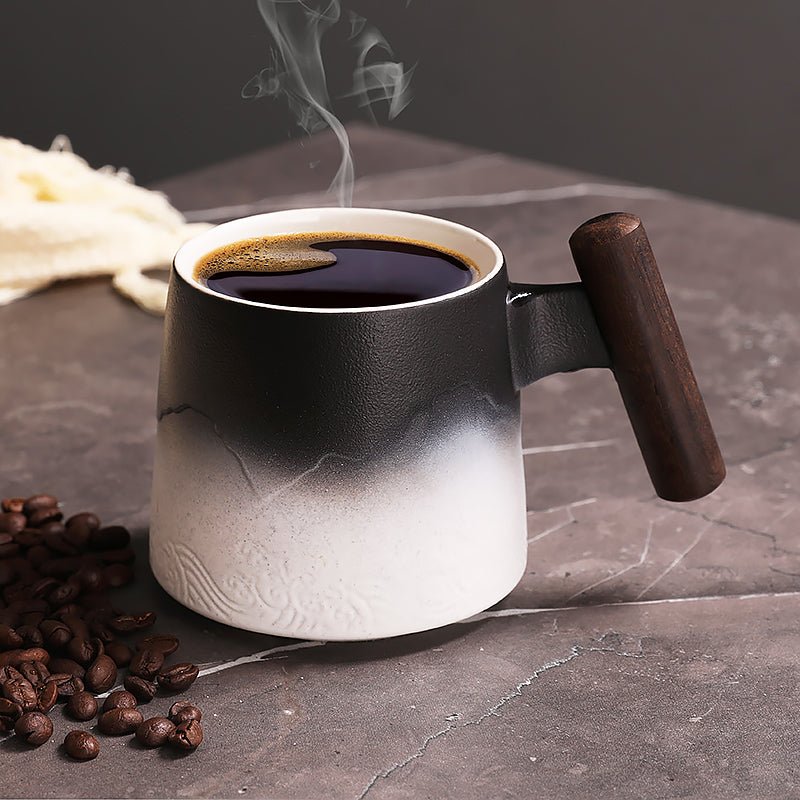
How Many Ounces in a Coffee Mug? Sizes, Fits, and Buying Tips
A mug’s stated capacity is not always the amount you actually pour. This guide breaks down common coffee mug sizes, what they really hold, and how to choose one that fits your drink and routine.
Czytaj dalej
Zostaw komentarz
Ta strona jest chroniona przez hCaptcha i obowiązują na niej Polityka prywatności i Warunki korzystania z usługi serwisu hCaptcha.