
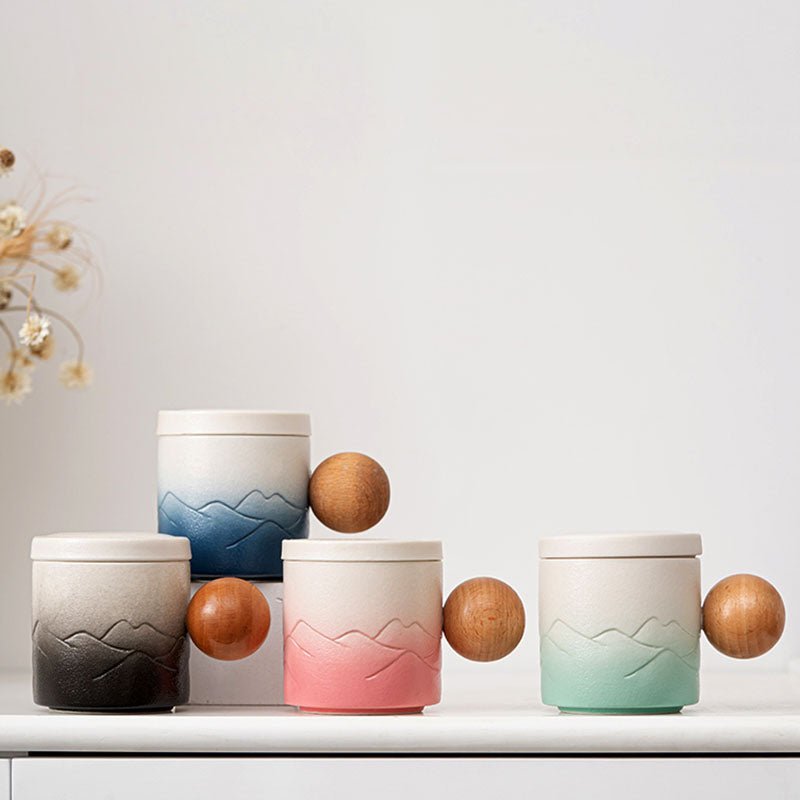
Covered Coffee Mug Guide: Lid Fit, Size, and Daily Use
Reading time: about 10 minutes
The mess usually starts small. A mug sits open beside a laptop, the coffee cools while you answer a call, and one careless bump sends a thin brown line across the desk. A covered coffee mug is built for that everyday moment. It helps keep the surface cleaner, slows heat loss a bit, and makes a mug feel more settled on a kitchen counter or office desk.
At CoffeifyMug, we see shoppers make the same mistake again and again: they treat any cover like a sealed travel lid. That is where disappointment starts. A covered coffee mug is not the right tool for a car cup holder, a backpack pocket, or a fast walk across a parking lot. It is a better fit for slow drinking, repeat sips, and places where you want a real mug experience without leaving your drink completely exposed.
What problem does a covered coffee mug actually solve?
The best reason to buy a covered coffee mug is control, not portability. A cover cuts down on dust, floating kitchen debris, and the little splash that happens when you set a full mug down too quickly. If your coffee often lives beside paperwork, a keyboard, or a bedside book, that small layer of protection makes a real difference in daily use.
It also buys you a little time on temperature. By covering the surface, the mug reduces direct exposure to air, so the drink usually stays warmer than it would in an open cup. We are careful with that promise, though. You should expect slower cooling, not all-day heat retention. Ceramic with a resting lid still behaves like a mug, not like a vacuum-insulated bottle.
- Good for: desks, breakfast tables, bedside use, and long meetings where you sip over time.
- Less good for: commuting, tossing into a tote, or carrying one-handed up stairs.
- Practical benefit: less exposed surface area means fewer stray drips and less dust settling on the drink.
- Main limit: if the mug tips over, a resting cover will not save your laptop.
In our experience, the happiest buyers are the ones who want a calmer drink station, not the ones trying to turn a ceramic mug into commuter gear.
What should you inspect on the lid before you buy?
The lid is the whole point, so this is where buyers should slow down. A pretty knob or a matching finish does not matter if the cover shifts every time the mug touches the desk. The best covered mug lids sit flat, feel stable when you move the mug a short distance, and do not rattle against the rim.
We tell customers to look closely at the contact points. The underside edge of the lid, the thickness of the rim, and the size of any sip opening all affect daily comfort. If a cover includes a silicone ring or gasket, that can improve the fit, but it also creates one more part to clean. Milk drinks and sweet coffee leave residue in those tight spots faster than people expect.
- Rim fit: the cover should sit evenly on the rim, not wobble from one side to the other.
- Sip opening: if the mug has a drinking notch, make sure it looks large enough for comfortable sipping but not so large that it defeats the point of the cover.
- Grip point: a small knob or tab should be easy to lift when the lid is warm or slightly damp.
- Cleaning access: deep grooves, tight seams, and removable rings need more attention after coffee with cream.
- Drip behavior: some covers catch condensation underneath, so the first lift can drop a few beads back onto the table.
There is one more detail that shoppers miss online: headspace. If you usually fill a mug nearly to the brim, a covered coffee mug can get messy because the first movement sends liquid straight into the underside of the lid. A slightly larger mug or a slightly smaller pour often works better than packing every last ounce into the cup.
Which material and handle details matter in daily use?
Most shoppers still prefer ceramic for this category, and for good reason. Ceramic feels familiar on the lips, does not give you the stainless-steel bottle sensation, and usually suits coffee or tea equally well. The trade-off is weight and fragility. A ceramic mug feels substantial on a desk, but if it slides off a stone counter, it is much less forgiving than a travel tumbler.
Handle construction matters more than the product photos suggest. We always suggest checking finger clearance and wrist angle. A mug can look balanced in a photo but feel cramped once it is full. For everyday use, two or three fingers should fit without pressing your knuckles hard against the hot body. If the handle is too tight, the mug becomes annoying by day three, not month three.
- All-ceramic builds: usually the simplest option for cleaning and reheating, provided there are no metallic accents and the product page allows it.
- Ceramic with wood details: warmer in the hand and visually softer, but wood should not be left soaking in the sink and may not belong in the microwave.
- Heavier mug bodies: feel stable on a desk but can be tiring if you hold the mug for long stretches.
- Lighter mug bodies: easier to lift, though they can feel less planted when the lid is removed often.
We also watch for the usual wear points: tiny chips at the rim, hairline cracks from thermal shock, and glaze crazing after repeated temperature swings. Pouring boiling coffee into a very cold mug, or rinsing a hot mug under cold water right away, is one of the fastest ways to shorten the life of ceramic. That is not dramatic marketing. It is ordinary mug care that saves a nice piece from aging badly.
Is a covered coffee mug better than a travel mug?
Better for some jobs, worse for others. A covered coffee mug wins on comfort and drinking experience if you are seated at a desk, at home, or at a studio table. It feels like a real mug because it is one. A travel mug wins the moment movement, bags, or car interiors enter the picture.
| Type | Best use | What it does well | Main drawback |
|---|---|---|---|
| Covered coffee mug | Desk, kitchen counter, bedside table | Keeps the drink cleaner and slows cooling while still feeling like a classic mug | Not sealed and not safe for a bag or real commute |
| Travel mug | Car, train, walking, backpack carry | Better spill resistance and stronger insulation | Usually bulkier and less pleasant to sip from slowly |
| Open mug | Quick coffee at home | Simple to wash, simple to drink from | No cover against dust, splashes, or fast cooling |
Our rule is simple. If the drink stays with you in one place, a covered mug is often the nicest option. If the drink travels with you, pick something sealed instead.
What size works best for your routine?
For most home and office shoppers, the easiest range is 10 to 12 ounces. That size feels natural for drip coffee, tea, or a modest milk drink, and it leaves enough room under the cover that you are not immediately splashing the underside of the lid. Go too small and you keep refilling. Go too large and the mug becomes bulky, heavy, and slower to finish before the drink cools.
- Choose around 10 ounces if you like compact mugs, stronger pours, or a smaller desk footprint.
- Choose around 11 ounces if you want a familiar everyday size that does not feel oversized.
- Choose around 12 ounces if you often add milk, steep tea, or want more breathing room under the lid.
We also suggest thinking about how you grip a full mug. A larger covered mug can feel top-heavy if the handle is small or the cover is removed and replaced often. If the mug is a gift, middle-ground sizing is usually the safer bet because it suits more routines and shelf spaces.
Which styles in our store are worth comparing first?
If you are still narrowing down your preferences, start with our full collection. That makes it easier to compare silhouette, handle shape, and finish style before you settle on a covered coffee mug. Browsing this way is more useful than chasing the first pretty photo because it forces you to compare how the mug will actually live on a shelf, desk, or breakfast tray.
For shoppers drawn to warmer natural accents, the Mountain Sea II Coffee Tea Mug with Wooden Handle and the The Cloud Coffee Tea Mug Wooden Handle are helpful reference points. Even if you are still deciding on a covered style, those pages show the appeal and the care trade-off of wooden handles clearly: they look inviting in a gift unboxing and feel comfortable in the hand, but they usually call for gentler cleaning than an all-ceramic piece.
If you want another comparison point, open The Rock Coffee Tea Mug beside them. Seeing different body styles side by side helps shoppers notice things that product thumbnails hide, like visual weight, perceived stability, and how much mug presence they want on a desk. In our store, those side-by-side comparisons usually lead to better decisions than picking by color alone.
How should you clean and store a covered coffee mug?
This is where the daily reality shows up. A covered coffee mug has one more part than a standard mug, which means one more surface for coffee oils, tea stain, and milk film to collect. Repeated dishwasher cycles tend to be hardest on the cover, any fitted ring, and any natural-material accent. The ceramic body often ages well; the lid components and handle details are what deserve the closer look.
- Wash the lid soon after use if you drink coffee with milk or syrups, because dried residue builds up fastest underneath the cover.
- Do not soak wood parts for long periods, including wooden handles or wooden lid accents.
- Let the mug cool before washing to reduce thermal shock and help preserve the glaze.
- Check the rim and lid edge regularly for tiny chips, since those spots get the most contact.
- Store the mug with the lid off until fully dry if moisture tends to linger under the cover.
If you want the easiest care routine possible, a simple all-ceramic mug is still hard to beat. If you want the look and feel of wood or a more detailed lid design, expect to spend a little extra time washing and drying it properly. That is a fair trade for many shoppers, but it should be an informed trade.
Frequently asked questions
Is a covered coffee mug spill-proof?
No. Most covered coffee mugs are designed to reduce exposure, minor splashes, and heat loss, not to seal liquid inside. If the mug tips over on a desk or gets packed into a bag, you should still expect a spill.
Can I put a covered coffee mug in the microwave?
Sometimes, but not automatically. If the mug has wood, metal, or mixed-material lid parts, treat it with caution and follow the care details on the product page. An all-ceramic mug is usually the safer candidate, but the exact piece still matters.
Does a lid keep coffee hot for hours?
Usually not. A cover slows cooling by reducing exposure at the top of the drink, but it does not replace insulated stainless steel. Think of it as extra breathing room for a slow coffee break, not an all-morning heat lock.
What size covered coffee mug is best for office use?
For many people, 10 to 12 ounces is the sweet spot. That range fits well on crowded desks, feels manageable in the hand, and usually leaves enough headspace under the lid to avoid immediate sloshing.
Are wooden-handle mugs harder to maintain?
They usually need a bit more care than plain ceramic. Wood should not sit in water for long, and many shoppers prefer to hand wash those pieces even if the ceramic body itself is sturdy. The payoff is comfort and a warmer, more crafted look.
What should you do next?
- Decide where the mug will live most of the time: desk, kitchen, bedside, or somewhere else.
- Pick a size that leaves some headspace under the cover instead of filling to the brim every time.
- Check the lid fit, sip opening, and how easy the cover looks to clean after milk drinks.
- Rule out wood details if you want the simplest microwave and washing routine.
- Compare a few shapes side by side in our collection before you buy.
If you are ready to narrow it down, start with the collection page, then compare handle feel and care style against pieces like the Mountain Sea II, The Cloud, and The Rock. That quick comparison will tell you faster than any sales pitch whether a covered coffee mug actually fits the way you drink every day.
More from our blog
Read more
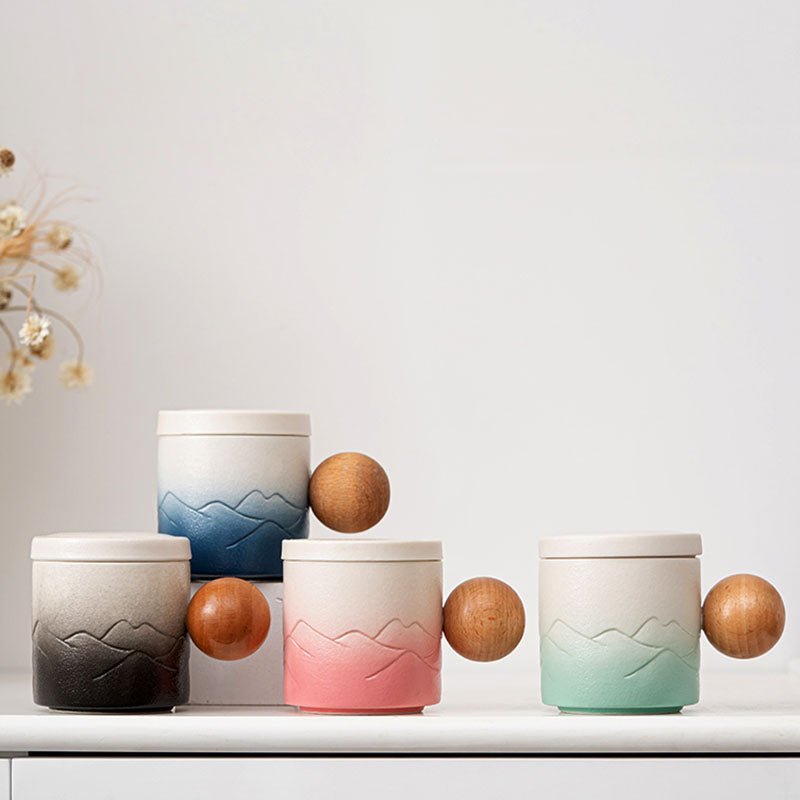
Mug Fancy: How to Choose a Stylish Coffee Mug That Still Works Daily
A mug fancy enough for a gift shelf still needs to feel right in your hand, fit a real pour, and clean up without fuss. Here’s how we compare style, comfort, and everyday use before you buy.
Czytaj dalej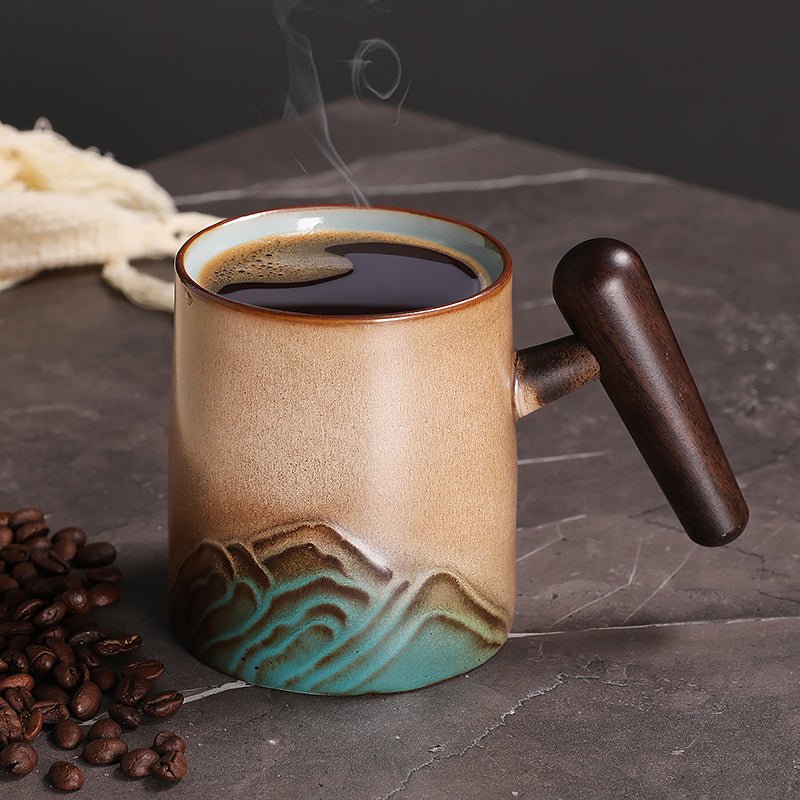
Stay Hot Coffee Mug: What Actually Matters Before You Buy
A stay hot coffee mug should fit how you actually drink: at a desk, between meetings, or with breakfast that takes a while. We break down the real trade-offs so you can pick a mug that keeps coffee...
Czytaj dalej
Zostaw komentarz
Ta strona jest chroniona przez hCaptcha i obowiązują na niej Polityka prywatności i Warunki korzystania z usługi serwisu hCaptcha.