
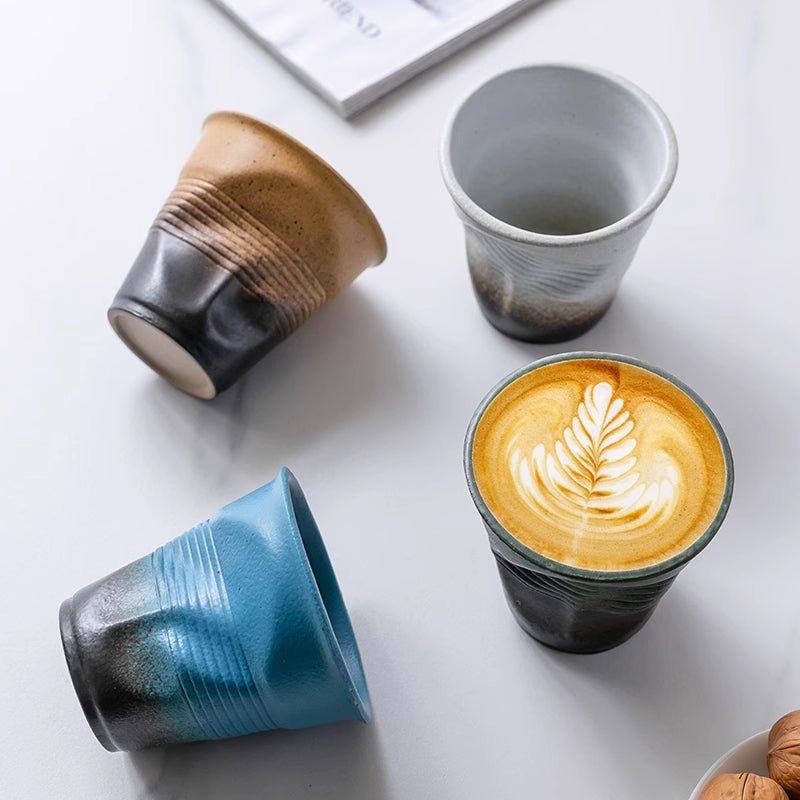
Cool Coffee Cups: What Actually Matters Before You Buy
Reading time: about 8 minutes
A mug can look perfect in a product photo and still feel awkward on a real desk. We see the difference as soon as someone starts using it for daily coffee, afternoon tea, or a gift they actually want to keep out on the counter.
That is why we judge cool coffee cups by more than the print or the color. The handle has to fit a hand comfortably. The rim should feel smooth. The cup should survive real use, not just one unboxing. If you are comparing options, start with our Cool Coffee Mugs That Look Good and Work Every Day guide, then check the products we carry in our full collection.
What makes a coffee cup actually cool to use every day?
“Cool” is not just about looks. In our experience, the cups people keep reaching for have a few practical traits in common: they feel balanced in the hand, they do not burn the fingers too quickly, and they hold up after repeated dishwasher cycles.
We pay attention to small details shoppers often miss online:
- Handle clearance: a good handle leaves enough room for two or three fingers without pinching.
- Rim finish: a smooth, even rim matters more than most buyers expect, especially for black coffee or espresso drinks.
- Base stability: a slightly wider base helps prevent wobble on a crowded kitchen counter or office desk.
- Interior glaze: a clean, non-porous glaze is easier to rinse and less likely to hold coffee stains.
If you want a broader buying framework, our Cool Coffee Mug Buyer’s Guide: Materials, Sizes, and Features breaks down the core decisions we use in our store.
A mug can be visually strong and still fail in daily use if the handle is cramped, the rim is rough, or the body is too thin for hot coffee.
Which material should you choose for cool coffee cups?
Material changes the feel, the weight, and the care routine. We usually help customers choose between ceramic, porcelain, and stoneware first, because those are the styles that balance everyday use with a clean presentation.
| Material | What it does well | Trade-off | Best fit |
|---|---|---|---|
| Ceramic | Solid everyday feel, easy to glaze in many finishes | Can chip if knocked against a sink or another cup | Daily coffee, mixed kitchen use |
| Porcelain | Refined look, usually lighter in the hand | Can feel less forgiving if you prefer a heavier mug | Gift sets, polished table settings |
| Stoneware | Heavier, sturdy feel, often better for a cozy look | Can be bulkier and slower to dry after washing | Home use, bigger pours, casual counters |
We are careful not to oversell any one material. A porcelain cup may look more elegant, but if you want a thick, weighty mug for long desk sessions, stoneware may be the better fit. Ceramic is the safest middle ground for most shoppers.
For shoppers who care about presentation as much as function, our article on Beautiful Coffee Cups: What to Look for Before You Buy covers the design details that matter before checkout.
What size works best for coffee, tea, and bigger pours?
Size is where many buyers get frustrated after the first week. A cup that looks compact in photos can be too small for a long morning pour, while an oversized mug can cool coffee down faster than expected if you only drink a little at a time.
These are the size patterns we see most often:
- 8 to 10 oz: best for espresso drinks, smaller pours, and people who want a compact cup that does not dominate a desk.
- 11 to 14 oz: the most flexible range for drip coffee, tea, and everyday use.
- 15 oz and up: better for long work sessions, generous pours, or anyone who wants fewer refills.
If you are comparing larger formats, our Big Coffee Cups: What to Check Before You Buy a Large Mug article is worth reading before you choose a size that looks good but feels awkward in practice.
We also remind shoppers that a bigger cup is not always a better cup. Large mugs are not ideal if you like coffee piping hot for a long time or if your storage shelves are shallow. A smaller cup can feel more intentional and easier to handle, especially in a small kitchen.
Which cool coffee cups make the best gifts?
Gift buyers usually want three things at once: the mug should look special, feel safe to buy for someone else, and not become clutter after the wrapping paper is gone. That is a harder balance than it sounds.
In our store, the most reliable gift choices tend to be cups with a clean silhouette, a balanced handle, and a finish that looks good in a kitchen cabinet, not just in a photo. Decorative mugs with heavy slogans or niche jokes are riskier unless you know the person well.
Useful gift-buying cues:
- Choose a neutral color or a finish that fits most kitchens.
- Pick a size in the middle range if you are unsure.
- Check whether the surface is easy to rinse and likely to be dishwasher safe.
- Avoid overly delicate shapes if the recipient will use it at work or around kids.
If you are shopping for a seasonal present, our Christmas Coffee Cups: How to Choose the Right Mug for Gifts and Daily Use post covers the holiday-specific trade-offs we see every year. For a broader gifting angle, Coffee Cups Cool: What to Buy for Daily Use and Gifting is a good match.
One thing we avoid promising: a stylish mug is not automatically a universal gift. If the recipient already prefers very light cups, a heavy stoneware mug may disappoint them even if it looks excellent.
How do care and durability affect what you should buy?
Durability is where the real product story shows up. We see common wear in a few places: tiny chips on the rim, hairline cracks from thermal shock, fading on printed designs, and staining inside lighter glazes when cups are left sitting with coffee residue.
Here is the practical care advice we give customers:
- Let the cup cool a little before washing if it has just held very hot liquid.
- Do not move a hot cup straight into cold water if the material is sensitive to thermal shock.
- Wash printed or decorated cups on the top rack if the finish is delicate.
- Dry the base and handle area fully if the mug sits in a closed cabinet for a long time.
Microwave use is another area where shoppers need a reality check. A plain ceramic or stoneware mug is often fine, but metallic accents, gold rims, and some decorative finishes are not microwave-safe. If you heat coffee often, read our Cool Coffee Mug for Microwave: What to Buy and What to Avoid article before you buy.
We do not recommend choosing a mug purely because it is delicate-looking. Very thin cups can feel nice for specialty drinks, but they are not the best choice for a busy kitchen, shared office, or dishwasher-heavy routine.
How should you compare cool coffee cups before buying?
The fastest way to narrow the field is to compare a few practical questions side by side. We use this same checklist in our store when we assess what belongs in our assortment and what is better left out.
- Does the handle fit your hand? If it feels tight empty, it will feel worse when the cup is full.
- Is the weight comfortable? Heavier cups feel sturdy, but they can be tiring if you lift them many times a day.
- Will the finish work in your routine? Matte finishes can look great, but some are more likely to show marks from repeated handling.
- Is it easy to clean? A simple interior shape is easier to rinse than a mug with deep texture near the base.
- Does it fit your storage? Tall mugs can be awkward on shallow shelves or in compact cabinets.
If you are still choosing between style and utility, the safest move is to start with the full collection and filter by the kind of use you actually need: daily desk coffee, home brewing, or gifting.
Frequently asked questions
What size cool coffee cups are best for everyday use?
For most shoppers, 11 to 14 oz is the most versatile range. It works for drip coffee, tea, and hot chocolate without feeling oversized on the counter. If you prefer smaller, stronger drinks, an 8 to 10 oz cup may suit you better.
Are ceramic cool coffee cups better than stoneware?
Neither is universally better. Ceramic is usually a little lighter and easier to mix into different kitchen styles, while stoneware often feels sturdier and more substantial. If you want a mug for a busy household or desk use, ceramic is often the easier all-around choice.
Can cool coffee cups go in the dishwasher and microwave?
Many can, but not all. Plain ceramic and stoneware are often dishwasher and microwave safe, while metallic accents, printed decorations, or specialty glazes may not be. Check the product details before buying, especially if you heat drinks often.
What makes a mug feel cheap even if it looks good online?
A thin handle, rough rim, unstable base, or uneven glaze can make a cup feel less refined in hand. We also watch for decoration that looks sharp in photos but starts to feel tired after a few washes. The best mugs look good and feel consistent every time you reach for them.
Are big coffee cups better than standard mugs?
Not always. Bigger cups are useful if you want fewer refills or enjoy long sipping sessions, but they can cool coffee faster and take up more cabinet space. If you usually drink a moderate amount, a standard-size mug is often the smarter buy.
If you want the shortest route to the right pick, compare material, size, handle comfort, and care instructions first. Then browse our products page or the full collection and choose the mug that fits your daily routine, not just the one that looks best in the photo.
Read more
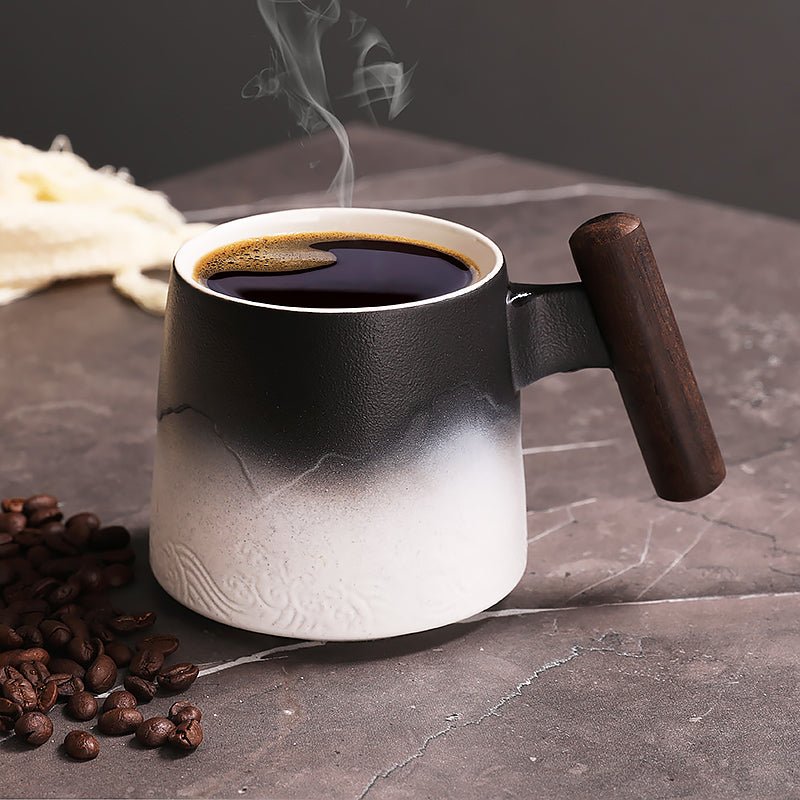
Interesting Mugs for Daily Coffee: What Buyers Should Check
Interesting mugs can be useful, not just decorative. This guide breaks down size, material, handle comfort, and care so you can choose one that fits real daily use.
Czytaj dalej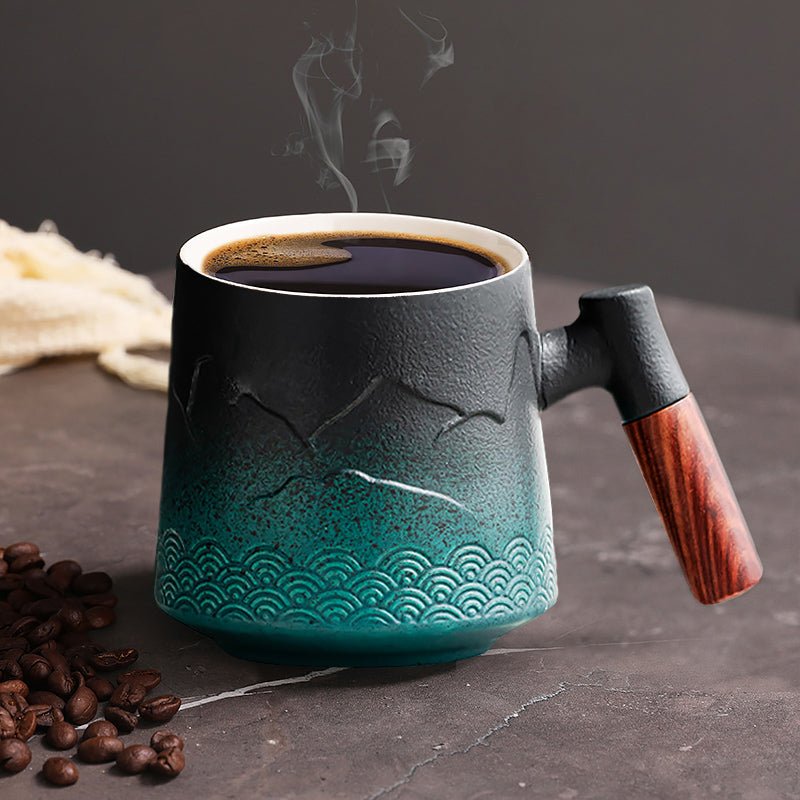
Wood Mugs: Finish, Size, and Care Checks Before Ordering
Wood mugs can look great on a kitchen counter or desk, but the finish, size, and care instructions decide whether they are practical. This guide shows what to check before you buy.
Czytaj dalej
Zostaw komentarz
Ta strona jest chroniona przez hCaptcha i obowiązują na niej Polityka prywatności i Warunki korzystania z usługi serwisu hCaptcha.