
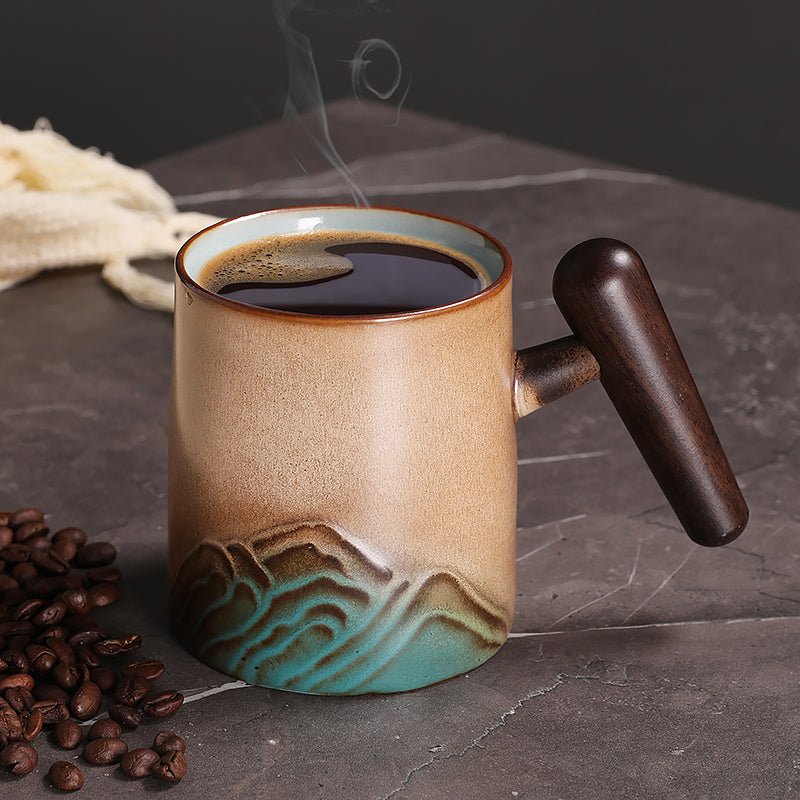
Coffee Travel Mugs: How to Choose the Right One for Daily Use
Reading time: about 8 minutes
A mug that looks fine on a product page can still fail on the first commute. The lid drips into a tote, the body is too wide for a car cup holder, or the coffee stays blazing hot long after the train ride ends.
That is the gap we try to close in our store. We handle a lot of coffee travel mugs, and the best ones are rarely the flashiest. They are the ones that feel balanced in the hand, seal cleanly, and clean up without turning into a chore after a long workday.
If you are comparing options, start with the basics that affect daily use more than looks. Our full collection is the quickest place to compare what is available, and our products page is where you can check the current selection in one place.
What makes a coffee travel mug worth buying?
The best coffee travel mugs solve three problems at once: they hold heat, they stay sealed, and they are comfortable to use while moving. If one of those is missing, the mug becomes a backup item instead of a daily carry.
In our experience, buyers usually care most about the lid and the shape. A great lid can make an average mug usable. A poor lid can ruin an otherwise solid stainless steel body.
- Material: Stainless steel is the most common choice for insulated travel mugs because it handles commuting, bag storage, and repeated washing well. Ceramic-lined options can improve taste for some drinkers, but they usually trade away durability and weight.
- Capacity: A smaller mug is easier to carry and often fits under espresso machines or tight car holders. A larger mug makes sense for long drives or people who stretch one fill across the morning, but it can feel bulky on crowded transit.
- Lid style: A screw-on lid generally gives better leak protection than a simple press-fit top. A sip lid is convenient for one-handed drinking, but it needs a tighter seal and a clean gasket to work properly.
For readers comparing everyday models, our guide to Go Coffee Mugs: How to Choose the Right Travel Mug for Daily Use goes deeper into size, grip, and commuting habits.
Should you choose stainless steel, ceramic, or a hybrid lining?
Material choice changes the feel of the mug more than many shoppers expect. It also affects taste, weight, and how carefully you need to wash it.
| Material | What it does well | Where it falls short |
|---|---|---|
| Stainless steel | Durable, lightweight for the size, good for commuting and bags | Can pick up a metallic note if the interior finish is basic |
| Ceramic-lined | Cleaner taste for some coffee drinkers, less flavor carryover | Usually heavier and less forgiving if dropped |
| Hybrid insulated designs | Balance between taste and practicality | More parts can mean more cleaning around the lid and gasket |
If you drink black coffee and notice aftertastes quickly, ceramic-lined interiors can be appealing. If you need a mug that disappears into a work bag and survives daily use, stainless steel is usually the safer bet. We would not recommend a ceramic-heavy mug for someone who throws gear around in a backpack or wants the lightest possible carry.
For buyers who prefer a more traditional drinking feel, our article on Ceramic Coffee Mugs: What to Look For Before You Buy is useful context, even if you still end up choosing a travel format.
How do you know if a mug will actually stay leak-resistant?
Leak resistance is where many coffee travel mugs look better on paper than they perform in real life. A lid can be technically closed and still seep around the rim if the gasket is thin, twisted, or hard to clean.
We look for a few practical details every time:
- Gasket access: If you cannot remove or rinse the sealing ring easily, coffee residue builds up and weakens the seal.
- Lid alignment: Twist lids should click into place consistently. If the threads feel rough or inconsistent, leaks usually show up in a bag first.
- Sip opening design: A good opening controls flow without splashing. A bad one sends a small wave of coffee toward your shirt on the first stoplight.
- Rim shape: A smooth lip is easier to drink from and easier to clean than a lid with deep corners.
If leak resistance is your top priority, read our commuting-focused breakdown, Travel Coffee Mugs: Leak-Resistant Picks for Daily Commuting. It covers the kinds of lid behavior that matter once the mug is in a backpack or car console.
We treat a travel mug as a daily tool, not a shelf item. If it cannot ride in a bag, fit a car holder, and rinse clean at night, it is not solving the real problem.
What size and shape work best for commuting, office use, or long drives?
Capacity should match how and where you drink. Bigger is not automatically better. A mug that is too large can be annoying to carry, while a mug that is too small forces refills before the day settles down.
Practical size guidance:
- Commuting and transit: A slimmer body that fits a cup holder and a backpack side pocket is usually the most forgiving option.
- Desk use: A stable base and a comfortable lid matter more than ultralight weight, because the mug will sit beside a keyboard and not move much.
- Long drives: Larger capacity helps if you want fewer refills, but only if the lid is genuinely secure.
- Espresso drinks: Smaller mugs are often a better fit for espresso-based drinks, especially if you want the coffee to stay at a drinkable temperature rather than simmering for too long.
Our buyer's guide to large capacity coffee mugs is worth reading if you are deciding between a compact everyday mug and something that carries more volume for long shifts.
How should you clean a coffee travel mug so it keeps performing?
Cleaning is where good mugs stay good and mediocre mugs fall apart. Coffee oils cling to lids, around gasket grooves, and inside the threads where you do not notice them at first.
For daily use, we recommend a simple routine:
- Rinse the mug and lid soon after use so residue does not dry on.
- Separate removable gaskets or seals if the design allows it.
- Wash the lid with attention to the sip opening and any hidden corners.
- Dry all parts fully before reassembling, especially if the lid has multiple pieces.
Dishwasher-safe claims can be useful, but they are not the whole story. Repeated hot cycles can wear printed finishes, soften some seals over time, or leave mineral marks if you have hard water. Hand washing takes longer, but it often extends the life of the lid and keeps the seal cleaner.
If you are buying a gift, this is one of the details worth thinking through. A travel mug that is easy to clean gets used. A fussy one ends up in a cabinet. Our gift-oriented roundup, Best Coffee Mugs for Daily Use, Gifts, and Office Desks, is a useful place to compare practical everyday choices.
Which coffee travel mug is not the right fit for you?
Some mugs are the wrong tool for the job, and that is fine. A tall insulated mug is not ideal if you want something that slips under a low espresso machine. A wide-body commuter mug is not the best pick if you carry a slim laptop sleeve and want the mug to disappear into the bag.
We also would not push a highly sealed travel mug on someone who mainly drinks at a desk and prefers the open feel of a ceramic cup. For that use, the mug is solving a problem you do not really have. The same goes for anyone who hates washing lids with multiple parts. Simpler is better.
If you are still deciding, this older guide, Best Travel Coffee Mug: What to Check Before You Buy, works well as a checklist before you commit.
Frequently asked questions
Are coffee travel mugs dishwasher safe?
Some are, but not all parts should be treated the same way. The body may handle a dishwasher, while the lid, gasket, or decorative finish may last longer with hand washing. Check whether the seal can be removed and dried fully after cleaning.
What is the best material for coffee travel mugs?
Stainless steel is the most practical choice for most commuters because it is durable and handles daily carry well. Ceramic-lined mugs can be better for taste if you are sensitive to aftertastes, but they are usually less forgiving if dropped.
Why does my travel mug sometimes leak even when the lid is closed?
That usually comes down to a worn gasket, a lid that was not aligned correctly, or residue in the threads. Coffee oils and dried grounds can keep the lid from seating properly, so regular cleaning matters more than many buyers expect.
What size coffee travel mug should I buy for a daily commute?
Choose the size that matches your actual routine, not the biggest number you can carry. A slimmer mug is easier for trains, car cup holders, and backpacks, while a larger one suits longer drives or long shifts with fewer refills.
Can a coffee travel mug keep drinks hot for too long?
Yes. Strong insulation is useful, but it can also leave coffee too hot to drink right away. If you want to sip quickly after brewing, look for a mug that balances insulation with a lid you can open and cool from easily.
If you want the fastest next step, compare the current options in our coffee mug collection, then check the product details for lid type, capacity, and cleaning method before you choose.
More from our blog
Read more

Starbucks Coffee Mugs: What to Check Before You Buy
A practical guide to comparing Starbucks coffee mugs by size, material, care, and everyday use. We cover the trade-offs that matter on real kitchen counters, office desks, and gift shelves.
Czytaj dalej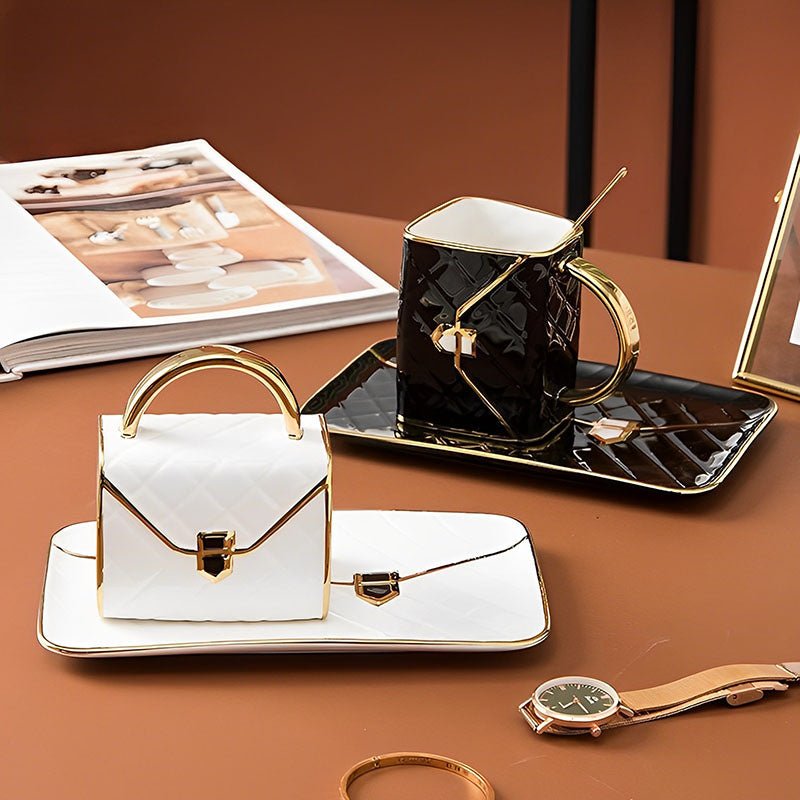
Unique Coffee Mugs: What Actually Makes One Worth Buying
A practical guide to choosing unique coffee mugs that look distinctive and still hold up to daily use. We cover materials, size, handle comfort, care, and the trade-offs that matter before you buy.
Czytaj dalej
Zostaw komentarz
Ta strona jest chroniona przez hCaptcha i obowiązują na niej Polityka prywatności i Warunki korzystania z usługi serwisu hCaptcha.