
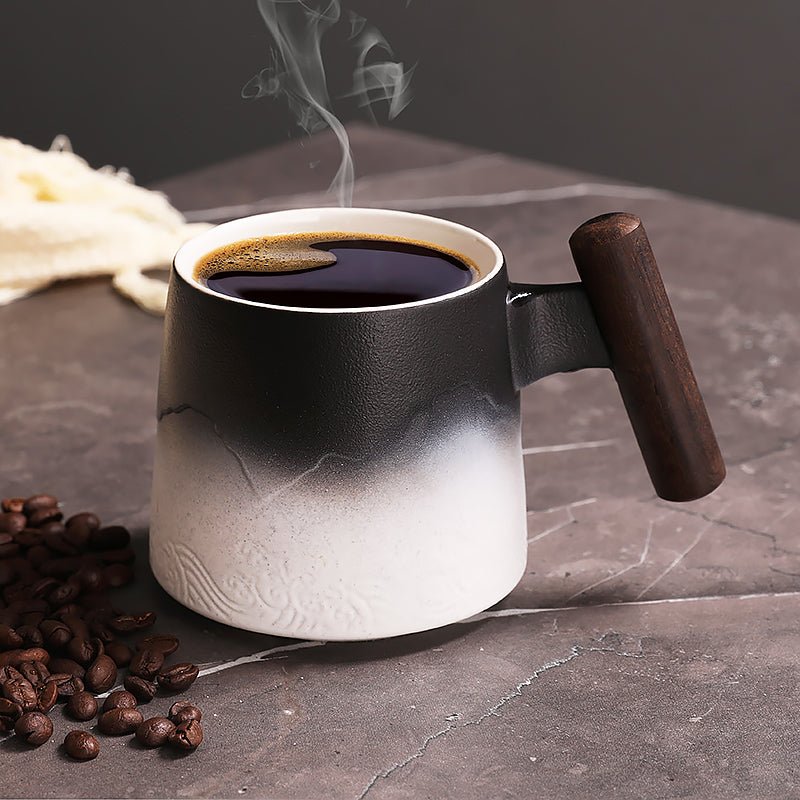
Coffee Percolator Mug: What to Check Before You Buy
Reading time: about 8 minutes
A coffee percolator mug usually looks great in a photo, then disappoints the minute you try to use it at a real desk or kitchen counter. The lid feels loose, the handle is too narrow, or the cup runs hotter than expected and becomes awkward to hold after the first few sips.
We see that pattern a lot in our store. Shoppers want a mug that feels sturdy, handles daily coffee without fuss, and fits the way they actually drink. That means checking more than the design. It means looking at material, capacity, lid style, and whether the mug is easy to clean after a long day.
If you are comparing options now, our products page is the easiest place to start, and our broader collection helps if you want to compare styles side by side.
What is a coffee percolator mug supposed to do well?
For most buyers, a coffee percolator mug is less about a technical feature and more about the experience: keep coffee comfortable to drink, hold enough for a normal serving, and survive everyday use without feeling flimsy. In practice, the best ones work for morning coffee on the kitchen counter, a quick refill at the office desk, or a gift where presentation matters.
The trade-off is simple. A mug that looks decorative may not feel ideal for long sipping sessions. A mug built for daily use may be plainer, but it is usually easier to wash, easier to hold, and less likely to crack from routine handling.
Which materials make the biggest difference?
Material changes how a mug feels in your hand and how long it stays useful. We always tell shoppers to start here because it affects heat, weight, and durability more than most product photos do.
| Material | What it feels like in daily use | Best for | Common drawback |
|---|---|---|---|
| Ceramic | Solid, familiar, easy to drink from | Desk coffee, home use, gift purchases | Can chip if knocked against a sink or counter |
| Stoneware | Heavier and often thicker-walled | People who want a substantial feel | Added weight can be less comfortable on the move |
| Stainless steel | Very durable and practical | Travel or rough daily handling | Usually less pleasant if you want a classic mug feel |
For a coffee percolator mug, ceramic and stoneware are the most common choices because they feel right for drinking coffee straight from the mug. Stainless steel makes more sense if the mug will get knocked around, but it changes the whole experience. It can also retain heat more aggressively than some buyers expect, which is great for warmth and annoying if you want to sip right away.
How much capacity should you choose?
Capacity sounds minor until you pour coffee and realize the mug is either too small for your routine or so large that it cools before you finish. A good first question is how much coffee you actually pour at one time.
- 10 to 12 oz: Better for smaller servings, espresso-based drinks, or people who prefer coffee hot from start to finish.
- 14 to 16 oz: A comfortable everyday range for many buyers who want one full mug without constant refills.
- 20 oz and up: Useful for long work sessions or customers who want a big morning pour, but the mug can feel bulky and the coffee may cool before the last sip.
If you are unsure, compare your expected use with our guide on 20 oz Coffee Mug: What to Check Before You Buy. That article is especially helpful if you are deciding between a larger mug and a more compact daily cup.
Our experience: shoppers often overbuy capacity because it sounds convenient, then discover they prefer a mug that feels balanced in the hand rather than oversized on the desk.
What details separate a good mug from one that gets returned?
We handle a lot of mugs, and the small details are usually the ones that decide whether someone keeps the order. A buyer may not notice them in a product photo, but they matter immediately at home.
- Handle shape: A handle should give your fingers room without forcing a tight grip. Thin handles can feel awkward once the mug is full.
- Rim comfort: A smooth rim matters more than people think. If it feels rough or uneven, the mug feels cheap even if the design is attractive.
- Lid fit: If the mug includes a lid, the fit should be secure without requiring too much force. Loose lids are a common complaint.
- Base stability: A flat, steady base matters on laptop desks, nightstands, and crowded kitchen counters.
- Finish quality: Look for clean glaze, even printing, and no visible pinholes or uneven edges.
These are the kinds of checks we do ourselves when evaluating inventory. We are looking for everyday use, not just shelf appeal.
Is a coffee percolator mug good for office use?
Sometimes yes, but not always. If you want a mug to sit beside a keyboard for two hours, a sturdy ceramic coffee percolator mug can work well. It feels comfortable, looks tidy, and is easy to wash in most office kitchens.
It is not the best choice if you regularly walk between meetings or need to seal coffee against spills in a bag. For that, a travel mug is the better fit. We break down those trade-offs in Best Coffee Travel Mug: What Shoppers Should Check Before Buying.
If you want coffee to stay hot for a commute, choose a travel-first design. If you want something that feels nicer at a desk and is easy to sip from throughout the morning, a coffee percolator mug is the more comfortable choice.
How should you clean and care for it?
Care instructions should be straightforward. If a mug is marketed for daily use, it should not require special handling after every cup. For most ceramic and stoneware mugs, warm water, mild soap, and a soft sponge are the safest routine.
Here is the care path we recommend for everyday buyers:
- Rinse soon after use so coffee oils do not build up.
- Use a soft sponge rather than an abrasive scrubber on printed or glazed surfaces.
- Check whether the mug is dishwasher safe before relying on machine washing.
- Dry the mug fully before storing it to avoid lingering moisture around the base or inside the handle.
Common defect modes are usually simple: hairline cracks near the handle, chips on the rim, and worn print after repeated rough washing. Those issues are one reason we encourage shoppers to think about care habits before buying. A beautiful mug can still be a poor fit if it will be thrown into the dishwasher every night without checking the finish.
What should you compare before buying one?
We suggest comparing a few practical points side by side instead of shopping by look alone. If the mug is a gift, presentation matters. If it is for personal use, comfort and cleanup matter more.
- Material: Ceramic for a classic feel, stoneware for weight, stainless steel for durability.
- Capacity: Match the mug to your usual pour, not your occasional one.
- Handle comfort: Try to judge whether it works for larger hands or only looks good in photos.
- Washability: Decide whether hand-wash only is acceptable.
- Use case: Desk mug, home mug, gift mug, or a tougher everyday option.
If you want a broader sense of what makes a mug good for daily use, our article on Best Coffee Mug: What Actually Matters for Daily Use is a helpful companion read. It covers the practical things that matter after the first unboxing.
Who should skip a coffee percolator mug?
A coffee percolator mug is not the best pick for everyone. If you want maximum heat retention for long commutes, an insulated travel mug will do a better job. If you need something ultra-light for a gym bag or backpack, a standard ceramic mug may be too fragile. And if you regularly make coffee outdoors or in rough conditions, durability should come before style.
It is also not the best choice for people who dislike hand-washing printed drinkware, unless the product clearly states dishwasher-safe care. That is one of the most common points of disappointment after delivery.
Our rule in the store is simple: if the mug only looks good on a shelf, it is not the right mug for most buyers.
Frequently asked questions
Is a coffee percolator mug the same as a regular mug?
Not exactly. A coffee percolator mug usually refers to a mug designed around coffee-drinking comfort and presentation, often with a sturdier feel or a specific style detail. A regular mug may work just as well, but a percolator mug is often chosen for the look and the daily drinking experience.
Can a coffee percolator mug go in the dishwasher?
Sometimes, but not always. Ceramic mugs with durable glaze are often easier to machine wash, while decorated or printed mugs may last longer with gentle hand washing. Check the care details before you buy so you know how much maintenance to expect.
What size coffee percolator mug is best for everyday use?
Most shoppers are happiest in the 14 to 16 oz range for daily coffee. It gives enough room for a solid pour without feeling oversized on a desk. If you prefer smaller servings or want the coffee to stay hot longer, a more compact size can make more sense.
Is a coffee percolator mug a good gift?
Yes, if the design is clean and the build feels solid. Gift buyers should pay attention to the finish, handle comfort, and whether the mug arrives well protected. A mug that feels sturdy in the hand usually makes a better impression than one that only looks decorative online.
What should I check before ordering one online?
Check the material, stated capacity, care instructions, and any notes about lid fit or print durability. If you want to compare more styles, browse our full collection and look for the mug that matches how you actually drink coffee. If you need a starting point, our products page is the quickest way to compare current options.
If you are narrowing it down today, use this short checklist: capacity, handle comfort, wash care, and whether you want a mug for desk use or a tougher everyday setup. Then compare the current options in our collection and choose the one that fits your routine, not just the photo.
More from our blog
Read more
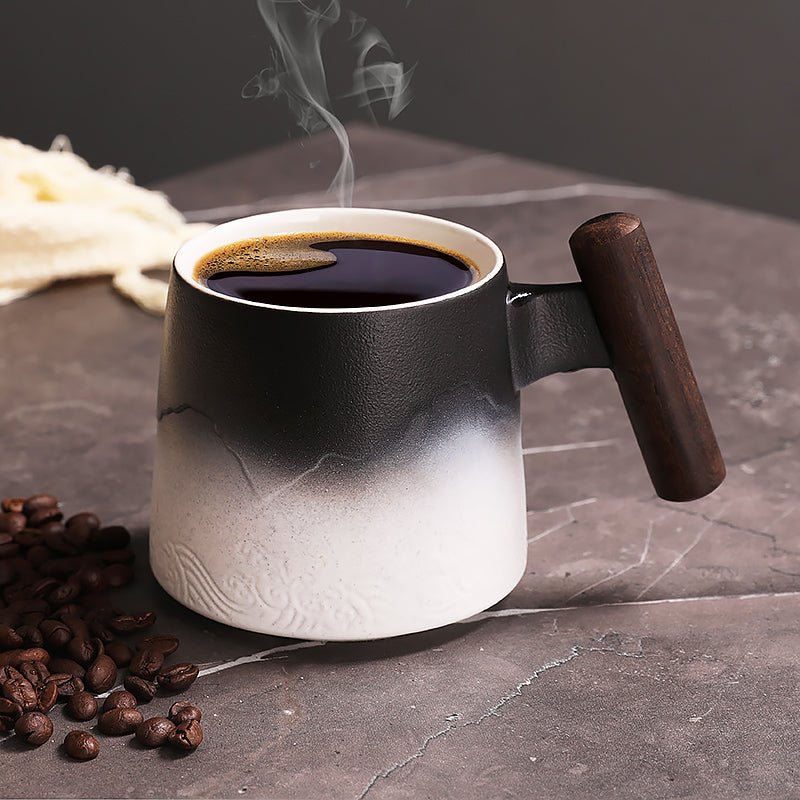
The Wild Mug Coffee Bar: What Buyers Should Check Before Ordering
A practical guide to finding the right Wild Mug Coffee Bar mug, including what to check for size, finish, and everyday use. We cover real trade-offs so you can buy the version that fits your desk, ...
Czytaj dalej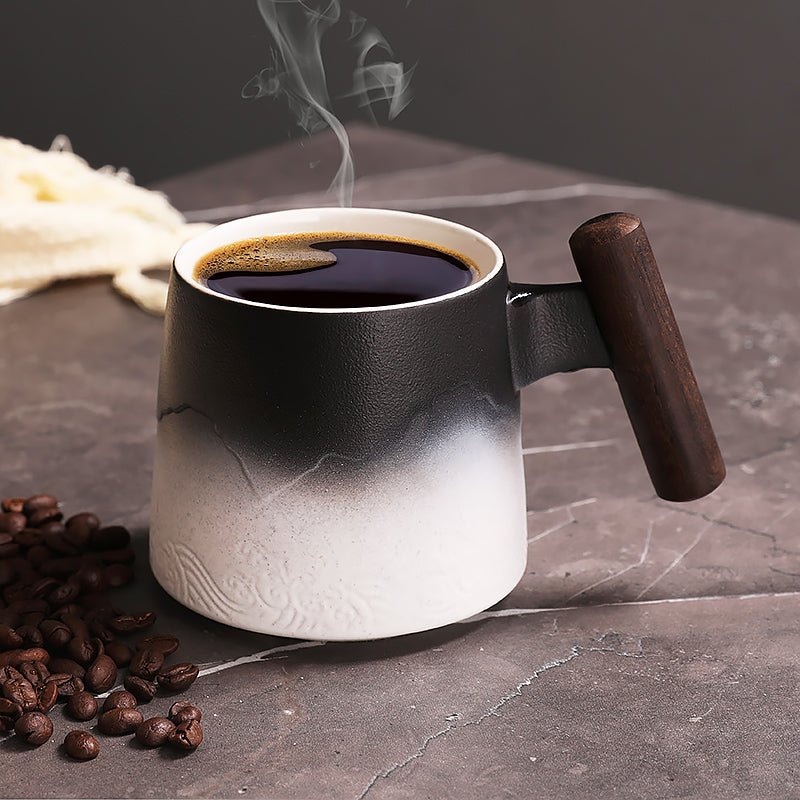
Crate and Barrel Coffee Mugs: What Buyers Should Check First
Crate and Barrel coffee mugs tend to win on clean design, but the real decision comes down to size, handle comfort, glaze wear, and daily care. Here’s what to compare before you buy.
Czytaj dalej
Zostaw komentarz
Ta strona jest chroniona przez hCaptcha i obowiązują na niej Polityka prywatności i Warunki korzystania z usługi serwisu hCaptcha.