

Coffee Mugs: How to Choose the Right Size, Material, and Style
Reading time: about 8 minutes
A mug that feels fine in the cart can feel wrong on a kitchen counter. We see this all the time: a cup that is too small for a real pour-over, a handle that pinches two fingers instead of three, or a glossy finish that starts showing every spoon mark after a week on a desk.
That is why we treat coffee mugs as more than a color choice. Size, wall thickness, handle shape, glaze, and care all change how the mug works once it is out of the box and in daily rotation. If you are comparing options, our store approach is simple: pick the mug for the way you actually drink, wash, and store it, not just for the photo.
If you want to browse our current range while you read, start with our coffee mug products page or see the full collection.
What size coffee mug should you buy for your daily cup?
Size is the first decision because it changes everything else. A smaller mug can keep an espresso drink concentrated and hot, while a larger one gives you room for drip coffee, milk, or a second pour without spilling over the rim. In our experience, most shoppers are happiest when they match the mug to the drink they make most often, not the drink they make once in a while.
Here is how we usually think about common sizes:
| Size range | Best for | What to watch for |
|---|---|---|
| 6–8 oz | Espresso drinks, small servings, strong coffee | Not ideal for full drip pours or lots of milk |
| 10–12 oz | Standard daily use, office desks, most coffee makers | Can feel small if you add plenty of cream |
| 14–16 oz | Large servings, slow sippers, tea and cocoa too | Heavier when full; may not fit every machine or cup holder |
If you routinely top off with milk, foam, or ice, a bigger mug saves you from the awkward near-spill on the counter. If you prefer a hotter first sip and finish quickly, a medium mug is usually the better call. For a deeper look at oversized options, our buyer's guide to large capacity coffee mugs and large coffee mugs size, shape, and material guide go into the trade-offs we see most often.
Which mug material works best for real-life use?
Material affects heat retention, weight, and durability more than many shoppers expect. We handle mugs in and out of packaging all day, and the differences are obvious once you start using them at a kitchen sink, a work desk, or in a shared office break room.
The most common options are:
- Ceramic: the everyday standard. It feels substantial, usually holds heat well enough for a normal coffee break, and works for most home kitchens. Ceramic is not ideal if you want the lightest travel-style feel.
- Stoneware: heavier and often thicker. It tends to feel sturdy in hand and can be a good pick if you like a mug with a more grounded, solid feel. The trade-off is weight.
- Porcelain: lighter and often a bit more refined-looking. It can be a smart choice for gifts or a cleaner table setting, but it may feel less rugged than a thick stoneware mug.
We always tell shoppers to think about what the mug will face. A home mug that sits on a shelf and sees one wash cycle a day has different needs from an office mug that gets moved around, reheated, and stacked. If a mug is too thin, it can feel fragile. If it is too thick, it may be durable but not as pleasant to hold for long stretches.
One real limitation: no material is magic. Ceramic and stoneware can chip if knocked against a sink or dishwasher rack. If that kind of wear is a concern, a simpler shape with fewer delicate edges is usually the safer buy.
What details separate a good mug from a frustrating one?
This is where many listings look the same, but the mug you live with will not. We pay attention to a few concrete details because they matter after the first unboxing:
- Handle clearance: a handle should leave enough room for at least two fingers comfortably, and three is better for larger hands.
- Rim thickness: a thinner rim often feels better on the lip, while a very thick rim can make sipping feel clumsy.
- Base stability: a wider base helps reduce wobble on crowded counters and office desks.
- Glaze quality: smooth, even glaze is easier to clean and less likely to trap tea or coffee residue along rough spots.
- Interior shape: a slightly rounded interior is easier to rinse than a sharp-cornered bottom.
We have seen mugs that look great in photos but have awkward handles that rub knuckles, or glossy interiors that show every stain if you drink dark roast every morning. Those are not deal-breakers for everyone, but they are real trade-offs. If you care about easy cleaning, daily comfort, and a mug that feels good after month three, these details matter more than decorative printing.
Our rule in the store is simple: if a mug is pretty but uncomfortable to hold, it will eventually get left on the shelf.
Are coffee mugs good gifts, or should you choose something else?
Coffee mugs make easy gifts when you know the recipient’s routine. They are especially useful for housewarmings, office swaps, holiday bundles, and the person who always has a cup nearby. They are less useful if you do not know the drink size they prefer or if they already own a crowded cabinet full of mugs they never use.
For gifting, the safest mug is usually:
- Medium-sized, around 10–12 oz.
- Neutral enough to use every day, but not plain to the point of feeling generic.
- Easy to wash and simple to store.
- Comfortable enough for both coffee and tea.
If you are shopping for seasonal gifts, our related guides can help you avoid the usual mistake of picking a novelty mug that gets used once and forgotten. See Christmas Coffee Mugs: How to Choose Gifts, Sets, and Everyday Favorites and Christmas Coffee Mug Buying Guide: Materials, Sizes, and Gift Picks for more specific gift ideas.
If the person you are buying for likes personal details, a custom design can work well. Just keep the artwork readable and avoid overloading the mug with tiny text. Our personalized coffee mug ideas article covers the difference between a thoughtful design and one that becomes visual noise.
How should you care for coffee mugs so they last?
Care is where everyday habits show up fast. Some mugs tolerate regular dishwasher cycles and mild detergent just fine. Others are more sensitive to harsh scrubbing, stacked storage, or sudden temperature changes from a hot rinse to a cold sink.
Our practical care advice is:
- Wash soon after use so coffee oils do not set into the glaze.
- Avoid banging mugs together in the sink or dishwasher rack.
- Use a non-abrasive sponge for printed or decorated surfaces.
- Let a very hot mug cool slightly before filling it with cold liquid.
Those steps sound basic, but they prevent the common defects we see most often: chipped rims, dull-looking glaze from abrasive cleaning, and hairline stress cracks from thermal shock. For a fuller walkthrough, our coffee mug care tips post explains how to keep a mug looking good without babying it.
One limitation worth stating clearly: if you need something for heavy travel, a standard ceramic mug is not the right tool. It is a home mug, not a sealed transport container. For commuting, you will want a lidded tumbler or travel mug instead.
What should you compare before you buy?
We suggest comparing coffee mugs the same way we do in our store: by use case first, style second. That keeps the purchase practical and reduces regret later.
- Drink size: short espresso drink, standard coffee, or large poured cup.
- Hand feel: handle comfort, weight, and balance when full.
- Material: ceramic, stoneware, or porcelain.
- Cleaning: easy rinse, dishwasher friendliness, and stain visibility.
- Storage: whether it stacks well or takes up too much cabinet space.
- Use setting: home kitchen, office desk, gift box, or guest shelf.
If you want a mug for everyday use, our article on how to choose the right coffee mug for daily use is the best next read. It ties size, shape, and routine together in a way that makes shopping easier.
Frequently asked questions
What size coffee mug is best for daily use?
For most people, 10–12 oz is the easiest everyday size. It fits a standard coffee pour without feeling oversized, and it still leaves room for milk or cream. If you usually drink very large servings, move up to 14–16 oz.
Are ceramic coffee mugs better than stoneware?
Neither is universally better. Ceramic usually feels a bit lighter and more familiar, while stoneware often feels thicker and sturdier in hand. If you want a mug for a busy kitchen or office, stoneware can be a good choice; if you prefer a lighter daily mug, ceramic may suit you better.
Can coffee mugs go in the dishwasher?
Many can, but not all decorative finishes handle dishwasher wear equally well. We recommend checking the product details and using a gentle cycle when possible, especially for printed or customized designs. Avoid harsh scrubbing on glazed artwork.
What makes a coffee mug uncomfortable to hold?
The most common problems are a small handle, poor balance when full, and a mug that is too heavy for its size. A mug can also feel awkward if the handle sits too close to the body, leaving little room for fingers. If you have larger hands, prioritize handle clearance before style.
Are large coffee mugs a bad choice?
Not at all, but they are not the best fit for every buyer. Large mugs are great for long mornings, milk-heavy drinks, and people who do not want a refill right away. They are less convenient if you want a lighter mug, a hotter first sip, or something that fits easily under a compact coffee machine.
If you are ready to choose, start with the mug size you actually use most often, then compare material and handle comfort. The fastest path is to browse our full collection, then narrow by daily routine rather than by design alone.
Read more
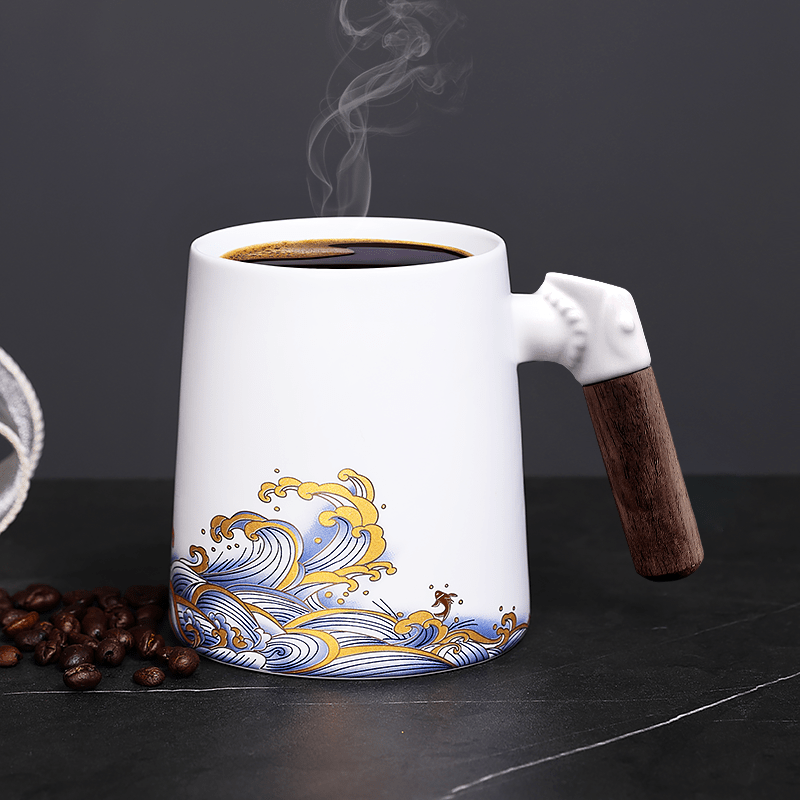
White and Gold Coffee Mugs for an Elegant Everyday Coffee Ritual
White and gold coffee mugs bring a little polish to an everyday coffee ritual. The trick is choosing pieces that still feel useful, comfortable, and easy to style beyond special occasions.
Czytaj dalej
Yeti Coffee Mug Review: Real-World Performance, Sizes, and Trade-Offs
A practical look at Yeti coffee mugs based on real use. We cover sizes, insulation, durability, and when you might want a different mug instead.
Czytaj dalej
Zostaw komentarz
Ta strona jest chroniona przez hCaptcha i obowiązują na niej Polityka prywatności i Warunki korzystania z usługi serwisu hCaptcha.