
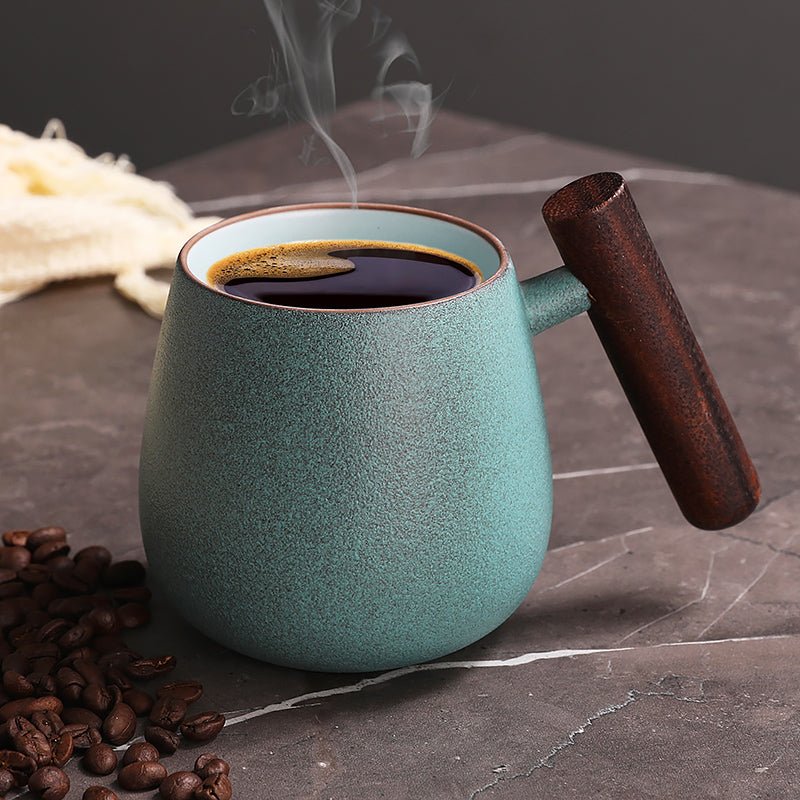
Coffee Mugs DIY: How to Choose a Mug for Custom Projects
Reading time: about 9 minutes
A mug can look finished on the craft table and still fail at breakfast. The glaze feels slippery, the handle sits awkwardly in the hand, or the design starts to look tired after a few dishwasher cycles. That is the part buyers usually miss when they search for coffee mugs diy ideas.
In our store, we see two kinds of shoppers every week. Some want a blank surface to paint, decal, or personalize. Others want the handmade look without setting up a drying rack on the kitchen counter. If you are in the second camp, start by looking at a few finished styles like the Koi Fish Coffee Tea Mug, the The Crane Coffee Tea Mug, and the Landscape Coffee Tea Mug. You can also browse our full collection if you want to compare more options before committing to a style.
What does coffee mugs diy mean if you are buying, not making?
For shoppers, coffee mugs diy usually means one of two things: you are decorating a blank mug yourself, or you want a mug that already gives that custom, handmade feeling. Those are not the same purchase. A true DIY blank needs a smooth, usable surface, while a finished decorative mug needs comfort, durability, and a design you will still like after it has lived on a desk, in a break room, or on a shelf near the sink.
The quickest way to separate the two is to ask what part of the process you actually want. If you want the creative part, buy a mug with a plain body and a clean glaze. If you want the result, buy the finished mug and skip the mess, curing time, and cleanup. The wrong choice usually shows up later, when a painted design chips or a mug that looked beautiful online turns out to be awkward in the hand.
We usually tell buyers to think in terms of use case first:
- Desk coffee: prioritize stability, a comfortable handle, and a design that does not distract on a work surface.
- Gift mug: prioritize visual appeal, packaging presentation, and a style that feels personal without being fragile.
- Everyday home mug: prioritize easy cleaning, a rim that drinks comfortably, and a size that matches your actual pour.
Should you make a mug yourself or buy a finished one?
That depends on what you are trying to solve. A DIY project gives you control, but it also gives you more ways to make a mug you will not want to use. A finished mug costs you the craft time, but it usually gives you a cleaner result and less risk of a design failing after regular washing.
| Option | Best for | Main drawback | What to look for |
|---|---|---|---|
| DIY mug project | Personal gifts, hobby projects, one-off designs | Decoration can wear, smear, or chip if the surface prep is weak | Smooth glaze, comfortable handle, decoration method that matches the mug surface |
| Finished decorative mug | Shoppers who want the handmade look with less work | Less room to customize after purchase | Art direction, balance in the hand, and a design that still feels useful |
| Blank ceramic mug | Painting, decals, or custom branding | Usually not as visually polished until you finish it | Even glaze, no wobble, no pinholes, and a surface that accepts your chosen medium |
If you are still deciding on size, our size guides on 10 oz Coffee Mugs: How to Choose the Right Fit for Daily Use, 12 oz Coffee Mugs: How to Choose the Right Mug for Daily Use, and 14 Ounce Coffee Mugs: Size, Fit, and Buying Guide are useful for comparing daily-use capacity before you buy a blank or a finished mug.
What should you check before decorating or ordering a mug?
A lot of DIY frustration comes from details that look small on a product page but matter a lot on the counter. The mug body, the glaze, and the handle shape all affect whether the finished piece feels polished or awkward.
- Surface finish: A smooth, even glaze is easier to decorate and easier to clean. Rough patches, pinholes, and uneven gloss can cause paint or decals to sit badly.
- Handle comfort: A handle that is too tight for two fingers or too thin to grip securely turns a nice mug into an annoying one.
- Rim shape: A rolled or well-finished rim usually drinks better than a sharp edge, especially for daily coffee.
- Base stability: A mug should sit flat. A slight wobble on the counter is a practical defect, not a cosmetic one.
- Decoration plan: Oil-based paint pens, ceramic markers, decals, and vinyl each behave differently. Pick the mug surface based on the method, not the other way around.
- Care plan: If the mug will be washed often, choose a design you can maintain without relying on delicate surface treatment.
We also recommend looking for common defect modes before you buy or decorate. Hairline glaze cracks can spread. Tiny bumps can catch on cleaning cloths. An uneven handle seam can feel obvious every morning, even if it barely shows in photos. Those are the sorts of flaws that turn a gift mug into a drawer mug.
A mug that is meant for real use should feel good empty, not just full.
Which decoration methods work best for a mug you plan to use?
Not every craft method survives normal coffee life. A mug that sits on a shelf can tolerate more than a mug that gets used on weekdays, rinsed after lunch, and stacked in a sink basin at the end of the day.
- Paint pens and ceramic markers: Good for clean line work and simple graphics, but they need proper curing and usually do better with gentle washing.
- Decals or adhesive graphics: Useful for a crisp look, though edges can lift if the mug is scrubbed hard or soaked too long.
- Acrylic craft paint: Fine for decorative display pieces, but not our first choice for a daily-use mug unless the product instructions specifically support the finish you are using.
- Glaze-based or kiln-fired decoration: Best for a more permanent result, but this is the least forgiving option and requires the right equipment.
If you want a practical rule, keep this in mind: the more the decoration sits on top of the mug, the more care it usually needs. If you want a mug for the dishwasher, office sink, or a busy family kitchen, a finished design with no added craft layer is usually the safer path. If you want the project experience, be honest about the trade-off and treat it like a special-use mug rather than the one you reach for every morning.
Which mug styles make the best gifts or desk mugs?
Some mugs are made to be useful first. Others are made to be noticed. For DIY-minded buyers, that distinction matters because the best gift mug often needs to look complete before you even add packaging.
In our experience, these styles work especially well when the buyer wants visual interest without taking on a full project:
- Nature-inspired artwork: Pieces like the Koi Fish Coffee Tea Mug and the The Crane Coffee Tea Mug feel personal and thoughtful without needing extra decoration.
- Landscape themes: The Landscape Coffee Tea Mug suits someone who wants a calmer, more scenic mug at a desk or reading chair.
- Collections for comparison: If you are buying for a gift table or multiple recipients, starting with our full collection makes it easier to compare styles side by side.
These are not the right picks if you want a blank canvas for paint, vinyl, or custom lettering. They are a better fit if you want the finished DIY feel: thoughtful, artful, and usable without any additional work.
How do you keep a DIY mug looking good after repeated washes?
The first few uses usually go fine. The real test is the third or fourth wash, when tiny flaws start to show. That is where the difference between a display piece and a practical mug becomes obvious.
- Let decorative layers cure fully: If you painted, printed, or sealed a mug, follow the maker's cure time before the first wash. Rushing this step is a common reason for smudging and early wear.
- Hand wash decorated surfaces: If the mug has paint, decals, or vinyl, a gentle hand wash is usually safer than a hot, abrasive dishwasher cycle.
- Avoid thermal shock: Do not move a mug from very hot liquid to cold water immediately. Sudden temperature changes can stress the glaze and any added decoration.
- Use soft tools: Avoid steel pads and harsh scrubbers on custom surfaces. A soft sponge does the job without grinding down the finish.
- Store it where it will not chip: A crowded shelf or a loose mug stack in a cabinet can damage rims and handles faster than normal use.
If you are buying rather than making, this is also where a finished mug has a real advantage. There is no curing step to remember, and there is less risk of your design peeling because someone else washed it like a normal mug. That is one reason many shoppers who start with coffee mugs diy eventually decide they want the look, not the process.
Frequently asked questions
What kind of mug is best for coffee mugs diy projects?
A smooth ceramic mug with an even glaze is usually the easiest starting point. It gives paint pens, decals, and other decoration methods a better surface to grip, and it is easier to clean before you start. Avoid mugs with heavy texture, wobble, or obvious glaze defects if you want a clean result.
Can I put a DIY coffee mug in the dishwasher?
Only if the decoration method and curing instructions clearly support that level of use. For many painted, vinyl, or decal projects, hand washing is the safer option. If you want a mug you can wash hard without thinking about it, a finished mug is usually the better buy.
What size coffee mug works best for a DIY gift?
A mid-size mug is usually the safest choice because it fits most coffee habits without feeling oversized. If you want more help with capacity, our articles on 10 oz, 12 oz, and 14 oz mugs explain the practical trade-offs for daily use. A gift should look good, but it also needs to match how the person actually drinks coffee.
Are finished mugs better than making one from scratch?
They are better if you care most about consistency, comfort, and low maintenance. Making one from scratch gives you more personalization, but it also adds time, cleanup, and the chance of a finish that does not last. For many shoppers, a finished mug with a strong design is the smarter purchase.
What should I avoid if I want a mug for everyday use?
Avoid thin handles, unstable bases, rough glaze, and decoration that depends on gentle handling forever. Those issues may not matter on day one, but they show up fast in a kitchen that gets used every day. If the mug feels fragile empty, it usually will not age well.
If you want the simplest next step, compare three things before you buy: surface finish, handle comfort, and how much care you are willing to give the mug after each wash. Then browse our full collection or start with the artful pieces like the Koi Fish Coffee Tea Mug, The Crane Coffee Tea Mug, and Landscape Coffee Tea Mug to see which style fits your daily routine.
Read more
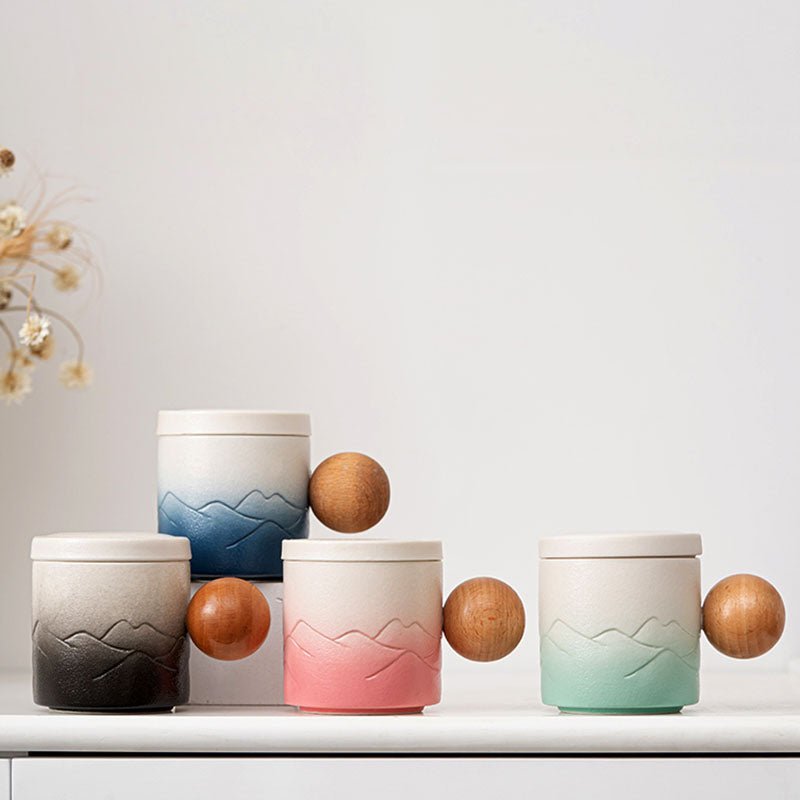
Nascar Coffee Mug: How to Choose the Right Size, Style, and Gift
A practical guide to picking a nascar coffee mug that feels right in hand, works on a desk or in the kitchen, and makes sense as a gift. We cover size, material, care, and the trade-offs that matte...
Czytaj dalej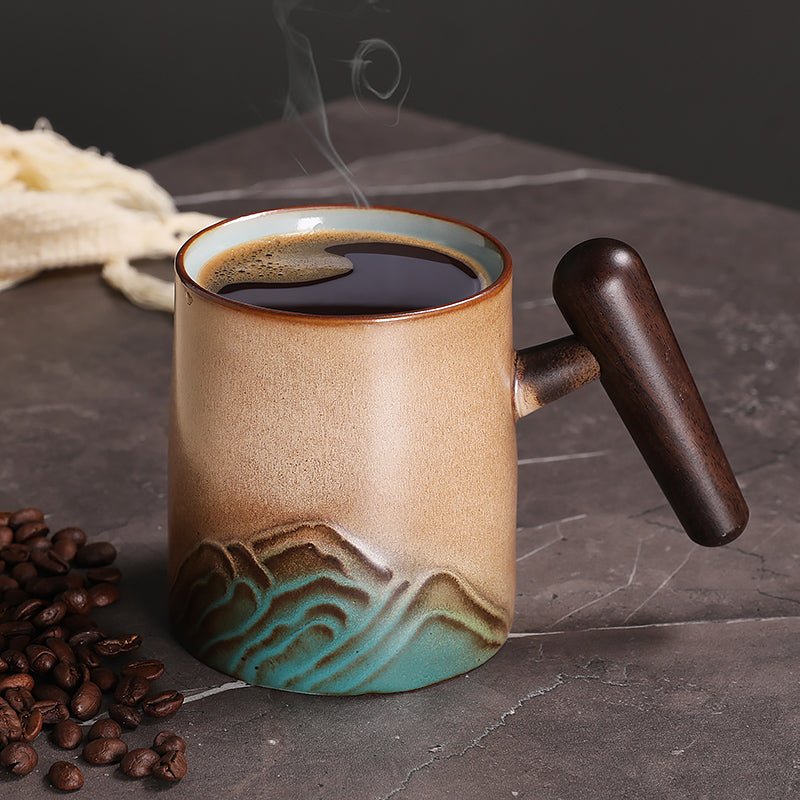
Donald Trump Coffee Mug: What to Check Before You Buy
A practical buyer’s guide to choosing a Donald Trump coffee mug with the right size, print quality, and everyday durability. We cover real trade-offs so you can pick a mug that fits your desk, dish...
Czytaj dalej
Zostaw komentarz
Ta strona jest chroniona przez hCaptcha i obowiązują na niej Polityka prywatności i Warunki korzystania z usługi serwisu hCaptcha.