
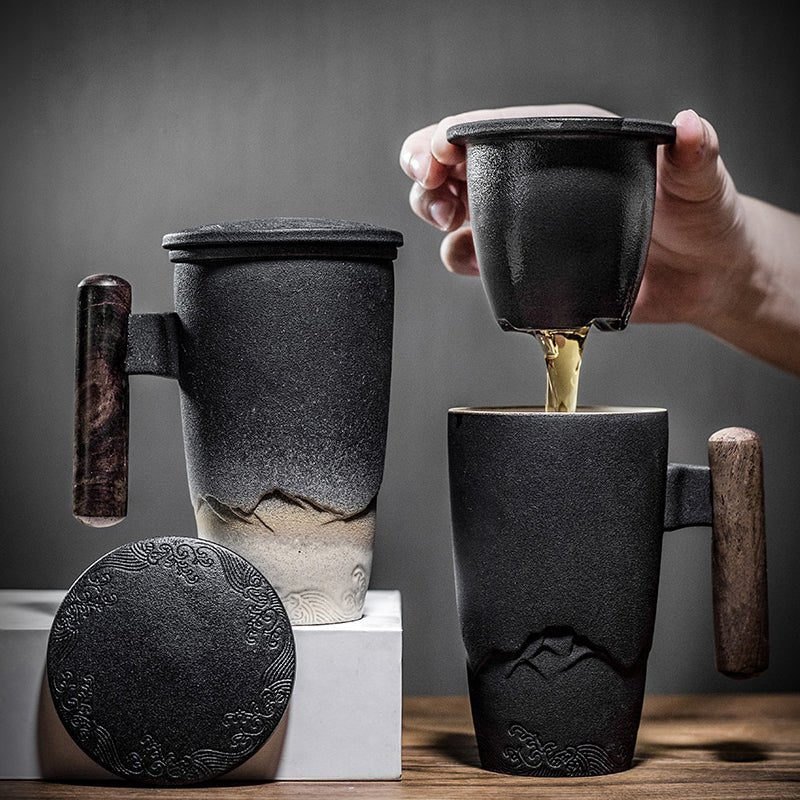
Coffee Mug Walmart: What to Check Before You Buy
Reading time: about 9 minutes
A coffee mug that looks fine in a product photo can feel wrong the moment you hold it at the kitchen sink. The handle may be too tight for two fingers, the rim may feel thick on the lip, or the base may wobble on a desk that already sees too many spills.
That is the gap we try to close in our store. If you are comparing a coffee mug walmart shoppers might pick up quickly against a mug you plan to use every day, the details below are the ones worth checking first: size, material, care, and how the mug actually behaves after a few dishwasher cycles.
What should you check first on a coffee mug walmart listing?
The first pass should not be about color or print. Start with the things that determine whether the mug will be comfortable and practical in your routine.
- Capacity: Make sure the listed ounce size matches how much you actually pour. A 10 oz mug is a different daily experience from a 16 oz mug.
- Material: Ceramic, stoneware, porcelain, and stainless steel all feel different in the hand and behave differently around heat.
- Care instructions: Check dishwasher and microwave guidance separately. A mug can be dishwasher-safe and still not be a good microwave option.
- Handle fit: A handle that looks stylish in photos can still be awkward if your fingers do not clear the opening comfortably.
- Base stability: A flat, even base matters on a desk, a tray table, or a crowded kitchen counter.
For shoppers comparing everyday sizes, our size-focused guides can help you narrow down what feels right: 10 oz Coffee Mug: Size, Fit, and What to Check Before You Buy, 11 oz Coffee Mug: Size, Fit, and What to Check Before You Buy, and 16 Ounce Coffee Mug Buyer’s Guide: Size, Material, and Fit.
Which mug size works best for coffee, tea, or office use?
Size is usually where buyers make the fastest mistake. A mug that feels generous in a listing can be underwhelming once you pour in milk or leave room for cream. We see this often with office buyers who want enough capacity for a long meeting, and with home buyers who want a mug that still fits under a brewer.
Here is the practical breakdown we use in our store:
| Size | Best for | Trade-off |
|---|---|---|
| 10 oz | Smaller pours, espresso-based drinks, compact cabinets | Can feel too small for a full morning coffee |
| 11 oz | Standard daily use, typical drip coffee servings | Not ideal if you add a lot of milk or like a larger refill |
| 12 oz | Balanced everyday mug size | Still may not be enough for long desk sessions |
| 14 oz to 16 oz | Longer drinks, tea, cocoa, and users who prefer extra room | Can feel bulky, and some brewers or shelves may not clear it |
If you want a deeper fit check before choosing, these guides are useful: 12 Ounce Coffee Mug Buying Guide: Size, Fit, and Best Uses, 12 oz Coffee Mug: Size, Fit, and What to Check Before Buying, 14 oz Coffee Mug: What Buyers Should Check Before They Buy, and 15 oz Coffee Mug: Size, Fit, and What Buyers Should Check.
Is ceramic, stoneware, or porcelain better for everyday use?
The material changes the feel more than most shoppers expect. In our experience, people notice the difference immediately when they lift the mug, take the first sip, and wash it after a couple of uses.
Ceramic is the broadest category. It is common, versatile, and usually the easiest starting point for everyday mugs. The trade-off is that quality can vary widely, so details like glaze consistency and rim finish matter.
Stoneware tends to feel heavier and sturdier in the hand. Many buyers like that solid feel on a home counter. The trade-off is weight; if you want a lighter mug for frequent one-handed use, stoneware may feel bulky.
Porcelain usually feels lighter and more refined. It suits people who want a cleaner sipping experience and a more delicate profile. The trade-off is that it may feel less rugged for rough office use or frequent stacking.
Stainless steel is a different category entirely. It is useful for travel or outdoor settings, but it is not the same experience as a classic coffee mug. It is usually not the right pick if you want a familiar ceramic-style cup for the kitchen or desk.
We do not treat one material as universally better. A mug that feels right on a breakfast table can be a poor fit for a desk, and a travel-style cup is not a substitute for a real mug if you care about taste and mouthfeel.
What defects or quality issues should you look for before buying?
This is where practical buying habits save disappointment. We inspect mugs for the issues shoppers usually discover too late: a handle that is slightly off-center, a rim that feels uneven, or a base that rocks when set down.
Common issues to check for include:
- Hairline cracks: These can worsen with heat changes and should not be ignored.
- Uneven glaze: Thin or patchy glaze can affect appearance and, in some cases, the feel of the rim.
- Wobbly base: A mug that does not sit flat is annoying on a desk and more likely to tip.
- Poor handle clearance: If your knuckles hit the mug body, the mug will feel cramped every day.
- Print wear: Decorative graphics can fade or chip sooner if the mug is not well finished.
When a mug is meant for gift-giving, these details matter even more. The first unboxing is part of the product experience. A clean glaze, a steady base, and a comfortable handle tell the buyer that the mug was made to be used, not just photographed.
How should you care for a mug so it lasts?
Care is simple, but the small habits matter. We tell shoppers to treat a mug like a daily-use item, not a display piece, unless it is specifically decorative.
- Wash it promptly after coffee or tea, especially if you use darker roasts or tannin-heavy tea.
- Use the dishwasher only if the listing confirms it is safe for that finish and decoration.
- Avoid sudden temperature changes, like moving a very hot mug into cold water right away.
- Check the rim and handle after a few uses, especially if the mug gets heavy daily wear.
- If the mug has printed graphics, be conservative with abrasive scrubbers.
A mug that is microwave-safe can still feel unpleasant if the handle gets hot or the base overheats. That is why care guidance should be read alongside material and size, not by itself.
What kind of buyer should choose a coffee mug from a retail store, and who should look elsewhere?
A retail-style coffee mug works well if you want something practical, familiar, and easy to replace. It is a good fit for kitchen use, office desks, housewarming gifts, and everyday drinkers who want a straightforward mug rather than a specialty vessel.
It is not the best choice if you need one of these:
- A sealed travel mug for commuting
- A very thin cup for formal tea service
- A large insulated cup for keeping drinks hot for hours
- A highly specialized brewing cup with exact measurements for espresso or pour-over workflows
If your goal is a simple, dependable mug selection, our current product lineup is here: browse our mugs. If you want to compare everything in one place, start with our full collection.
How do our mugs compare with a typical coffee mug walmart shopper might consider?
We look at mugs the same way a customer does after the purchase, not just on the product page. That means asking whether the mug is comfortable to hold, whether it fits the way they drink coffee, and whether it will still look good after regular washing.
That comparison usually comes down to a few points:
- Comfort: Some mugs look good but are awkward to grip.
- Finish: A smooth rim and even glaze matter more than flashy graphics.
- Use case: A desk mug is different from a kitchen mug, and both are different from a travel cup.
- Longevity: The finish, base, and handle joints need to hold up through repeated use.
If you are cross-shopping based on size alone, the 11 oz, 12 oz, and 16 oz guides above are the fastest way to rule out mugs that will feel wrong in daily use. That is usually where the buying decision gets clearer.
Frequently asked questions
What size coffee mug is closest to a standard coffee mug walmart listing?
Most shoppers think of 11 oz or 12 oz as the standard range for a daily mug. That size usually works well for drip coffee with a little room left at the top. If you like larger pours or add a lot of milk, move up to 14 oz or 16 oz instead.
Are coffee mugs from Walmart usually microwave safe?
Some are, but not all. The safest check is the product listing and care label, because the mug body, glaze, and printed decoration can affect microwave use differently. If a mug has metallic accents or unclear care instructions, do not assume it is microwave safe.
What material is best for an everyday coffee mug?
Ceramic and stoneware are the most common everyday picks because they are familiar, easy to use, and comfortable at home or in the office. Porcelain is a good option if you want a lighter feel. If you need something for travel, stainless steel makes more sense than a standard mug.
How do I know if a mug will fit comfortably in my hand?
Check the handle shape, the finger opening, and the mug's overall weight. If the handle looks narrow or the mug body seems thick, it may feel cramped during regular use. A mug should feel stable when lifted with one hand and should not force your knuckles into the cup body.
What should I buy if I want a mug for both coffee and tea?
A 12 oz to 14 oz mug is usually the safest range for both drinks. It gives enough room for tea bags, milk, or a larger pour without feeling oversized for coffee. If you prefer large tea servings, a 16 oz mug may be a better fit.
If you are narrowing down your choice, use this quick check before you buy: size first, material second, care instructions third, then handle comfort and base stability. If you want to compare options side by side, start with our mugs and use the size guides above to match the mug to your daily routine.
Read more
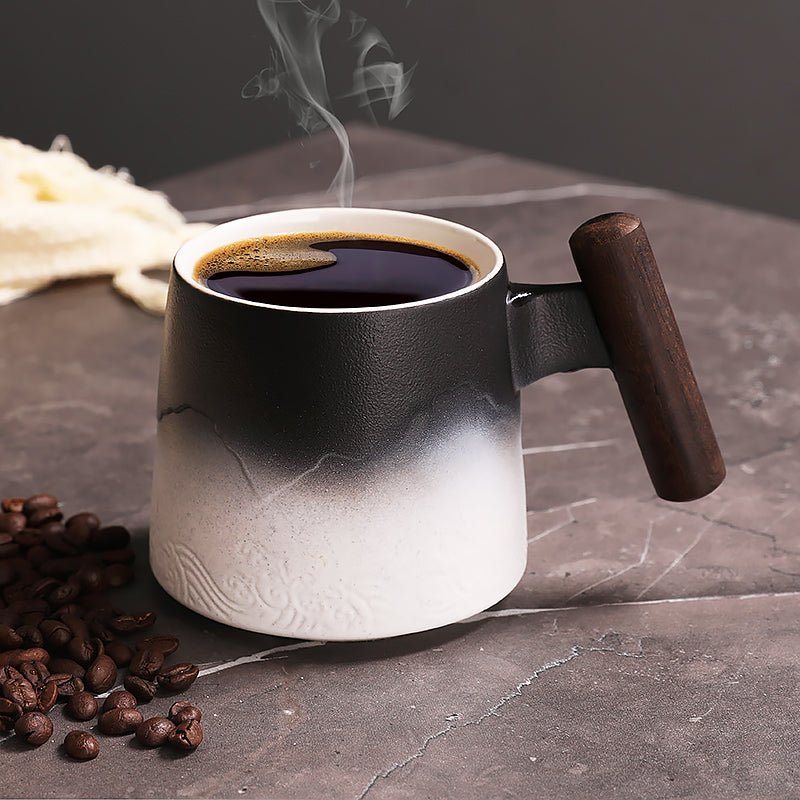
Coffee Mug Stand Buying Guide: Fit, Materials, and Best Uses
A coffee mug stand should solve a real storage problem without taking over your counter. Here’s how we judge fit, material, stability, and the setups that make sense in a kitchen or office.
Czytaj dalej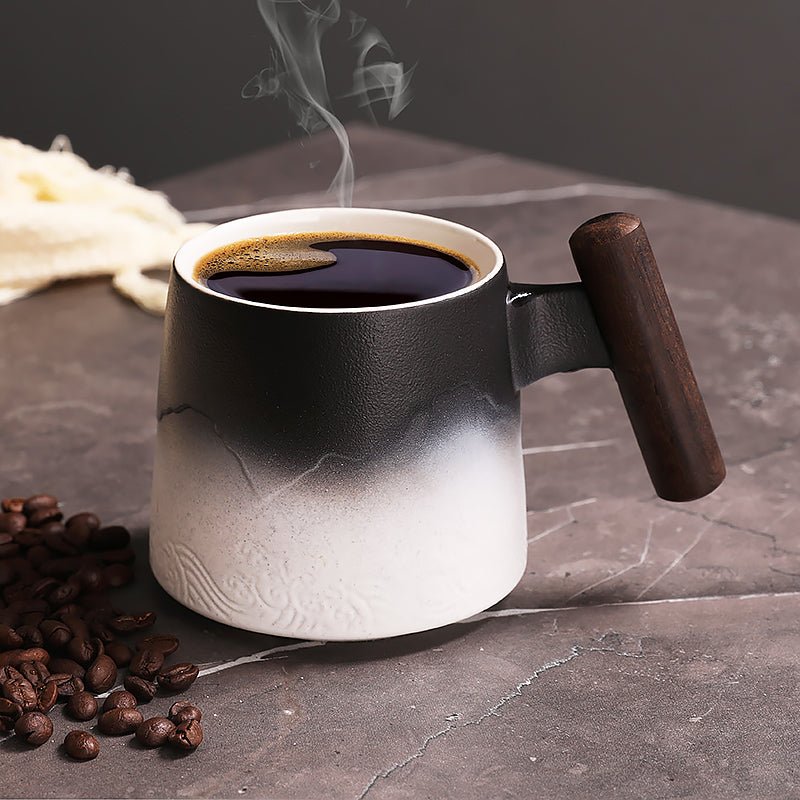
Cordless Coffee Mug Warmer: What Buyers Should Check Before They Buy
A cordless coffee mug warmer makes sense if you want a warm second pour on a desk, nightstand, or kitchen counter without a visible cord. We break down the trade-offs, fit checks, and when a plug-i...
Czytaj dalej
Zostaw komentarz
Ta strona jest chroniona przez hCaptcha i obowiązują na niej Polityka prywatności i Warunki korzystania z usługi serwisu hCaptcha.