
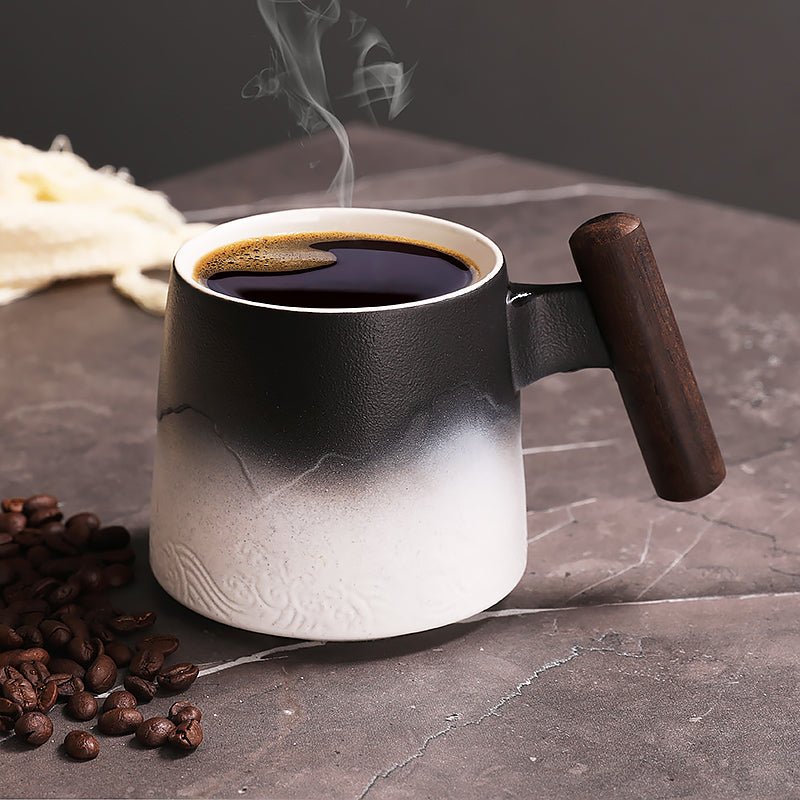
Coffee Mug Wall Hanging: What to Buy for a Secure Display
Reading time: about 9 minutes
A coffee mug wall hanging looks tidy right up until the handles are crowded, one mug sits too high for the shelf above it, or a heavier cup starts swinging every time someone grabs it for a refill. We see that problem often in our store: the display looks simple on paper, but the daily use test is where the wrong mug shape shows itself.
If you are building a wall-mounted coffee corner, start by comparing the mugs themselves, not just the rack. Our full mug collection is the easiest place to compare silhouettes first, and if you want a few specific examples, look at the Great Mountain Coffee Tea Mug, Emerald Coffee Tea Mug, and Landscape Tall Coffee Tea Mug as you decide what will actually hang cleanly and still be comfortable to use.
If you are still deciding on the hardware side, our related guide Coffee Mug Wall Hanging: What to Check Before You Buy covers the rack and spacing side in more detail. For the rack itself, Hanging Coffee Mug Rack: Fit, Materials, and Buying Guide is the next read we would hand someone setting up a real kitchen, not a styled photo.
What problem does a coffee mug wall hanging actually solve?
The main job is to free counter space without making your mugs harder to reach. A good wall setup keeps the coffee station compact, keeps handles visible, and makes it easier to grab the same mug every morning without moving a stack of cups first. That matters in small kitchens, office break rooms, and guest spaces where the mug collection needs to look intentional instead of crowded.
There is also a visual payoff. A row of mugs on hooks or a rail can turn a plain backsplash into part of the room’s design. The catch is that the display has to work at arm’s length, not just from across the room. If the mugs rattle, tilt, or overlap too much, the wall looks messy fast.
Our practical rule: if the hook catches the handle cleanly and the mug settles without twisting, the setup usually feels right in daily use.
This is why we tell buyers to think about function first. A wall hanging is not just decor. It should still let you rinse, dry, store, and grab the mug with one hand while the other hand is busy with coffee, a spoon, or a laptop.
Which mug shapes hang and display the cleanest?
The easiest mugs to hang are the ones with a clear handle opening, a balanced base, and a shape that does not fight the hook. In our experience, most people run into trouble with mugs that are either too tall for the vertical space or too rounded to sit securely on a hook without sliding.
Here is the practical breakdown we use:
- Standard ceramic mugs: Usually the easiest fit for a coffee mug wall hanging because the handle is easy to catch and the base sits predictably.
- Tall mugs: They look sharp on a wall, but they need more clearance above and below. If your rack sits close to a shelf, tall mugs can tap the underside.
- Wide mugs or bowls disguised as mugs: These can look nice on a table, but they often feel bulky on hooks and may swing more.
- Decorative mugs with delicate finishes: They can work for display, but repeated grabbing, rinsing, and dishwasher cycles can show wear sooner.
Materials matter too. Ceramic and stoneware are common for wall-display mugs because they feel solid and handle everyday use well. They are not identical, though. Stoneware often feels heavier in the hand, which means the wall hardware has to be secure. Lighter ceramic is easier to live with on a hook, but a fragile glaze or thin handle can be the weak point instead.
We also pay attention to the handle itself. If two fingers fit comfortably through the handle, the mug is usually easier to pull off a hook without knocking the neighboring cup. If the handle is tight or oddly angled, the mug may still hang, but it is less pleasant in daily use.
What hardware and spacing keep the display usable?
A wall-mounted mug display fails when the hardware is chosen for looks only. The rack, hooks, and wall anchors should match the actual mug you plan to use, not just the size of the empty wall. If you want the setup to hold up through breakfast rushes and dishwasher cycles, keep the installation practical.
Use this checklist before you commit:
- Check the hook shape. The mug handle should seat naturally on the hook without forcing the cup to twist sideways.
- Leave room between mugs. Crowding leads to chipped glaze, clinking, and mugs bumping the wall.
- Match the anchor to the wall type. Drywall, tile, and wood all need different hardware. A heavy stoneware mug should not rely on a weak fastener.
- Confirm vertical clearance. Tall mugs need more headroom, especially under shelves or cabinets.
- Think about hand clearance. You should be able to lift a mug off the hook without scraping the neighboring handle.
Spacing is the detail people skip and regret later. Too close, and the mugs stop feeling curated. Too far apart, and the wall starts to look like random single cups instead of a planned coffee station. The best setup usually lands in the middle: enough breathing room for easy use, but tight enough to feel organized.
One more real-world point: if the display sits above a sink, dishwasher, or kettle, use finishes that are forgiving. Glossy mugs can show water spots. Matte surfaces can show fingerprints. Neither is wrong, but each finish asks for a different level of upkeep.
Which mugs from our store fit a wall display best?
We look at mug shape and everyday handling first, then visual style. That is the safest way to choose a cup that will still feel good after the first week of use. The three mugs below are useful comparison points because they cover different display needs without forcing you into a one-size-fits-all choice.
| Mug | Why it works on a wall display | Trade-off to keep in mind |
|---|---|---|
| Great Mountain Coffee Tea Mug | A balanced everyday option if you want a calm, reliable shape that fits a practical kitchen wall. | Less dramatic if you want the mugs themselves to carry most of the visual interest. |
| Emerald Coffee Tea Mug | Useful when the display needs a stronger color accent and a little more personality against a neutral backsplash. | Brighter color can show water spots or fingerprints more quickly than a subdued finish. |
| Landscape Tall Coffee Tea Mug | Good if you want a vertical silhouette that reads cleanly in a narrow coffee station. | Needs more headroom and can feel cramped under shallow shelves. |
If we were setting up a guest kitchen or an office coffee corner, we would usually choose one mug shape for the daily-use row and a second shape only if the rack has room for it. That keeps the display from looking chaotic. Mixing too many heights is a common mistake. It may look interesting in a product photo, but in a real kitchen it often feels busy.
The same logic applies to a gift purchase. If the mug is going into a home where the recipient already has a wall rack, choose a shape that is easy to hang and easy to wash. The most attractive mug is not always the best wall mug. The best one is the one that can be used three or four times a week without causing annoyance.
What should you avoid if you want the wall display to stay practical?
There are a few things we would avoid, even if they look good in photos. First, do not choose mugs that barely clear the hook. A fit that feels tight on day one usually becomes irritating after a few weeks of use. Second, avoid very heavy mugs if the wall hardware is lightweight or if the anchor quality is uncertain.
These are the most common problem modes we see:
- Overly large handles: They can look elegant but may cause the mug to hang awkwardly or swing wider than expected.
- Very tall profiles in low-clearance spaces: They knock into shelves, cabinets, or the underside of a mount.
- Fragile decorative rims: They can chip faster when mugs are removed and returned every day.
- Mixed mug styles without a plan: The wall starts to feel random instead of deliberate.
- Wrong wall hardware: A good mug cannot fix a weak anchor.
There is also a trade-off between display and convenience. A wall mug setup is not the best answer if you want to rotate very delicate cups, oversized latte bowls, or travel mugs with insulated bodies. Those are usually better stored in a cabinet, on open shelving, or in a drawer divider system. Wall hanging works best for mugs you actually want to reach every day.
If you need more help deciding on the storage side, the guide Wall Mounted Coffee Mug Holder Buying Guide for Real Kitchens is a good companion piece. It focuses on the fit and layout questions that show up once you move from idea to installation.
Frequently asked questions
What kind of mug works best for a coffee mug wall hanging?
A standard ceramic mug with a comfortable handle and a balanced base is usually the easiest choice. It should sit securely on a hook without twisting, and it should be comfortable to remove with one hand. Tall or oversized mugs can work too, but they need more clearance and better spacing.
Will a ceramic mug be too heavy for a wall hook?
Not usually, as long as the wall anchor and hook are appropriate for the load. The bigger issue is not the ceramic itself, but whether the hardware is mounted correctly and whether the mug shape hangs cleanly. Heavier stoneware needs a more careful setup than a light cup.
How much space should I leave between mugs on a wall rack?
Leave enough room so the handles do not touch and the mug bodies do not tap the wall or each other when you lift one off the hook. Exact spacing depends on mug width and hook style, but the goal is simple: easy grab, no clinking, no crowding. If the rack looks packed, it is probably too tight for regular use.
Can I use my everyday mugs on a wall display?
Yes, and that is usually the best use case. Just choose mugs that can handle regular washing, easy removal, and repeated handling without showing wear too quickly. If the mug has a delicate finish or an unusually fragile handle, we would keep it for occasional use instead of daily hanging.
What should I avoid if I want the mugs to stay secure?
Avoid hooks that barely catch the handle, weak wall anchors, and mug shapes that swing too much when lifted. Also avoid crowding the rack with too many different heights. A secure coffee mug wall hanging is usually the result of simple, boring details done right.
If you want the fastest next step, compare your current mug shape against the examples in our full mug collection, then choose the profile that matches your wall clearance and daily use. If you are building from scratch, the safest starting point is a mug that hangs cleanly, washes easily, and does not force you to fight the rack every morning.
Read more
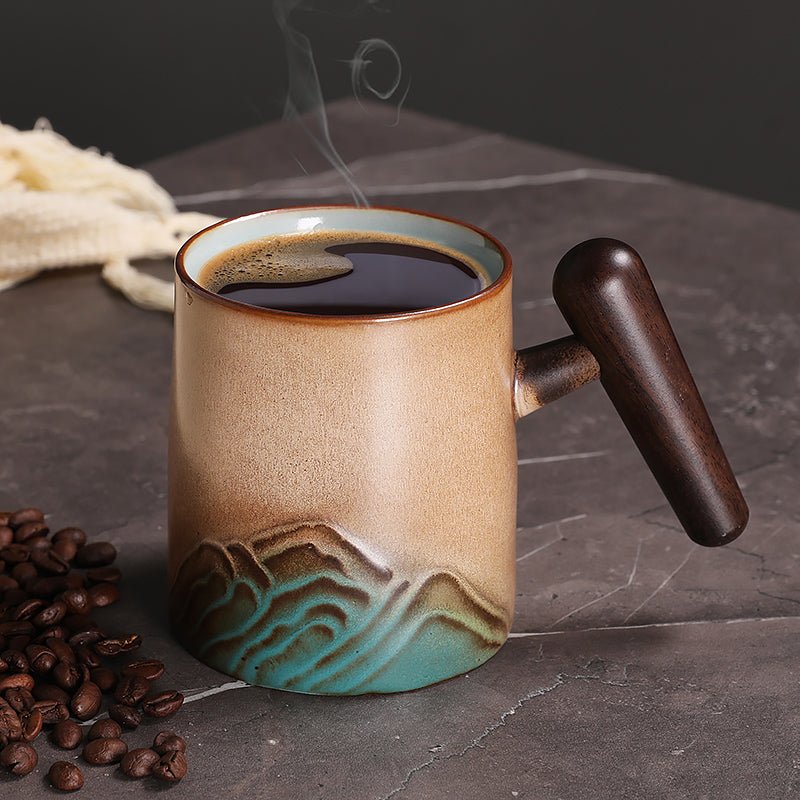
Bigfoot Coffee Mug: What to Check Before You Buy
A practical buying guide for shoppers comparing a bigfoot coffee mug for daily coffee, gifting, or display. We cover size, material, print durability, and the trade-offs that matter before you buy.
Czytaj dalej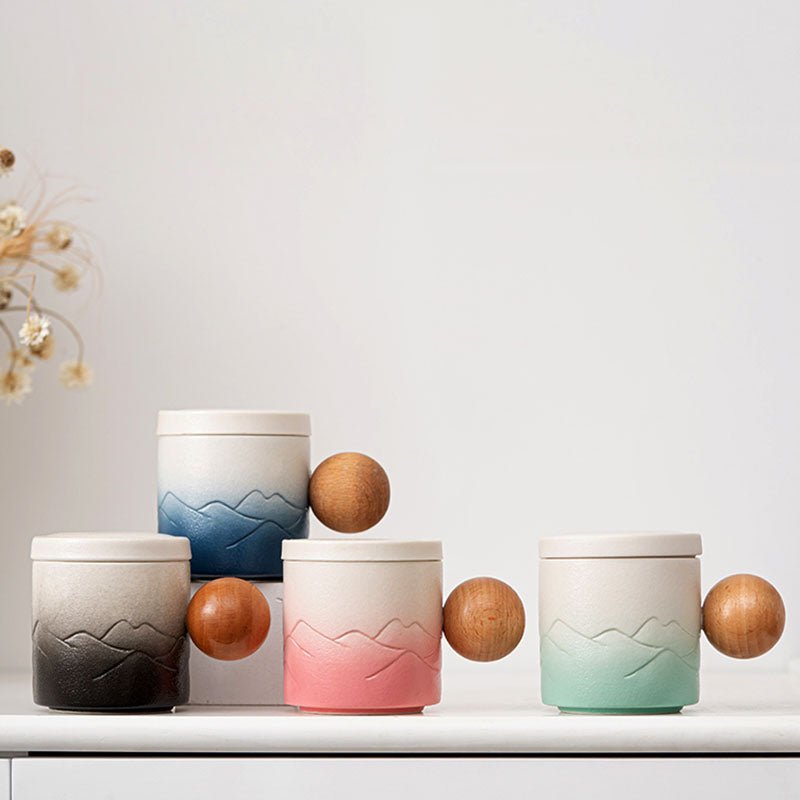
Small Coffee Mugs: How to Choose the Right Size and Style
Small coffee mugs work well for espresso, short pours, tea, and compact kitchens, but the right pick depends on size, material, handle comfort, and care. This guide shows what to check before you buy.
Czytaj dalej
Zostaw komentarz
Ta strona jest chroniona przez hCaptcha i obowiązują na niej Polityka prywatności i Warunki korzystania z usługi serwisu hCaptcha.