
Coffee Mug Sublimation: What Works, What Fails, and What to Buy
Reading time: about 8 minutes
A mug can look perfect on a product page and still print badly if the blank, coating, and press setup do not line up. That is the real lesson behind coffee mug sublimation: the artwork matters, but the surface matters more.
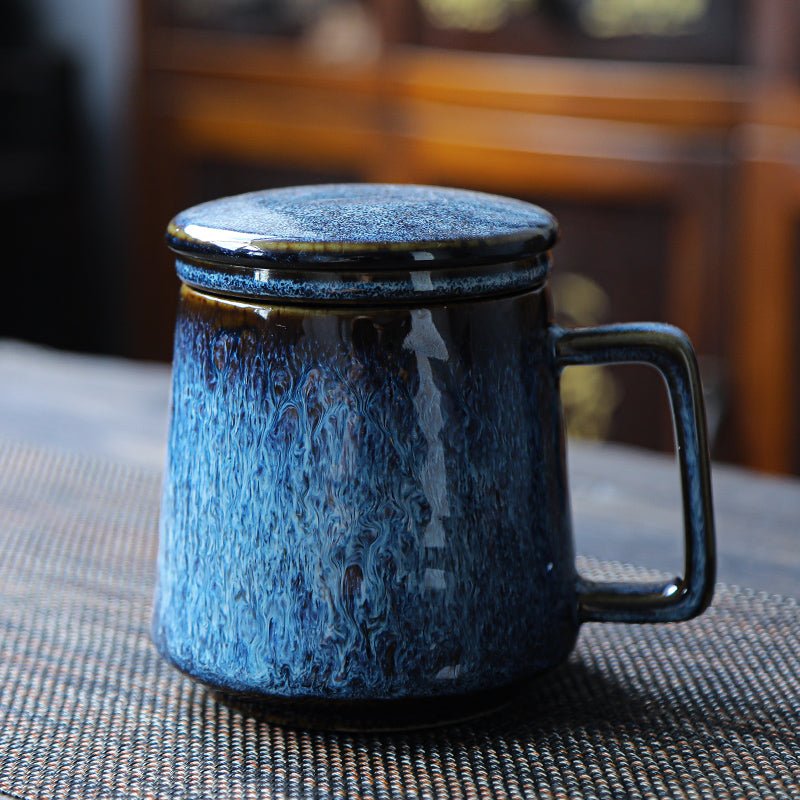
In our store, we see shoppers get better results when they start with the right mug first, then build the design around it. If you want to compare options quickly, browse our full mug collection, or look at the Mountain Coffee Tea Mug, Great Mountain Coffee Tea Mug, and Emerald Coffee Tea Mug as examples of how shape and presentation change the final result. If you want a deeper breakdown of common outcomes, our guide Coffee Mug Sublimation: What Works, What Fails, and What to Buy covers the basics from a buyer's point of view.
What does coffee mug sublimation actually need to work well?
Coffee mug sublimation depends on a coated surface that can accept the dye when heat and pressure are applied. A standard ceramic mug without a sublimation coating will not behave the same way, even if it looks smooth and glossy. The coating is the part that receives the ink, so the mug blank is not just packaging. It is the actual substrate the print has to bond to.
For clean results, we look for four things every time:
- A coated ceramic blank: the surface needs a polyester-based receptive layer, not just a shiny glaze.
- Even heat: the mug press has to wrap the print area consistently, especially around the center curve.
- Clean contact: dust, lint, fingerprints, or tape residue can show up as pale spots or halos.
- Mirrored artwork: text and logos must be flipped before pressing, or they will read backwards.
That is why coffee mug sublimation is strong for names, logos, simple artwork, and full-color photos on light backgrounds. It is not the right choice for a dark, uncoated mug, and it is usually a poor fit for heavily textured surfaces. If the buyer wants a black mug with a white graphic, a different decoration method is usually the better path.
Which mug shapes and sizes print cleanest?
Shape affects both the print and the buyer's daily experience. A straight-sided mug is usually easier to press because the transfer stays in closer contact across the full design area. A taper, a narrow foot, or a pronounced shoulder can create more alignment work and a greater risk of distortion near the top or bottom edge.
That is why a lot of first-time buyers end up happiest with the familiar 10 oz to 12 oz range. The mug feels normal in the hand, fits most coffee stations, and still gives enough surface area for a readable name, logo, or scenic design. If you are comparing sizes, our related guides on 11 oz Coffee Mug: Size, Fit, and What to Check Before You Buy and 12 oz Coffee Mug Buying Guide for Fit, Comfort, and Daily Use are useful if you want to match the mug to desk use, gift use, or everyday kitchen storage.
| Mug type | Why it prints well | Trade-off |
|---|---|---|
| Straight-sided white ceramic | Best for full wraps, text, and clean logo placement | Less visual character if the buyer wants a decorative shelf piece |
| Slightly tapered ceramic | Looks more styled and gift-ready | More chance of edge distortion near the rim or base |
| Colored ceramic mug | Can make a mug feel more premium as an object | Not ideal for every design, especially if the artwork needs a bright white field |
| Textured or embossed exterior | Can be attractive as a product on its own | Poor choice for sublimation because texture interrupts contact and can soften the transfer |
For us, the practical rule is simple: if the mug surface is smooth, light, and evenly coated, the print has a better chance of looking crisp on a kitchen counter or office desk. If the surface is shaped for style first and print second, expect more trial and error.
What usually goes wrong during pressing?
Most coffee mug sublimation problems are visible before the mug ever leaves the press. The transfer may be slightly off-center, the blacks may look gray, or one side of the image may appear softer than the other. Those are not random defects. They usually point to pressure, moisture, or setup issues.
The most common failure modes we see are:
- Ghosting: the paper shifts during the press and leaves a blurry double edge.
- Faded color: the blank was not hot enough, the dwell time was off, or the coating is weak.
- Banding or uneven coverage: pressure was not consistent across the curved surface.
- Pinhole spots: dust, lint, or trapped moisture blocked dye transfer in small points.
- Clamp marks: the mug press was too tight or the blank shape did not match the press profile well enough.
The simplest prevention is a clean routine. Preheat the mug if your process calls for it, use fresh transfer paper, tape the wrap securely, and keep the work surface free of lint and moisture. If you want a straightforward explanation of what tends to succeed and what tends to fail, our article Coffee Mug Sublimation: What Works, What Fails, and What to Buy is the best place to start.
How should a sublimated mug be washed and used?
A properly pressed sublimated mug can be used for normal coffee and tea, but the finish still benefits from gentle handling. We tell customers to let the mug cool before washing it, avoid abrasive scrubbers, and use mild detergent rather than harsh cleaners. If the blank and print system are rated for dishwasher use, that is a bonus, not a reason to treat the mug like a metal tumbler.
There are a few real-world habits that help the print last longer:
- Do not stack a newly pressed mug until it has fully cooled.
- Wash off coffee oils soon instead of letting them bake on.
- Store the mug where it will not chip against heavy stoneware.
- Avoid sudden temperature swings, such as going from a hot dishwasher to a cold counter.
If a buyer wants a mug for heavy daily abuse with no care at all, coffee mug sublimation is not the first decoration method we would point them to. For office desks, gift boxes, and normal home use, it is a solid fit. For rough kitchen handling or constant industrial dishwashing, a different decoration route may be more practical.
Which CoffeifyMug options make sense for gifts and everyday use?
Some mugs are chosen for print compatibility. Others are chosen because they feel right when someone opens the box. That second part matters more than shoppers expect. We see it in gift unboxings all the time: the mug that looks good on a phone screen may not feel as satisfying in the hand, while the one with the cleaner silhouette becomes the one people reach for every morning.
Here is the simplest way to think about our current options:
- Mountain Coffee Tea Mug: a good match if you want a mug that feels grounded and easy to style with scenic art, names, or a clean logo.
- Great Mountain Coffee Tea Mug: useful when you want the mug itself to carry a little more visual presence on a shelf or gift table.
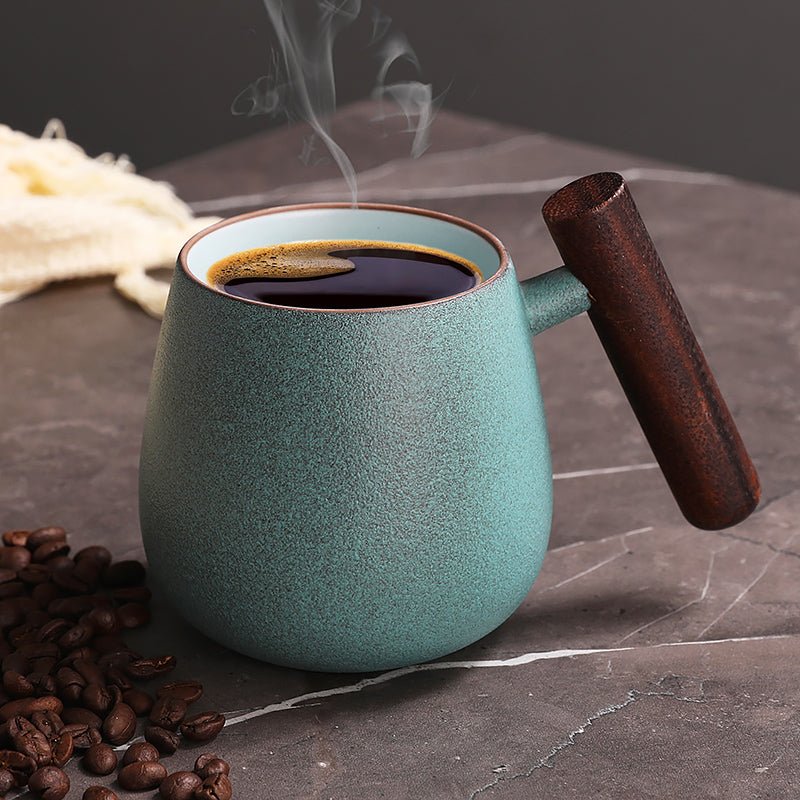
- Emerald Coffee Tea Mug: a stronger choice when you want color to be part of the presentation, especially for simple artwork with high contrast.
None of those are the right pick for every design. If your artwork depends on a lot of bright white space, a colored mug can change the whole look. If you want the transfer to do all the work, a lighter blank is usually safer. That trade-off is normal, and it is why we suggest checking the mug finish before choosing the artwork instead of the other way around.
What should you check before you place an order?
Before you buy a mug for coffee mug sublimation, run through a short checklist. It prevents most disappointments and helps you match the blank to the use case, not just the photo.
- Check the surface: Is it smooth and coated for sublimation, or just regular ceramic?
- Check the shape: Does it have a straight enough wall for the design you want?
- Check the size: If you are choosing between sizes, compare the fit guides first and think about desk use versus home use.
- Check the artwork: Will the design still read clearly if the mug is small, curved, or color-tinted?
- Check the care plan: Is this a gift mug, an office mug, or a daily driver that will see frequent washing?
If you are still deciding, the easiest next step is to compare mugs by shape and finish in our full collection, then narrow it down using the checklist above. That gives you a realistic view of what will print cleanly and what will only look good in a mockup.
Frequently asked questions
What mug material is best for coffee mug sublimation?
Coated ceramic is the standard choice. The coating is what receives the dye, so a plain uncoated ceramic mug will not give you the same result. For most buyers, smooth glazed ceramic blanks are the safest starting point.
Can you sublimate on a black mug?
Not in the usual way. Sublimation works best on light or white surfaces because the ink is transparent after transfer. If you want a black mug with a bright graphic, choose a different decoration method or a mug made specifically for that effect.
Why does my sublimated mug look faded or blurry?
That usually comes from heat, pressure, or contact problems. The blank may not have been hot enough, the transfer may have shifted, or the surface coating may be weak. Moisture in the mug or dust under the wrap can also soften the print.
Are sublimated coffee mugs dishwasher safe?
Some are, but we do not treat that as automatic. The real answer depends on the blank, coating, and print system used. For the longest life, gentle washing is still the safer habit unless the supplier clearly states otherwise.
What size mug should I choose for a gift?
Most buyers are comfortable starting with the 10 oz to 12 oz range because it feels familiar and fits well on a desk or kitchen shelf. If you want a tighter, lighter feel, go smaller. If the mug is meant for daily coffee at home, a bit more capacity is often the better choice.
If you are comparing options now, start with the full mug collection, then check coating, shape, size, and care notes against the checklist above before you buy.
Read more
Stone Coffee Mugs Buying Guide: Size, Weight, and Finish
Stone coffee mugs can feel perfect or frustrating depending on weight, handle comfort, and glaze quality. This guide shows what to check before buying and which of our styles fits daily coffee, tea...
Czytaj dalej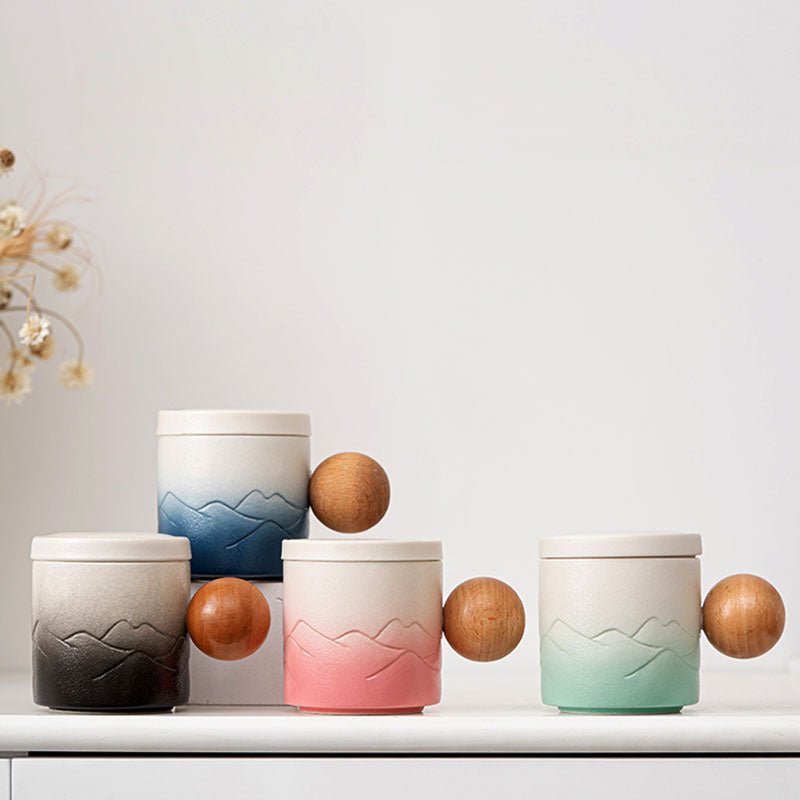
Sunflower Coffee Mug Buying Guide for Style, Size, and Daily Use
A practical guide to choosing a sunflower coffee mug for real daily use. Compare style, size, comfort, and care before you pick a mug that works on the counter, at the desk, and in the dishwasher.
Czytaj dalej
Zostaw komentarz
Ta strona jest chroniona przez hCaptcha i obowiązują na niej Polityka prywatności i Warunki korzystania z usługi serwisu hCaptcha.