
Coffee Mug Store Guide: How to Choose the Right Mug for Daily Use
Reading time: about 9 minutes
A mug looks right on a product page, then the first morning reveals the real test: the handle bumps your knuckle, the rim feels too narrow for a comfortable sip, or the base leaves a ring on a wet desk. That is why a coffee mug store should help you compare more than color. It should help you judge size, balance, finish, and cleanup before the box ever leaves the shelf.
At our store, we think about the moments that actually happen: a quick pour before a commute, a mug parked beside a laptop, a gift unboxed in the office kitchen, or a dishwasher cycle after a long day. Those situations expose the difference between a mug that just looks good and one that earns a permanent spot in the cabinet.
What should a coffee mug store help you compare first?
Start with the basics that affect daily use. We look at capacity, handle clearance, rim comfort, base stability, and how easy the mug is to clean after coffee, tea, or a milk drink. Color matters, but it is usually the last thing we compare in our store because the practical details decide whether the mug gets used every day or only on weekends.
The easiest way to shop is to compare a few mugs side by side in our all mugs collection, then narrow the field by size and shape. If you already know your preferred fill line, you will move faster and avoid buying a mug that looks right but feels awkward in the hand.
| What to check | What it should feel like | Why it matters |
|---|---|---|
| Capacity | Enough room for your usual pour without spilling over | Prevents overfilling and makes milk drinks easier to stir |
| Handle clearance | Room for two fingers without pinching | Helps the mug feel balanced and comfortable when full |
| Base and foot ring | Sits flat with no wobble | Better stability on desks, trays, and crowded counters |
| Glaze and rim | Smooth, even finish with no rough spots | Cleaner sip, easier washing, fewer early wear issues |
Which size fits your routine without wasting space?
Most buyers end up choosing between 10 oz, 11 oz, and 12 oz. That range is small on paper, but it changes how the mug feels in real life. A 10 oz mug can be a better fit for a straightforward drip coffee or tea service. An 11 oz mug gives a little more room without feeling oversized. A 12 oz mug is the safer pick if you like milk drinks, longer pours, or a little extra space for foam.
If you are deciding between those sizes, our sizing posts are worth a read: 10 oz Coffee Mug: Size, Fit, and What to Check Before You Buy, 11 oz Coffee Mug: Size, Fit, and What to Check Before You Buy, and 12 Ounce Coffee Mug Buying Guide for Daily Use and Better Fit.
There is a real trade-off here. Smaller mugs feel neater on a desk and can be easier to finish before coffee cools. Larger mugs hold more, but they also add weight and can crowd a compact cup warmer or a narrow capsule machine tray. If your machine has a low group head or tight clearance, the wrong mug size becomes annoying very quickly.
- Choose 10 oz if you want a compact daily mug and usually drink plain coffee or tea.
- Choose 11 oz if you want a balanced middle ground for home, office, and gift use.
- Choose 12 oz if you add milk, like a larger serving, or want more buffer against spills.
Which material and finish will feel best day to day?
Most shoppers compare mugs in the ceramic family: stoneware, porcelain, or a general ceramic build with a glazed surface. Each one behaves a little differently. Stoneware usually feels heavier and more substantial in the hand. Porcelain tends to feel lighter and a bit more refined. A standard ceramic mug often lands in the middle, which is why it works well for everyday use in kitchens and offices.
Finish matters just as much as material. A glossy glaze wipes clean more easily after coffee oils or tea tannin. A matte or textured finish can look sharp, but it may show fingerprints more readily and can require a little more care around the rim and handle. If a mug has metallic accents or specialty decoration, we treat it as a decorative piece first and a daily-use mug second unless the care instructions clearly say otherwise.
There are also a few common defect modes worth checking before you buy:
- Hairline crazing in the glaze, which can show up over time and is easier to spot under bright light.
- Small pinholes or glaze pops that collect residue near the surface.
- An uneven foot ring that makes the mug wobble on a flat counter.
- A handle with sharp inside edges or a grip that feels cramped once the mug is full.
These are not deal-breakers in every case, but they change how the mug feels after the first week of use. If you want a mug that lives on a keyboard-side desk or gets washed often, we favor a smooth glaze, a stable base, and a handle that does not force your fingertips into the cup wall.
Which mugs in our store make sense for different buyers?
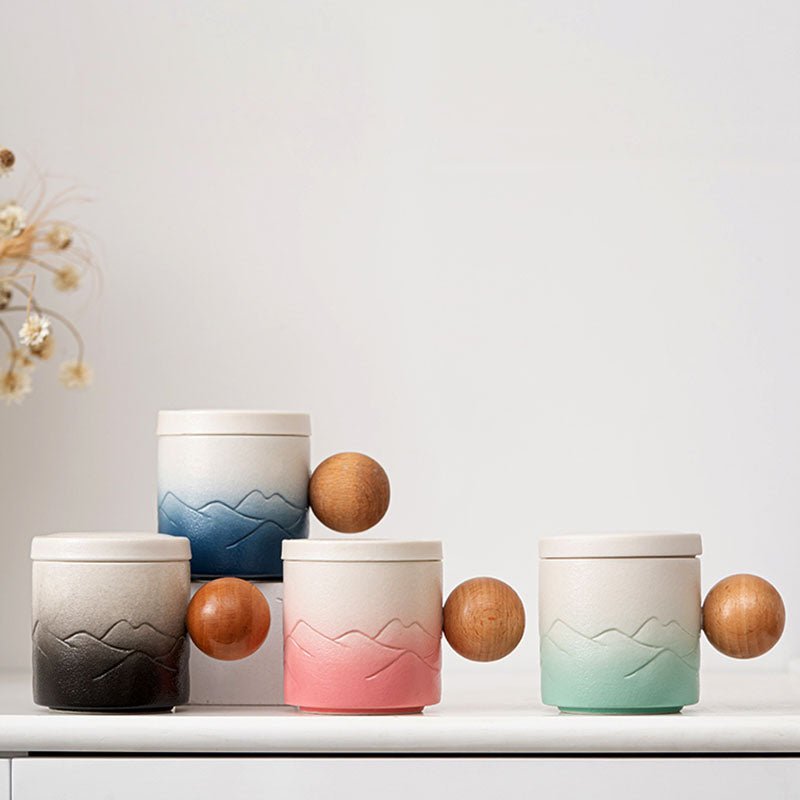
If you want a straightforward everyday option, start with the Mountain Coffee Tea Mug. If you want a similar utility with a slightly bolder look, compare it with the Great Mountain Coffee Tea Mug. If you prefer a cleaner color-forward choice, the Emerald Coffee Tea Mug is the one to examine first.
We do not treat any mug as the right answer for every buyer. A slim espresso cup will be better for short shots. A tall insulated travel mug is better for commuting. A big soup mug is better for leftovers. Our goal is to make the trade-offs clear so you can pick the mug that fits the routine you actually have.
For gift buyers, these styles are usually safer than novelty shapes because they work across more households. For office use, the simplest finish is often the easiest to keep clean after repeated dishwasher cycles. For home use, the deciding factor is usually how the mug feels at the lip and whether the handle stays comfortable when the cup is full.
What should you inspect before you checkout online?
We check the same few details every time because they are the ones that create returns and disappointment later. A mug can photograph well and still fail in daily use if the proportions are off or the finish is rough in the wrong place.
- Confirm the capacity against the drinks you actually make, not the size you wish you used.
- Check the handle opening and make sure it looks large enough for your hand, especially if you like a fuller grip.
- Look at the base and foot ring in the photos for any sign of wobble, uneven glazing, or sharp edges.
- Read the care notes carefully if you plan to use a dishwasher, microwave, or mug warmer.
- Decide whether the mug is meant for daily use, display, or gifting, because those three uses do not require the same finish.
If you want more capacity-specific context, our other guides can help you compare fit before you buy, including 10 oz Coffee Mug: What Fits, What Doesn't, and What to Buy and 12 oz Coffee Mug: Size, Fit, and What to Check Before Buying. Those posts are useful if you are already down to two sizes and want to avoid guessing.
How should you care for a mug so it lasts?
A good mug should survive normal dishwasher use, but it still benefits from sensible care. We recommend rinsing coffee residue soon after use so oils do not sit in the glaze. If the mug has any specialty decoration, hand washing is the safer choice. Abrasive scrubbers can dull a glossy surface and make the rim feel less polished over time.
Thermal shock is another issue people forget about. Taking a mug from a cold cabinet to boiling water, or from a freezer to a hot rinse, can stress the body and glaze. That does not mean you need to baby it. It just means a steady temperature change is easier on the mug than an abrupt one.
A few practical habits help more than most shoppers realize:
- Use a soft sponge on the inside instead of a harsh pad.
- Dry the base before stacking so water does not sit on the foot ring.
- Avoid overloading the dishwasher rack so the mug does not knock into other dishes.
- Store it where the handle will not be hit by heavier items sliding past it.
We see the same pattern in customer feedback and in our own handling: the mugs that last are usually the ones with balanced weight, a smooth glaze, and a handle that feels right after the cup is full, not just when it is empty.
Frequently asked questions
What size coffee mug is best for daily drip coffee?
For most daily drip coffee, 10 oz to 12 oz is the practical range. A 10 oz mug feels compact and controlled, while 11 oz or 12 oz gives more room if you top off with milk or like a fuller pour. The right pick depends on how much slack you want before the mug feels crowded.
Are ceramic coffee mugs dishwasher safe?
Many ceramic mugs are dishwasher safe, but you should still check the care notes. Specialty decals, metallic accents, and some matte finishes may last longer with hand washing. If a mug will live in an office kitchen or get used daily, dishwasher compatibility is worth confirming before you buy.
What makes a mug feel comfortable to hold?
Handle clearance and balance matter most. A comfortable mug usually gives your fingers enough room without forcing them against the cup wall, and it should not feel top-heavy once filled. A stable base and a smooth rim help too, especially during long mornings at a desk.
Why do some mugs rock on the counter?
That usually comes down to an uneven foot ring or a base that was not finished cleanly. A little wobble is annoying on a kitchen counter and more obvious on a glass desk or tray. If a mug rocks in product photos or has an uneven bottom edge, we treat that as a red flag.
Is a bigger mug always better?
No. Bigger mugs hold more, but they also add weight, take more cabinet space, and can be awkward with some coffee machines. If you mostly drink a standard pour, a larger mug can feel bulky instead of useful. The best mug is the one that matches your drink, your hand, and your machine.
If you want to compare styles side by side, start with our all mugs collection, then check the size guides and product pages that match your routine. That order will save you from buying a mug that looks right online but misses the mark on your counter.
Read more
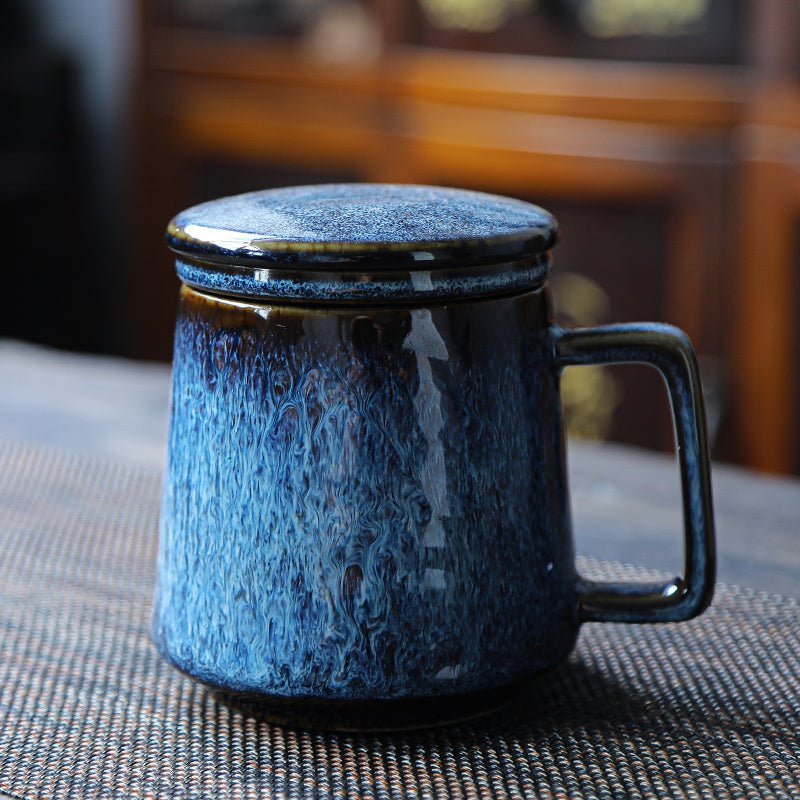
Coffee Mugs with Sunflowers: How to Choose Shape, Size, and Finish
Coffee mugs with sunflowers can brighten a shelf, but the real decision is fit, grip, and cleanup. We compare everyday shapes, gift-friendly options, and the details that separate a pretty mug from...
Czytaj dalej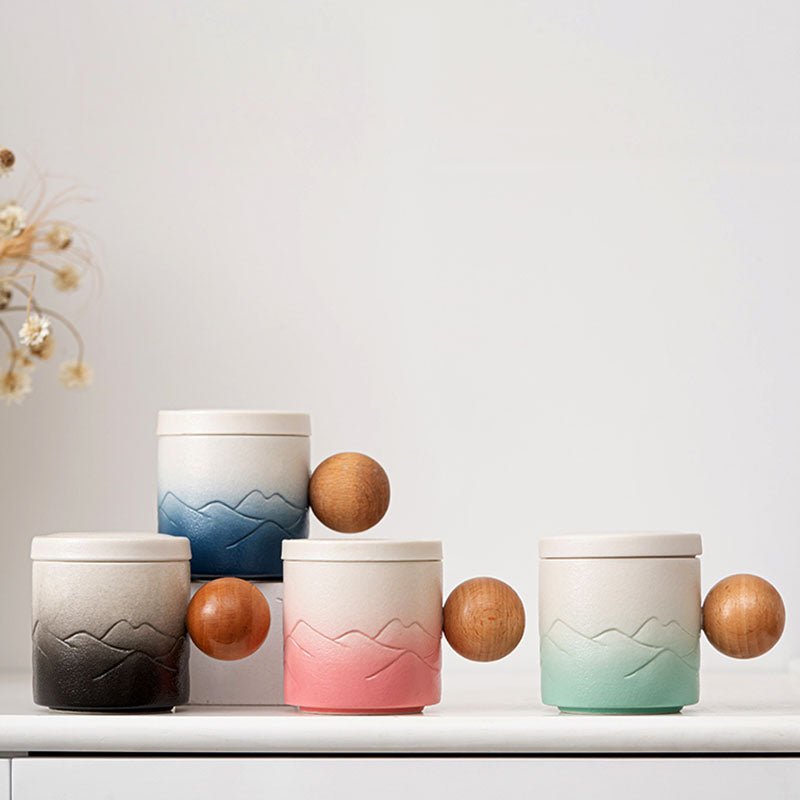
Best Coffee Mugs for Home: What to Buy for Daily Use
A practical guide to choosing the best coffee mugs for home, with clear trade-offs on size, shape, comfort, and cleanup. We compare the mug styles we stock and explain which ones fit real kitchens ...
Czytaj dalej
Zostaw komentarz
Ta strona jest chroniona przez hCaptcha i obowiązują na niej Polityka prywatności i Warunki korzystania z usługi serwisu hCaptcha.