
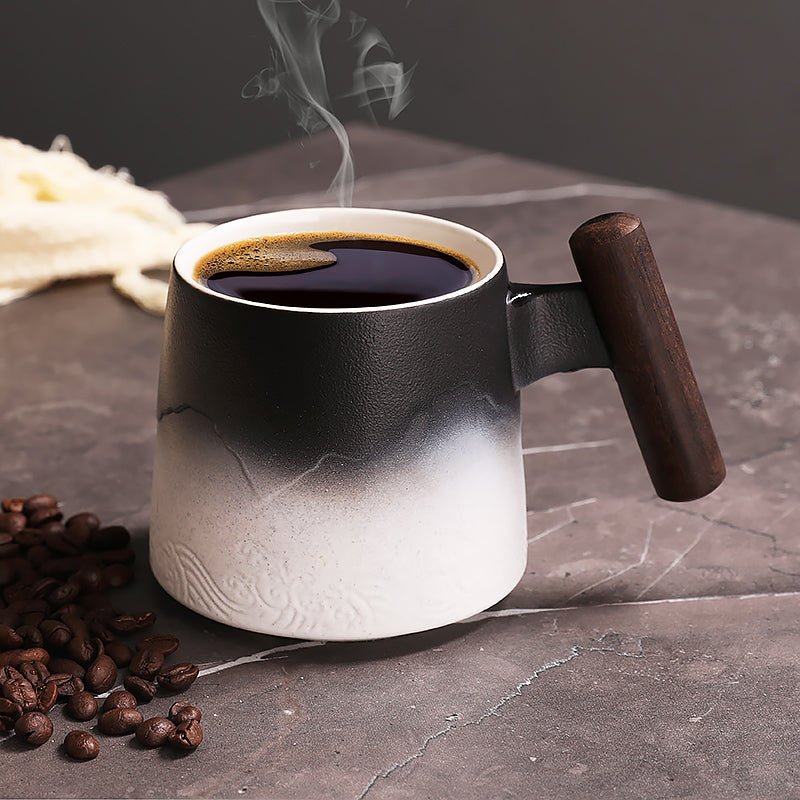
Coffee Mug Shelves: How to Choose, Style, and Buy the Right Fit
Reading time: about 9 minutes
A shelf that looks tidy in a photo can turn into a daily annoyance fast. Handles bump into the wall, rims sit too close to the edge, and the one mug you reach for every morning ends up wobbling because the shelf is too shallow or the spacing is too tight.
We see that problem all the time in our store. Buyers want coffee mug shelves that do two jobs at once: store cups safely and make the kitchen, office, or coffee corner look deliberate. The right shelf setup is less about decor trends and more about fit, clearance, and the kind of mug you actually use every day.
If you are comparing display ideas, start with our product range at our full collection, then work backward from the shelf size you already have. For inspiration on small spaces, our guide to coffee mug shelf display ideas for small kitchens and open shelves shows how to keep the setup practical instead of crowded.
What should coffee mug shelves actually do in a real kitchen?
Good coffee mug shelves are not just for showing off a row of mugs. They should make grabbing a cup easy, protect delicate edges, and keep the space from feeling cluttered. In a working kitchen, that usually means a shelf with enough depth for the mug body plus handle clearance, and enough vertical space so taller mugs do not scrape the shelf above.
In our experience, the best shelf setups follow three simple rules:
- Leave room for the handle. A mug can fit on paper and still fail in practice if the handle hits the back wall.
- Keep the front edge safe. If the shelf is too shallow, mugs sit too close to the edge and get knocked during daily use.
- Think about the whole routine. If your coffee station also holds beans, a grinder, or a kettle, the mugs should be reachable without moving everything else first.
A display shelf that works in a guest kitchen may not work in a family kitchen. If you are storing mugs for everyday use, favor stability over a packed visual arrangement. That also means resisting the temptation to stack too many items around the cups.
Which shelf style works best for small kitchens and open shelves?
Small kitchens need coffee mug shelves that feel light. Heavy, closed-in shelving can make the wall look crowded even when the actual storage is modest. Open shelves usually do better when the mugs are grouped by color, shape, or use case, with a little breathing room around the edges.
For compact spaces, we like setups that keep the display simple:
- Use a short row of mugs instead of filling every inch of shelf space.
- Mix one functional mug zone with one small decor item, not several competing accents.
- Reserve the easiest-to-reach spot for the mug you use most often.
If you are styling a shelf above a coffee machine, low visual noise matters more than size. A few well-chosen mugs often look better than a full rack. For that kind of display, we often point shoppers toward pieces like The Cloud Coffee Tea Mug with wooden handle because the shape reads cleanly on a shelf while still feeling different from a standard round mug.
Open shelving is also less forgiving of mismatched mug heights. If one mug is noticeably taller or wider, it can throw off the line. That is not a dealbreaker, but it is worth noticing before you buy more mugs to fill the space.
How do you check mug size against shelf depth and spacing?
This is the part many shoppers skip. They measure the shelf width, but the shelf depth and vertical clearance matter just as much. A mug with a generous handle or a wider base may technically fit on the shelf and still be awkward to place, especially if the shelf lip is thick or the back wall sits close.
Before buying for coffee mug shelves, check these specific points:
| What to check | Why it matters | Common mistake |
|---|---|---|
| Shelf depth | Needs to hold the mug body without pushing the handle into the wall | Measuring only shelf width |
| Vertical clearance | Prevents tall mugs from scraping the underside of the shelf above | Forgetting overhead space |
| Handle projection | Determines whether the mug sits squarely or angles outward | Buying based on photos alone |
| Base stability | Stops wobble on narrow or uneven shelves | Ignoring the mug's bottom profile |
We cover this same fitting logic in more detail in Coffee Mug Shelves: What to Check Before You Buy. That guide is useful if you are replacing a display that already feels cramped or if you are buying shelves before the mugs themselves.
A practical note from handling product displays: a mug with a wide handle opening can need more side-to-side room than you expect. That is especially true in a row of mugs where every cup has a slightly different silhouette.
Which mug materials and finishes look best on shelves?
On a shelf, the mug finish matters as much as the mug shape. Glossy ceramic tends to catch light and look polished. Matte finishes read softer and more muted. Clear visual contrast helps the shelf look intentional, but too many competing textures can make it look messy.
From a selling and handling standpoint, we watch for a few real-world trade-offs:
- Glossy surfaces show reflections and fingerprints more easily, especially on dark colors.
- Matte finishes can look premium, but they may reveal scuffs if mugs are slid rather than lifted.
- Wooden handles add warmth and visual character, but they are not the best choice if you want a fully uniform, minimal lineup.
- Heavier mugs feel more substantial on the counter, but they can be less convenient on a high shelf if you reach for them often.
If your coffee corner serves both display and daily use, a balanced mix works best. A mug like The Rock Coffee Tea Mug can anchor a shelf with a more grounded look, while Morning Night Coffee Tea Mug works well when you want a theme that feels a little more personal without adding clutter.
Not every mug is a good shelf mug. Oversized novelty mugs, extra-wide bowls, and very tall travel-style shapes can be awkward on open shelving. They are fine if you have deep storage, but they usually do not create the cleanest display.
What should you buy if the shelf is for daily use, not just decor?
If the shelf is meant for real life, buy for repeat handling. That means choosing mugs that come off the shelf easily, sit securely, and are comfortable to wash and dry. We advise customers to think about the full cycle: grab, use, rinse, dishwasher, return.
For daily-use shelves, the safer choices are usually the mugs that feel balanced in the hand and have a stable base. A shelf display can be pretty, but if the mug is awkward at 7 a.m., it will not stay on the shelf for long.
We also recommend paying attention to care. If a mug is likely to go through repeated dishwasher cycles, avoid pieces that depend on delicate decorative elements near high-contact areas. Chips on the rim, glaze wear around the base, and scratches from stacking are the common issues we watch for when a mug gets used hard.
If you are building a complete setup rather than just buying one or two pieces, browse our full collection and then narrow down by use case: everyday coffee, gifting, or shelf display. That is usually a better path than buying the prettiest mug first and trying to make the shelf fit afterward.
If the shelf is purely decorative, you can prioritize shape and color. If it is used every morning, prioritize fit, balance, and easy cleanup. The best coffee mug shelves handle both, but they rarely optimize for only one of those jobs.
How do you make a mug shelf look curated instead of crowded?
Curated shelves usually have one clear anchor and a few supporting pieces. The eye needs a place to land. Too many mugs of the same size lined up edge to edge can make the shelf feel flat, while too many different shapes can feel busy.
We have found this structure works well:
- Pick one visual anchor mug, usually your most distinctive shape or finish.
- Group the rest in pairs or trios instead of even rows whenever the shelf length allows it.
- Leave some negative space so the shelf breathes.
- Keep the items you use most often closest to hand.
If you want more styling help, the article on coffee mug shelf display ideas for small kitchens and open shelves is a useful companion read. It focuses on layout choices that work in tight kitchens, where every inch has to earn its place.
A clean shelf is not the same as an empty shelf. The difference is that the right setup shows intention. One or two distinctive mugs, placed with enough spacing, often look better than a full row of generic cups.
Frequently asked questions
How deep should coffee mug shelves be?
Deep enough to hold the mug body without pushing the handle into the back wall. For many standard mugs, that means checking the full footprint, not just the diameter. If the shelf is shallow, pick mugs with slimmer handles or plan to display fewer pieces.
Can coffee mug shelves hold heavy ceramic mugs safely?
Yes, if the shelf itself is properly anchored and the load is spread out. The bigger issue is often placement, not the mug weight. Avoid crowding heavy mugs at the front edge, and do not stack them in ways that create uneven pressure on the shelf.
What kind of mugs work best for open shelves?
Mugs with a balanced shape, clean base, and handles that do not stick out too far usually work best. On open shelves, uniformity helps, but a single distinctive mug can also act as the focal point. Very tall or very wide mugs tend to look less tidy unless the shelf is generously sized.
How do I keep mug shelves from looking cluttered?
Use fewer mugs than the shelf can physically hold, and leave open space between groupings. Mix in one small non-mug item if you want visual variety, but do not add so much decor that the shelf stops functioning as storage. If you reach for the mugs every day, convenience should win over perfect symmetry.
Are coffee mug shelves good for gifting displays?
Yes, especially when the mug shape and finish are easy to see at a glance. Gift displays work best when the shelf is simple and the mug is the main feature, not buried in a crowded arrangement. If you are choosing a gift-friendly piece, browse products that look clean on their own and do not require a lot of extra styling.
If you are deciding what to buy next, use this quick check: shelf depth, handle clearance, vertical clearance, finish, and how often the mug will be washed. Then compare those points against the mug style you want, and start with the pieces in our collection that fit the way your shelf actually gets used.
More from our blog
Read more
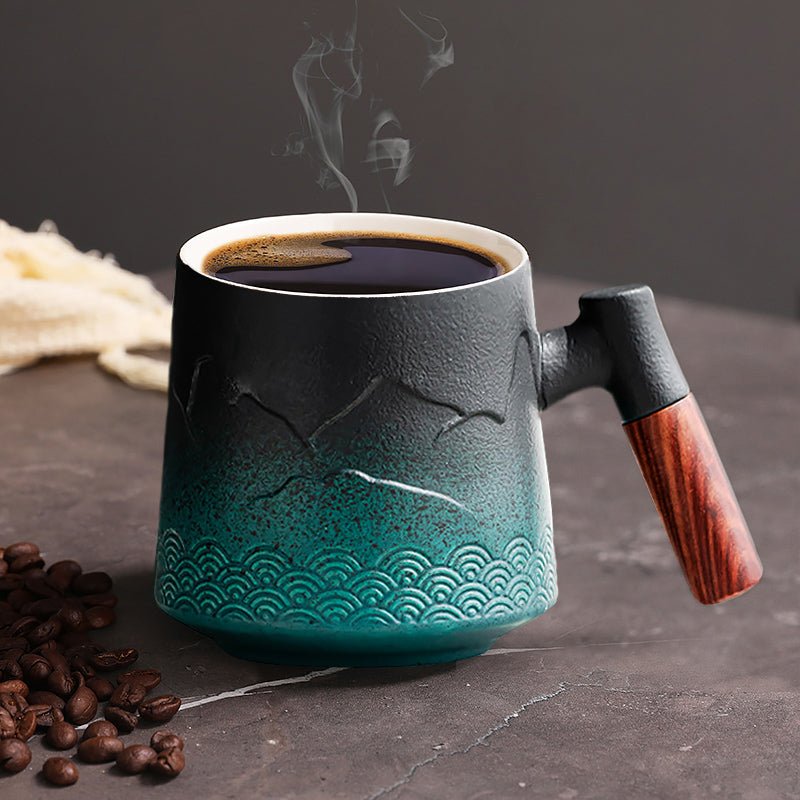
Handle Mug Buying Guide: What Matters Before You Buy
A handle mug should feel stable in the hand, stay comfortable on a desk, and fit the way you actually drink coffee or tea. Here’s how we judge materials, handle shape, care, and everyday use before...
Czytaj dalej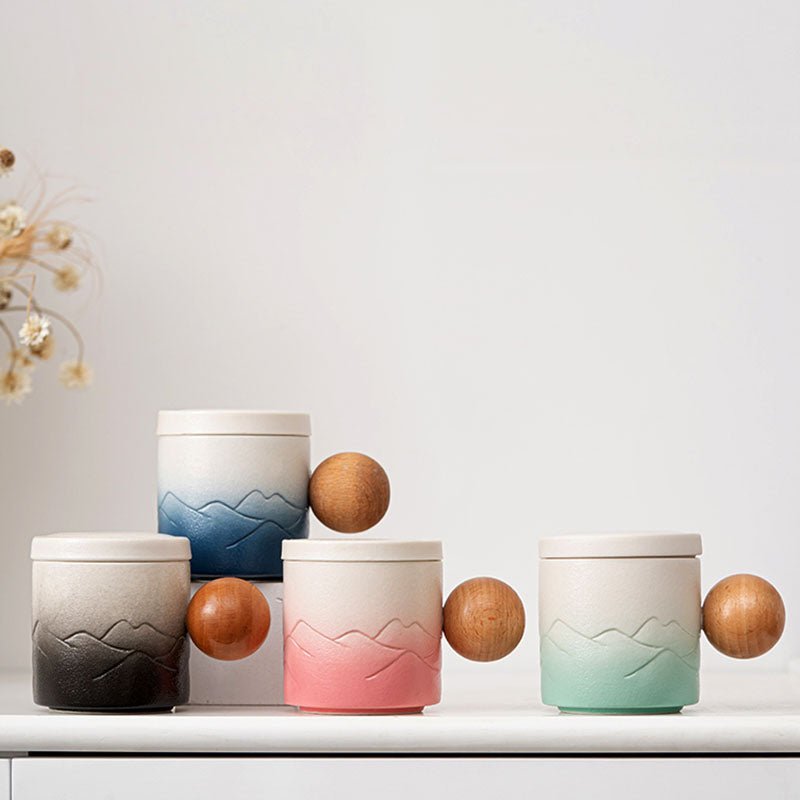
Tea in a Big Mug: How to Choose One for Comfort and Heat
Tea in a big mug works best when the mug feels balanced, holds heat well, and suits the way you actually drink. Here’s how we help shoppers choose a large mug that fits tea bags, loose leaf, milk t...
Czytaj dalej
Zostaw komentarz
Ta strona jest chroniona przez hCaptcha i obowiązują na niej Polityka prywatności i Warunki korzystania z usługi serwisu hCaptcha.