
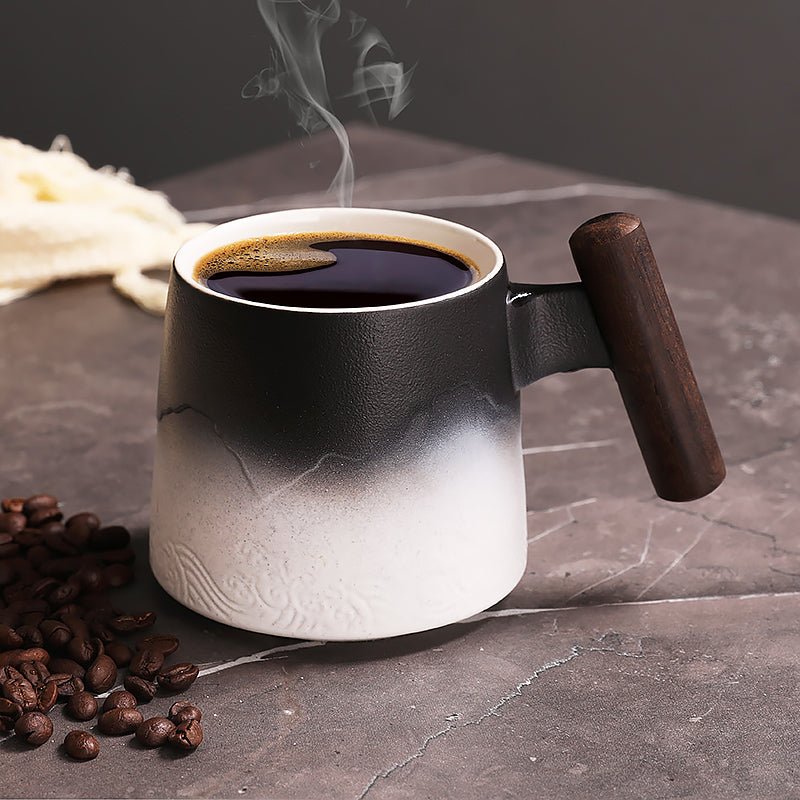
Coffee Mug Sets: How to Choose the Right Set for Daily Use
Reading time: about 9 minutes
A mismatched cabinet is usually the first sign that a household needs coffee mug sets. One mug is too small for a real pour, another has a hairline crack, and the “good” one never seems to make it back from the office desk.
We see this all the time in our store. Shoppers usually want a set for one of three reasons: a cleaner kitchen shelf, a simple gift, or enough matching mugs for daily coffee without starting a morning argument over whose cup is whose. The right set solves those problems. The wrong one just adds clutter.
If you are comparing options, our best advice is to shop by how you actually drink coffee. A set that looks great stacked on a shelf may not be the one you reach for every morning. If you want to browse current options, start with our product selection or compare the broader collection first.
What should you check before buying coffee mug sets?
We tell shoppers to look past the photo and check the details that affect daily use. The set may look identical across listings, but the feel in your hand, the rim thickness, and the way it handles heat can be very different.
- Capacity: Many coffee mugs sit around 11 to 14 oz, but some buyers specifically want larger options for milk-heavy drinks or refill habits. If you usually fill to the brim, a smaller mug will feel limiting fast.
- Material: Ceramic is common for home use because it holds heat well enough and feels solid on a desk or table. Porcelain tends to feel lighter and a little more refined. Stoneware usually feels thicker and more durable, but it can also be heavier.
- Handle size: A handle that looks nice in photos can be awkward if you have larger hands or like to curl more than one finger through it.
- Finish: Glossy glazes are easy to wipe clean, while matte finishes can show tea or coffee residue faster if they are not rinsed promptly.
- Care instructions: If you plan to use the dishwasher often, check whether the set is dishwasher safe. The same goes for microwave use. Don’t assume both are fine.
Those details matter more than a pretty pattern. We have seen buyers choose a set for the color, then regret it because the mugs were too small for their morning brew or too heavy for everyday use.
Which material is best for coffee mug sets?
There is no single best material for everyone. That is the honest answer. The better question is what problem you want the set to solve.
| Material | What it does well | Trade-off |
|---|---|---|
| Ceramic | Balanced feel, familiar weight, good for daily kitchen use | Can chip if banged into sinks, counters, or stacked carelessly |
| Stoneware | Thicker feel, sturdy in hand, often better for casual family use | Heavier than porcelain and sometimes bulkier in cabinets |
| Porcelain | Lighter, cleaner look, often a little more refined for gifting | Can feel more delicate and may not suit rough everyday handling |
| Glass | Lets you see the drink, easy to match with modern kitchens | Not as forgiving if you want a mug that feels warm and substantial |
For most shoppers, ceramic coffee mug sets are the middle ground. They feel stable on a desk, they are easy to use at home, and they usually handle the everyday coffee routine well. If you want a mug that feels more like drinkware for entertaining, porcelain may be better. If you need something forgiving in a busy family kitchen, stoneware can be the safer pick.
One limitation: no material is immune to chips, especially around the rim or base. If your mugs will get stacked tightly or washed alongside heavy cookware, that wear shows up faster.
How many mugs should be in a set?
This is one of the most practical questions shoppers ask, and the answer depends on who will actually use them.
- Two mugs: Best for couples, small apartments, or a gift where the recipient doesn’t need a full cabinet of extras.
- Four mugs: Usually the safest family choice. It covers a typical breakfast routine and still leaves room for guests.
- Six or more: Better for hosting, office kitchens, or households that run through a lot of coffee and want backups in case one breaks.
We usually suggest thinking in terms of usage, not just headcount. If you live alone but entertain often, a four-pack can still make sense. If you share a kitchen with roommates, a two-pack often causes problems because one mug disappears into someone’s workspace and never comes back.
Matching sets also help if you want a tidy shelf or open cabinet. That visual consistency is one of the main reasons shoppers move away from random singles and into coffee mug sets.
Are coffee mug sets good for gifting?
Yes, but only if the set matches the recipient’s routine. A gift set that looks beautiful but holds too little coffee can end up unused.
We see coffee mug sets work well for housewarmings, weddings, new apartments, and office gifts. They are especially useful when you want something practical without choosing a highly personal item. The unboxing is simple, and the receiver can put the set to work immediately.
That said, coffee mug sets are not the best gift if you don’t know how the person drinks coffee. Someone who prefers oversized mugs for lattes or tea may not love a smaller set. Someone who uses a travel mug all morning may barely touch ceramic mugs at all. If you are buying for a collector or someone who wants novelty graphics, you may want to read our post on Best Mug to Drink Coffee: What Actually Works Every Day before choosing.
We also tell gift buyers to check for simple, neutral colors if they are unsure. White, cream, black, and muted earth tones tend to fit into more kitchens than loud patterns.
How do you judge quality without overpaying?
Quality in mug sets is not just about a polished photo. It shows up in the seam of the handle, the weight in your hand, the glaze consistency, and how well the cups survive real dishwasher cycles.
- Look for even glazing: Rough spots around the rim or inside the cup can make a mug feel unfinished.
- Check the base: A stable, smooth bottom matters on glass tables, office desks, and stone counters.
- Inspect the handle attachment: This is one of the most common weak points. If the handle looks thin where it joins the mug body, it may not age well.
- Confirm dishwasher and microwave guidance: If the set will be used daily, ease of care matters more than a decorative label.
- Watch the interior shape: A wide opening can be easier to clean, while a narrower well may hold heat a little longer.
We also encourage shoppers to think about common defect modes. Chips usually appear at the rim or foot. Fine cracks can develop after sudden temperature changes, especially if a mug goes from a cold cabinet to very hot liquid repeatedly. Printed designs can fade if they are not made for regular washing. Those are the kinds of problems that do not show up in a first photo, but they matter after the first month.
If you are comparing a single larger mug against a full set, our guide on 20 oz Coffee Mug: What to Check Before You Buy helps if your main question is size rather than matching pieces.
What are coffee mug sets not good for?
We like to be direct here. Coffee mug sets are not the best option for every buyer.
They are not ideal if you need a mug that stays hot for a long commute. For that, a travel mug or insulated mug is a better fit, which is why many shoppers compare sets against our guide to the Best Coffee Travel Mug or Best Insulated Coffee Mug. A ceramic set is also not the best choice if your routine involves tossing mugs into a bag, moving between meetings, or drinking while walking.
They are also not the best fit for very small cabinets if the mugs are thick stoneware. That extra heft feels nice in hand, but it takes up more shelf space. And if your dishwasher is already crowded, bulky sets can be annoying to load.
On the other hand, if you want a dependable home set for coffee, tea, hot cocoa, or guest service, the category does exactly what it should. It gives you matched pieces that feel intentional instead of improvised.
How should you care for coffee mug sets so they last?
Care is simple, but a few habits make a real difference. In our experience, the mugs that last longest are the ones treated like daily tools, not display pieces.
- Rinse stained mugs soon after use, especially after coffee with syrup or milk foam.
- Do not slam mugs into the sink or stack them tightly if the glaze is decorative.
- If the set is dishwasher safe, place mugs so the handles do not knock into heavier dishes.
- Avoid sudden temperature changes if the mug is ceramic or stoneware. Let it warm gradually when possible.
- Store them dry. Trapped moisture under stacked mugs can create residue marks over time.
If a set has a printed message or novelty design, check the care instructions carefully. Decorative coatings often need a little more attention than plain glazed ceramic. That is one reason some shoppers prefer simple styles for everyday use and keep novelty mugs for occasional display.
Frequently asked questions
How many coffee mugs should be in a set for everyday use?
For most homes, four is the most practical number. It covers daily use, gives you a spare if one breaks, and still works for a couple of guests. Two is fine for a couple or small apartment, but it gets tight fast if mugs are used at desks or left in sinks.
Are ceramic coffee mug sets dishwasher safe?
Many are, but not all. Check the product details before buying, especially if the mug has printed artwork, metallic accents, or an unusual finish. If you want low-maintenance use, dishwasher-safe ceramic is usually the easiest choice.
What size coffee mug set should I buy?
If you drink standard drip coffee or tea, a mid-size mug is usually comfortable for daily use. If you often add milk or want a larger pour, a bigger capacity may suit you better. For exact sizing questions, our 20 oz Coffee Mug guide is a useful comparison point.
Are mug sets better than buying single mugs?
They are better if you want matching cups, easier replacement, or a cleaner cabinet look. Singles make more sense if you want one very specific mug for personal use or if you prefer mixing styles. For many households, sets are simply easier to live with.
What should I choose if I want a mug set for gifting?
Keep it simple and practical. Neutral colors, comfortable handles, and a size that works for coffee or tea are safer than highly stylized designs. If the recipient travels often, a travel mug may be the better gift instead of a ceramic set.
If you are ready to compare actual options, start with our full collection and use this checklist: capacity, material, dishwasher safety, handle comfort, and whether the set fits your kitchen or gift plan. That is the fastest way to find coffee mug sets you will actually use every day.
More from our blog
Read more
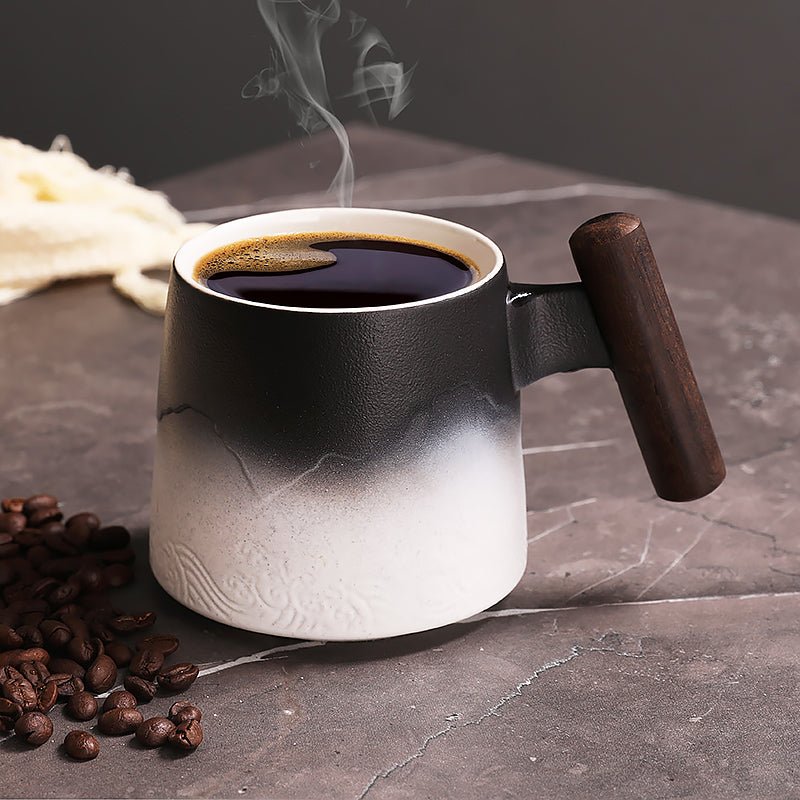
Yellow Mug Coffee Lounge: What Shoppers Should Check Before Buying
A practical guide to the yellow mug coffee lounge style, with the real details shoppers check before buying: material, size, finish, and daily use. We also point to the right CoffeifyMug pages so y...
Czytaj dalej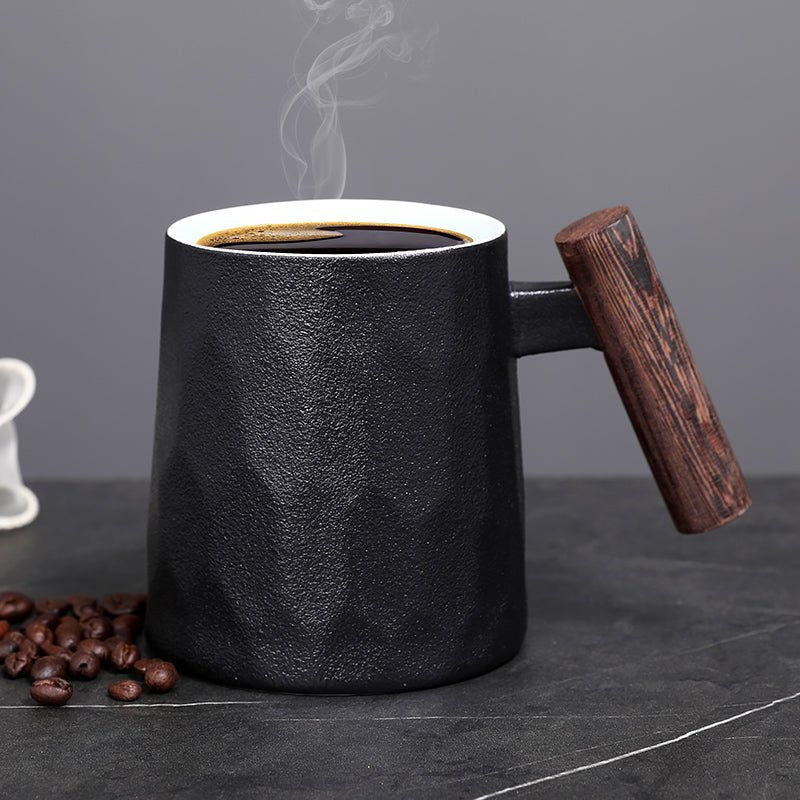
Huge Coffee Mug Buying Guide: What to Check Before You Buy
A huge coffee mug sounds simple until you try to use one every day. Here’s what size, shape, material, and care really mean in a kitchen, office, or gift setting.
Czytaj dalej
Zostaw komentarz
Ta strona jest chroniona przez hCaptcha i obowiązują na niej Polityka prywatności i Warunki korzystania z usługi serwisu hCaptcha.