
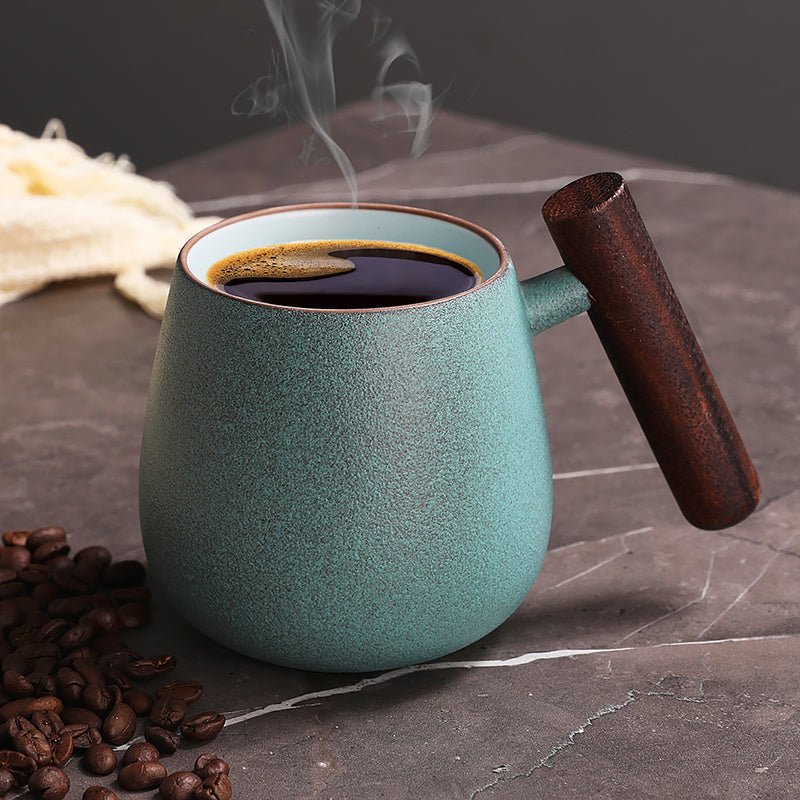
Coffee Mug Pot Buying Guide for Size, Fit, and Everyday Use
Reading time: about 9 minutes
A coffee mug pot usually gets bought after something small has gone wrong: the handle pinches, the cup wobbles on the desk, or the mug is too small for a full pour from the coffee pot. We see that pattern often in our store. Buyers start with the design, then realize the size, weight, and rim shape matter more once the mug is in daily use.
If you want to browse our current styles first, start with our full collection. For a sturdier everyday feel, The Rock Coffee Tea Mug is the kind of mug many shoppers choose for a desk or kitchen counter. If you want a cleaner gift-style look, Morning Night Coffee Tea Mug is a straightforward daily-use option. For a more scenic design, Mountain Coffee Tea Mug fits the same practical brief with a different look.
What should a coffee mug pot actually do well?
A good coffee mug pot does three things without making you think about them. It should hold a normal serving comfortably, feel stable on a flat surface, and pour or sip without forcing you to change your grip. That sounds basic, but it is where a lot of mugs fail.
In real use, the mug should match the way you drink coffee:
- At home: it should sit securely next to a coffee pot, kettle, or machine without taking up awkward space.
- At the office: it should fit under a monitor shelf, beside a keyboard, or in a desk drawer if you rotate mugs.
- As a gift: it should feel finished in the hand, not flimsy, thin, or overly decorative in a way that hurts daily use.
That is why we usually tell shoppers to treat a coffee mug pot as a daily tool first and a style choice second. A mug with a good handle and a balanced base gets used. A mug that looks great but feels awkward usually gets pushed to the back of the cabinet.
Which material is best for daily coffee use?
Material changes how a mug feels, how fast it cools, and how long it holds up around sinks, dishwashers, and countertops. We handle a lot of ceramic-style mugs, and the differences show up fast once people start using them every day.
| Material | What it feels like | Best for | Trade-off |
|---|---|---|---|
| Ceramic | Balanced weight, familiar feel, usually easy to drink from | Everyday home use and gifting | Can chip if knocked against a sink or crowded shelf |
| Stoneware | Denser and usually heavier in the hand | People who like a solid mug and a grounded feel | Heavier on small hands and less ideal if you want a lighter cup |
| Porcelain | Thinner rim and a lighter feel | More refined presentation and lighter sipping | Can feel more delicate and may not be the best choice for rough daily handling |
For most shoppers, ceramic or stoneware is the practical middle ground. Those materials handle daily coffee well and usually feel right on a kitchen counter. If you want a mug for an office desk or gift box, that balance matters more than chasing a very light or very heavy feel.
We also look for a clean glaze finish, an even base, and a handle that does not twist under two fingers. Those are small details, but they are the difference between a mug that feels intentional and one that feels rushed.
What size fits your coffee routine?
Size is where a lot of coffee mug pot purchases go wrong. A mug can be beautiful and still be useless if it is too small for the pour you actually make. That is why we ask buyers to think about what lands in the cup most mornings.
A smaller mug is usually better if you drink a standard drip coffee and want the mug to stay comfortable in the hand. A medium mug gives more room for milk, cream, or a little extra top-off from the pot. A larger mug works if you want a longer sit-down drink, but it can feel bulky and may cool more quickly once it is full.
Two of our related guides go deeper on this part of the decision: 10 oz Coffee Mug: What Fits, What Doesn’t, and What to Buy and 11 oz Coffee Mug: Size, Fit, and What to Check Before You Buy. If you are comparing capacity across different shapes, those two are a useful baseline.
Practical rule: if you refill often, do not oversize. If you dislike frequent refills, do not undersize. Simple, but it saves regret.
Which mug shape feels best on a desk or under a brewer?
Shape affects how the mug behaves as much as the capacity does. A wider mug usually feels stable and easy to sip from, but it may take up more counter space. A taller mug can be easier to store and sometimes fits better near a coffee machine, but the center of gravity can feel different in the hand.
When we inspect mugs for the store, we pay attention to a few shape details:
- Base flatness: a mug should sit flat without a visible rock or wobble.
- Handle clearance: two fingers should fit without scraping the body of the mug.
- Rim comfort: the lip should feel smooth, not sharp or overly thick.
- Wall thickness: thinner walls can sip nicely, but they also lose heat faster.
If you are buying for a work desk, the safest choice is usually a mug with a balanced footprint and a handle that does not force your wrist into an awkward angle. If you are buying for a kitchen shelf, a more sculpted mug can be fine as long as it stacks or stores cleanly.
For a deeper comparison of fit and material trade-offs, our post Coffee Mug Coffee Pot Buying Guide for Buyers Comparing Fit and Material covers the questions we hear most often from shoppers deciding between shape, comfort, and durability.
What care details should you check before buying?
Care is where a mug proves whether it is a daily item or just a shelf item. A coffee mug pot that looks good out of the box can still be frustrating if the finish marks easily, the print fades, or the base holds onto water after washing.
Before you buy, check these points:
- Dishwasher use: if the listing says it is dishwasher safe, that matters for everyday convenience, especially in shared kitchens and offices.
- Microwave use: confirm that there are no metallic accents or decorative finishes that should stay out of the microwave.
- Glaze quality: look for an even surface without pinholes, rough patches, or obvious color breaks.
- Handle join: inspect where the handle meets the body, because that is where cracks often start after repeated bumps or thermal stress.
Common defect modes are usually small at first: a hairline crack near the handle, an uneven base that creates a wobble, or a print that looks bright but does not age well after repeated washing. Those are the kinds of details that are hard to spot in a staged product photo, which is why we recommend reading the product notes carefully before choosing.
If you want a second opinion on what to check before checkout, Coffee Pot Mug Buying Guide: What to Check Before You Buy is a useful companion piece.
Which coffee mug pot is better for gifts, office desks, or home kitchens?
The right mug changes depending on where it will live. A gift mug has to look good the moment the box opens. A desk mug has to behave around laptops, notebooks, and charging cables. A kitchen mug has to survive repeat washing and not feel precious every time someone reaches for it.
Here is how we usually separate the use cases:
- Gift: choose a mug with a clean design, a comfortable handle, and a finish that looks finished from every angle. The print or artwork should read clearly without making the mug feel fragile.
- Office: choose a shape that feels stable and does not need constant two-handed handling. A medium-weight ceramic mug is often the easiest everyday choice.
- Home kitchen: choose durability first. If a mug will get pulled from the cabinet several times a day, the glaze and base matter more than a novelty shape.
That is where our store’s current options help shoppers compare. The Rock Coffee Tea Mug suits buyers who want a grounded look. Morning Night Coffee Tea Mug works well for people who want a simple daily mug with broad appeal. Mountain Coffee Tea Mug is a good fit if the buyer wants a more visual design without giving up the basic daily-mug job.
One limitation to keep in mind: a decorative mug is not the best choice if you want a thermally insulated cup or a travel mug for commuting. A coffee mug pot is a sit-down cup. It belongs on a table, desk, or counter, not in a car cup holder.
If you are still comparing style and fit, our guide Coffee Pot Coffee Mug: What to Check Before You Buy is a practical next read.
Frequently asked questions
What size coffee mug pot is best for drip coffee?
For most drip coffee drinkers, a medium mug is the safest starting point. It gives you enough room for a normal pour plus a little milk or cream without feeling oversized in the hand. If you refill often, stay smaller; if you like a longer sit-down cup, move up one size.
Is ceramic or stoneware better for everyday mugs?
Ceramic is usually the easier daily choice because it tends to feel balanced and familiar. Stoneware has a denser, heavier feel that some buyers like for a sturdier desktop mug. If you want lighter handling, ceramic is usually the better fit.
Can I put a coffee mug pot in the dishwasher and microwave?
Many everyday mugs are made for both, but you should always check the product details first. Dishwasher use matters if you do not want hand washing to become a daily chore. For the microwave, avoid any mug with metallic decoration or finishes that are not listed as microwave safe.
What makes a mug uncomfortable to use?
The most common problems are a handle that is too tight for two fingers, a mug that feels top-heavy when full, or a rim that feels sharp on the lip. A wobbly base is another issue because it makes the mug feel unstable on a desk or tray. These are all avoidable if you check the shape and product notes before buying.
What should I avoid if I want a coffee mug pot for work?
Avoid oversized mugs that take up too much desk space or designs with awkward handles that are hard to grip with one hand. Very tall mugs can also feel awkward near laptops and notebooks. For office use, a medium, stable mug is usually the most practical choice.
If you want the fastest way to narrow the choice, use this checklist: pick the size you actually drink from, choose ceramic or stoneware for everyday use, check that the handle fits two fingers, and confirm the care instructions before checkout. Then compare the current options in our full collection against the mug that will get used every day, not just photographed once.
Read more
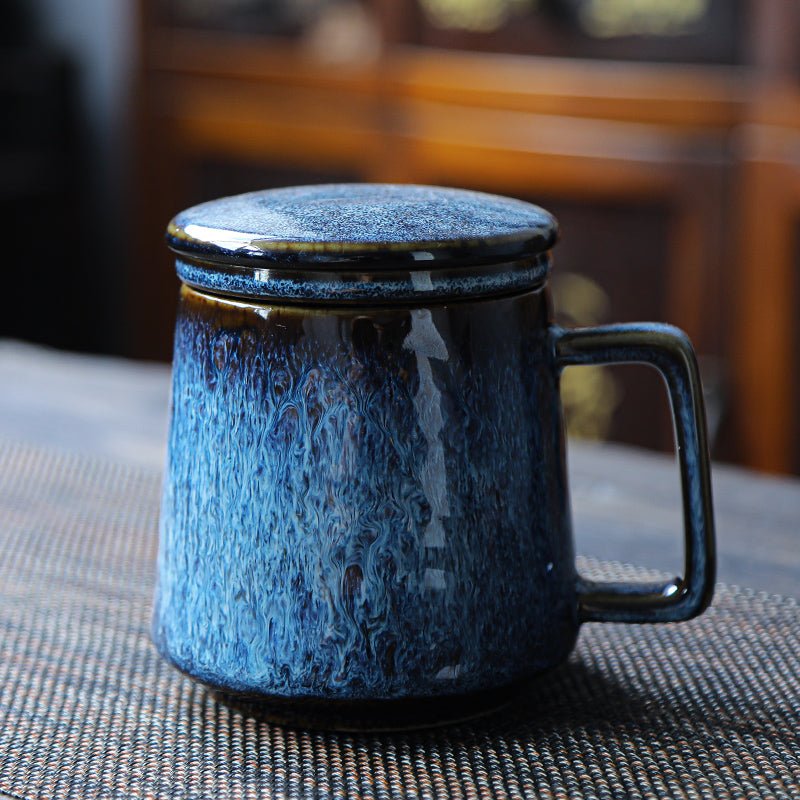
14 Ounce Coffee Mugs: Fit, Materials, and Buying Tips
A practical guide to 14 ounce coffee mugs with fit, material, and daily-use trade-offs. Compare sizes, spot the details that matter, and pick a mug that works on your counter, desk, or gift list.
Czytaj dalej
Hobby Lobby Coffee Mugs: What to Check Before You Buy
A practical buying guide for hobby lobby coffee mugs, with the details that matter in hand feel, size, finish, and cleanup. It also shows where our own mugs fit better for everyday use or gifting.
Czytaj dalej
Zostaw komentarz
Ta strona jest chroniona przez hCaptcha i obowiązują na niej Polityka prywatności i Warunki korzystania z usługi serwisu hCaptcha.