
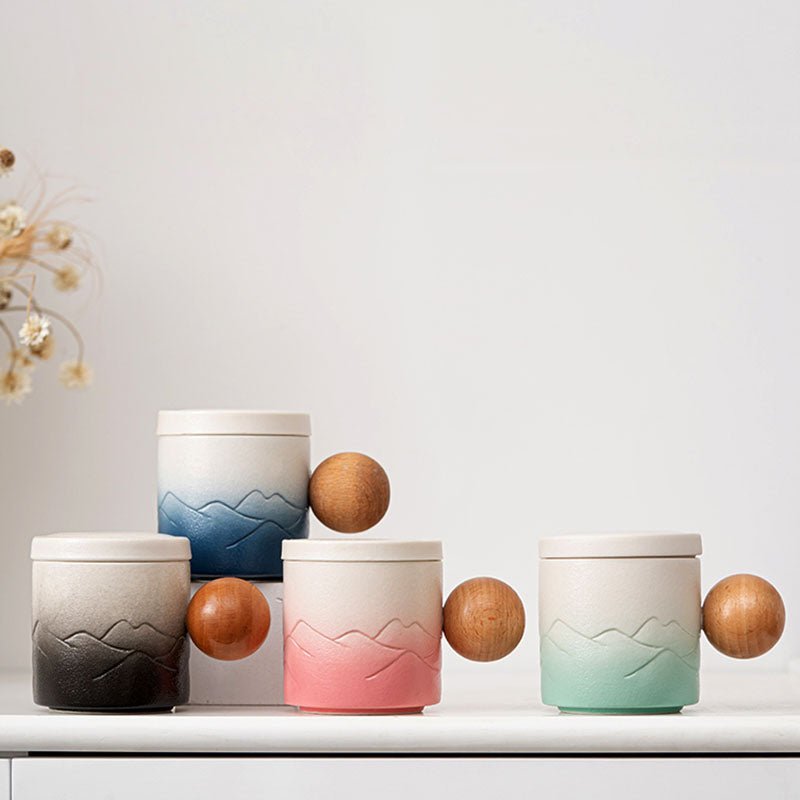
Coffee Mug Pot Buying Guide: Fit, Material, and Daily Use
Reading time: about 8 minutes
We see the same problem at our store: a shopper wants a coffee mug pot that feels right on a desk, holds a real serving of coffee, and does not chip after a few dishwasher cycles. The photo looks fine. The failure usually shows up later at the counter, in the cabinet, or when the handle is too small for a comfortable grip.
If that sounds familiar, treat this as a practical buying guide, not a style page. A good coffee mug pot should be easy to hold, easy to clean, and sized for the way you actually drink coffee.
What should a coffee mug pot do well?
Short answer: it should hold heat, feel stable, and clean up without drama. The best mug is not always the biggest one. It is the one that suits your cup of coffee, your shelf space, and the way you move through the day.
- Heat control: Thicker walls usually keep coffee warmer longer, but they add weight.
- Grip: A handle should leave room for at least two fingers without forcing the knuckles into the mug wall.
- Stability: A flat, even base matters more than most buyers expect. If the mug rocks on a counter, it will also feel awkward in the hand.
- Cleaning: Look for a smooth glaze inside the cup and around the foot. Rough spots trap stains and are harder to rinse clean.
We also pay attention to what a mug is not good for. A wide, open mug is not the best choice for a car cup holder. A decorative glaze with metallic detailing is not the right pick if you want microwave use. A very large mug can also feel clumsy for tea or small espresso-based drinks.
Which material is easiest to live with?
Most buyers end up comparing ceramic and stoneware first. That makes sense. Both feel familiar, both suit coffee and tea, and both fit the way most kitchens and desks are set up.
| Material | What it feels like | Best for | Trade-off |
|---|---|---|---|
| Ceramic | Balanced, smooth, familiar | Everyday desk coffee, gifting, simple storage | Can chip on the rim or base if handled roughly |
| Stoneware | Heavier, more substantial | People who want a sturdier hand feel | Usually bulkier and less ideal if you prefer a lighter mug |
| Glass | Light, clean, visually open | Watching drink color or layering | Shows stains and can feel fragile in daily use |
| Insulated metal | Highly utilitarian | Travel or long heat retention | Usually not the right look or feel for a home mug |
If you want the most forgiving daily option, we usually steer shoppers toward a simple ceramic-style mug with a good glaze and a handle that does not pinch. If you want something that feels more substantial in the hand, stoneware is worth a look. For a deeper side-by-side breakdown, our Coffee Mug Pot Buying Guide: Size, Material, and Fit goes into the practical differences without the fluff.
For ceramic and stoneware, we recommend a soft sponge, mild soap, and letting the mug cool before rinsing; sudden temperature swings can stress the glaze and body. If the mug has exterior printing, avoid abrasive pads so the surface stays clean longer.
How do you pick the right size without guessing?
Size is where a lot of returns start. A mug can look perfect online and still be the wrong shape for how you drink.
- For quick coffee at a desk: choose a size that empties before the drink gets cold. A huge mug can be a drawback if you only want one serving.
- For longer mornings: choose a shape with a broad base and enough wall height to reduce splashing.
- For shelves and cabinets: measure height as well as diameter. Tall mugs often hit the cabinet lip first.
- For hand comfort: check handle clearance. If the opening is tight, a mug becomes annoying fast, especially with fuller fingers or gloves in colder months.
We tell customers to picture the mug on three surfaces: a kitchen counter, a desk, and the dishwasher rack. If it feels awkward on any one of those, keep looking. The right coffee mug pot should disappear into the routine instead of demanding attention every time you use it.
What problems show up after a few weeks of use?
This is where the real quality differences show up. A mug can look fine out of the box and still develop problems from normal use.
- Hairline cracks near the handle: usually show up if the mug was stressed during shipping or made with a weak join between handle and body.
- Rough glaze spots: can catch stains, especially on the inside near the rim.
- Chips on the foot ring: common when mugs are stacked tightly or knocked against a sink edge.
- Crazing: tiny glaze lines that may not affect immediate use but can make the surface look tired faster.
These are not deal-breakers for every buyer, but they matter if you want a mug that still looks good after repeated dishwasher cycles. If you are choosing a gift, this is the part most shoppers skip. We do not recommend skipping it. In our experience, the mugs that get kept are the ones that feel solid in the hand and have a clean finish around the rim.
Which designs work best for home, office, or gifting?
Different buyers are really shopping for different jobs.
For the kitchen counter
Choose a mug with a stable base, a finish that wipes clean, and a shape that stacks or stores easily. If you are buying for shared cabinets, avoid oversized handles that knock against neighboring mugs.
For the office desk
Pick something with a comfortable grip and a shape that is less likely to slosh when you carry it from kitchen to desk. A mug that feels too wide can be annoying around notebooks and keyboards.
For gifting
Choose a mug with a clear visual identity. The person opening it should immediately understand why it was picked for them. That is where distinctive shapes and printed designs help, but they should still pass the basic practical checks.
If you are comparing visual styles, our store has a few strong starting points. The The Rock Coffee Tea Mug suits buyers who want a bolder, more grounded look. The Morning Night Coffee Tea Mug is an easier pick if you want a mug that feels more giftable and less literal. The Mountain Coffee Tea Mug works well when the design itself is part of the appeal. To compare the full range in one place, start with our collection.
What should you compare if you want the best value?
Value is not the lowest price. For a coffee mug pot, value means the mug survives regular use and still feels good six months later.
- Check the handle first. If the grip is awkward, everything else is secondary.
- Inspect the rim and base. A clean rim improves drinking comfort; a flat base improves stability.
- Match the material to your routine. Ceramic and stoneware are usually the safest everyday choices.
- Think about care. If you do not want to baby the mug, avoid delicate finishes and complex exterior decoration.
- Ask what problem the mug solves. Desk use, gifting, display, and travel are different jobs. One mug rarely does all of them equally well.
For shoppers comparing fit more closely, we also have two useful walk-throughs: Coffee Pot Coffee Mug: What to Check Before You Buy and Coffee Pot Mug Buying Guide: What to Check Before You Buy. Both are useful if you are trying to avoid the usual mismatch between what looks good online and what actually works in hand.
Frequently asked questions
Is a coffee mug pot the same thing as a regular coffee mug?
Not exactly. Shoppers usually use the phrase when they want a mug that feels more substantial, holds a comfortable serving, or looks a little more distinctive than a plain office mug. The practical checks are the same: handle comfort, base stability, material, and care.
What material should I choose for everyday use?
Ceramic and stoneware are the most practical choices for most kitchens and desks. Ceramic is usually a little lighter and easier to live with, while stoneware feels heavier and more solid. If you want low-fuss daily use, pick the one with the smoothest glaze and the most comfortable handle.
Can I use a decorative mug in the microwave or dishwasher?
Only if the listing says it is safe for that use. Decorative finishes, metallic accents, and some printed surfaces can be less forgiving. We always suggest checking the product details before assuming microwave or dishwasher compatibility.
What makes a mug uncomfortable to hold?
Usually a tight handle, a body that is too wide for the hand, or a rim that is too heavy relative to the base. If the mug forces your fingers into the ceramic wall, it will bother you every day. That is why handle clearance matters so much.
What should I avoid if I want a gift that gets used?
A shape that is hard to hold, a finish that stains easily, or a mug that is too large for the recipient’s routine. A good gift mug should feel practical at first touch. If it only works as decor, it usually ends up on a shelf.
If you want to compare options quickly, open our full collection and check three things before you buy: handle comfort, base stability, and whether the mug fits your real routine at home or at the office.
Read more
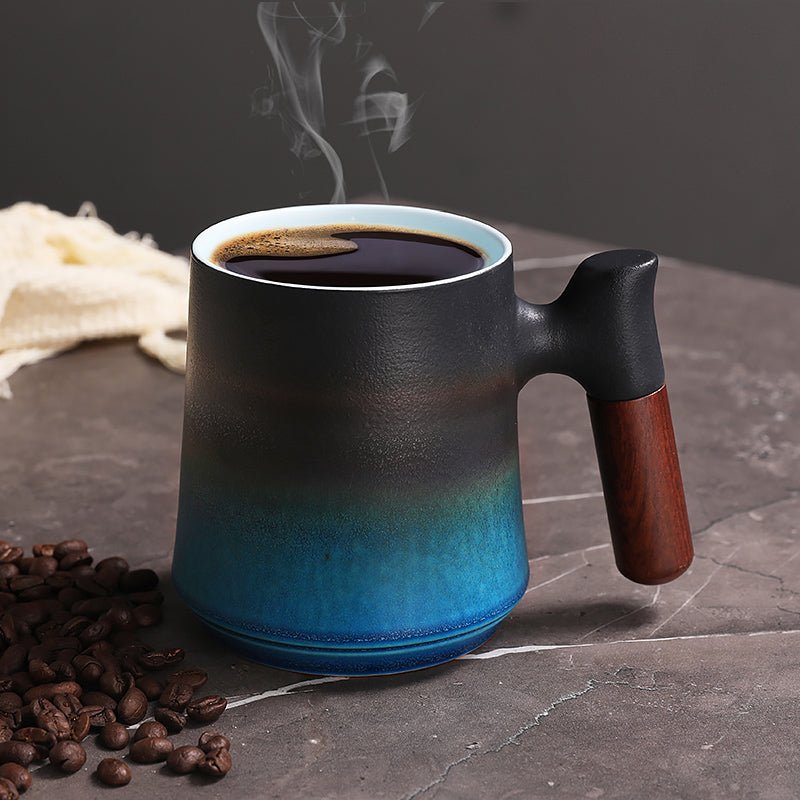
Death Coffee Mug: Size, Material, and Fit Before You Buy
A death coffee mug can be a strong gift or a daily cup, but only if the size, handle, finish, and care match how you actually drink coffee. This guide covers the checks that matter before you order.
Czytaj dalej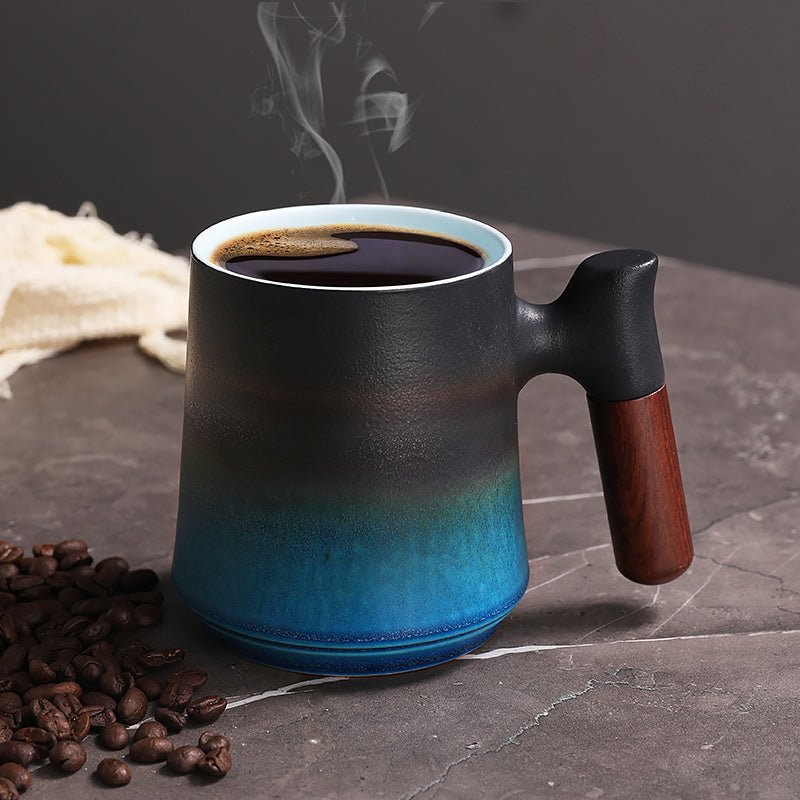
Ceremic Coffee Mug Buying Guide: What to Check Before You Buy
A ceremic coffee mug affects how coffee feels on a desk, in the kitchen, and in a gift box. We break down the details that matter most, then point you to styles that fit different routines.
Czytaj dalej
Zostaw komentarz
Ta strona jest chroniona przez hCaptcha i obowiązują na niej Polityka prywatności i Warunki korzystania z usługi serwisu hCaptcha.