
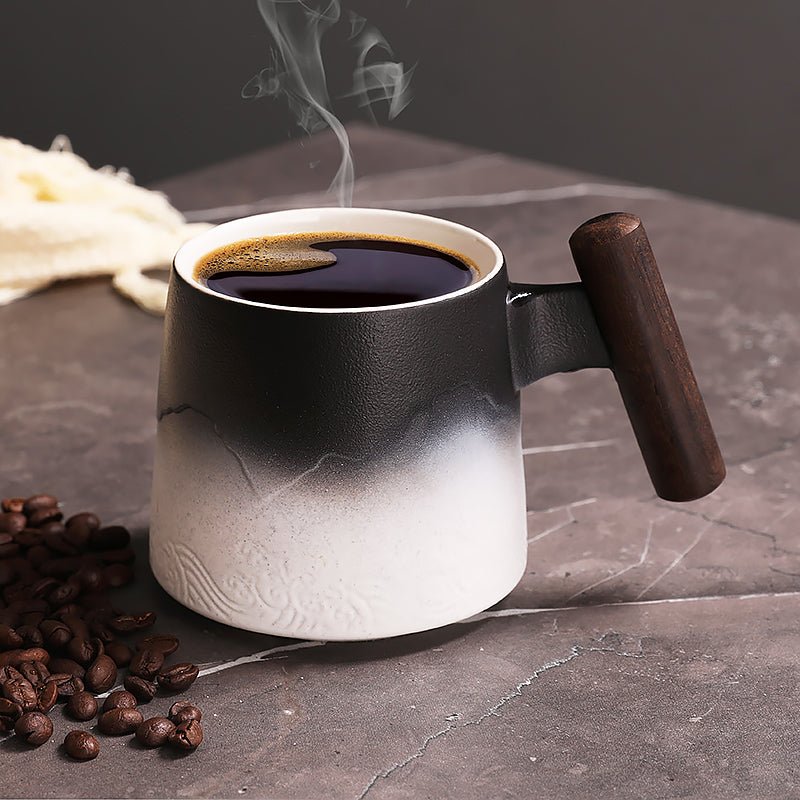
Coffee Mug Pipe Buying Guide: What to Check Before You Buy
Reading time: about 8 minutes
A coffee mug pipe looks simple on a product page. On a counter, the details show up fast: a base that wobbles, a stem that is awkward to clean, or a finish that chips the first time it bumps a sink. We handle a lot of mug-style gift buys in our store, and the people who are happiest with a coffee mug pipe usually checked the same few things before they bought.
If you are comparing options for a desk, a gift box, or a display piece, the best buy is rarely the flashiest one. It is the one with the right balance, the right material, and a shape you can actually live with.
What should a coffee mug pipe actually feel like in hand?
The first thing we check is balance. A mug-pipe piece should sit flat without rocking and should feel stable when empty and when filled. A thick handle or grip zone matters if you plan to move it from a shelf to a desk or sink several times a day.
We also pay attention to the touch points. A smooth rim, a comfortable grip, and a base that is wide enough for a crowded countertop all matter more than decorative detail. If the item feels top-heavy in your hand, it will feel worse when it is full.
- Stable base: reduces the chance of tipping on a desk or coffee table.
- Comfortable grip: matters if the piece is heavier than a standard mug.
- Smooth seams: help avoid irritation where your hand or mouth touches the piece.
- Enough clearance: keeps the mug from feeling cramped around the stem or bowl area.
Which materials hold up best?
Material choice affects weight, cleanup, and how the piece ages. In this category, we usually see ceramic, stoneware, glass, and mixed-material builds with metal or silicone parts. A glossy glazed interior is easier to wipe down than a rough surface, and a thicker body usually feels more secure in hand. Thin walls can look sleek, but they are more likely to feel fragile.
For most shoppers, ceramic or stoneware is the practical middle ground. Glass can look cleaner and show off the form, but it demands more careful handling. Metal accents can improve durability in small areas, but they also add heat transfer and can complicate cleaning if there are threaded parts or hidden joints.
| Material | What it does well | Where it falls short |
|---|---|---|
| Ceramic | Good balance of weight, everyday feel, and easy cleaning when glazed smoothly | Can chip if knocked against a sink or tile edge |
| Stoneware | Dense, sturdy feel; often better for a gift piece that will stay at home | Usually heavier than plain ceramic |
| Glass | Clean look and easy visibility when you want a minimalist style | More fragile and less forgiving in a crowded kitchen |
| Mixed materials | Can add durability in specific parts | May create more cleanup points and more parts to inspect |
If you like shopping by size first, our size guides can help you compare the mug side of the equation before you settle on a style. Start with the 10 oz Coffee Mug: Size, Fit, and What to Check Before You Buy, then compare it with the 11 oz Coffee Mug: Size, Fit, and What to Check Before You Buy and the 16 Ounce Coffee Mug Buyer’s Guide: Size, Material, and Fit.
How do size and shape change the buying decision?
A coffee mug pipe can look compact in photos and still feel bulky on a real shelf. Capacity matters if you want it to work as a regular mug. Shape matters if you want it to fit beside a keyboard, on a narrow office desk, or inside a cabinet that is already crowded.
As a rule of thumb, smaller profiles suit desk setups and gift displays. Larger forms are better if the buyer wants fewer refills and does not mind extra footprint. If you are cross-shopping standard mug sizes, our 12 Ounce Coffee Mug Buying Guide: Size, Fit, and Best Uses is the best place to compare a midrange size against smaller and larger options.
- 10 oz: compact and easier to store, but not ideal if you want a long drink session.
- 11 oz or 12 oz: the most balanced choice for many buyers.
- 16 oz: better for bigger pours, but it can feel oversized on a small desk.
That kind of comparison sounds basic, but it prevents the most common regret we see: a buyer loves the look and discovers the piece takes up more space than expected.
What cleaning and care details should you check first?
This is where many buyers get disappointed. A coffee mug pipe may look smooth from the outside, but the inside geometry tells you whether it will be easy to maintain. A wide opening, accessible corners, and fewer hidden joints make cleanup simpler. Narrow channels or decorative creases tend to trap residue and water.
If the listing does not clearly say how to clean it, assume hand washing will be the safer choice. Mild soap, warm water, and a soft brush are usually enough for glazed ceramic. Avoid abrasive scrubbers on glossy finishes because they can dull the surface over time. If there are removable parts, check how they fit back together. Loose joins are annoying, but overtightened threaded parts are worse because they can wear down faster.
- Look for a smooth interior: easier to rinse and less likely to hold odor.
- Prefer fewer small parts: less to lose, less to break, less to clean.
- Check dishwasher claims carefully: a product may have dishwasher-safe mug material but a less durable accent part.
- Inspect the finish: chips on rims and edges are the first defect mode we watch for in fragile gift items.
What trade-offs should you expect before buying?
A coffee mug pipe is not the best choice for every buyer, and the trade-offs are real. It is usually less convenient than a plain mug, more delicate than a travel cup, and more maintenance-heavy than a simple ceramic piece. That does not make it a bad buy. It just means the use case needs to match.
If you want something for a car cup holder, a busy commute, or a kitchen where items get stacked tightly, this is probably the wrong category. If you want a gift that starts a conversation, a desk piece that feels intentional, or a novelty item that still has a practical role, it makes more sense.
In our experience, shoppers are happiest when they treat the piece as a small-format specialty item rather than a do-everything mug. That expectation keeps the purchase honest.
Best fit: a home desk, display shelf, or gift table. Poor fit: travel bags, crowded sink areas, and anyone who wants zero-fuss cleanup.
Where should you shop if you want one that feels worth keeping?
We recommend starting with a tight shortlist and comparing the actual form, not just the photos. Look at how much room the piece will take on your counter, how many steps it takes to clean, and whether the finish matches the rest of your kitchen or office setup. If you want to browse our current options, start with our product selection and then compare against the broader all collection view.
If you are pairing a mug-pipe style piece with a regular mug gift, the size articles above are useful because they show how a buyer actually thinks at checkout: "Will this fit my hand, my shelf, and my routine?" That is the right question.
We also find that buyers who already own 10 oz, 11 oz, 12 oz, or 16 oz mugs are better at judging whether this category will feel playful or merely inconvenient. If you want the mug to do real everyday work, lean toward the size and material that already suits your routine.
Frequently asked questions
Is a coffee mug pipe good for everyday use?
It can be, if the body is sturdy, the interior is smooth, and cleanup is straightforward. It is not the best choice if you want a light travel mug or a piece that goes through rough daily handling.
What material is easiest to clean?
Glazed ceramic is usually the easiest because it wipes down well and does not stain as easily as rougher surfaces. Glass can also be simple to clean, but it is less forgiving if you bump it against a sink or counter.
Can I put a coffee mug pipe in the dishwasher?
Only if the maker says the full item, including any accents or removable parts, is dishwasher safe. If the listing is unclear, hand washing is the safer choice and usually helps the finish last longer.
What size should I choose?
Choose the size that matches your daily routine, not just the photo. Smaller options are easier to store, midrange sizes are the safest bet for most buyers, and larger pieces work best if you do not mind the extra footprint.
Is a coffee mug pipe a good gift?
Yes, if the recipient likes novelty pieces, desk accessories, or conversation starters. It is a weaker gift for someone who wants only practical, no-maintenance drinkware.
If you are ready to compare styles, start with the size guide that best matches your routine, then check our all collection for the finish and format that fit your space.
More from our blog
Read more
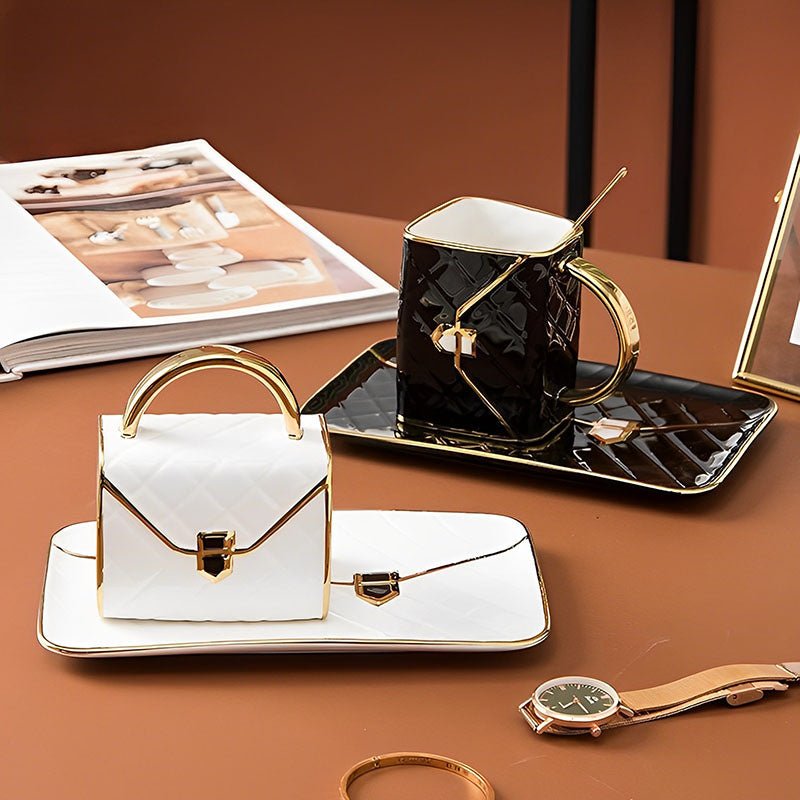
Steel Coffee Mug Buying Guide for Daily Use and Gifting
A practical guide to choosing a steel coffee mug for desks, kitchens, and gifting. We cover size, lid fit, care, and the trade-offs that matter before you buy.
Czytaj dalej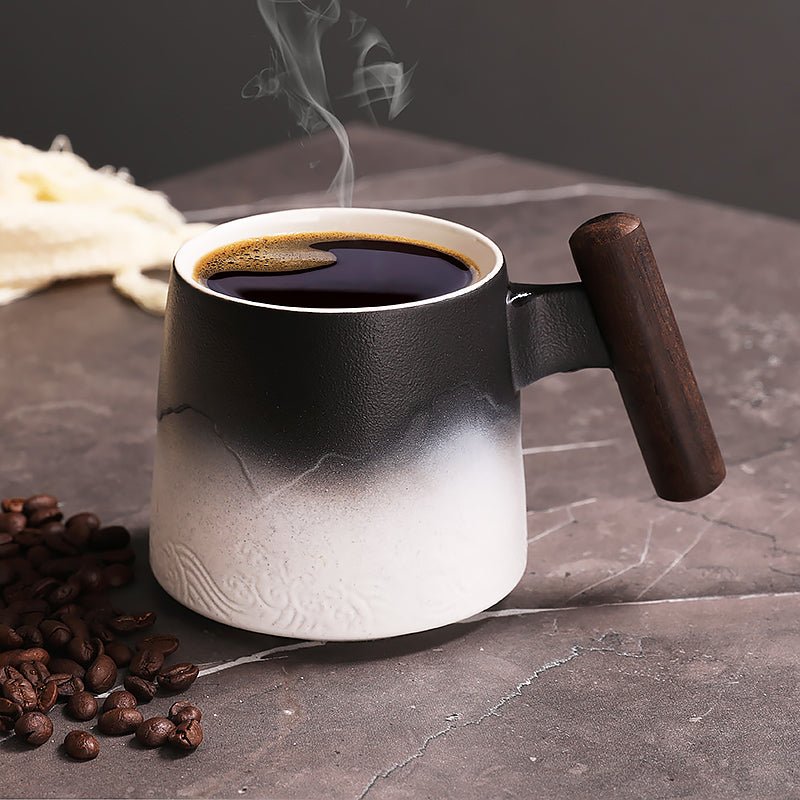
Cracker Barrel Coffee Mugs: Size, Style, and What to Check
A practical buyer’s guide to cracker barrel coffee mugs, with the details shoppers usually miss: material, capacity, handle comfort, care, and where these mugs fit best. Use it to compare styles be...
Czytaj dalej
Zostaw komentarz
Ta strona jest chroniona przez hCaptcha i obowiązują na niej Polityka prywatności i Warunki korzystania z usługi serwisu hCaptcha.