
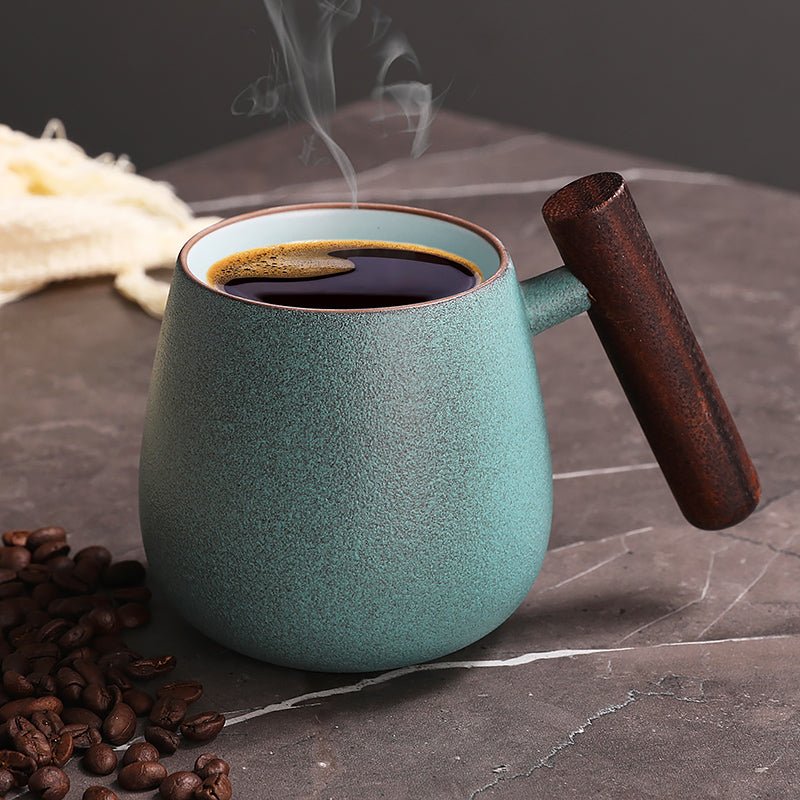
Coffee Mug Painting: What Works, What Chips, and What to Buy
Reading time: about 9 minutes
A painted mug looks finished on a desk until the first dishwasher cycle, or until the handle starts showing wear where fingers rub every morning. That is the real test for coffee mug painting, not how it looks in a photo.
We see two kinds of buyers in our store: people who want to make a one-off gift, and people who want a mug they can actually use every day. If you are in the second group, it helps to compare DIY decoration against a ready-made option like our all mugs collection, or specific finished pieces such as the Handbag Coffee Tea Mug, White Golden Waves Tall Coffee Tea Mug, and Mountain Tall Coffee Tea Mug.
coffee mug painting can work well, but only if the mug surface, paint system, and care routine match the job. A glossy ceramic mug and a microwave-safe lunchroom mug need very different treatment.
What kind of mug is easiest to paint?
The easiest mug to paint is usually a smooth, glazed ceramic mug with a simple shape. A straight-sided body gives you a cleaner canvas than a highly curved mug, and a plain white surface makes color planning much easier than a dark or patterned finish.
From a handling standpoint, these details matter more than people expect:
- Glossy glaze: It looks clean, but it can make paint slip if the surface is not washed and degreased first.
- Textured stoneware: It hides some brush marks, but fine lines and lettering can blur into the texture.
- Handle shape: A chunky handle is comfortable to hold, but it creates a hard edge where paint can chip first.
- Rim profile: A thick rim is more durable for daily drinking; a thin rim leaves less room for decoration.
For buyers comparing mug sizes before they paint, our size guides on 11 oz Coffee Mug: Size, Fit, and What to Check Before You Buy and 12 oz Coffee Mug Buying Guide for Fit, Comfort, and Daily Use are useful because wall height affects how much artwork you can fit without crowding the rim.
If you want a deeper breakdown of substrates and surface prep, our article on Coffee Mug Painting: Materials, Methods, and What Holds Up goes further on the practical side.
Which paint method lasts longest on a mug?
There is no single paint system that wins in every situation. The longest-lasting option depends on whether the mug will be decorative, hand-washed, or used daily on a kitchen counter or office desk.
| Method | Best use | Main trade-off |
|---|---|---|
| Acrylic paint pens with a clear topcoat | Simple lettering, line art, quick gift projects | Easy to use, but durability depends heavily on the sealer and cure time |
| Ceramic or enamel paint | Decorative pieces with smoother coverage | Usually better wear resistance, but the cure instructions have to be followed exactly |
| Oven-bake paint systems | Projects where the mug and paint are both made for heat-setting | Not every mug is suitable, and not every design should go through an oven |
| Porcelain markers | Fine lines, signatures, and small illustrations | Sharp detail, but mistakes are obvious and the finish can still wear with rough washing |
Our practical rule: if the mug will be handled often, hand-washed, or packed into a gift box that will be opened repeatedly, treat the design as decorative first and durable second. Do not assume any painted mug will survive repeated dishwasher cycles unless the specific paint system says so.
coffee mug painting is more forgiving on mugs that will mostly sit on a shelf, a shelf-to-desk routine, or an occasional weekend use pattern. The more often the mug is washed, heated, and stacked, the less forgiving the finish becomes.
How should you prep and paint a mug so it looks clean?
Surface prep is where a lot of projects are won or lost. The difference between a neat painted mug and one that beads, streaks, or peels is usually not artistic skill. It is grease, dust, and coat thickness.
- Wash the mug with dish soap and rinse well.
- Dry it completely, then wipe the outside with isopropyl alcohol to remove hand oils.
- Plan the design first with light pencil marks, removable tape, or a stencil.
- Keep paint away from the rim and the inside unless your paint instructions clearly allow that area.
- Apply thin coats instead of trying to cover the surface in one pass.
- Let each layer dry fully before adding the next one.
- Cure the mug exactly as the paint maker instructs, not as a shortcut routine from a random video.
- After curing, hand-wash gently and avoid soaking the mug for long periods.
Three spots deserve special attention: the rim, the handle, and the base. These areas get the most contact during daily use, which is why a design often chips there first.
If a mug will live on a desk and get washed by hand, coffee mug painting can be a good project. If it has to survive weekly dishwasher cycles, treat the finish as a low-wear decoration, not a permanent coating.
What mistakes make coffee mug painting fail in real use?
Most failures are boring, predictable, and avoidable. We see the same problems come up again and again when people try to rush the process.
- Skipping degreasing: Skin oil creates fisheyes, patchy coverage, and uneven edges.
- Painting too thickly: Heavy coats crack more easily, especially where the mug curves near the handle.
- Ignoring cure time: A mug that feels dry can still be soft underneath, which leads to smudging or transfer.
- Decorating the wrong zone: Paint near the lip wears fastest because it meets utensils, lips, and dishwater.
- Using the wrong finish for microwave use: Metallic accents and unknown sealers are a poor choice if the mug will be reheated often.
Another issue is simple texture mismatch. A design that looks crisp on a flat tabletop can turn awkward once it wraps around a curved mug body. That is why straight-sided mugs are easier for names, dates, and clean graphic lines.
If you want the look without the repair risk, a finished mug can be the safer buy. The White Golden Waves Tall Coffee Tea Mug gives you a clean, polished style without the need to prep or cure anything, while the Mountain Tall Coffee Tea Mug works better if you want a calmer, outdoorsy feel. For a more playful gift, the Handbag Coffee Tea Mug is the kind of novelty piece people usually want ready to use, not DIY-painted.
When is a finished mug a better buy than painting one?
In our store, we see painted-mug shoppers split into two camps. One camp wants the project itself. The other camp wants the final gift and does not care about the process. If you are in the second camp, buying a finished mug is usually the cleaner decision.
A ready-made mug makes more sense when:
- You need it to be presentable right away for a birthday, office exchange, or holiday gift.
- You want a mug that will be used often, not just displayed once.
- You do not want to worry about oven curing, sealing, or touch-ups.
- You prefer a design that stays consistent around the full body and handle.
That is where browsing our all mugs collection is useful. You can compare silhouettes first, then decide whether the visual finish already solves the problem better than a DIY project would.
There is also a style trade-off. Hand painting gives you uniqueness, but it also gives you uneven lines if your hand slips or the paint flows too fast. A finished mug gives you repeatable quality and predictable care. If the mug is going into a workplace kitchen or a busy family cabinet, predictability usually wins.
Which mug size works best for coffee mug painting?
For most designs, 11 oz and 12 oz mugs are the easiest starting point because they give you enough wall height for a name, quote, icon, or wraparound pattern without making the layout feel crowded. Smaller mugs can work, but they leave less room for clean spacing and more chance of the design colliding with the rim or handle.
Size affects more than artwork. It changes grip, balance, and how the mug sits on a desk next to a laptop or notebook. A taller mug gives you more vertical space for painting, while a short, squat mug can feel better in hand but leave less room for the artwork to breathe.
If you are deciding between compact and larger everyday formats, the shape notes in our 12 Ounce Coffee Mug Buying Guide for Daily Use and Better Fit are a useful comparison point before you start sketching a design. The same logic applies to coffee mug painting: choose the body first, then design around the space that body actually gives you.
One more practical point. Tall mugs with straight sides are easier for wraparound art than mugs with a strong shoulder curve. Curves can distort lettering and make repeated patterns look uneven once they travel around the body.
Frequently asked questions
Can I put a painted coffee mug in the dishwasher?
Only if the paint system and sealer explicitly say it can handle that use. Even then, frequent dishwasher cycles usually shorten the life of the design because heat, detergent, and rack contact wear the finish down. If you want the artwork to last longer, hand-washing is the safer choice.
What paint lasts longest on a ceramic mug?
There is no universal winner, because the mug, paint, and curing method all matter. Ceramic enamel or oven-bake systems often hold up better than casual craft paint, but only when they are applied and cured correctly. If you skip the cure step, even a better paint can fail early.
Do I need to seal coffee mug painting?
Usually yes, unless the product instructions say the paint is self-setting. A sealer can help protect the design, but it is not magic, and some sealers are not suitable for heat or microwave use. Always check the label for the specific use case before you commit.
Can I paint the inside of a mug?
We do not recommend painting the drinking surface unless the paint system is specifically made for that area and for the way you plan to use the mug. The inside gets the harshest contact from heat, liquid, and cleaning, so it is the first place where a weak finish will fail. Most DIY work is better kept on the outside wall.
Is a tall mug harder to paint?
Not necessarily. A tall mug can actually be easier for vertical designs, initials, and wraparound patterns because it gives you more uninterrupted space. The only downside is that a strong curve or tapered body can distort the artwork more quickly than a straight-sided mug.
If you want the finished look instead of the drying, curing, and touch-up work, start with the all mugs collection, compare the shapes, and choose the one that gives your design the most room to breathe.
Read more
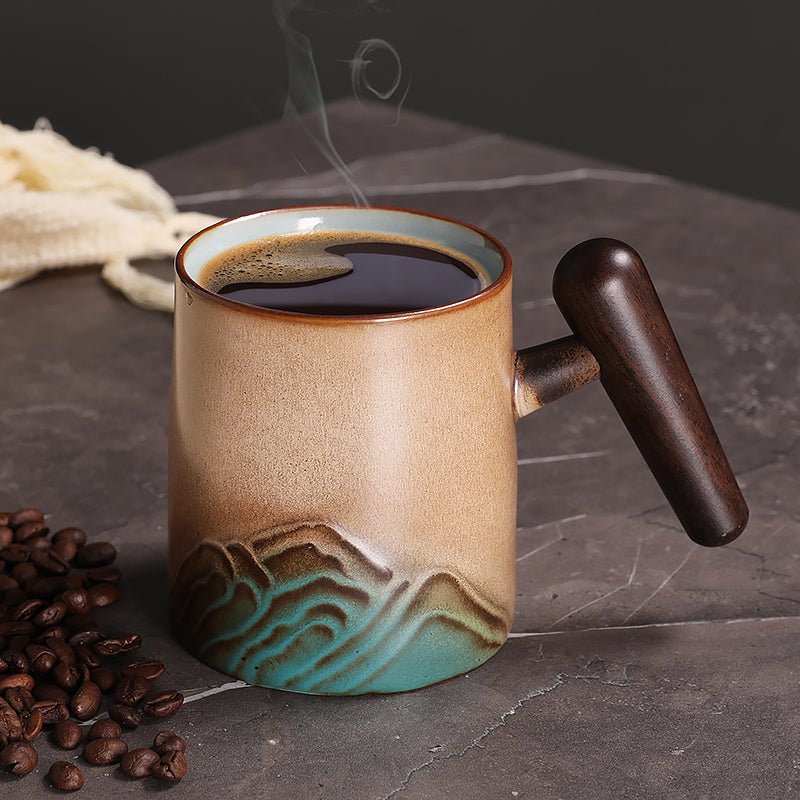
20 oz Coffee Mugs: Size, Fit, and What to Buy
Our take on 20 oz coffee mugs: what the size feels like on a real counter, which shapes are easier to live with, and where a smaller mug still makes more sense.
Czytaj dalej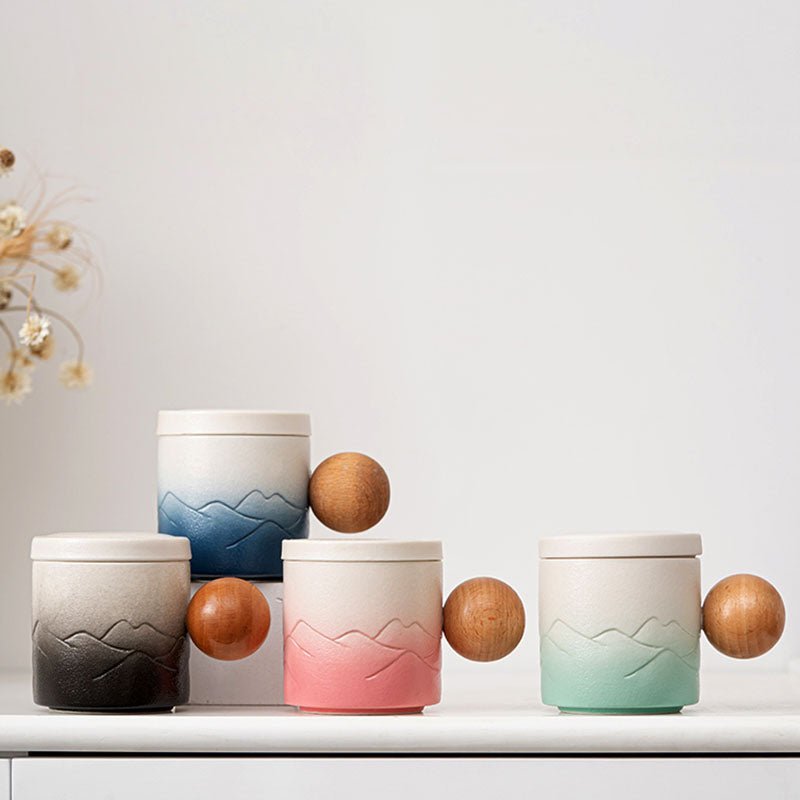
Handmade Ceramic Coffee Mugs for Daily Use
Compare handmade ceramic coffee mugs by shape, grip, glaze feel, and cleanup so you can choose a mug that fits your daily routine, not just your shelf.
Czytaj dalej
Zostaw komentarz
Ta strona jest chroniona przez hCaptcha i obowiązują na niej Polityka prywatności i Warunki korzystania z usługi serwisu hCaptcha.