
Coffee Mug Measurement Guide: How to Check Size Before You Buy
Reading time: about 10 minutes
We see this in our store all the time: a mug looks right in the photo, then it lands on the desk and the handle feels tight, the mouth is wider than expected, or it only holds the amount of coffee you actually drink if you skip cream. Coffee mug measurement is not just the number on the label. It is the combination of usable volume, rim width, body height, handle clearance, and how the mug behaves on a kitchen counter, under a coffee machine, or after a dishwasher cycle.
If you are shopping before you buy, start with the real question: what do you want the mug to do every day? A mug for a quick black coffee has a different shape problem than a mug for latte foam, tea bags, or a long office morning. If you want to compare options first, our full mug collection is the fastest place to look across styles and sizes.
What does coffee mug measurement actually tell you?
Most listings lead with capacity, usually in ounces or milliliters. That helps, but it does not tell the whole story. A mug can be marked 11 oz and still feel smaller than another 11 oz mug because one has thicker walls, a heavier base, or a wider mouth. That is why we check more than one dimension before we recommend a mug to a customer.
| What to measure | Why it matters | What buyers notice |
|---|---|---|
| Capacity | Tells you the nominal fill size | How much coffee fits before the rim |
| Rim diameter | Changes heat loss, aroma, and sip feel | Whether the mug feels open or compact |
| Overall height | Affects shelf fit and machine clearance | Whether it fits under a brewer or cabinet |
| Base diameter | Determines stability | Whether it feels steady on a desk |
| Handle clearance | Controls finger room and grip comfort | Whether the mug pinches your hand |
In practice, the same ounce number can describe two very different mugs. One may be short and broad. Another may be tall and narrow. If you have ever compared a compact mug to a taller one from [our 10 oz Coffee Mug: Size, Fit, and What to Check Before You Buy](https://coffeifymug.com/blogs/news/10-oz-coffee-mug-size-fit-what-to-check-before-you-buy-a337d4), you already know the shape can matter as much as the capacity.
Why does usable volume differ from the number on the box?
Because the printed number is often a brimful capacity, not the amount people actually drink. Most of us leave headroom for cream, milk, foam, or just to avoid spills while carrying the mug from the kitchen to the desk. A mug with a thick lip or a tall inner curve can also lose a little usable space even if the label looks generous.
That trade-off is real. A bigger mug is not always better. If you want a concentrated pour, a shorter drink, or a mug that fits under a low pod machine, a large cup can be a bad fit. On the other hand, if you top off with milk or sit through long meetings, a small mug runs out too fast and gets reheated more often than people like.
Our team looks at the use case first. For many buyers, the middle ground is the most practical. If you are comparing that in-between size, our [11 oz Coffee Mug: Size, Fit, and What to Check Before You Buy](https://coffeifymug.com/blogs/news/11-oz-coffee-mug-size-fit-and-what-to-check-before-you-buy-ea5bce) is a useful checkpoint before you commit to a style.
Some buyers also overestimate how much foam, ice, or milk changes the drink. A latte-style pour needs more vertical space than black coffee. Tea needs room for a bag or infuser. That is why a mug that measures well on paper can still feel cramped in daily use.
How do you measure a mug at home before buying?
You do not need lab equipment. A ruler, a measuring cup, and five minutes on the counter will tell you enough to avoid most mistakes. We use the same basic checks when we inspect inventory, because a mug that rocks on the table or feels awkward in the hand usually shows the problem right away.
- Measure the height from the bottom foot to the rim.
- Measure the widest point across the mouth.
- Measure the base width so you know how stable it will feel.
- Check the handle opening with your fingers if possible. Two fingers should fit without scraping the glaze or the body.
- Test usable volume by filling the mug with water to your normal drinking level, not all the way to the top.
If you already own a mug you like, use it as a reference. Fill it with water, pour that water into a measuring cup, and note the amount at your usual drink level. That gives you a more honest benchmark than a store label does. If the mug will live under a cabinet or brewer, measure that clearance too. A mug that fits your hand but not your machine is not a useful buy.
For buyers who compare around a known size, our [12 oz Coffee Mug Buying Guide for Fit, Comfort, and Daily Use](https://coffeifymug.com/blogs/news/12-oz-coffee-mug-buying-guide-for-fit-comfort-and-daily-use) goes deeper into what that size actually suits, and where it starts to feel oversized.
Which size works best for coffee, tea, and office use?
There is no universal best size. The right mug depends on how you drink, how long the drink sits, and where you keep it. We usually frame it this way:
- 8 to 10 oz: best for smaller pours, espresso-based drinks with less milk, tea, and people who want a cup that stays manageable in one hand.
- 11 to 12 oz: the most common everyday range for drip coffee, pour-over, and desk use where you want one full mug without constant refills.
- 13 oz and up: useful for long mornings, larger teas, or buyers who add milk, but less ideal for compact coffee stations and low-clearance brewers.
If you want a lighter, more compact option, our 10 oz article above is the better comparison point. If you want a more everyday, standard-size mug, the 11 oz and 12 oz guides are the stronger references. The reason we separate them is simple: the difference between 10 oz and 12 oz is small on paper, but it is obvious once you hold the mug, fill it, and set it down beside a keyboard or sink.
For office desks, the practical checks are stability and spill tolerance. A mug with a narrow base and wide top can feel elegant but may not be the safest choice next to a laptop. For breakfast tables, a wider mouth can make the mug easier to drink from. For a kitchen shelf, overall height matters more than volume. That is the kind of real-world trade-off coffee mug measurement is supposed to answer.
Which material and shape details change the fit in real use?
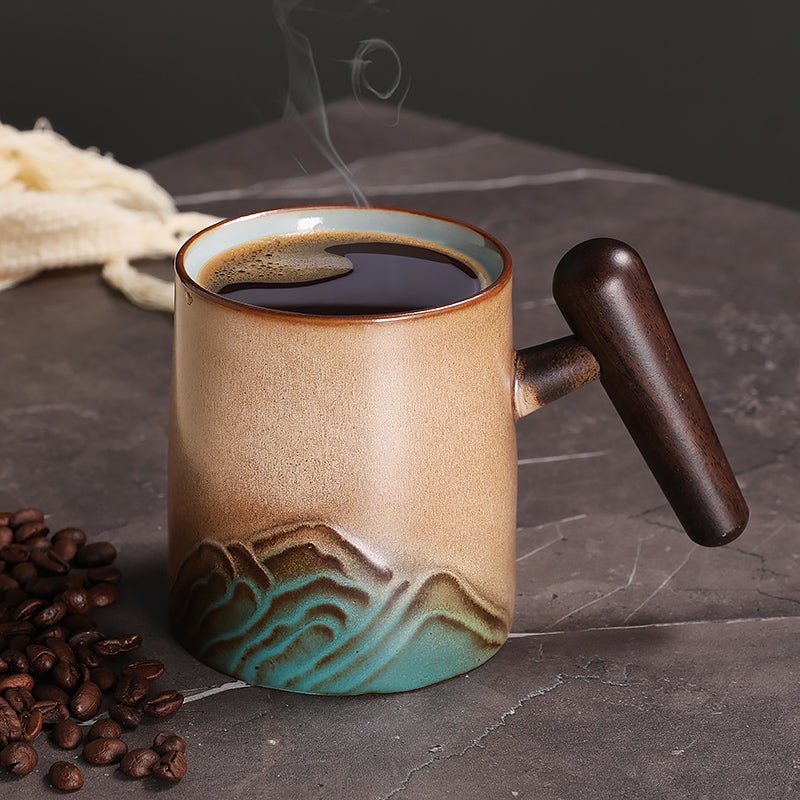
Material is not just a style choice. It changes weight, heat retention, care routine, and how the mug feels after three or four refills. In our experience, ceramic and stoneware are the most forgiving for daily use because they usually balance weight and heat well. A wooden handle changes the feel again. It can be comfortable and visually distinctive, but it usually asks for more careful handling than a plain glazed mug.
Shape matters just as much. A straight-sided mug often feels easier to gauge because the volume is predictable. A tapered mug can look smaller on the shelf but still hold plenty. A wide-mouth mug cools faster and may suit tea drinkers who do not want the drink staying hot too long. A thicker wall can make the mug feel more substantial, but it also reduces the space inside.
If you are comparing styles, our Christmas Coffee Tea Mug is the kind of seasonal ceramic piece people buy for gifting and home use, while the Green Waves Coffee Tea Mug gives you a cleaner everyday look. The Mountain Sea II Coffee Tea Mug with Wooden Handle is the clearest example of how a handle changes the buying decision: it affects grip, visual weight, and care expectations.
We also check for common defect modes that shoppers rarely see in photos. A slightly uneven foot ring can make a mug wobble on a flat counter. Rough glaze at the rim can make sipping uncomfortable. Fine crazing in the glaze can show up after repeated dishwasher cycles, especially on mugs that already had stress in the firing process. These are not reasons to panic, but they are the details that separate a mug you keep from one you stop reaching for.
That is also where care matters. A glazed ceramic mug is usually straightforward to wash. A mug with decorative printing or a natural wood component may need gentler treatment to keep it looking good longer. If easy cleanup is your top priority, a plain ceramic build is usually the safer choice.
Frequently asked questions
Is a 12 oz mug actually 12 oz of coffee?
Usually not in the way most people drink it. The listed size is often a full-to-the-rim capacity, while real use leaves room for cream, foam, or spill protection. If you drink near the rim, you will get closer to the label, but that is not the normal everyday fill level.
How do I measure mug capacity without special tools?
Fill the mug with water to the level you would actually drink from, then pour that water into a measuring cup. That gives you a more useful number than guessing from the outside shape. If you want a repeatable reference, do the same test with a mug you already like.
What size mug is best for black coffee?
Most black coffee drinkers are comfortable in the 8 to 12 oz range, depending on how much they pour and how long they want it to stay hot. A smaller mug works well if you want a concentrated drink and faster finishing time. A 12 oz mug is better if you dislike refilling or you keep the cup at a desk for a while.
Are wooden-handle mugs harder to care for?
Usually yes, at least a little. The wooden part benefits from gentler washing and more attention than a fully glazed ceramic mug. If you want the easiest daily routine, a plain ceramic mug is the lower-maintenance option.
What should I check if the mug is a gift?
Check the size first, then the feel in the hand, then the overall presentation. Gifts fail when they look nice but feel awkward to hold or do not fit the recipient’s coffee routine. A balanced shape with a comfortable handle is usually a better gift than a mug that only wins on appearance.
What should you compare before you buy?
If you want the shortest possible checklist, use this:
- Capacity in ounces, but compare the usable fill level, not just the label.
- Rim width and overall height, especially if the mug must fit under a machine or cabinet.
- Handle clearance, because a mug that looks fine online can feel cramped in real use.
- Base stability, especially for desks and crowded countertops.
- Material and care, including whether the mug has a wood accent, printed finish, or a fully glazed surface.
For shoppers who prefer to compare by size before styling, the easiest next step is to open the mug that matches your routine, then work backward from there. Start with the collection, compare the 10 oz, 11 oz, and 12 oz guides if you are unsure, and then pick the mug that fits your counter, your machine, and your hand instead of just the label.
More from our blog
Read more
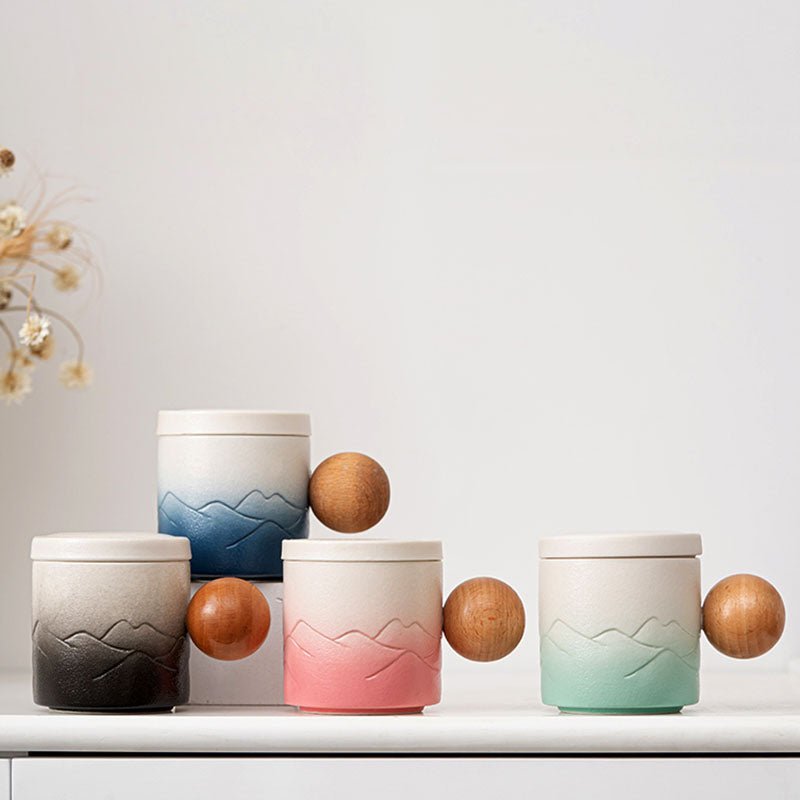
16 Ounce Ceramic Coffee Mugs: Buying Guide for Daily Use
A practical guide to 16 ounce ceramic coffee mugs, including shape, weight, handle comfort, and which styles work best for coffee, tea, and desk use. We also point out the trade-offs so you can cho...
Czytaj dalej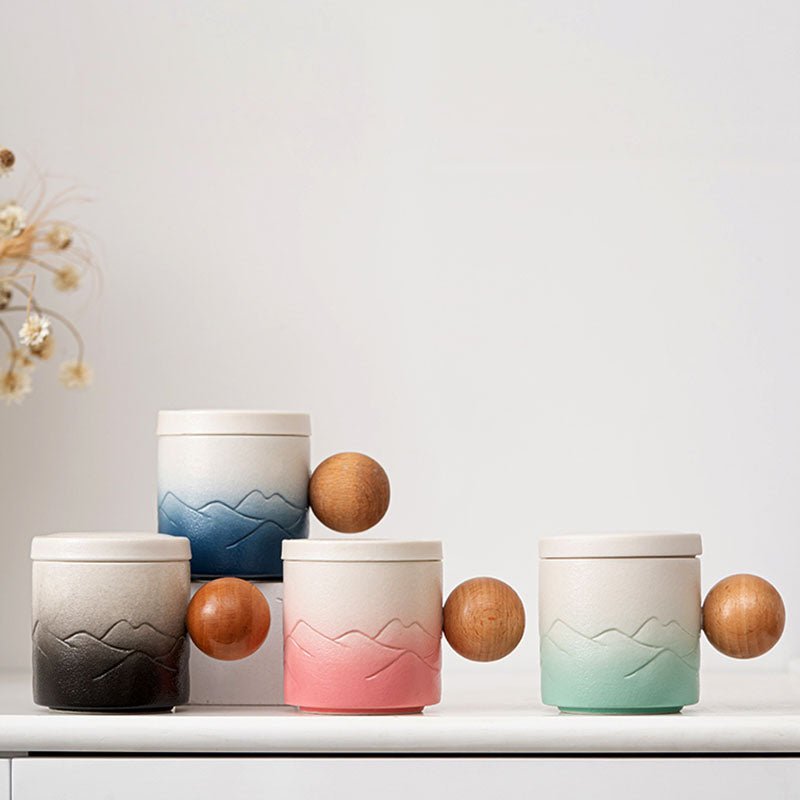
Two and a Half Men Coffee Mugs: Best Styles for Daily Use
A practical guide to two and a half men coffee mugs, with style comparisons, care tips, and the mugs we would actually put on a desk, in a gift bag, or on a shelf. We also point you to the best mat...
Czytaj dalej
Zostaw komentarz
Ta strona jest chroniona przez hCaptcha i obowiązują na niej Polityka prywatności i Warunki korzystania z usługi serwisu hCaptcha.