
Coffee Mug Meals: What Works, What to Avoid, and the Best Mug Size
Reading time: about 9 minutes
A mug that works for coffee can be awkward for an egg cup, a mug cake, or oats that rise in the microwave. We see that mismatch a lot in our store: shoppers want one cup that can move from coffee to food without splashing over the rim or feeling too narrow to stir.
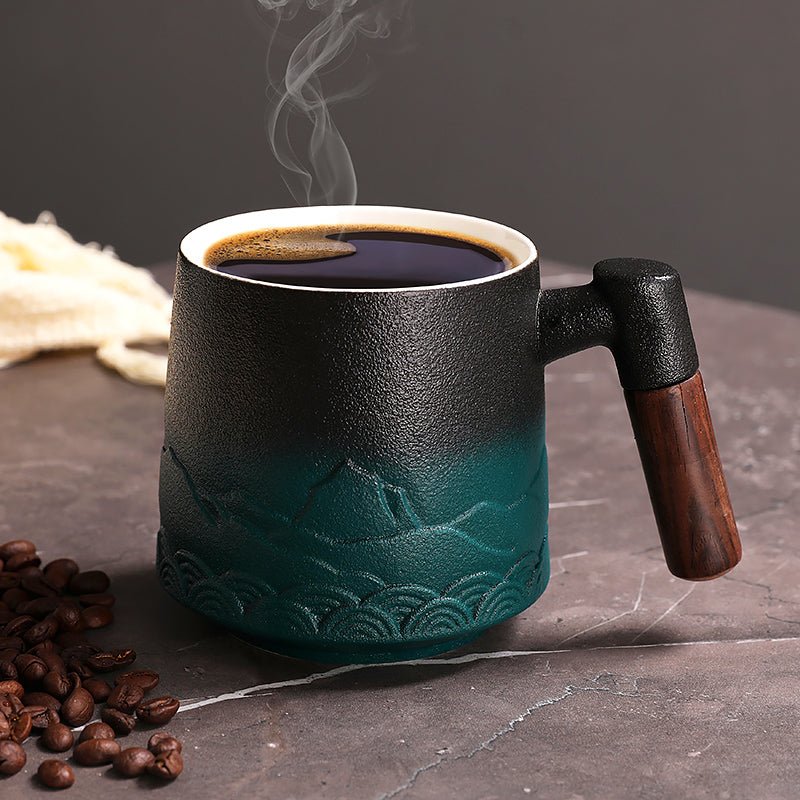
That is why coffee mug meals are less about a trendy recipe and more about picking the right vessel. The best results usually come from a mug with enough headroom, a stable base, a comfortable handle, and a smooth glazed interior that wipes clean after something starchy or cheesy.
If you want to shop the category while you read, two tall options that fit the conversation well are Mountain Tall Coffee Tea Mug and White Golden Waves Tall Coffee Tea Mug. For a playful everyday piece that still works for drinks and small portions, Handbag Coffee Tea Mug is worth a look. If you want to compare the wider range first, start with our full collection.
What are coffee mug meals, exactly?
Coffee mug meals are single-serve foods made directly in a mug or assembled in one for quick heating and eating. Most shoppers mean microwave-friendly recipes like mug cakes, egg cups, oatmeal, custards, or small savory bakes that do not need a full pan.
They work best for fast, low-mess food on a kitchen counter, at a desk, or in an office kitchenette. They are not a replacement for real bakeware. A mug is a compromise: convenient, but limited by shape, volume, and heat distribution.
In our experience, the best mug meals share three traits:
- They do not rise aggressively.
- They cook evenly in short microwave bursts.
- They taste fine without a crisp top or browned edges.
If a recipe depends on a crust, broiler finish, or a large amount of stirring, a mug is the wrong tool.
Which mug shape works best for coffee mug meals?
Shape matters as much as capacity. A tall mug gives you more vertical room for batter, oats, or eggs that puff up as they heat. A wider mug is easier to stir, but it also gives splashes more room to spread and can cool faster around the edges.
We usually steer shoppers toward a tall ceramic mug for food use because it gives a little more protection against boil-overs. That is why the two tall mugs above make sense for mug meals: the taller walls are practical, not just decorative.
Look for these details before you buy:
- Smooth interior glaze, so batter and cheese do not cling to micro-texture.
- A handle with real finger clearance, especially if you move the mug from microwave to desk while it is hot.
- A flat, stable foot, so the mug does not wobble on a crowded counter.
- A rim that is not too thin, because very thin rims can feel sharp when you sip broth or soup-like recipes.
For buyers comparing daily coffee mugs against occasional food use, the ounce number is only part of the story. The wall height and opening width often change how a mug performs more than the label does.
| Mug trait | Why it matters | Good for | Watch out for |
|---|---|---|---|
| 10 oz size | Tighter volume, less headroom | Small custards, light oatmeal, modest portions | Overflow if the recipe rises or foams |
| 11 oz size | Balanced daily-use capacity | Mug cakes, egg cups, coffee plus food | Some recipes still need extra stirring room |
| 12 oz size | More headroom and flexibility | Larger oatmeal portions, savory mug bakes | Can feel bulky for small hands or espresso-style drinks |
| Tall profile | Reduces splash risk | Rising batter, microwaved eggs, layered recipes | Sometimes harder to stir at the bottom |
| Wide profile | Easier stirring and topping | Fast mixing, shallow breakfasts | More spill risk and quicker cooling |
If you are sizing by capacity, our 11 oz Coffee Mug Buying Guide for Daily Use and Better Fit and 12 oz Coffee Mug Buying Guide for Fit, Comfort, and Daily Use explain why two mugs with the same ounce count can still feel very different in the hand. For a tighter comparison, the 10 oz Coffee Mug: What Fits, What Doesn’t, and What to Buy article is a useful starting point.
Which coffee mug meals actually work well?
Some recipes are made for mug life. Others sound easier than they are. We test around the kinds of meals people actually make between meetings, after school drop-off, or on a slow weekend morning.
These usually work best:
- Mug oats - Fast, forgiving, and easy to portion. Use a tall mug if you add milk and expect bubbling.
- Egg cups - Good for a quick breakfast, but only if you whisk well and stop the microwave often enough to avoid rubbery edges.
- Mug cakes - Best in an 11 oz or 12 oz mug so the batter has room to rise without climbing over the rim.
- Small savory bakes - Think cheese, egg, herbs, and a little diced vegetable. These are better in a mug with a smooth glaze and a wider opening for spooning.
- Single-serve reheats - Leftover sides or spoonable dishes can work if the mug is large enough and you do not overfill it.
What we do not recommend is trying to force a full meal into a small mug just because it is convenient. A crowded mug cooks unevenly. The outside overheats while the center stays wet, and the cleanup becomes more annoying than the time you saved.
What should you avoid making in a coffee mug?
Some foods fight the format from the start. A mug is not good for anything that needs a crisp crust, a long simmer, or a large amount of stirring once it begins to set.
- Batter-heavy recipes with a strong rise - They can overflow fast, especially in a 10 oz mug.
- Recipes that need browning - Microwaves heat food, they do not brown it the way an oven does.
- Large noodle portions - The mug is usually too small, and the texture turns inconsistent.
- Very thick mixtures - Peanut-butter-heavy or flour-dense mixes tend to heat in patches unless stirred often.
There is also a material trade-off. A glossy ceramic mug is easier to clean and usually more pleasant for food use, but it is still not immune to wear. If you see hairline cracks, crazing in the glaze, a chipped lip, or a base that rocks on the counter, do not use that mug for hot food. Those are not cosmetic issues once heat and moisture enter the picture.
How do you keep a mug meal from overflowing or cooking unevenly?
The practical part matters here. Most failures are not about the recipe. They are about fill level, microwave timing, and using the wrong mug shape.
We recommend this simple process:
- Start with a mug that leaves at least a little empty space above the food line.
- Fill only about halfway to two-thirds full if the recipe rises.
- Stir well before heating, then stop and stir again during cooking if the texture allows it.
- Use short microwave bursts instead of one long blast.
- Let the mug sit for a minute before eating, because the contents keep cooking after the microwave stops.
- Place the mug on a plate if your microwave turntable or counter area is cramped.
That last point sounds small, but it saves mess. We have seen plenty of mugs arrive back at the sink with overflow baked onto the rim because the recipe had no room to rise. A little headroom is often the difference between a clean breakfast and a sticky one.
How should you clean and care for a mug used for food?
Mugs that carry both coffee and food need a little more attention than a display-only cup. Fatty or starchy recipes can leave a film that coffee alone would not.
Use warm water, a mild dish soap, and a soft sponge. If the mug has a detailed printed exterior or a delicate decorative finish, avoid abrasive pads unless the maker says the surface can handle them. We also suggest letting the mug cool before rinsing it under cold water. Sudden temperature changes are one of the easiest ways to stress ceramic.
Two common wear points are worth checking:
- The inside base, where utensils can leave faint scratches over time.
- The handle joint, where stress lines can show up first if a mug is repeatedly heated, cooled, and stacked.
If you are buying for regular use, a mug with a durable glaze and a comfortable handle is usually the safer long-term choice than a very delicate decorative piece.
Which mug should you buy if you want coffee mug meals often?
If mug meals are going to be part of your routine, we would shop for the mug the way a cook shops for a pan: by shape, stability, and cleanup, not just style.
- Choose 10 oz if you want a coffee-first mug and only occasional small portions.
- Choose 11 oz if you want one mug that handles daily coffee and the occasional mug cake or egg cup.
- Choose 12 oz if you want more room for oats, batter, or savory fillings that rise.
- Choose a tall profile if overflow is your main worry.
- Choose a wide profile if you stir a lot and do not mind giving up some splash protection.
That is why we usually point shoppers toward the full range first, then narrow by use case. If you only look at aesthetics, it is easy to end up with a pretty mug that is annoying to cook in.
Frequently asked questions
What makes a mug good for coffee mug meals?
A good mug for coffee mug meals has enough headroom, a stable base, and a smooth glazed interior that cleans easily. Taller mugs usually work better than very shallow ones because they reduce splash risk when food rises or bubbles.
Is a 10 oz mug too small for mug cakes?
Often, yes. A 10 oz mug can work for very small recipes, but many mug cakes rise enough that a 10 oz cup feels tight. An 11 oz or 12 oz mug gives you more margin and usually less cleanup.
Can I use any ceramic mug in the microwave?
No. Only use mugs that the manufacturer says are microwave safe. Even ceramic can be a poor choice if it has metallic decoration, hidden cracks, or a glaze that does not hold up well under repeated heating.
What coffee mug meals are best for beginners?
Oatmeal and simple egg cups are the easiest starting points because they are forgiving and cook in short intervals. Mug cakes are popular too, but they need better portion control and more attention to avoid overflow.
What should I avoid if I want less mess?
Avoid recipes that rise a lot, froth heavily, or need vigorous stirring after heating starts. A taller mug, a smaller fill level, and short microwave bursts make the biggest difference in keeping the counter clean.
If you want one mug that can handle coffee first and an occasional meal second, start by comparing the tall mugs in our full collection. Then check the shape, the interior finish, and the headroom before you pick the style that fits your kitchen, your desk, and the recipes you actually make.
Read more
Wooden Coffee Cup Buying Guide for Daily Use and Gifts
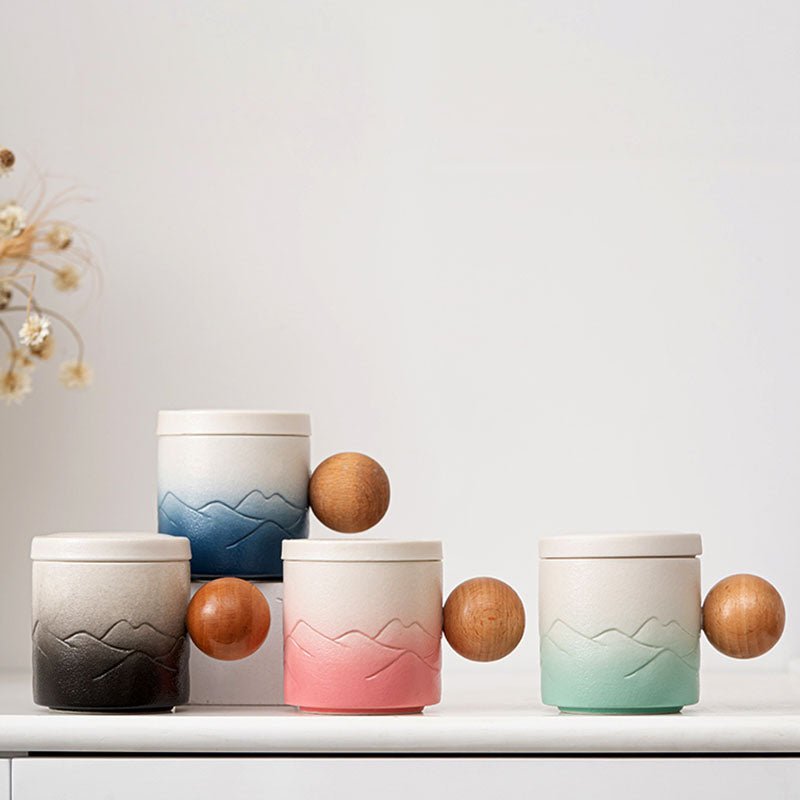
A practical wooden coffee cup guide that compares everyday use, office desks, and gifting, with care tips, trade-offs, and the styles we stock most often.
Czytaj dalej
French Bulldog Coffee Mug: How to Choose One for Daily Use
A French bulldog coffee mug should look good on the shelf and feel right in the hand. We break down size, handle comfort, print quality, and giftability so you can buy the right one the first time.
Czytaj dalej
Zostaw komentarz
Ta strona jest chroniona przez hCaptcha i obowiązują na niej Polityka prywatności i Warunki korzystania z usługi serwisu hCaptcha.