

Coffee Mug Holders: How to Choose the Right Style for Your Space
Reading time: about 9 minutes
A crowded counter usually tells the story first: one mug balanced on the espresso machine, two more packed into a cabinet, and a favorite cup that never quite lands in the same place twice. That is the point where coffee mug holders start doing real work, not just decorating a shelf.
We see the same pattern in our store conversations all the time. People want storage that keeps mugs easy to grab, keeps handles intact, and does not turn the kitchen into a cluttered display. If you are comparing options, start with the space you actually have, then choose the holder style that fits how you use mugs day to day.
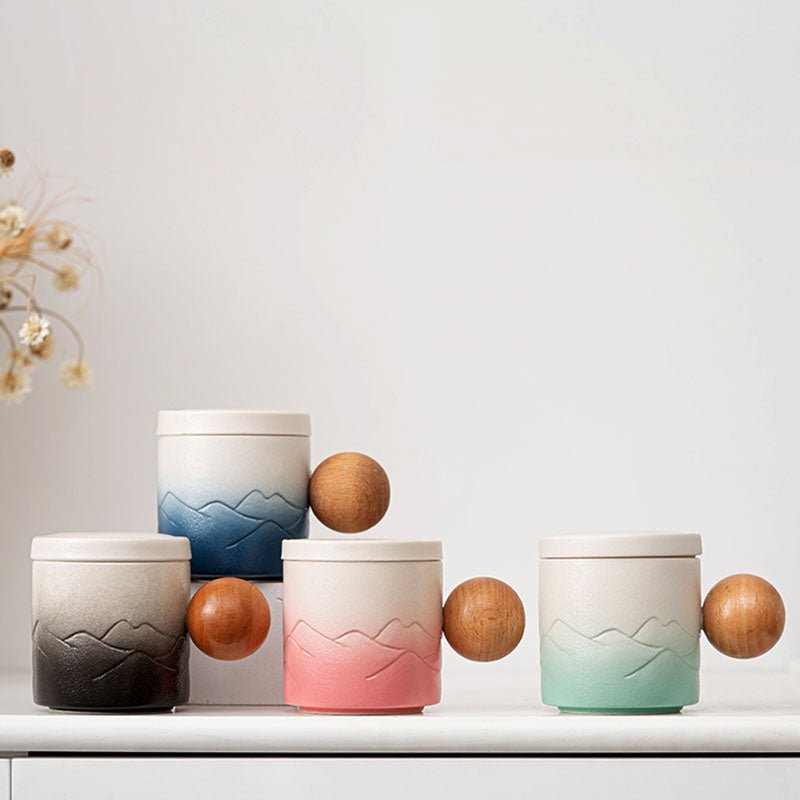
If you are also pairing storage with new drinkware, it helps to look at the mug itself as part of the setup. For example, our Green Waves Coffee Tea Mug, Mountain Sea II Coffee Tea Mug with Wooden Handle, and The Cloud Coffee Tea Mug Wooden Handle each suit a different kind of holder display, from open shelves to hooks to countertop storage.
For a broader look at the range we carry, our all products collection is the fastest place to compare shapes and finishes before you decide how much space your holder needs.
What kind of coffee mug holder fits your space?
The right holder depends less on style trends and more on where the mugs live. A countertop kitchen, a narrow office shelf, and a café-style wall display all need different setups. The wrong choice usually fails in one of two ways: it takes up too much room, or it makes the mugs awkward to reach.
Here is the practical breakdown we use when helping shoppers compare coffee mug holders:
- Countertop mug trees work well if you want quick access and do not mind seeing the mugs on display.
- Wall-mounted racks save counter space, but they need secure installation and a wall you can actually drill into.
- Under-cabinet hooks are useful in small kitchens, though they depend on cabinet clearance and mug handle shape.
- Shelf organizers fit neatly into open storage, but they usually work best with lighter mugs and regular everyday rotation.
If your mugs are tall or have thicker handles, measure before you buy. In our experience, the most common fit mistake is not the base diameter but handle clearance. A rack that looks fine online can feel cramped once a mug swings into the next one.
If you want a deeper fit check before buying drinkware for a holder, our guides on 11 oz Coffee Mug: Size, Fit, and What to Check Before You Buy and 12 oz Coffee Mug Buying Guide for Fit, Comfort, and Daily Use are useful references.
Which material is best for daily use?
Material affects more than appearance. It changes stability, cleaning effort, and how forgiving the holder feels once you start using it every day.
| Material | Best for | Trade-off |
|---|---|---|
| Metal | Durability and heavier mugs | Can scratch counters if the base is unfinished |
| Wood | Warm look and lighter display setups | Needs more care around water and steam |
| Ceramic or stoneware accents | Decorative shelves and coordinated sets | Less forgiving if knocked or overloaded |
We like metal racks for busy kitchens because they usually hold up better to daily grabbing and returning. Wood is better if the holder is meant to feel like part of the room rather than a utility object. Ceramic display pieces can look polished, but they are not the best choice for a high-traffic office kitchen where mugs are constantly moved around.
There are also small maintenance details that matter. A metal rack should stay dry where possible so the finish does not wear unevenly. Wood holders should be wiped with a damp cloth and dried right away rather than left under a wet mug. If the base has felt pads, check them every so often; once they loosen, the holder starts sliding and can scuff the surface underneath.
What features separate a useful holder from a frustrating one?
The difference is usually in the details customers only notice after a week of use. A good holder is stable, easy to clean, and sized for the mugs you already own. A weak one looks fine on the first day and then becomes annoying every morning after that.
- Stable base: The holder should not tip when you hang or remove a mug with one hand.
- Handle clearance: Hooks and pegs need enough spacing so mugs do not collide.
- Easy cleaning: Dust, coffee drips, and steam residue should be easy to wipe off.
- Finish quality: Look for smooth edges and joints so mugs and hands are not catching on rough spots.
- Right capacity: Buy for the number of mugs you actually use, not the number you hope to display.
Common defect modes are worth watching for. On cheaper holders, we often see wobble at the base, hooks that are too close together, and finishes that start looking tired after repeated wiping. On wooden pieces, the weak points are usually finish wear and swelling if they sit near a sink or kettle. If the holder is meant for a cabinet or a shared office, these issues show up faster than they do in a staged product photo.
This is also where mug size matters. Our collection includes designs that feel at home on a display shelf, but the mug itself still needs to sit comfortably on the holder. If you are comparing mug dimensions before choosing storage, the article 10 oz Coffee Mug: What Fits, What Doesn’t, and What to Buy is a practical place to start.
Which holder style works best for a kitchen, office, or gift display?
Different settings change what matters most. A kitchen usually needs speed and easy cleaning. An office needs order and low clutter. A gift display needs visual balance and enough space between pieces so each mug can stand out.
For a kitchen counter, a countertop holder or wall rack usually makes the most sense. It keeps mugs close to the coffee maker and cuts down on cabinet searching. For an office desk or break room, a compact rack is usually better than a large tree because it keeps the visual noise lower. For a gift table or retail-style display, open shelving gives the cleanest presentation, but only if the mug shapes are consistent.
We often suggest shoppers think about the mug finish too. The Mountain Sea II Coffee Tea Mug with Wooden Handle has a different feel from the The Cloud Coffee Tea Mug Wooden Handle, and those differences matter when the mugs are hanging side by side. A holder is not just storage. It is part of how the mug is seen and used.
One practical limitation: if you rotate mugs often, a display-first holder may not be the best choice. Decorative setups are slower to use, and the prettiest layout can become inconvenient if you need the same mug every morning before work.
How do we choose mugs that work well with holders?
At our store, we look for shapes that are easy to lift, easy to clean, and easy to store. That means a comfortable handle, a stable body, and a finish that does not feel fragile in regular use. A mug can look great on a page and still be awkward on a hook if the handle is too narrow or the profile is too bulky.
These are the buying details we pay attention to:
- Handle shape: Make sure fingers fit without forcing the wrist into an odd angle.
- Base stability: A flatter base usually sits better on shelves and trays.
- Surface finish: Matte and glazed finishes both work, but they age differently with repeated washing.
- Cleaning routine: If a mug is used daily, the design should tolerate regular dishwasher cycles or easy hand washing, depending on the care instructions.
The Green Waves Coffee Tea Mug is a good example of a mug that can be part of a display without looking overly formal. It works best where the holder is meant to feel intentional, not purely utilitarian. If your main goal is high-capacity storage, a simpler shape may be the better fit.
For shoppers deciding between decorative and practical setups, our article Coffee Mug Holders: How to Choose the Right Style for Your Space goes deeper on matching holder style to room layout.
What should you check before you buy coffee mug holders?
Before you click buy, run through the same checklist we use in our own store reviews and product comparisons:
- Measure the counter, shelf, or cabinet space where the holder will sit.
- Count the mugs you actually use on a weekly basis.
- Check handle clearance, especially if your mugs are thicker or wider than average.
- Decide whether the holder should hide clutter or display the mugs openly.
- Think about maintenance: dusting, wiping, and drying around steam or sink splash.
That last point matters more than most people expect. A beautiful holder placed too close to a kettle or sink will age faster than one kept in a dry corner. Likewise, a heavy rack on a flimsy shelf is a bad pairing even if the style matches the room.
If you want to compare holders with matching drinkware in one place, start with our all products collection. It is the simplest way to judge how a mug and its storage setup will work together before you commit.
Frequently asked questions
How many mugs should a coffee mug holder hold?
Buy for the number you reach for regularly, not the number you own. A holder that fits four daily mugs usually works better than a larger one that ends up half full and crowded with rarely used pieces.
Are wall-mounted coffee mug holders better than countertop holders?
Wall-mounted holders save counter space and can look cleaner, but they need secure installation and the right wall material. Countertop holders are easier to move and simpler for renters or shared spaces.
What type of mug is hardest to store on holders?
Very wide mugs, mugs with oversized handles, and unusually tall mugs tend to be the hardest fit. Those shapes can crowd neighboring mugs or sit awkwardly on hooks and pegs.
How do I clean a wooden coffee mug holder?
Use a slightly damp cloth, then dry it right away. Do not leave pooled water or repeated steam exposure on the surface, since that is where wood finishes usually wear first.
Can I use coffee mug holders for tea mugs too?
Yes. Most coffee mug holders work just as well for tea mugs, provided the handle and overall shape fit the rack or shelf spacing. The key is still clearance and weight balance, not the drink inside the cup.
If you are ready to narrow it down, compare your space, your mug count, and the style you want to see every day. Then move into the holder type that matches that setup, and check the all products collection alongside the mug shapes you plan to store.
Read more
Otagiri Coffee Mug Buying Guide for Condition, Size, and Daily Use
A practical guide to buying an otagiri coffee mug, from glaze condition and maker marks to the best modern alternatives for everyday use.
Czytaj dalej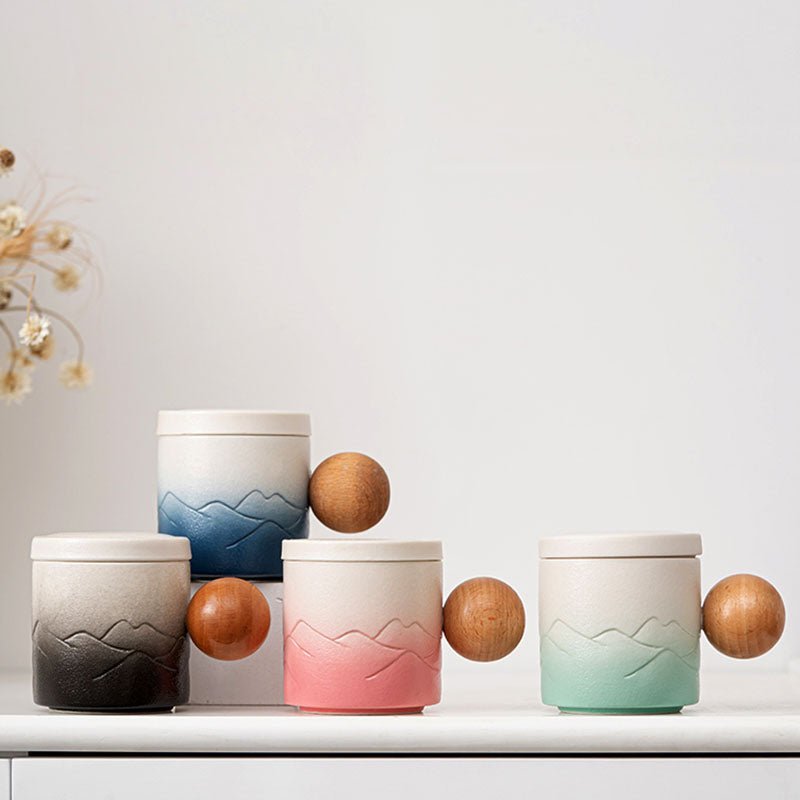
Steel Coffee Mug Buying Guide for Daily Use and Gifting
A steel coffee mug can be the right pick for desks, kitchens, and gifting when you want something durable and easy to live with. This guide covers the trade-offs, care, and the details we check bef...
Czytaj dalej
Zostaw komentarz
Ta strona jest chroniona przez hCaptcha i obowiązują na niej Polityka prywatności i Warunki korzystania z usługi serwisu hCaptcha.