
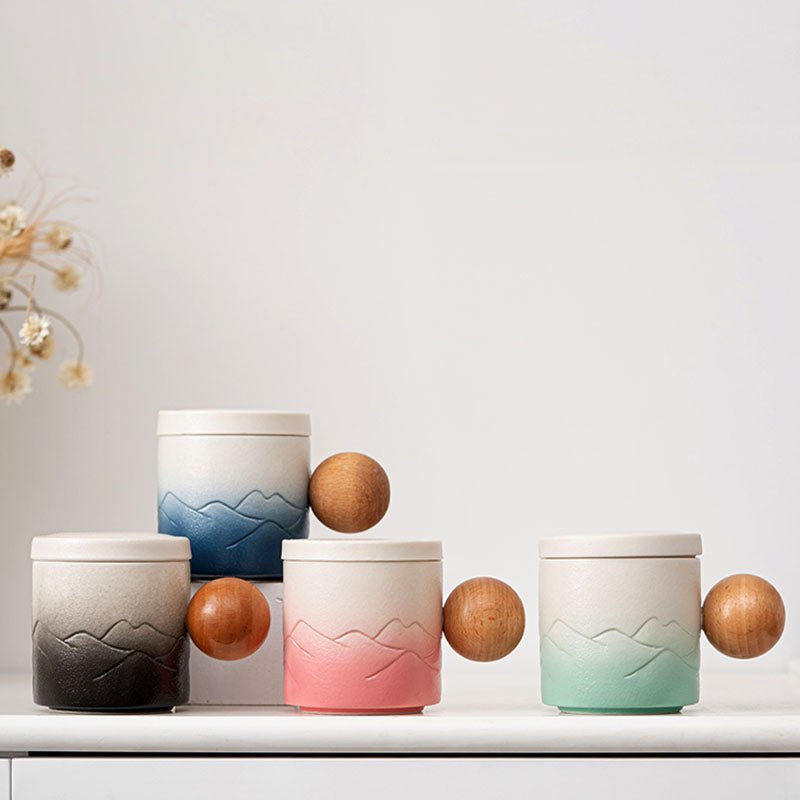
Coffee Mug Drawn Designs: How to Choose One That Works Daily
Reading time: about 8 minutes
A drawn mug looks simple until you start using it every day. The line art has to stay clean, the handle has to feel right before the coffee cools, and the design still needs to look good after a few sink cycles or a day on an office desk.
That is the lens we use in our store. A coffee mug drawn style is only worth buying if the artwork, shape, and size make sense for the person holding it. The pretty part matters, but daily use decides whether it becomes a favorite or sits in the back of the cabinet.
What should a coffee mug drawn design do beyond looking good?
The best drawn mugs solve a few everyday problems at once. They give you a clear visual style without making the mug feel fragile, overly decorative, or hard to clean. In our experience, buyers usually want a mug that looks intentional on a kitchen counter and still works for a quick refill at a desk.
When we look at a drawn design, we check the same practical details our customers end up caring about later:
- Line clarity: the art should be crisp, not blurry or muddy at the edges.
- Handle comfort: you should be able to get a full grip without your knuckles hitting the body.
- Rim feel: a smooth, even lip matters more than people expect once the mug is actually in use.
- Visual balance: the illustration should not crowd the handle or wrap so tightly that the mug feels busy from every angle.
- Care routine: if the design is printed, repeated abrasion from rough pads or crowded dishwashing can wear it faster than the mug itself.
That last point is where many shoppers get tripped up. A mug can look excellent out of the box and still be a poor fit if the art is too delicate for the way the buyer washes dishes. A drawn style should still feel like a working mug, not a display object that only behaves on a shelf.
Which of our mugs fits the style you want?
If you want to narrow the field quickly, start with the full collection and then compare the mood of the artwork. We built our mug range so the design does the talking first, but each piece still has to earn its place in a real kitchen or office.
These three options are the easiest place to start if you are buying for yourself or choosing a gift with a clearer visual story:
| Mug | Best fit | What the drawing style communicates | Trade-off |
|---|---|---|---|
| The Rock Coffee Tea Mug | Buyers who want a stronger, grounded look | More bold than delicate, with a visual weight that can read as solid and steady | If someone wants airy line art or a softer gift style, this may feel a little heavier visually |
| Morning Night Coffee Tea Mug | People who like a concept-driven mug with contrast | Good for buyers who want a design with a clear day-to-night idea instead of a single static motif | The theme is more specific, so it may not suit someone who wants a plain everyday cup |
| Mountain Coffee Tea Mug | Shoppers who prefer a calmer, scenic feel | Feels outdoorsy and quiet, which works well for desks, cabins, and gift boxes with a nature angle | If the buyer prefers urban, abstract, or minimalist art, a landscape motif may not be the best match |
That table is the fastest way to think about a drawn mug purchase: not just which design looks nice, but which visual tone matches the person using it. A gift for a mountain hiker does not need the same feel as a mug for a coworker who keeps a cup next to a laptop all morning.
What size should you pair with a drawn mug?
The artwork does not change capacity, but it changes how a mug feels in the hand and on the shelf. A busier drawing can make a small cup feel more compact, while a larger cup gives the illustration more breathing room. That is why size matters even when the design is the main reason someone clicks.
If you are trying to match the mug to a drinking habit, our related size guides are the quickest way to sanity-check the fit: 10 oz Coffee Mug: Size, Fit, and What to Check Before You Buy, 11 oz Coffee Mug: Size, Fit, and What to Check Before You Buy, and 12 Ounce Coffee Mug Buying Guide for Daily Use and Better Fit.
Here is the short version we use with shoppers:
- 10 oz: a good fit for smaller pours, shorter drinks, or people who do not want the cup to feel oversized in the hand.
- 11 oz: a very common middle ground for drip coffee, tea, and gift buying when you do not want to guess too hard.
- 12 oz: useful for longer work sessions, milk-heavy drinks, or buyers who want more room without jumping to a huge mug.
If you are comparing a drawn mug as a gift, think about the recipient's routine more than the number on the page. Someone who drinks quickly at the kitchen counter usually needs something different from someone who nurses one cup through a morning of email.
How do we judge print quality before checkout?
We look at a drawn mug the same way we inspect anything that has to hold up in daily use: first the artwork, then the edges, then the practical wear points. A mug can have a strong concept and still fail if the print is misaligned, too faint, or awkwardly placed near the handle.
Concrete checks matter here. On a typical ceramic mug, the common problems are not dramatic defects. They are the small things people notice after the second week: a line that looks fuzzy instead of crisp, a design that stops short in a way that feels unfinished, a rim that feels slightly uneven, or a glaze surface that shows scuffing after repeated contact with utensils in the sink.
These are the details we recommend looking for before you buy:
- Check the edge quality. The art should have clean borders without visible blur or jagged transitions.
- Check the placement. A mug looks better when the artwork sits naturally in the hand, not too close to the handle or too low on the body.
- Check the care routine. If you want the design to stay sharp, avoid abrasive scrubbers and do not let the mug rattle around with heavy metal utensils.
- Check the finish against your habits. A decorative mug that gets used daily should survive a normal sink-and-dishwasher rhythm, even if you choose to hand wash it more often to protect the art.
For buyers who care more about longevity than novelty, hand washing is the safest routine. A dishwasher is convenient, but repeated heat, detergent, and contact with other dishes can shorten the visual life of printed decoration. That does not make the mug a bad buy. It just means the buyer should know what trade-off they are choosing.
What are the real trade-offs with a decorative mug?
A drawn mug is a better buy when the art style matches the user's habits. It is a worse buy when the person wants a plain workhorse, a travel mug, or something that disappears into the background. We tell customers that directly because it saves returns and disappointment later.
We treat a drawn mug as a daily tool first and a design object second. If the art cannot survive a real routine on a desk, in a dishwasher, or in a crowded cabinet, the design is carrying too much of the decision.
There are a few honest limitations to keep in mind:
- Not ideal for people who need insulation: if the goal is keeping coffee hot for hours, a travel tumbler is the better category.
- Not ideal for buyers who want zero visual maintenance: any printed design asks for a little more care than a plain utilitarian mug.
- Not ideal for rough storage: crowded cabinets, sink drops, and rim knocks are how most mugs chip long before the design fails.
- Not ideal for everyone on your gift list: a scenic mug can feel personal and thoughtful to one person, and too themed to another.
That is why we like to pair design-first mugs with clear use-case thinking. If the person drinks coffee at a kitchen table, a visual mug can be a strong choice. If they commute with coffee and need a lid, they should probably buy a different category entirely.
Frequently asked questions
Is a coffee mug drawn design good for everyday use?
Yes, if the shape feels comfortable and the artwork is durable enough for your wash routine. We see the best results when shoppers choose a design they like but still treat the mug as a regular kitchen item, not a display piece.
What size is best for a coffee mug drawn gift?
For most gifts, 11 oz is the safest starting point because it fits common coffee and tea habits without feeling oversized. If the recipient drinks smaller portions, 10 oz can feel neat and efficient; if they like larger pours or longer sipping sessions, 12 oz gives more room.
Can I put a printed drawn mug in the dishwasher?
Many people do, but hand washing is the safer option if you want the artwork to stay crisp for longer. If you use a dishwasher, keep the mug away from abrasive cleaners and heavy contact with other dishes.
Which drawn mug style works best for an office desk?
The best office mug is usually the one with a clear visual theme and a comfortable handle. A calmer design such as the mountain style can read well next to a laptop, while a bolder option can be a better fit if you want the mug to stand out in a shared space.
What should I avoid if I want the design to last?
Avoid harsh scrubbing, overcrowded cabinets, and daily use patterns that involve a lot of clanking against other dishes. Those are the common ways a mug loses its finish or chips around the rim long before the artwork itself is gone.
If you want the fastest path from browsing to buying, start with our full collection, then compare the three styles above against your size preference, care routine, and the kind of desk or kitchen the mug will actually live in.
Read more
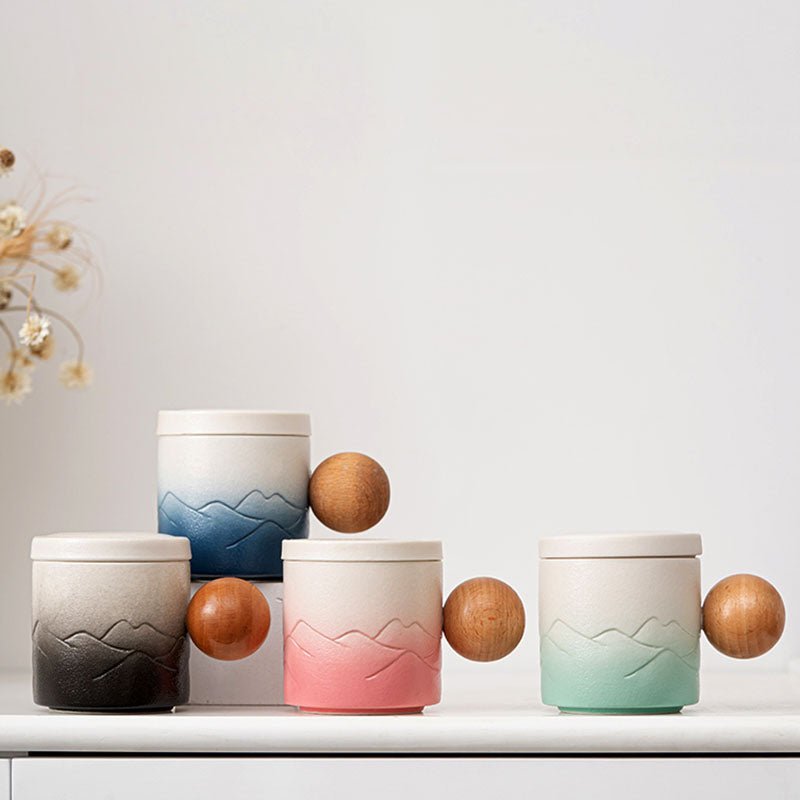
Rooster Coffee Mug Buying Guide for Daily Use and Gifting
A rooster coffee mug should do more than look farmhouse-ready. Here is how we compare styles, sizes, and finishes so you can pick one that works on a real kitchen counter, office desk, or gift shelf.
Czytaj dalej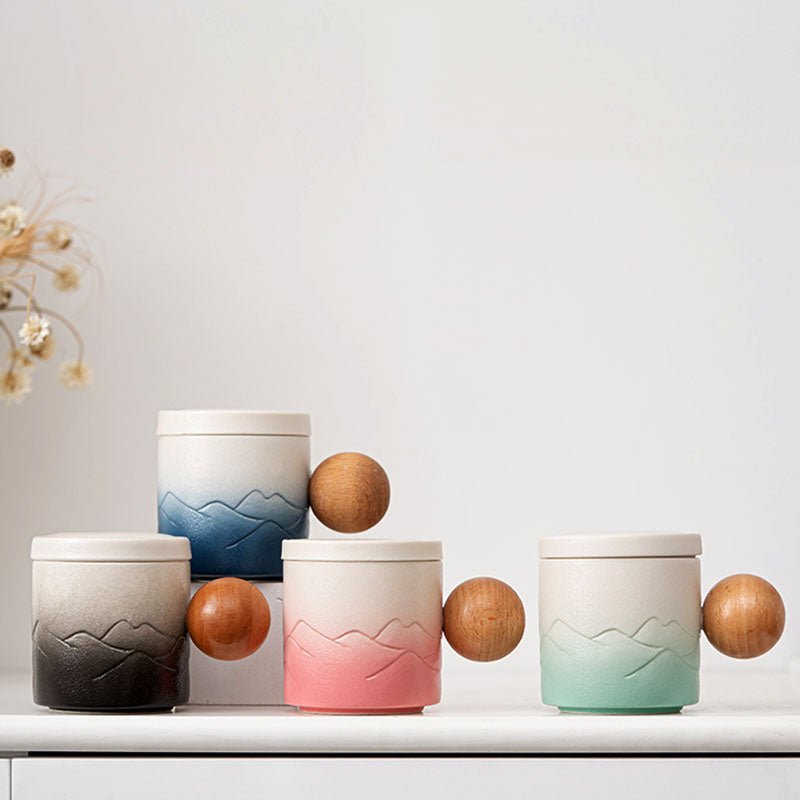
16 oz Ceramic Coffee Mug Buying Guide for Daily Use
A practical guide to choosing a 16 oz ceramic coffee mug that feels right in the hand, cleans up well, and fits the way you actually drink coffee or tea.
Czytaj dalej
Zostaw komentarz
Ta strona jest chroniona przez hCaptcha i obowiązują na niej Polityka prywatności i Warunki korzystania z usługi serwisu hCaptcha.