
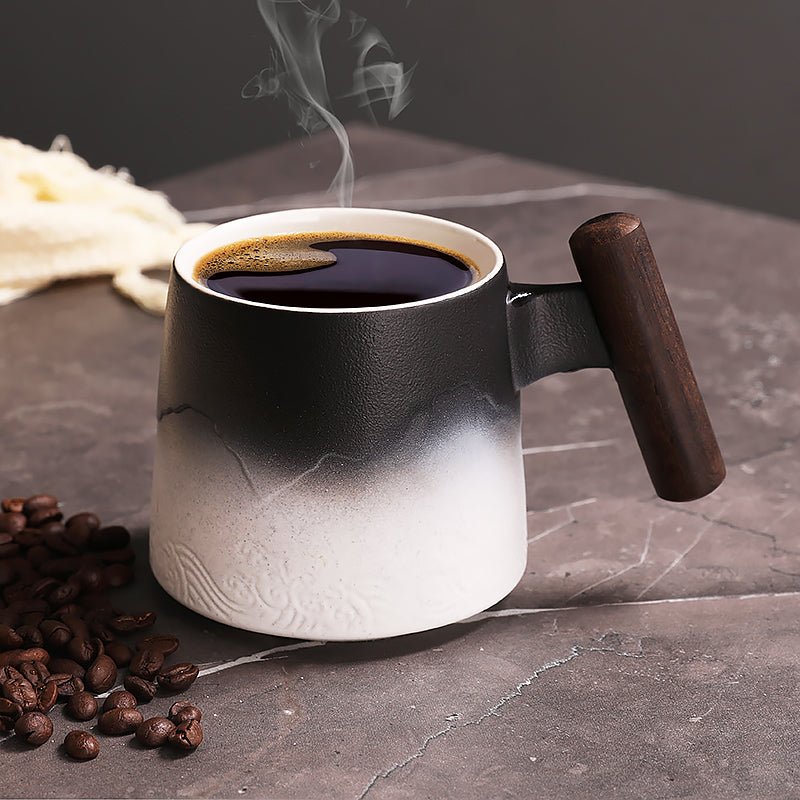
Coffee Mug Display Shelf Buying Guide for Real Kitchen Use
Reading time: about 10 minutes
A coffee mug display shelf earns its place the first morning it clears a crowded counter and lets the cabinet door shut without a fight. In our store, we see shoppers trying to turn everyday mugs into something orderly enough to leave out, but still fast enough to grab while the kettle is heating. The shelf has to look good. It also has to survive real use.
That means the right shelf is not just about style. It needs the right depth for the mug base, enough room for handles, mounting that matches the weight, and a finish that can handle steam, dust, and the occasional drip from a mug that was just pulled from the dishwasher. We also see these setups in office break rooms and gift unboxings, where the display has to feel tidy without becoming fragile decor.
What should a coffee mug display shelf actually do?
A good coffee mug display shelf should do three jobs at once: show the mugs clearly, keep them easy to reach, and stay stable enough that daily use does not turn into a balancing act. If it works well, you barely think about it. You just reach, grab, and move on with the morning.
When we evaluate shelves, we look for details that matter after the first week, not just on photo day:
- Enough depth for the mug base, not only the rim.
- Clearance for the handle so cups do not rub each other.
- Mounting hardware that matches the real load, not just the decorative look.
- A finish that wipes clean after steam, coffee dust, and fingerprint buildup.
For most everyday mugs, a shelf around 4 to 6 inches deep is a practical starting point. That range usually gives the mug enough support without creating a ledge that becomes a dust shelf. A shelf that is too shallow can make the front row feel unstable. A shelf that is too deep can hide the back row and turn a simple display into clutter.
Which shelf material works best near a coffee station?
Material matters more than many buyers expect. A shelf can look solid online and still disappoint if it scratches easily, swells near moisture, or shows every fingerprint after one busy week. We usually compare the surface, the mounting feel, and how much care the finish will need over time.
| Material | What it does well | Watch-outs | Best fit |
|---|---|---|---|
| Solid wood | Warm look, natural grain, fits kitchens and dining areas well | Needs a proper finish; unfinished edges can stain or swell near moisture | Home kitchens, breakfast nooks, gift displays |
| Powder-coated steel | Slim profile, easy wipe-down, clean modern look | Edge chips and scratches can show if mugs knock against it often | Busy coffee stations and daily-use displays |
| Engineered wood | Budget-friendly, consistent shape, easy to match with cabinets | Exposed edges can wear faster in humid or high-traffic spots | Light display use away from sink steam |
| Glass or acrylic | Visually light and minimal | Shows fingerprints, scratches, and mug marks more easily | Small display areas with lighter cups |
For a kitchen shelf, the finish is as important as the base material. Wood should be wiped with a damp cloth and dried right away, not soaked. Powder-coated steel usually handles a microfiber cloth and mild soap well. Engineered wood needs the most caution around moisture, especially near a sink, a dishwasher, or a steam-heavy brewer. If the shelf will live near any of those, we would rather choose a tougher finish than a prettier one with weak edges.
The common failure modes are easy to spot once you know what to check. Wood can cup or stain. Steel can chip at corners. Engineered board can swell where the veneer edge is thin. Acrylic can look clean at first and then pick up fine scratches from daily handling. That does not make one material bad. It just means the shelf should match how often you use the mugs.
How large should the shelf be for the mugs you own?
The right size depends on the mugs, not the wall. A shelf that looks perfect with a row of small cups can feel cramped the moment you add wider stoneware pieces. The measurement that matters is the full footprint of the mug, including the handle and the widest point of the body.
Before you buy, we suggest measuring three things:
- The width of the shelf wall area you can actually use.
- The tallest mug you plan to store there.
- The widest mug, including the handle flare.
Standard ceramic mugs are usually easier to line up than handmade cups with uneven shapes. Oversized mugs and heavy stoneware need more breathing room because their handles and bellies take up more space than the mug volume suggests. A shelf can look orderly with six compact mugs, then immediately feel crowded with only three larger ones.
If you are still deciding which cups deserve shelf space, our collection is a practical place to compare mug shapes before you measure the wall. We use the same approach in our own setup work: choose the mug sizes first, then fit the shelf around them, not the other way around.
One trade-off worth calling out: if you want a very tight, minimalist display, you may need to leave some mugs in a cabinet. That is not a flaw. It is the cleanest way to avoid scraping handles, crowded rows, and the kind of shelf that looks better empty than in use.
Where should you mount it so mugs stay easy to grab?
Placement is where many shelves go wrong. A shelf can look balanced in a product photo and still be awkward if it sits too high to reach comfortably or too close to heat and steam. We think about the full motion: lift the mug, clear the handle, step back, and set it down without brushing the wall or the brewer.
Use this simple layout check before drilling:
- Measure the tallest mug and make sure it will clear the shelf above it.
- Check the distance from the shelf to the coffee maker, grinder, or kettle.
- Mount into studs whenever the shelf will hold full ceramic mugs on a daily basis.
- Use proper anchors only when the shelf is meant for lighter display use.
- Leave enough room for a hand to lift a mug out without hitting the next handle.
If your setup sits directly above a steam-heavy brewer, we would be cautious. Repeated moisture can dull a finish, loosen weak hardware, and leave the display looking tired long before the mugs do. A side wall is often the better choice. In rentals or spaces where drilling is not an option, a wall shelf may not be the right answer at all. A cabinet, cart, or countertop rack can be safer and less frustrating.
For buyers comparing shelves and mug assortments together, our products page is the quickest way to match the shelf style to the cups you already plan to use. That saves you from buying a display that looks great only until you place real mugs on it.
What details separate a shelf that looks good from one that works?
The shelves that create regret usually fail in the same few places. The mounting is too weak, the front lip is too deep, the surface is hard to clean, or the shelf is sized for display objects instead of actual mugs. A good-looking shelf can still be wrong for a coffee station.
- A front lip that is so tall it blocks the base of the mug or makes the row feel boxed in.
- Brackets that look decorative but are thin at the load point.
- Adhesive-only mounting for mugs that will be lifted every day.
- Unfinished wood near a sink, dishwasher, or steam-heavy brewer.
- A shelf so short that handles overlap and chip each other.
We would also avoid using a standard coffee mug display shelf for heavy travel tumblers or oversized stoneware that has a wide footprint. Those pieces need a deeper ledge, a sturdier rack, or a different storage plan entirely. A display shelf is best for mugs you use often and want to see often. It is not the right tool for everything with a handle.
If the shelf starts collecting mail, keys, or random pantry items, it is probably the wrong size or the wrong location for the space.
In our experience, the least frustrating shelves are the ones built around the mug shape first and the style second. Style still matters. It just should not outrun function.
How do you keep the shelf tidy after the first week?
The first day is easy. The real test is what happens after the shelf has been used through a week of coffee, cleaning, and hurried mornings. A tidy shelf should stay boring in the best way. The mugs line up, the surface wipes clean, and nobody has to move three cups to reach one in the back.
We keep maintenance simple:
- Wipe the shelf weekly with a soft cloth.
- Dry mugs fully before putting them back, especially after a dishwasher cycle.
- Keep the heaviest mugs closest to the mounting points.
- Rotate out cups you do not use often so the display does not become crowded.
- Do a quick check for wobble, chipped finish, or loose hardware every few months.
If the shelf sits in a bright kitchen, fingerprints and dust will show up faster on glossy surfaces than on matte ones. If it is near a coffee grinder, fine grounds will collect along the back edge. That does not mean the shelf is failing. It just means the finish and location need to fit the mess that actually happens in a coffee corner.
For shoppers building out a full display, our collection helps you see which mugs are compact, which are wider, and which are better left in the cabinet. That makes the shelf plan easier before you commit to holes in the wall.
Frequently asked questions
How deep should a coffee mug display shelf be?
For most everyday mugs, a shelf around 4 to 6 inches deep is a practical starting point. That gives enough support for common ceramic cups without making the shelf feel bulky or dust-prone. Wider handmade mugs may need more depth, especially if the handle sticks out far from the body.
Can a coffee mug display shelf hold heavy ceramic mugs?
Yes, if the shelf is mounted correctly and the hardware matches the load. We prefer stud mounting for daily-use ceramic mugs and proper anchors only for lighter display pieces. If the shelf flexes when you set a mug on it, it is not the right shelf for regular use.
Is a coffee mug display shelf a good idea above a coffee maker?
It can be, but only if there is enough clearance for heat, steam, and easy grabbing. Keep the finish away from repeated moisture and make sure the mug handles do not hit the machine or grinder. For many kitchens, a side wall is a better fit than the space directly above the brewer.
What is the best material for a mug shelf in a humid kitchen?
Powder-coated steel or properly finished solid wood are usually the safer choices. Unsealed wood and low-grade engineered board can show wear faster near sinks, dishwashers, or steam-heavy coffee setups. The best option depends on how much moisture the shelf will actually see.
Should I choose open shelving or a closed cabinet for mugs?
Open shelving is better if you want quick access and a display that feels light. A closed cabinet is better if you want to hide mismatched mugs or protect seldom-used cups from dust. If the mugs are part of your daily coffee station, open shelving usually makes more sense.
If you want a shelf that works as hard as it looks, start with the mug sizes you actually use, then match the shelf depth, finish, and mounting style to those pieces. Compare your options on our products page, then narrow the final layout with our collection before you drill anything into the wall.
More from our blog
Read more
Disney Coffee Mugs: What to Check Before You Buy
A practical buyer’s guide to disney coffee mugs, focused on comfort, material, size, and print durability so you can pick one that gets used, not just displayed.
Czytaj dalej
Microwave-Safe Coffee Mugs for Men: What to Check Before Buying
A practical buyer’s guide to choosing a coffee mug men microwave safe, with material checks, comfort details, and common failure points we see before purchase.
Czytaj dalej
Zostaw komentarz
Ta strona jest chroniona przez hCaptcha i obowiązują na niej Polityka prywatności i Warunki korzystania z usługi serwisu hCaptcha.