
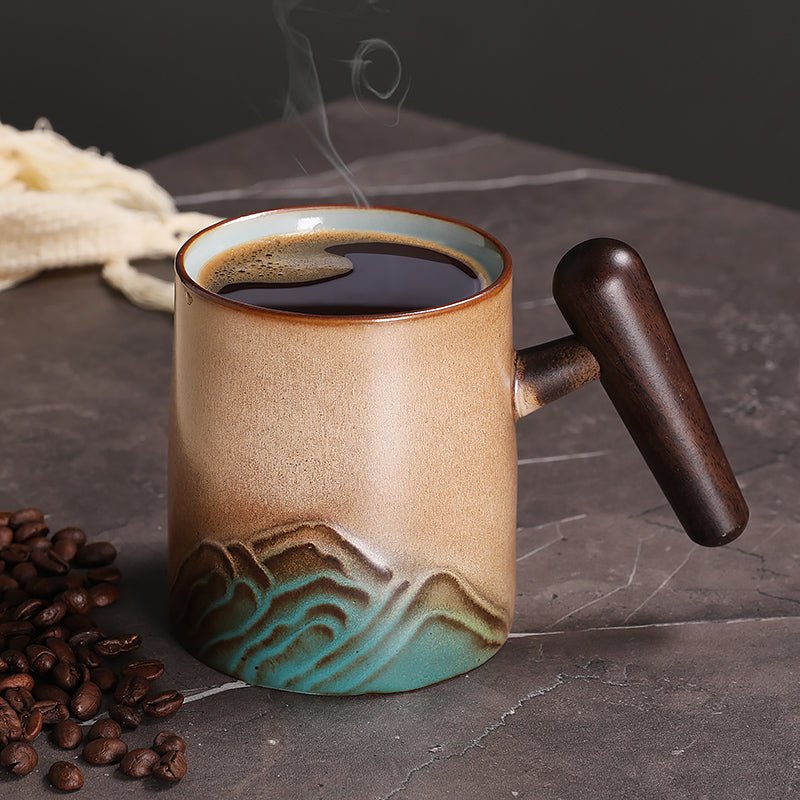
Coffee Mug Dimensions: How to Choose the Right Size and Shape
Reading time: about 10 minutes
A mug can look perfect on a product page and still fail the moment you try to slide it under a cabinet or through the dishwasher rack. We see that mismatch all the time in our store: the cup fits the drink, but not the shelf, the machine, or the hand holding it.
If you are comparing shapes, start with our full collection and then compare specific styles like the Rhombus Coffee Tea Mug, the Handbag Coffee Tea Mug, and the White Golden Waves Tall Coffee Tea Mug. Those shapes show why coffee mug dimensions are not just about capacity.
In our experience, buyers usually focus on ounces first and discover later that the mouth is too wide for a narrow mug tree, the handle opening is too tight for two fingers, or the height does not clear the espresso machine. The details below are the ones that actually change day-to-day use.
Which coffee mug dimensions should you check first?
Capacity is only one part of the picture. The measurements that matter most are the mug's height, mouth diameter, base diameter, handle opening, and wall thickness. Those numbers decide whether the mug feels stable on a desk, fits under a brewer, and sits comfortably in your hand.
We tell shoppers to look at the whole silhouette, not just the ounce count. A 10 oz mug with a narrow body can be taller than a 12 oz mug with a wider belly. That difference matters when you are opening a cupboard in the morning with one hand and carrying a hot drink in the other.
| Measurement | What to check | Why it matters |
|---|---|---|
| Height | Will it clear cabinet shelves, mug trees, and machine spouts? | Taller mugs can be elegant, but they are the first to hit low shelving. |
| Mouth diameter | Is the opening comfortable for sipping and easy to clean? | A wider mouth cools coffee faster and is easier to wash by hand. |
| Base diameter | Does the foot ring sit flat and steady? | A stable base matters on crowded desks and in dishwashers with tight racks. |
| Handle opening | Do two fingers fit without squeezing? | A handle that is too small feels awkward, especially with full mugs. |
| Wall thickness | Is the rim thin enough to drink from, but not so thin it feels delicate? | Thicker walls hold heat longer; thinner rims usually feel better at the lip. |
For a plain, straightforward comparison of common everyday sizes, our guide on Standard Coffee Mug Dimensions: What Buyers Should Check is useful if you want a clean baseline before you compare shapes. If you are sorting through a specific ounce range, 10 oz Coffee Mug: What Fits, What Doesn’t, and What to Buy is a practical next read.
How do mug dimensions affect daily use?
Small changes in dimensions show up fast once the mug leaves the box. A mug that is too tall may look stylish, but it can be a headache in a low cabinet or under an under-counter coffee maker. A mug that is too wide may feel open and relaxed, but it also exposes more surface area and can cool faster on a desk between meetings.
These are the trade-offs we point out before checkout:
- Tall and narrow mugs usually feel more elegant in the hand and can be nice for tea, but they are less forgiving in low shelves and narrow dishwasher racks.
- Wide mugs are easy to stir and easy to rinse, but they are more likely to feel top-heavy if the base is small.
- Thicker ceramic walls keep heat longer, but the mug can feel bulky if you prefer a lighter cup.
- Thin rims improve the sip, but they need more careful handling and are less forgiving if you stack mugs tightly.
This is also where care matters. A glazed ceramic mug usually handles normal dishwasher use well, but printed decals, metallic accents, or hand-finished surfaces often last longer with gentler washing. We recommend avoiding metal scrubbers, especially around the rim and handle join, because those are the spots that show wear first.
A mug should fit your routine, not just your shelf photo. If it is awkward to grab with one hand before work, the dimensions are wrong for you.
What size works best for espresso, drip coffee, and tea?
Different drinks put different demands on coffee mug dimensions. Espresso is not usually served in a large mug because the drink cools too quickly and looks lost in the cup. Drip coffee and tea are more forgiving, but the best size still depends on whether you want room for milk, foam, or a tea bag without crowding the rim.
| Drink or use | Typical size range | What to look for |
|---|---|---|
| Espresso or short coffee | About 2 to 4 oz | Small footprint, low profile, and a handle that stays cool. |
| Daily drip coffee | About 8 to 12 oz | A balanced shape that holds enough coffee without feeling oversized. |
| Milk-heavy drinks | About 10 to 14 oz | Room for foam and a wider opening for stirring. |
| Tea | About 10 to 16 oz | Comfortable rim, good heat retention, and enough depth for a bag or infuser. |
If you want more context around standard cup capacity, the article 12 Ounce Coffee Mug Buying Guide: Size, Fit, and Best Uses explains where that size tends to make sense in real kitchens and offices. It is a useful middle ground for shoppers who want one mug that can handle coffee, tea, and the occasional larger pour.
That said, a bigger mug is not automatically better. If you mostly drink black coffee, a very large cup can make the drink feel thin and can leave too much air space at the top. If you use a single-serve machine with a short spout clearance, a tall mug may not work at all.
Which mug shapes change the measurements that matter most?
Shape changes the way dimensions behave. Two mugs can share the same capacity and still feel completely different because one is tall and narrow while the other is broad and low. That is why our team pays close attention to the profile, not just the volume printed on the listing.
Here is how shape changes the buying decision:
- Angular bodies, like the Rhombus Coffee Tea Mug, draw attention and can feel more sculptural on a shelf, but they are not the best choice if you want a mug that stacks neatly.
- Novelty silhouettes, like the Handbag Coffee Tea Mug, make a strong gift impression, but the unusual outline can be less friendly for narrow mug trees or tight cabinet rows.
- Tall profiles, like the White Golden Waves Tall Coffee Tea Mug, are good if you want a refined look and a bit more vertical room for tea or milk drinks, but they may not fit under low shelves.
Those are the trade-offs we want buyers to see before they order. Decorative shapes are great when presentation matters, such as a gift unboxing or an office desk that needs a little personality. They are less ideal if your kitchen is all about stackability, quick unloading, and uniform storage.
How should you compare coffee mug dimensions before buying online?
When we check a mug for the store, we do not stop at the product photo. We look at the rim, the foot ring, the handle join, and the balance point because those are the spots that reveal whether the mug will hold up in daily use. The same approach works for shoppers at home.
- Measure the shelf or cabinet first. A mug that is 0.5 inch too tall is enough to turn a simple grab-and-go routine into a daily annoyance.
- Compare the widest point, not just the capacity. A broad shoulder can block neighboring mugs or hit a mug tree arm even when the ounce count looks right.
- Check the handle opening. If you wear larger rings or prefer two-finger grip, this detail matters more than the advertised capacity.
- Look at the base. A mug with a stable, flat foot ring is less likely to wobble on a desk, tray, or dishwasher rack.
- Read the care notes. Ceramic with simple glaze is usually easier to maintain than pieces with metallic trim or delicate hand-painted accents.
The most common problem modes we see are practical ones, not dramatic ones: a hairline crack near the base after thermal shock, a rough spot on the rim from a rushed finish, a handle that pinches the fingers, or a foot ring that does not sit perfectly flat. These are the details worth checking before checkout because they affect every use after the unboxing.
If you want a broad browsing starting point after you know your size, our collection is the fastest way to compare styles side by side. For shoppers who want a second angle on fit and common size choices, Coffee Mug Dimensions: Sizes, Fit, and What to Check Before Buying goes deeper on the decision points that matter in the cart.
What should you check before you add a mug to cart?
A good mug is not just attractive. It is the one that stays comfortable after the fifth refill, survives a dishwasher cycle without fuss, and fits the way you actually make coffee. Before you add one to cart, run through this short checklist.
- Does the height fit your cabinet, shelf, or coffee machine?
- Does the handle fit your fingers without squeezing?
- Is the rim comfortable enough for daily sipping?
- Will the base stay steady on your desk or countertop?
- Does the care instruction match how you actually wash dishes?
- Does the shape suit your storage habits, especially if you stack mugs?
We usually steer buyers away from decorative mugs if they need a workhorse for daily black coffee, small kitchens, or tightly packed cabinets. On the other hand, if the mug is for gifting, display, or a specific drink ritual, a more sculpted shape can be the better call even if it sacrifices a little convenience.
The main point is simple: coffee mug dimensions should match the place you use them, not just the drink you pour into them. Measure the shelf, check the handle, and compare the silhouette to your routine. That takes less time than dealing with a mug that looks right but lives in the wrong cabinet.
Frequently asked questions
What are standard coffee mug dimensions?
Most everyday mugs fall into a practical middle range where the capacity is around 8 to 12 oz, but the exact height and width can vary a lot. A short, wide mug and a tall, narrow mug can both hold the same amount. That is why we tell shoppers to compare the full profile, not only the ounce count.
How do I know if a mug will fit under my coffee machine?
Measure the clearance from the tray to the underside of the brewer spout or cabinet lip, then compare that number to the mug height. Leave a little room for comfortable placement and removal, not just a tight exact fit. Tall mugs can look great, but they are the most likely to fail this check.
Is a 10 oz mug big enough for daily coffee?
For many buyers, yes. A 10 oz mug is a solid everyday size if you drink black coffee or only add a small amount of milk. If you prefer larger pours, tea, or a lot of foam, you may want to move up in size.
Are unusual mug shapes harder to clean?
They can be. Deep curves, narrow openings, and decorative handles sometimes make hand washing slower, and they can be less convenient in a crowded dishwasher rack. If you want low-maintenance cleanup, choose a shape with a simple interior and a wide enough opening for a sponge.
What mug dimensions work best for gifting?
Gift mugs usually work best when they look special but still feel usable. A mug with a comfortable handle, a stable base, and a shape that fits into normal storage is a safer bet than a purely decorative piece. If the recipient has a small kitchen, avoid oversized or very tall mugs unless you know they have room for them.
If you want a simple next step, compare your shelf height, your preferred drink size, and the shape you actually want to use every day. Then browse our full collection and filter for the mug that fits those measurements first.
Read more
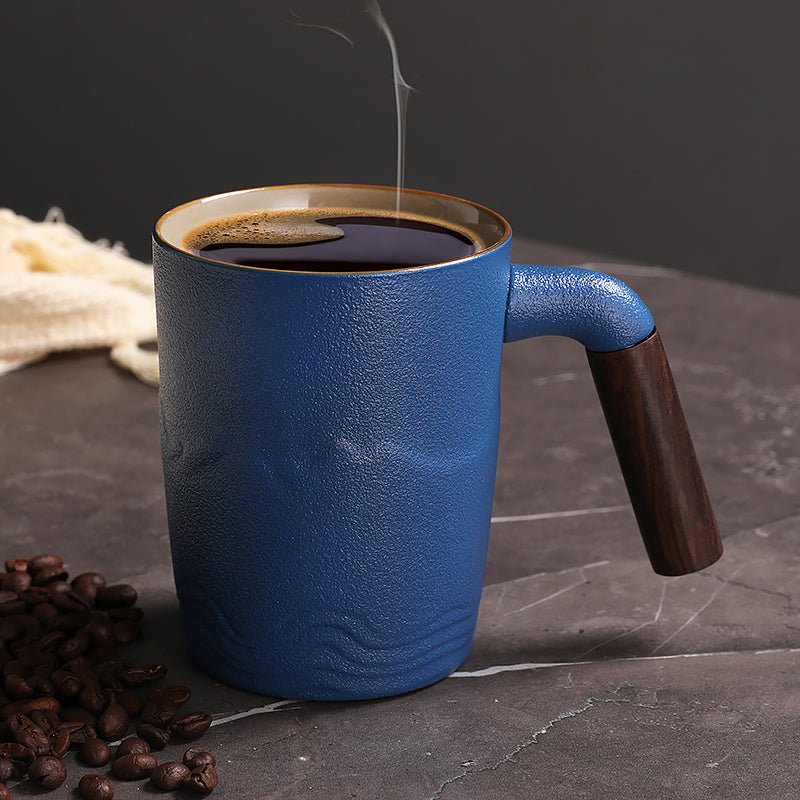
18 oz Coffee Mug Guide: What to Check Before You Buy
An 18 oz coffee mug gives you more room for coffee, tea, or a latte, but the extra capacity changes comfort, heat retention, and cabinet fit. Here is what we check before recommending one.
Czytaj dalej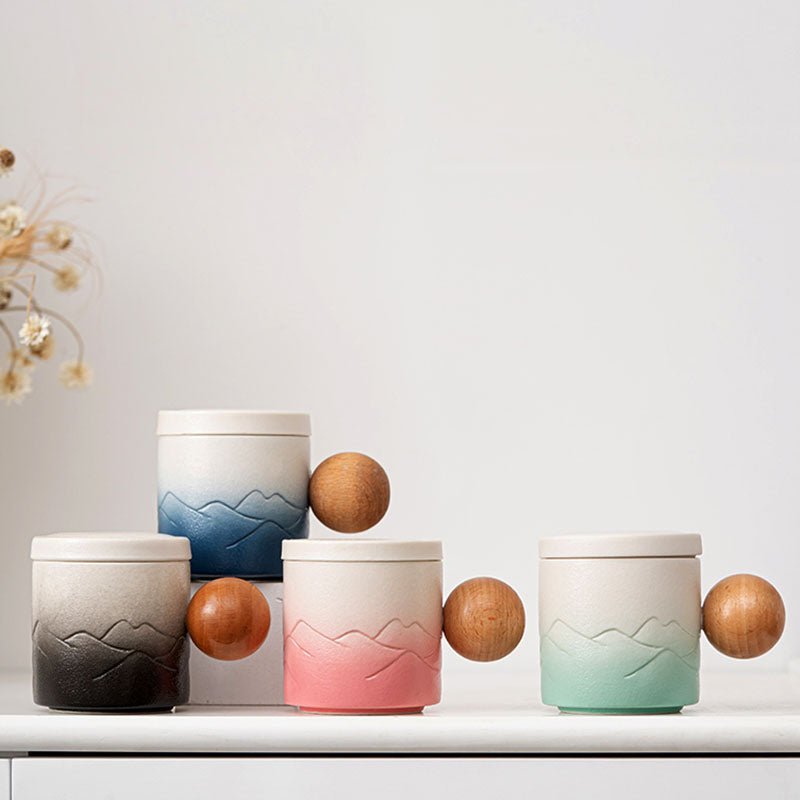
8oz Coffee Mug Buying Guide for Fit, Comfort, and Daily Use
A practical guide to choosing an 8oz coffee mug for smaller pours, desk use, and gifting. We cover fit, handle comfort, care, and the trade-offs that matter before you buy.
Czytaj dalej
Zostaw komentarz
Ta strona jest chroniona przez hCaptcha i obowiązują na niej Polityka prywatności i Warunki korzystania z usługi serwisu hCaptcha.