
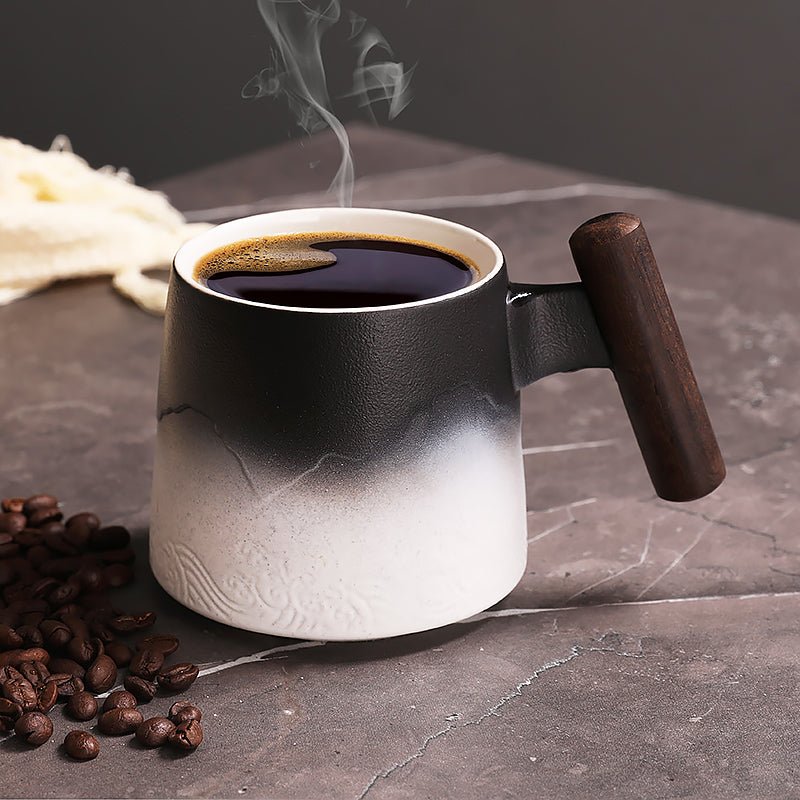
Coffee Mug Cakes: Choosing the Right Mug for Baking and Serving
Reading time: about 8 minutes
A mug cake that climbs over the rim usually had two problems: the mug was too small, or the batter had nowhere to expand. We see this often in our store conversations, especially with buyers who want one simple mug that works for coffee in the morning and dessert at night.
The right mug makes the process calmer. The cake rises more evenly, the handle stays easier to manage, and you spend less time cleaning up the microwave. For shoppers comparing options, we usually start with a straightforward ceramic mug like The Flow Coffee Tea Mug, then compare it against styles such as Mountain Sea Coffee Tea Mug and Spittoon Coffee Tea Mug if they want something with a different feel on the counter. If you want to browse the full range first, start with our all mugs collection.
What kind of mug works best for coffee mug cakes?
We prefer a mug that is simple, sturdy, and forgiving. In practice, that usually means a microwave-safe ceramic or stoneware mug with a stable base, smooth inside walls, and a handle that gives your fingers enough clearance after heating.
For mug cakes, the shape matters as much as the size. A straight-sided mug gives batter room to rise in a predictable column. A mug with a very narrow mouth can trap steam and make the top cook faster than the center. A very tapered mug can also make it harder to scrape out every last bite cleanly.
Here is the shortlist we use when we help customers choose:
- Microwave-safe ceramic or stoneware for steady heating and easy handling.
- Straight or slightly tapered sides so the cake rises without crowding the rim.
- A smooth interior glaze so batter does not cling to rough patches.
- No metallic trim or foil decoration because that is a bad fit for microwave use.
- A handle with real finger clearance so the mug is still manageable after heating.
If you want a mug that can move between breakfast coffee and dessert duty, that plain, durable profile is usually the safest starting point. Decorative shapes can be fun, but mug cakes are unforgiving if the vessel is awkward or narrow.
How big should the mug be for a mug cake?
Size is the biggest practical decision. Too small, and the batter overruns the rim. Too large, and a single-serving recipe can spread thin and bake dry on the edges before the center sets.
For most coffee mug cakes, the sweet spot is the common everyday range around 10 to 12 ounces. That gives you enough room for rise without turning the cake into a thin layer at the bottom of the mug. If you're comparing capacities in more detail, our guides on 10 oz Coffee Mug: Size, Fit, and What to Check Before You Buy and 12 oz Coffee Mugs: How to Choose the Right Mug for Daily Use are useful. For a broader buying checklist, see Coffee Mug Cakes: Best Mug Size, Materials, and Baking Tips.
| Mug size | Best use for mug cakes | Practical fill target |
|---|---|---|
| 10 oz | Good for compact single-serve recipes or richer cakes that rise less aggressively | Fill about halfway to two-thirds full |
| 11 oz | A balanced everyday choice for most standard mug cake mixes | Leave a clear gap below the rim for expansion |
| 12 oz | Helpful when you want extra headroom for add-ins or a higher rise | Still stop well below the top; more room is not a reason to overfill |
Our experience is simple: the mug should give you margin, not permission to pour in more batter. A little extra room is useful. It is not an invitation to fill the cup to the lip.
Which mug details matter most at checkout?
Shoppers often focus on style first, but a few quiet details decide whether a mug cake works cleanly or turns into a microwave cleanup job. These are the points we check before we recommend a mug for this use.
| Detail | Why it matters | What to avoid |
|---|---|---|
| Interior diameter | A wider opening gives steam a place to escape and makes the cake easier to eat from the mug | Very narrow openings that trap batter and steam |
| Wall thickness | A reasonable wall thickness helps the mug feel stable and less likely to overheat in your hand | Very thin walls that heat unevenly or feel fragile |
| Handle clearance | You need enough room for two fingers, especially if the mug comes out hot | Handles that are too tight to grip comfortably |
| Base stability | A flat, balanced base sits better on the counter and in the microwave | Wobbly bottoms or uneven feet |
| Finish | A smooth glaze is easier to wipe clean after batter splashes | Rough interiors, cracked glaze, or metallic accents |
We also pay attention to the kind of wear a mug will take over time. Repeated microwave use is usually fine for the right ceramic mug, but decorative finishes can show wear sooner on the handle or exterior if the cup goes through a lot of dishwasher cycles. If you care about the look staying crisp, hand-washing is the safer routine.
How do you keep mug cakes from overflowing or turning gummy?
Mug cakes are small, but they are not forgiving. The most common mistakes are simple: too much batter, too much mixing, or too much heat. The good news is that all three are easy to control.
- Mix the batter until the dry ingredients are just combined. Overmixing is one of the fastest ways to get a dense, chewy texture.
- Fill the mug only partway. Leave enough space for the cake to rise without touching the rim.
- Use short heating bursts if your recipe calls for them. Mug cakes often finish cooking from residual heat after the microwave stops.
- Let the mug rest before eating. The center finishes setting while the steam settles.
- Check the recipe against your mug shape. A wide mug and a tall narrow mug do not behave the same way, even if both say 11 ounces.
There is a trade-off here. If you want a very airy cake with a deeper crumb, a ramekin or small baking dish can be a better tool than a mug. A mug cake is best when you want speed, portion control, and a single vessel to mix, bake, and eat from. It is not the best choice for a dessert you want to slice or top like a full cake.
What should you skip if you want reliable results?
Not every mug is a good mug cake mug. Some look great on a shelf and perform poorly in the microwave. We would skip the following:
- Mugs with metallic trim, foil details, or unknown decorative finishes.
- Very tall, narrow mugs that make it hard to judge the fill level.
- Chipped or hairline-cracked mugs because heat and repeated washing can make the damage worse.
- Mugs with awkward handles that are hard to grip when hot.
- Extremely textured interiors that can hold onto batter and make cleanup more annoying.
We also would not choose a mug based only on looks if you plan to bake often. A design that photographs well on an unboxing table may still be a poor fit if the opening is too tight or the base feels unstable on a kitchen counter.
If you like to bake mug cakes for office desk snacks or late-night treats, choose the mug that feels easy to live with, not just easy to gift. That usually means durable ceramic, a comfortable handle, and a profile that gives the batter room to rise.
Frequently asked questions
What size mug is best for mug cakes?
Most mug cakes work well in the 10 to 12 ounce range. A 10 oz mug is better for compact recipes, while an 11 or 12 oz mug gives more room for rise and reduces overflow risk. If you are unsure, choose the mug with a little extra headroom rather than the one that looks full before baking.
Can I use a 12 oz mug for mug cakes?
Yes, and in many cases that is a comfortable size. Just avoid treating the extra capacity as a reason to add more batter. The goal is still to leave room for the cake to expand without climbing over the edge.
Are ceramic mugs better than glass for mug cakes?
For most shoppers, ceramic is the easier choice because it tends to feel more stable and familiar in the microwave. Glass can work if it is microwave-safe and thick enough, but it is not the first mug type we reach for when someone wants a dependable everyday mug cake vessel.
Why did my mug cake turn rubbery?
The usual cause is overmixing or overcooking. Stir just until the ingredients come together, then stop the microwave as soon as the cake is set enough to hold its shape. A mug that is too small can also make the cake heat too aggressively at the edges.
Can I use the same mug for coffee and mug cakes?
Yes, and that is often the most practical choice. Just make sure the mug is microwave-safe, has no metallic decoration, and is comfortable to hold after heating. A plain ceramic mug from our all mugs collection is usually the easiest place to start if you want one cup to do both jobs.
If you are choosing a mug specifically for coffee mug cakes, start with this checklist: microwave-safe ceramic, a 10 to 12 ounce size, a wide enough opening, a comfortable handle, and no metallic trim. Compare those basics against the options in our all mugs collection, then pick the mug that gives you the most headroom without feeling bulky in the hand.
Read more
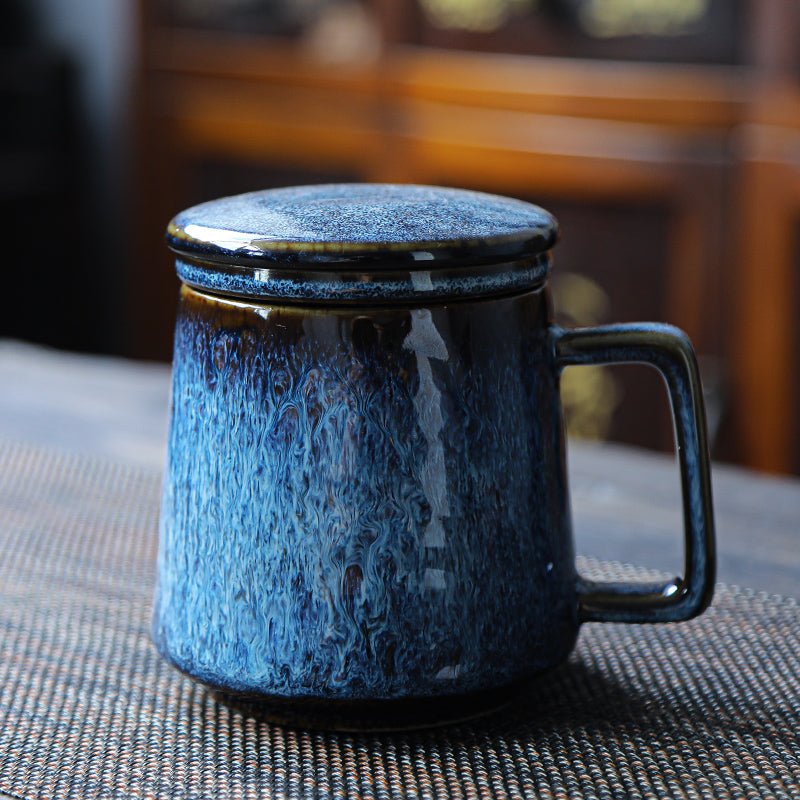
Pictures of Coffee Mugs: What Buyers Should Check Before Ordering
Pictures of coffee mugs can hide size, handle comfort, and finish details. We break down what the photos should show, what to verify in the listing, and which mug styles fit daily use.
Czytaj dalej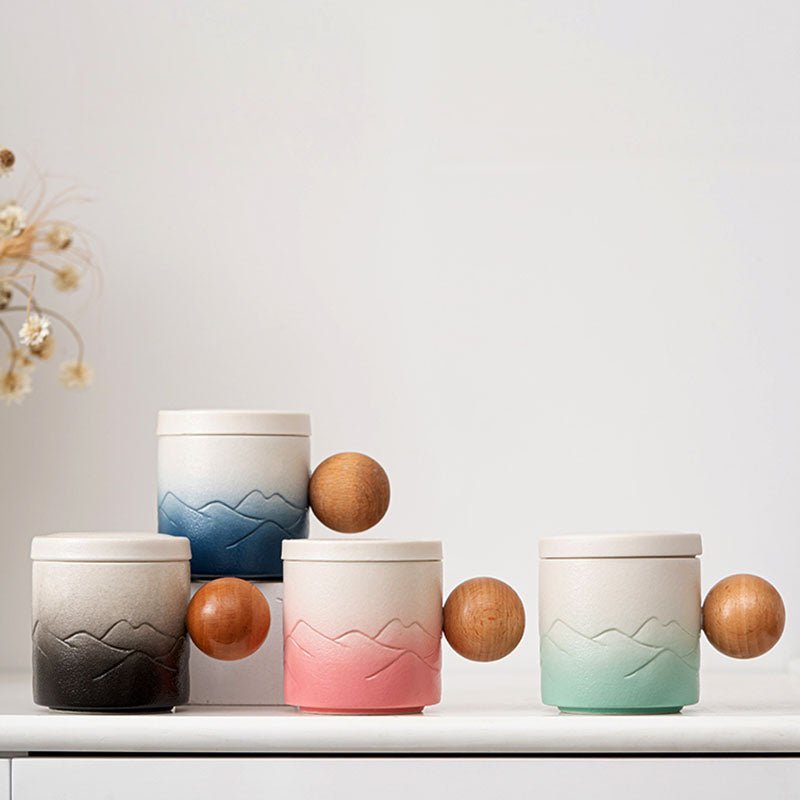
Heating Coffee Mug: How to Choose the Right One for Daily Use
A heating coffee mug only works if the shape, size, and base match how you actually drink coffee. This guide breaks down the trade-offs we see in daily use so you can buy the right mug the first time.
Czytaj dalej
Zostaw komentarz
Ta strona jest chroniona przez hCaptcha i obowiązują na niej Polityka prywatności i Warunki korzystania z usługi serwisu hCaptcha.