
Coffee Espresso Mugs: How to Choose the Right Fit for Daily Use
Reading time: about 8 minutes
A small cup can fail fast. The handle pinches two fingers, the base rocks on a desk, or the drink cools before you finish the last sip. That is usually how people discover that coffee espresso mugs are not just smaller coffee cups. They need a different balance of size, heat retention, and comfort in the hand.
In our store, we look at these pieces the same way customers use them at home: on a kitchen counter beside a grinder, on an office desk between meetings, or wrapped as a gift that has to look good the moment it is opened. Our job is not to oversell a mug. It is to help you pick one that fits how you actually drink espresso.
What should coffee espresso mugs do that a regular mug does not?
A good espresso mug should do three things well. It should hold a small serving without feeling oversized, keep the drink warm long enough to enjoy it, and feel steady when you set it down. That sounds simple. In practice, many mugs miss one of those points.
For espresso, the cup shape matters more than people expect. A narrower opening helps keep the crema together and slows heat loss. A wider cup makes the shot cool faster, but it can be better if you like a double espresso with milk or a lungo-style pour. The right choice depends on what lands in the cup most often.
We also pay attention to the details shoppers usually notice only after a few uses:
- Handle clearance: your fingers should fit without scraping the body of the mug.
- Rim finish: a smooth, even rim feels better than a thick or slightly rough edge.
- Base stability: a flat foot ring matters on a crowded counter or a wobbly office desk.
- Glaze quality: a well-fired glaze is easier to clean and less likely to show coffee staining right away.
If you want a deeper breakdown of proportions and materials, our guide on Espresso Coffee Mugs: How to Choose the Right Size, Shape, and Material covers the basics from a sizing angle. It pairs well with this article if you are choosing between a shot cup and a small daily mug.
Which size works best for espresso shots and short drinks?
For straight espresso, smaller is usually better. A cup that is too large makes the serving feel lost, and the coffee loses heat faster as it spreads out. For double shots, lungo pours, or espresso drinks with a splash of milk, a little more room is useful.
Here is the simple rule we use with shoppers:
- 2 to 3 ounces works best for a single espresso or a very compact presentation.
- 3 to 5 ounces is the most flexible range for double shots and small milk additions.
- 6 to 8 ounces makes sense if you want one mug that can handle espresso, tea, or a small cappuccino-style pour.
If you are deciding between espresso-focused drinkware and a slightly larger everyday mug, our 12 oz Coffee Mugs: What to Check Before You Buy article is useful for comparing what changes once you move into larger capacities. The jump from an espresso mug to a 10 or 12 ounce cup is not just about volume; it changes heat retention, grip, and how much space the mug takes up on the counter.
That is why we do not recommend espresso mugs for someone who mainly drinks long milk drinks or oversized morning coffees. They will feel cramped and constant refills become annoying. On the other hand, a 12 ounce mug is usually too much mug if your daily habit is a single shot at the machine before work.
Which shape feels best in the hand and on the countertop?
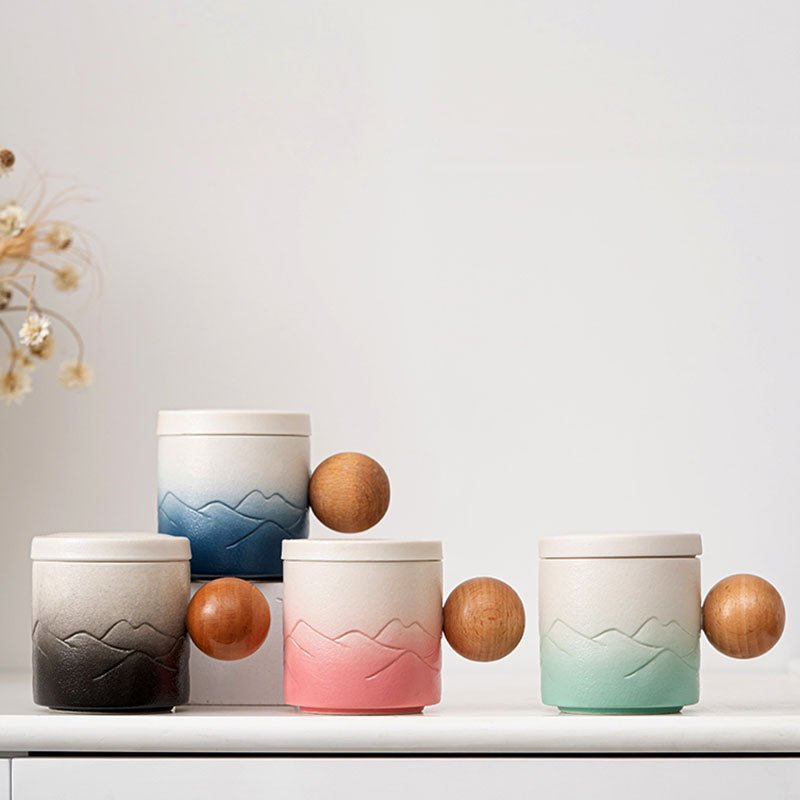
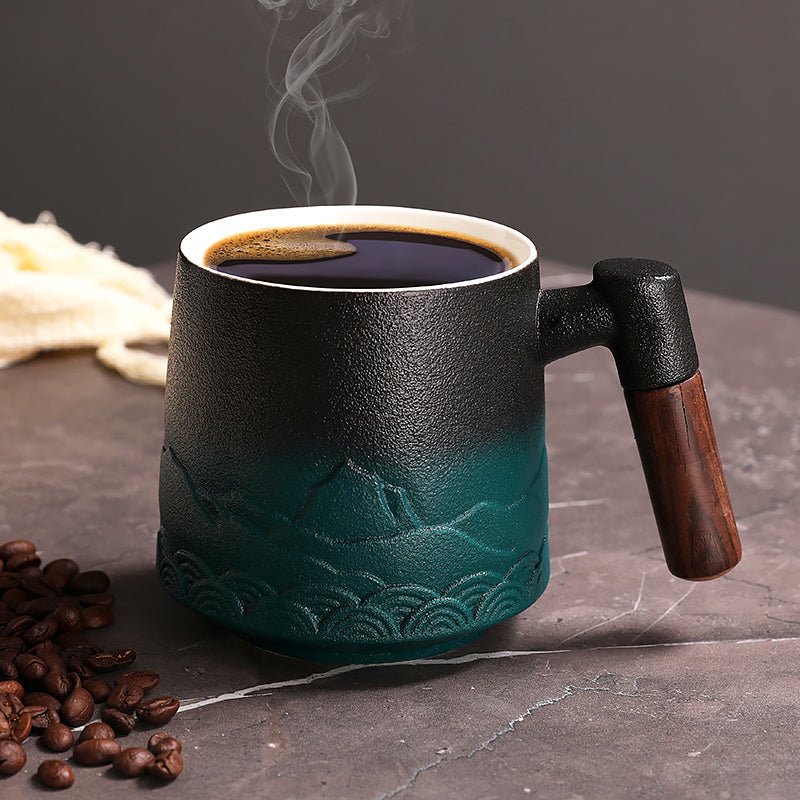
Shape changes how a mug behaves. A rounded body tends to feel more traditional and comfortable in the hand. A straighter profile stacks better and can look more modern on a shelf. A cup with a decorative surface, such as pleating or a wave pattern, adds visual texture but can also make cleaning slightly more careful around the grooves.
We compare the mugs in our assortment by the same questions customers ask us after unboxing them at home: does the handle feel secure, does the cup sit flat, and does the body feel balanced when it is full? Those are practical checks, not design theory.
| Buyer need | What to look for | Style we would point you toward |
|---|---|---|
| Easy everyday grip | Handle with enough clearance for two fingers and a body that does not tip forward | Ball Handled Coffee Tea Mug |
| Smaller, more refined espresso serving | Compact profile, comfortable rim, and a cup that looks neat on a saucer | Pleated Coffee Tea Cup |
| Giftable piece with stronger visual presence | Decorative finish that looks intentional without feeling fragile | Golden Waves Kio Coffee Tea Mug |
If you are shopping for a gift, shape matters even more than capacity. A mug with a distinctive handle or finish feels considered when someone opens the box. If you are buying for daily use, the safest choice is usually the one with the best handle comfort and the most stable base.
Which material and finish are easiest to live with?
Most coffee espresso mugs people actually keep using are ceramic, porcelain, or stoneware. Each has a trade-off. Porcelain usually feels lighter and finer in the hand. Stoneware often feels a little heavier and more casual. Ceramic drinkware sits in the middle for many shoppers and can be a strong choice for everyday use.
We do not rank materials by hype. We rank them by how they behave in real kitchens.
- Heat retention: thicker walls generally hold warmth better, but they can also feel bulkier.
- Weight: a lighter mug is easier to carry from counter to desk, while a heavier mug can feel more stable.
- Finish: glossy glazes wipe clean easily, but dark or textured finishes can show water spots and coffee residue faster.
- Care: if a mug has metallic decoration or a highly decorative finish, hand-washing is often the safer choice unless the product page says otherwise.
There are a few common defect modes worth checking before you buy any espresso mug, even from a good store: hairline crazing in the glaze, a rough rim, a foot ring that scratches surfaces, or a handle that feels loose when you test it with one finger. Those issues are small on paper and irritating in daily use. We prefer to call them out because they affect whether a mug earns a permanent place in the kitchen.
If you want a mug that can survive repeated dishwasher cycles, keep the design simple and the finish practical. If you want a more decorative piece, accept that it may need gentler cleaning. That trade-off is normal. The wrong move is buying a decorative espresso mug and expecting it to behave like a plain workhorse mug.
Which coffee espresso mugs fit different buying situations?
We see the same shopping patterns over and over. People do not just buy espresso mugs for espresso. They buy them for a work setup, a guest shelf, a gift, or a smaller kitchen where every item has to earn its place.
Use this quick filter:
- For a morning routine at the coffee machine: choose a mug with a comfortable handle and a stable base.
- For an office desk: choose a piece that is not too tall, so it sits safely near a laptop and keyboard.
- For gifting: choose a mug with a distinctive shape or finish, because presentation matters as much as capacity.
- For a small kitchen: choose one mug style that can also handle tea or a short milk drink.
- For frequent dishwasher use: choose a straightforward finish with fewer delicate surfaces or decorative accents.
If you are comparing styles across our range, start with our all collection and narrow by the feel you want in hand. That is usually faster than chasing a mug by color alone.
For buyers who want a more detailed comparison between smaller espresso drinkware and broader everyday mug sizes, these two guides are the most useful next reads: 10 oz Coffee Mugs: How to Choose the Right Fit for Daily Use and Espresso Coffee Mugs: Size, Shape, and Material Buying Guide. The first helps if you are leaning larger. The second is the tighter fit if you want a classic espresso cup.
Frequently asked questions
What size should a coffee espresso mug be?
For a single espresso, 2 to 3 ounces is the cleanest fit. For double shots or short milk drinks, 3 to 5 ounces is usually more practical. If you want one mug that can flex between espresso and tea, 6 to 8 ounces gives you more room without feeling oversized.
Are coffee espresso mugs dishwasher safe?
Some are, some are not. Plain glazed ceramic and porcelain mugs often handle the dishwasher well, but decorative finishes, metallic accents, or textured surfaces may need hand-washing to stay sharp. Always follow the care note on the product page if it is provided.
What shape is best for espresso?
A slightly narrower cup shape usually works best because it helps keep the coffee warm and the crema together. A wider cup is fine if you want a more open feel or if you regularly add milk. The best shape is the one that matches how you actually drink espresso, not the one that just looks smallest.
Can I use coffee espresso mugs for tea?
Yes, especially if you prefer smaller tea servings. A 4 to 8 ounce mug can work for tea just as well as espresso, but it will not replace a full-size breakfast mug. If you drink large tea servings, a standard mug is the better choice.
What should I check before buying one as a gift?
Check the handle, the finish, and the overall shape first. A gift mug should feel comfortable in hand, look good unboxed, and be easy enough to use every day. If the design is decorative, make sure the recipient will not mind extra care when washing it.
Use this checklist before you buy: pick the right capacity, check handle clearance, decide whether you want a plain or decorative finish, and confirm the care routine you are willing to follow. If you want to compare styles side by side, start with our all coffee mugs collection and choose the mug you would actually reach for on a weekday morning.
Read more
Pedestal Coffee Mugs: How to Choose the Right Shape and Size
Pedestal coffee mugs change the feel of a mug without changing the basic job: hold a hot drink, sit well in the hand, and look right on a kitchen counter or office desk. Here is how we help shopper...
Czytaj dalej
Rick and Morty Coffee Mug Buying Guide for Everyday Use
A Rick and Morty coffee mug should do more than carry a joke. We break down size, grip, print durability, and which mug styles make sense for daily coffee, gifts, and desk use.
Czytaj dalej
Zostaw komentarz
Ta strona jest chroniona przez hCaptcha i obowiązują na niej Polityka prywatności i Warunki korzystania z usługi serwisu hCaptcha.