
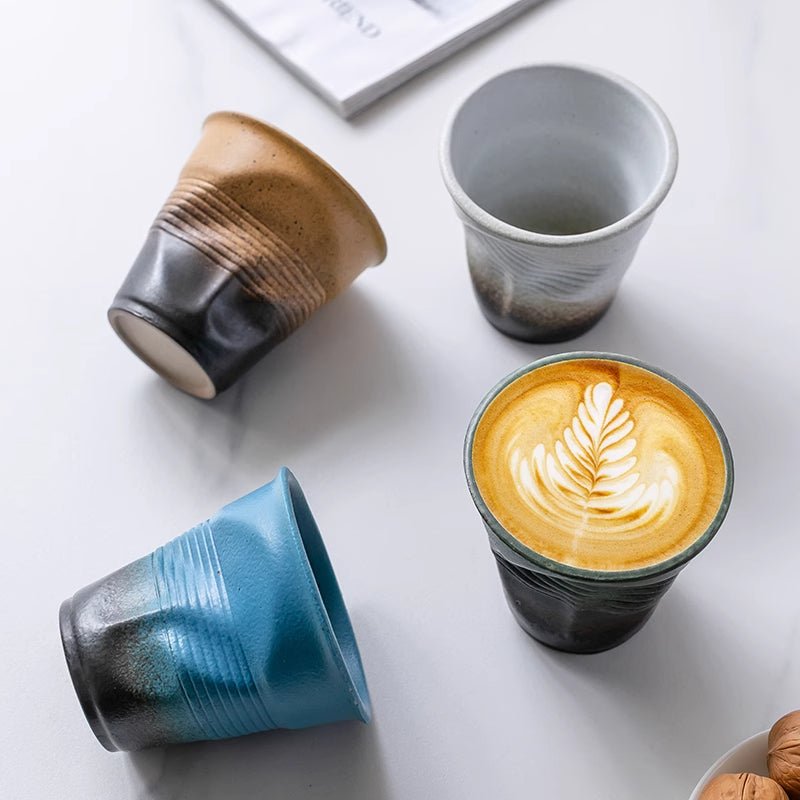
Coffee Cup Mug Buying Guide: Find the Right Shape, Size, and Style
Reading time: about 9 minutes
A coffee cup mug gets judged fast. The first sip tells you if the rim feels smooth, the handle fits two fingers, and the cup stays steady on a desk that already has a laptop, charger, and half-finished note pad in the way.
We see the same buying mistakes over and over in our store: shoppers pick a mug for the look, then discover it is awkward to grip, too small for their usual pour, or better suited to shelf decor than daily coffee. If you want a coffee cup mug that actually works at breakfast, in the office, or for evening tea, the details matter.
What should a coffee cup mug do well every day?
A good coffee cup mug should do four things without making you think about them. It should feel balanced in the hand, hold a useful amount, clean up easily, and survive regular use without becoming annoying.
In our experience, buyers usually want one of three outcomes:
- A mug that keeps morning coffee comfortable to drink, not scorching hot on the rim.
- A mug that fits a coffee station, desk, or dishwasher without drama.
- A mug that looks good enough to leave out, but not so delicate that it becomes a special-occasion item.
That is the real test. If a coffee cup mug is attractive but awkward, it does not stay in rotation for long. If it is practical but bland, it may still be the right choice for a busy kitchen. The best option depends on how you actually drink, wash, and store it.
Which mug shape feels best in the hand?
Shape changes the whole experience. A straight-sided mug feels sturdy and simple. A tapered mug can look lighter and stack more neatly. A rounder profile often feels more traditional and easier to cradle when the drink is hot.
When we handle mugs for the store, we look at three practical points:
- Handle clearance: enough room for two fingers without scraping the cup body.
- Rim thickness: thin enough for a clean sip, but not so thin that it feels fragile.
- Base stability: the mug should sit flat on a counter without a wobble.
If you want something with a fresh look for a desk or breakfast table, the Gradient Coffee Tea Mug is a good example of a style-led coffee cup mug that still needs to earn its place through daily use. If your priority is a classic silhouette with a more familiar feel, the Retro Coffee Tea Cup leans toward that older, lived-in mug shape many shoppers prefer for morning coffee or tea.
For buyers comparing shapes more broadly, our all collection is the easiest place to scan the full range before narrowing down by handle feel and profile.
How much capacity do you actually need?
Capacity matters more than most people expect. Too small, and you are refilling before the cup gets pleasant. Too large, and the drink cools before you finish, especially if you like a standard drip coffee rather than a long milk drink.
If you want a practical starting point, use this simple guide:
| Daily use | What tends to work | Why it matters |
|---|---|---|
| Short coffee or tea breaks | Smaller cup | Heats quickly and feels lighter in the hand |
| Full mug for desk use | Mid-size mug | Better for longer sipping without constant refills |
| Milk-heavy drinks or large pours | Larger cup | Leaves room for foam, milk, or cream without spilling |
If you are comparing mug sizes in more detail, our Coffee Mug Sizes Guide: Choose the Right Cup for Daily Use and Coffee Cup Tall: How to Choose the Right Tall Mug for Daily Use both help if you are deciding between a compact cup and a taller everyday mug.
A coffee cup mug is not the best pick if you routinely drink huge servings and want the cup to stay hot for a long stretch. In that case, a larger vessel may suit you better than a standard mug shape.
Which material makes the most sense for daily use?
For most shoppers, ceramic is the practical default. It feels substantial, cleans easily, and does not add metallic or plastic notes to the drink. That said, ceramic has trade-offs. It can chip if it bangs against a sink, a tap, or another mug in the dishwasher rack. It also tends to feel heavier than thin glass or travel-style drinkware.
Here are the specific checks we make before we recommend a ceramic coffee cup mug:
- Glaze finish: look for an even surface without rough spots where the lip meets the glaze.
- Rim quality: the sipping edge should feel smooth and consistent all the way around.
- Handle join: inspect where the handle meets the body, since this is a common stress point over time.
- Base and foot: a flat base helps the mug sit securely on counters and trays.
If ceramic is the material you are comparing, our Coffee Cup Mug Ceramic: What Buyers Should Check Before They Buy goes deeper into the details that matter before checkout. That is the right read if you care about finish, durability, and how a mug will behave after repeated dishwasher cycles.
We do not think ceramic is ideal for every situation. If you need something ultralight for commuting, a ceramic mug is the wrong tool. If you want a desk mug that feels grounded, stable, and familiar, it is usually the right one.
What details tell you a mug will last?
Durability is less about one dramatic feature and more about small signs that the mug was made with actual use in mind. In our experience, the mugs people keep for years are not necessarily the flashiest ones. They are the ones that hold up to sink bumps, dishwasher cycles, and clumsy morning handling.
Watch for these common problem modes:
- Hairline chips on the rim after repeated contact with metal utensils or crowded dish racks.
- Glaze inconsistency that leaves the surface looking patchy or uneven under bright kitchen light.
- Handle stress if the handle is too narrow, too thin, or attached at a weak angle.
- Wobble on the table if the base is not level.
Care matters too. For a ceramic coffee cup mug, we suggest checking the maker's care notes first, then using the gentlest cleaning routine that fits your kitchen. If you rinse soon after use, avoid thermal shock from extreme temperature changes, and do not let the mug knock around loose in a crowded sink, it will usually last longer in day-to-day use.
If you like a more distinctive handle, the Ball Handled Coffee Tea Mug is worth a look. A ball-style handle changes the grip immediately, which can be useful if you prefer a cup that feels more sculptural in the hand. It is not the best choice for someone who wants the simplest, most understated mug on the shelf, but it can be the right one for buyers who care about hand feel.
Which style fits a kitchen, office, or gift better?
Style matters because the mug usually lives somewhere visible. On a kitchen counter, it needs to look at home next to the kettle and canister. On an office desk, it should not feel precious or high-maintenance. As a gift, it has to feel considered without being too specific to one taste.
Here is the practical way to think about style:
- Kitchen use: choose a mug that matches your everyday dishes and is easy to grab in the morning.
- Office use: pick a shape that is stable, easy to carry, and not too wide for a crowded desk.
- Gift use: lean toward a finish or silhouette that feels polished but versatile.
The Gradient Coffee Tea Mug works well if you want a more modern, giftable look that still reads as practical. The Retro Coffee Tea Cup is better if the buyer likes a familiar, nostalgic style and wants something that feels immediately usable rather than decorative.
We handle a lot of gift orders, and the same rule applies every time: a mug is a better gift when it can go straight into the kitchen cabinet and be used the next morning. If it looks interesting but is awkward to wash, stack, or hold, it turns into shelf decor.
How do you compare options without getting stuck?
If you are trying to narrow down the right coffee cup mug, compare the decision in the same order we use in-store: fit, feel, finish, then style. That keeps you from choosing a pretty mug that turns out to be awkward.
- Check the capacity against your usual drink size.
- Hold the handle style in your mind and ask if it fits two fingers comfortably.
- Look at the rim and base for clean finishing.
- Decide whether you want modern, retro, or plain everyday styling.
- Confirm the care routine matches how you already wash dishes.
If you are still between standard and oversized shapes, the Largest Coffee Mug: How to Choose the Right Oversized Cup piece is useful for shoppers who think they want a bigger cup but are not sure how big is practical. For a broader overview of daily-use buying logic, Mug & Cup Coffee Buying Guide for Everyday Use is a solid companion read.
One more trade-off to keep in mind: a heavier mug usually feels more substantial and stable, but it is less pleasant if you are carrying coffee across the house while half awake. A lighter mug is easier to handle, but it may feel less anchored on a busy desk.
Frequently asked questions
What is the best coffee cup mug for everyday use?
The best everyday coffee cup mug is the one that fits your drink size, feels comfortable in the hand, and cleans up without fuss. For most buyers, that means a ceramic mug with a smooth rim, a stable base, and a handle that clears two fingers comfortably.
Is a ceramic coffee cup mug better than glass or stainless steel?
For home use, ceramic is usually the most balanced choice because it feels sturdy, looks at home on a kitchen counter, and does not affect the taste of the drink. Glass can be attractive but more fragile in daily handling, while stainless steel is better for travel than for a desk or breakfast table.
What size coffee cup mug should I buy?
Choose the size based on what you actually pour. If you drink a shorter coffee or tea, a smaller mug is easier to finish while the drink is still warm. If you pour larger servings or add milk, a mid-size or larger mug will be more practical.
How do I know if a mug handle is comfortable?
Check whether two fingers fit through the handle without pressing against the mug body. A good handle should feel secure without forcing your knuckles into the cup, and it should not feel slippery when the mug is warm.
What coffee cup mug should I choose if I want a gift?
Pick a mug with a clean finish, a versatile shape, and a style that can fit into most kitchens. If you want a more distinctive gift, a gradient finish or a retro profile is often easier to give than a very plain mug, as long as it still works for daily use.
If you want to compare practical options side by side, start with the full collection, then narrow down by shape and handle style. If ceramic details are your main concern, pair that with our ceramic guide before you buy.
Read more
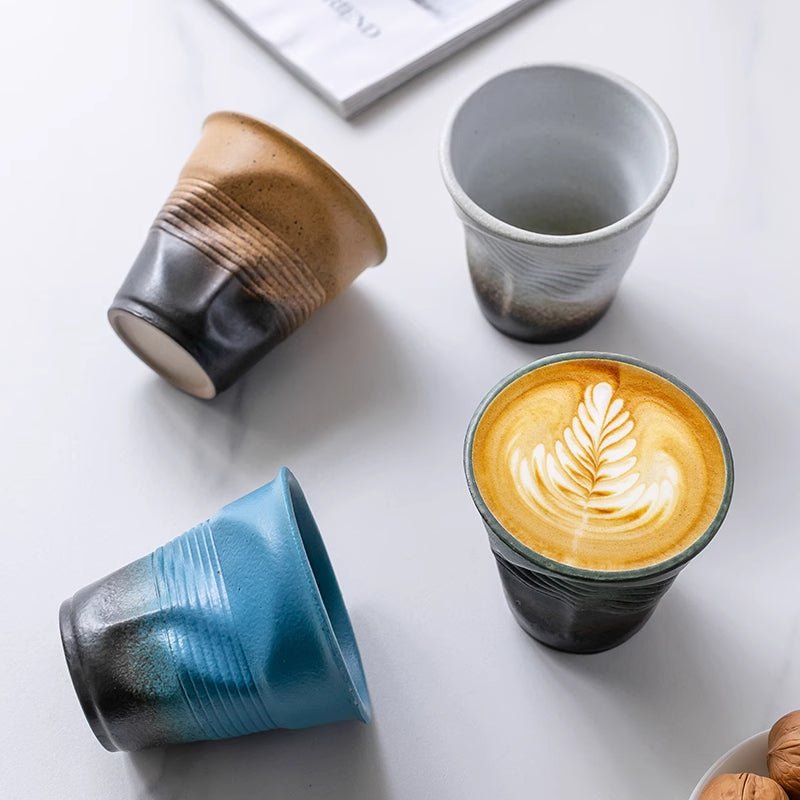
Fancy Coffee Cup Buying Guide: Styles, Materials, and Best Uses
A fancy coffee cup should look good on the counter and still work for daily coffee. We compare decorative styles, what to check before you buy, and which mugs fit gifting, desk use, and everyday po...
Czytaj dalejFancy Coffee Cup Buying Guide: Styles, Materials, and Best Uses
A fancy coffee cup should look good on the counter and still work for daily coffee. We compare decorative styles, what to check before you buy, and which mugs fit gifting, desk use, and everyday po...
Czytaj dalej
Zostaw komentarz
Ta strona jest chroniona przez hCaptcha i obowiązują na niej Polityka prywatności i Warunki korzystania z usługi serwisu hCaptcha.