
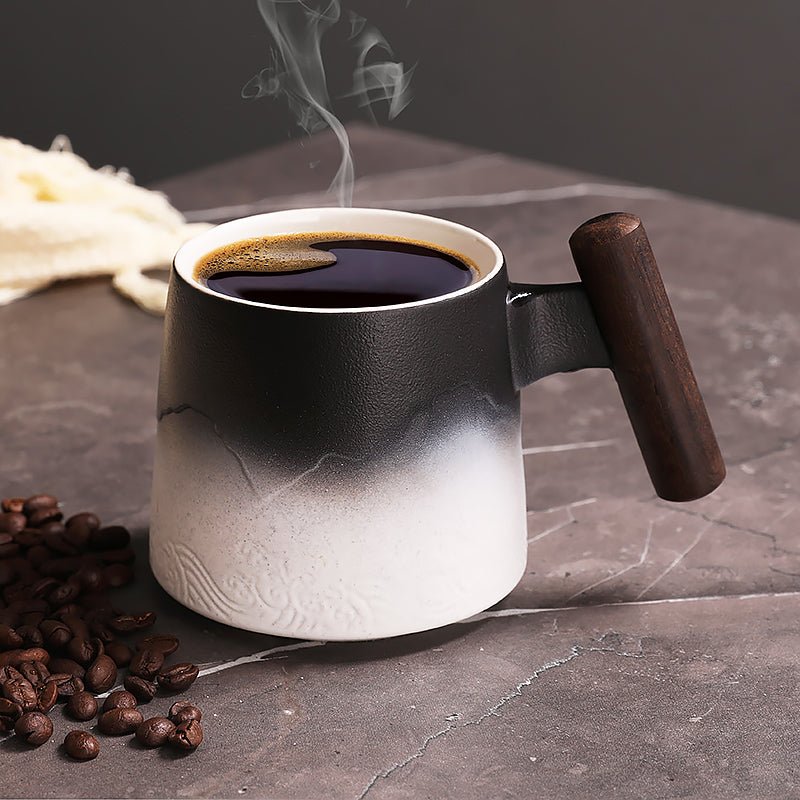
Clay Coffee Mugs: What Buyers Should Check Before Ordering
Reading time: about 8 minutes
A clay mug tells you a lot the moment you pick it up: the weight, the rim, and whether the glaze feels smooth enough for daily washing. On a kitchen counter, in a home office, or in a gift box opened at the table, the difference between a good mug and an annoying one shows up fast.
In our store, we see buyers choose clay coffee mugs for one reason more than any other: they want a mug that feels grounded and intentional, not generic. That said, clay is not the easiest material for every routine. If you want something ultralight, travel-friendly, or totally carefree, another style may suit you better.
What do clay coffee mugs feel like in daily use?
Clay mugs usually feel more substantial than thin ceramic mugs, and that extra weight changes the experience right away. They sit more firmly on a desk, they tend to feel warmer in the hand, and they give the drink a slower, more deliberate pace.
That is also the first trade-off. A heavier mug is pleasant at the table, but it is not ideal if you carry coffee between rooms all morning or if your shelf space is tight and you stack mugs often. Clay also tends to show surface character more clearly, which is part of the appeal for many shoppers.
For buyers comparing handmade textures, our guide to Mexican Clay Coffee Mugs: How to Choose the Right One is a useful companion piece. It helps narrow the look and feel you want before you commit to a purchase.
- Best fit: kitchen counters, coffee stations, office desks, and slow morning routines.
- Less ideal: commuting, car cup holders, and people who want the lightest possible mug.
- Common feel difference: clay often gives a more tactile rim and a more grounded base than thin, mass-produced cups.
Which details should you check before you buy?
We inspect a few details every time we handle a clay mug because they affect real use more than the marketing photos do. The finish matters. The rim matters. The handle matters. And the bottom of the mug matters too, because a mug that wobbles on a flat surface becomes annoying fast.
| Detail | What to check | Why it matters |
|---|---|---|
| Clay body | Look for a dense, even body with no visible cracks or rough seams. | Uneven construction can lead to weak spots, especially around the handle and rim. |
| Glaze | Check whether the inside is fully glazed and easy to rinse clean. | A smoother interior is easier to wash and less likely to hold coffee residue. |
| Rim | Run your eye over the lip for chips, sharp spots, or uneven thickness. | The rim is what your mouth touches every day, so comfort matters more than people think. |
| Handle | Make sure the opening is large enough for your fingers and the balance feels natural. | A handle can look fine in photos and still feel cramped in real use. |
| Base | Check that the bottom sits flat and does not rock on a counter. | A stable base reduces spills on desks and kitchen tables. |
| Care notes | Confirm whether the mug is dishwasher safe, microwave safe, or hand wash only. | Clay finishes vary, and the wrong cleaning routine can shorten the life of the mug. |
Those are the things that separate a mug you enjoy from one you tolerate. A pretty profile is nice. A comfortable rim and a sensible glaze are what keep it in rotation.
What size clay coffee mug should you choose?
Size changes the whole feel of clay coffee mugs because the material adds weight as capacity goes up. A small mug may be ideal for short, strong coffee. A larger mug works better for long mornings, but it will also be heavier when full.
If you want a deeper size-by-size comparison, our posts on 12 oz Coffee Mugs: What to Check Before You Buy, 16 oz Coffee Mugs: What to Check Before You Buy, and 8 Ounce Coffee Mugs: What Buyers Should Check Before Ordering cover the practical trade-offs we look for before listing a mug. For oversized pours, our guide to A buyer's guide to large capacity coffee mugs is the better starting point.
- 8 oz range: useful for smaller servings, espresso drinks, and people who like a short refill cycle.
- 12 oz range: a balanced everyday choice for drip coffee and most standard home brews.
- 16 oz range: better for longer sipping sessions, bigger pours, and people who do not want to refill often.
- Large-capacity mugs: practical for long desk sessions, but they can feel heavy once filled to the top.
If a mug feels too large in the hand, it usually ends up sitting unused. If it feels too small, buyers often regret it after a week. That is why size is one of the first filters we use before we even look at color or pattern.
Are clay coffee mugs good for work, home, or gifting?
In our experience, clay coffee mugs are strongest in three settings: the kitchen, the office desk, and the gift table. They look thoughtful without trying too hard, and they feel more personal than a plain promotional mug.
They are especially good when the buyer wants a mug that feels like part of the space. On a desk, the extra weight makes the mug feel stable beside a keyboard. In a kitchen, the texture adds character to a shelf or open rack. As a gift, the handmade look tends to read as more considered than a standard printed cup.
They are not the best choice for every buyer, though. If the mug will be tossed in a backpack, used in a car, or washed roughly every day in a crowded dishwasher, stainless steel or a simpler travel tumbler may be a smarter pick.
- Home use: good for morning coffee, tea, and a slower routine.
- Office use: good when you want a stable mug that stays put on the desk.
- Gift use: good when presentation and texture matter as much as function.
- Travel use: usually not the right category.
How should you care for clay coffee mugs?
Clay mugs last longer when you treat them like finished tableware, not like a rough utility cup. The safest routine is simple: rinse after use, wash according to the maker's care notes, and let the mug dry fully before stacking or storing it.
A few real-world issues show up over time. Hairline crazing can appear in some glazes. Rims can chip if mugs are knocked together in a crowded cupboard. Porous surfaces can pick up stains or coffee aroma more easily than a fully sealed glaze. None of that means the mug is bad. It just means the material asks for a little more care than a stainless tumbler.
Use these habits to get more life out of them:
- Do not move a hot mug straight into cold water.
- Do not stack them tightly if the rims are delicate or hand-finished.
- Dry the base before putting the mug away so moisture does not sit in the foot.
- Check the care label before using a dishwasher or microwave.
If you want a broader buying checklist for mug size and fit, our large-format and standard-size guides are a useful match for this care advice because size and care usually travel together.
Where do clay mugs fall short?
We like clay coffee mugs, but we do not recommend them as a universal solution. The biggest limitations are weight, fragility, and maintenance. A clay mug can feel great on the counter and still be the wrong answer for someone who needs a cup that can handle fast moving mornings.
Here is where another product type may be better:
- You want maximum portability: choose a travel mug or insulated tumbler instead.
- You want ultra-light weight: look for thinner ceramic or another lighter drinking vessel.
- You want the easiest cleanup possible: a simple glazed mug with clear care instructions is usually the safer choice.
- You want the least breakage risk: stainless steel makes more sense than clay.
That does not make clay coffee mugs a compromise product. It just means the buyer should choose them for the right reasons: texture, presence, and an at-home drinking experience that feels a little more personal.
For shoppers comparing styles across our range, you can browse our products or check the full collection to compare finishes and shapes side by side.
Frequently asked questions
Are clay coffee mugs dishwasher safe?
Some are, and some are not. The safest answer is to follow the product care notes, because glaze type and firing style can change how the mug handles repeated dishwasher cycles. If you want a mug that you can wash without thinking twice, choose one with clear dishwasher-safe instructions.
Do clay coffee mugs keep coffee hot longer?
They can feel warmer and more substantial in the hand, but they are not a substitute for an insulated travel mug. Heat retention depends on the wall thickness, glaze, and overall construction. For desk use or slow sipping, they are a good fit. For long commutes, they are usually not the right tool.
What size clay coffee mug is best for everyday use?
For many buyers, 12 oz is the most practical everyday size because it covers a normal serving without feeling oversized. If you like larger pours or spend a long time at your desk, 16 oz can make more sense. Smaller 8 oz mugs are better for short drinks or stronger coffee styles.
Do unglazed clay coffee mugs stain or absorb flavor?
They can, depending on how porous the surface is and how the mug was finished. A fully glazed interior is easier to rinse and usually more forgiving for daily coffee use. If you want lower-maintenance cleaning, glazed clay is the safer choice.
What should I check if I am buying clay coffee mugs as a gift?
Focus on size, comfort, and presentation. A mug that looks beautiful in photos can still feel awkward if the handle is too small or the rim feels rough. For gifting, we usually recommend checking the finish, care instructions, and whether the mug feels stable enough for daily use.
If you want to compare options quickly, use this checklist before you order: choose the size first, confirm the care instructions, check the rim and handle, and decide whether you want a fully glazed interior or a more textured handmade finish. Then browse our full collection or our products to narrow it down to the mug that fits your routine.
More from our blog
Read more
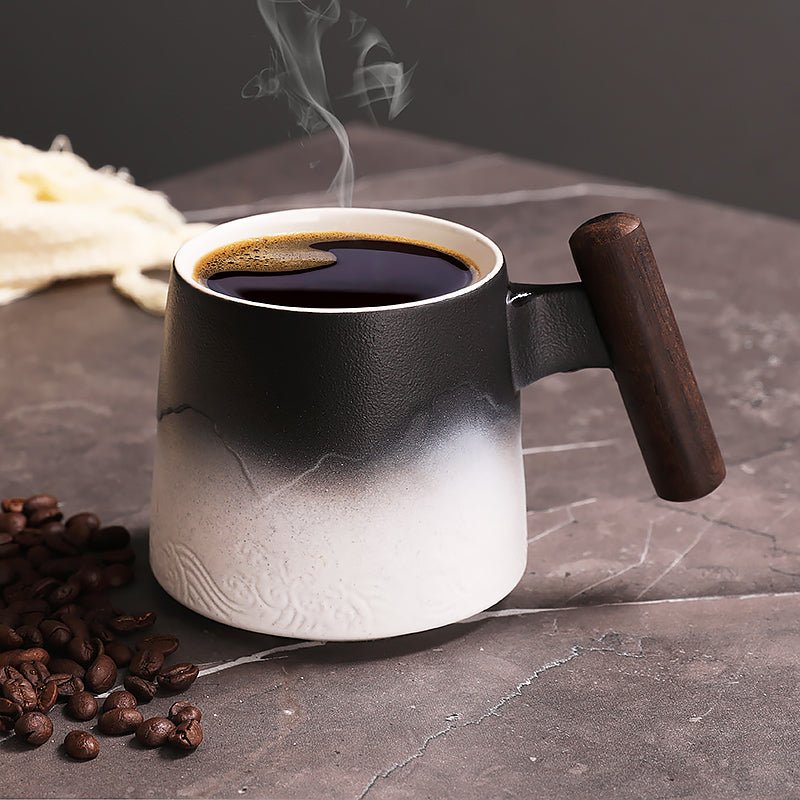
Moose Coffee Mug Buying Guide: What to Check Before You Buy
A practical guide to choosing a moose coffee mug that looks good on the shelf and works in daily use. We cover size, material, care, giftability, and the trade-offs that matter before you buy.
Czytaj dalej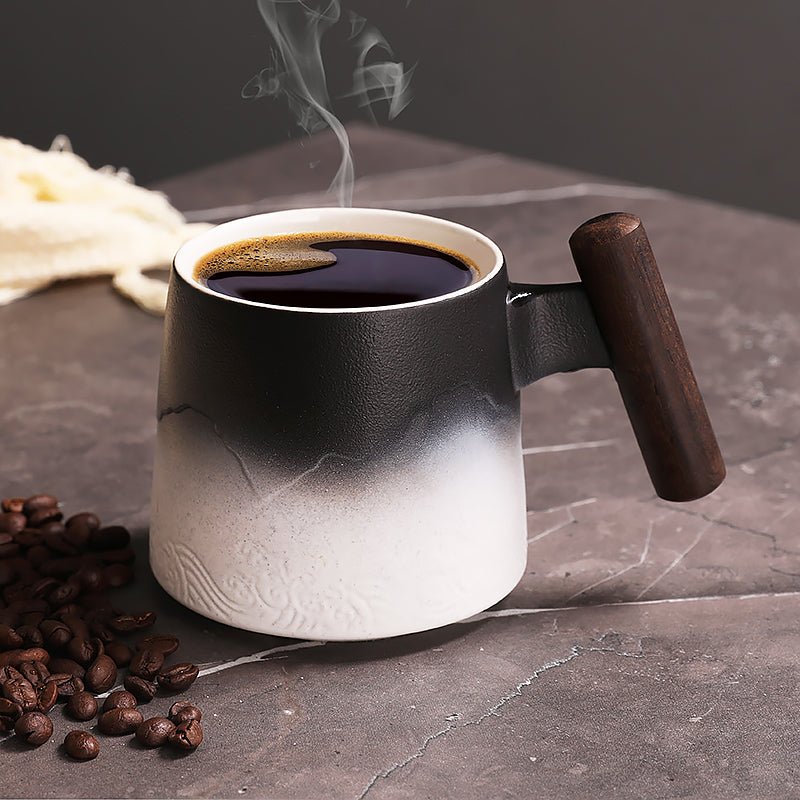
14 oz Coffee Mug: What Buyers Should Check Before They Buy
A 14 oz coffee mug is the middle-size option many shoppers end up choosing after 11 oz feels cramped. This guide explains the real trade-offs we see at checkout: comfort, heat retention, cabinet fi...
Czytaj dalej
Zostaw komentarz
Ta strona jest chroniona przez hCaptcha i obowiązują na niej Polityka prywatności i Warunki korzystania z usługi serwisu hCaptcha.