
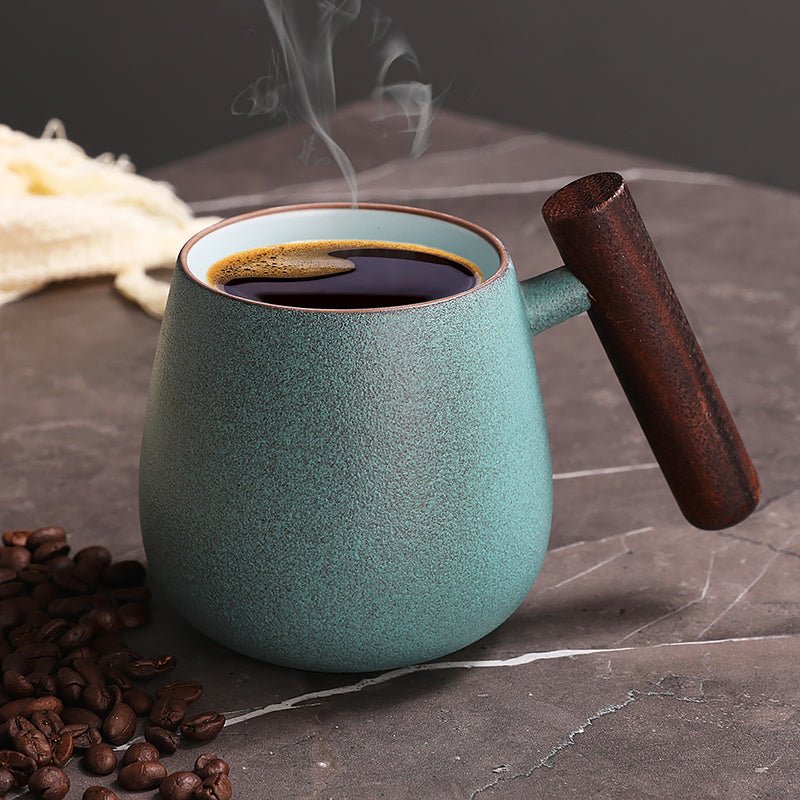
Ceramic Travel Coffee Mug Buying Guide for Everyday Use
Reading time: about 9 minutes
A ceramic travel coffee mug usually earns its place on a kitchen counter for one simple reason: it makes coffee feel more like coffee. We see shoppers reach for ceramic when they want a cleaner taste than metal, a mug that looks good on an office desk, and a sip that feels closer to a regular cup at home. The trade-off is just as real. Ceramic is less forgiving than stainless steel if you toss it into a bag without thinking.
At CoffeifyMug, we handle this category as practical drinkware, not décor. That means we look at lid fit, wall thickness, handle comfort, glaze quality, and how the mug behaves after a few dishwasher cycles. If you are comparing options, our collection of mugs and drinkware is a good place to start, and our store product pages at coffeifymug.com/products are where you can check the exact pieces we currently carry.
What makes a ceramic travel coffee mug different from a regular mug?
A ceramic travel coffee mug is built to bridge two use cases: the at-home mug and the go-anywhere cup. It usually has a travel lid, a shape that fits a car cup holder or bag side pocket better than a standard mug, and a ceramic body that keeps the coffee flavor neutral.
The big difference is not just the lid. It is the whole experience. A standard mug is fine for a kitchen table. A travel mug has to move from counter to commute to desk without dripping, tipping easily, or making your coffee taste like the container. Ceramic does a better job than many people expect, but it is not the best option for rough travel or long heat retention.
In our experience, buyers split into two camps:
- Desk and office users who want a cleaner sip and a mug that looks good beside a laptop.
- Commute users who need spill resistance, a secure lid, and a shape that fits a car cup holder.
If you are still deciding between styles, our related guides on best coffee travel mug and best travel coffee mug break down the comparison points in a way that helps before checkout.
Why do shoppers choose ceramic over stainless steel?
Most people choose ceramic for taste, feel, and appearance. Ceramic does not leave the same metallic edge some drinkers notice in stainless steel mugs. It also tends to feel more familiar in the hand, especially if the mug has a comfortable handle and a smooth glazed finish.
There are real advantages here, but there are also limits. Ceramic is usually heavier than plastic and can chip if it gets knocked against a sink or desk edge. It is also not the best pick if you want a mug that can be thrown into a backpack with keys, chargers, and notebooks. That kind of everyday abuse is where stainless steel usually wins.
Here is the short version of the trade-off:
| Feature | Ceramic travel mug | Stainless steel travel mug |
|---|---|---|
| Taste | Neutral, familiar coffee flavor | Can sometimes add a metallic note |
| Feel | Heavier, more like a home mug | More utilitarian |
| Durability | Can chip or crack if dropped | Usually more impact-resistant |
| Heat retention | Moderate | Often better for long commutes |
| Style | Good for desks and gifting | More rugged, less decorative |
If you are buying for someone who uses a mug mostly at home, at a desk, or on short errands, ceramic often makes more sense. If the mug needs to survive train rides, gym bags, or a chaotic school run, a tougher travel style may be the better fit.
What details should you check before buying one?
This is where a lot of shoppers get disappointed. The mug looks right in the photos, but the lid leaks, the handle feels cramped, or the shape is too wide for the cup holder in the car. We check the same practical details for every ceramic travel coffee mug because they change how the mug performs day to day.
Look at these points before you buy:
- Lid type and seal — A press-fit lid is convenient, but it should sit evenly. If the lid rocks or feels loose, that is where drips start.
- Mouth opening — A wider opening gives a more open coffee-drinking feel. A narrower opening can help reduce sloshing, but some people dislike the sip flow.
- Handle clearance — If the mug has a handle, make sure it is large enough for a comfortable grip, especially if you drink while walking to your desk.
- Wall thickness — Thicker ceramic tends to feel sturdier and may hold warmth a bit longer, but it also adds weight.
- Capacity — Pay attention to how much you actually drink. A mug that looks compact can still hold a full morning pour, while a larger one may be awkward for small espresso-based drinks.
- Base width — A tapered base is more likely to fit a car cup holder. A wide base is often better on a desk but less useful in transit.
These are the same details we look at when we update our own product pages and guide shoppers through the collection. If you want a broader buying checklist, the article Ceramic Travel Coffee Mugs: What Buyers Should Check Before Ordering goes even deeper on the practical side.
How durable is a ceramic travel coffee mug in real life?
Durability depends on how you use it. On a kitchen counter, a ceramic travel coffee mug can last a long time. On a crowded desk, in a tote bag, or during rushed mornings with one hand on a door handle, it is more vulnerable than stainless steel.
From what we see in stores and at home, the common failure points are not dramatic. They are usually small and frustrating:
- Chipping at the rim from a sink edge or another mug.
- Hairline cracks after a drop onto tile or stone.
- Warped or loose lids after repeated washing or careless snapping on and off.
- Glaze wear over time if the mug is scrubbed with abrasive pads.
That does not make ceramic a bad choice. It just means it is better for people who handle their mug with some care. We would not recommend ceramic as the best option for someone who routinely drops things, packs a bag too fast, or needs a mug that can take a beating. For that buyer, a travel-first design is safer.
For a more detailed look at the category, our post Coffee Mug Travel Guide: What to Check Before You Buy is a helpful companion read.
How should you clean and care for it?
Care is simple, but consistency matters. A ceramic travel coffee mug usually does best when you treat the body and lid a little differently. The ceramic can often handle normal washing well, while the lid may need gentler treatment to stay snug and functional.
Here is the routine we recommend in our store experience:
- Wash the mug body with warm water and mild dish soap after use.
- Rinse the lid separately so coffee oils do not build up around the sip opening or seal.
- Check the rim and base for tiny chips before stacking with other mugs.
- Let the mug dry fully before putting the lid back on for storage.
- Avoid harsh scrubbers on glazed ceramic unless there is stubborn residue.
If the product is labeled dishwasher-safe, that is convenient, but repeated dishwasher cycles can still affect printed finishes, lid fit, or decorative glazing over time. We would rather be honest about that than pretend every mug stays perfect forever. If you care most about long-term looks, hand washing is usually the safer choice.
Who is a ceramic travel coffee mug best for — and who should skip it?
This is the question that saves the most returns.
A ceramic travel coffee mug is a strong fit if you:
- Drink coffee at a desk, in a home office, or on short drives.
- Care about taste and want a neutral-tasting cup.
- Like the feel of a real mug with a handle.
- Plan to wash it regularly and store it carefully.
- Want a mug that feels more giftable than rugged gear.
You should probably skip it if you:
- Need maximum insulation for long commutes.
- Carry your mug loosely in a bag with heavy items.
- Want something very light.
- Often drop or knock over drinkware.
- Need a workhorse mug for job sites, outdoor use, or road trips.
That is why we try to match the buyer to the mug, not just the mug to the buyer. If you are shopping for a present, our Coffee Mug vs Travel Mug for Dad: Father’s Day Buying Guide can help you decide whether the person should get something more home-focused or more travel-focused.
What should you compare before placing an order?
If you want the easiest possible buying process, compare the mugs on the same few points every time. That keeps the decision practical instead of cosmetic.
- Use case: desk, car, home office, or bag carry.
- Capacity: enough for your usual pour, not just the photo.
- Lid design: secure fit, easy drinking, easy cleaning.
- Base shape: stable on a table and compatible with cup holders if needed.
- Material feel: weight, glaze texture, and handle comfort.
- Care level: dishwasher convenience versus hand-wash caution.
If you want to compare actual options, start with our full collection and then move into the individual product details on our product pages. That is the easiest way to see which mug is built for desk use, gifting, or more regular travel.
Frequently asked questions
Does a ceramic travel coffee mug keep coffee hot long enough for a commute?
Usually, yes for short commutes and desk use, but not as long as an insulated stainless steel mug. Ceramic holds heat better than a thin paper cup, yet it is not built for all-day temperature control. If you need your coffee hot for hours, stainless steel is the safer choice.
Can a ceramic travel coffee mug go in the dishwasher?
Many can, but the answer depends on the mug and its lid. The ceramic body is often easier to wash than the lid, and repeated dishwasher cycles can wear down printed designs or loosen some lid fits over time. If you want the mug to look good for longer, hand washing is the gentler option.
Is ceramic safer for coffee taste than metal?
For many shoppers, yes. Ceramic is neutral and does not create the metallic note some people notice with stainless steel. That is one of the main reasons people choose ceramic for office desks and home use.
Will a ceramic travel coffee mug fit in a car cup holder?
Some will, but not all. The base width matters more than the photos suggest, and a mug with a wide bottom or large handle can be awkward in smaller cup holders. Check the shape before buying if car use matters to you.
What is the biggest drawback of ceramic travel mugs?
Fragility. Ceramic can chip or crack if dropped, so it is not the best choice for rough travel or bag carry. If you want something that can take more impact, a stainless steel travel mug is usually the better fit.
If you are still comparing, use this last check: ask where the mug will live most of the time. Desk and home counter? Ceramic is a smart pick. Daily bag carry or long commutes? Choose a tougher travel style. Start with our full mug collection, then open the product details that match your routine best.
More from our blog
Read more
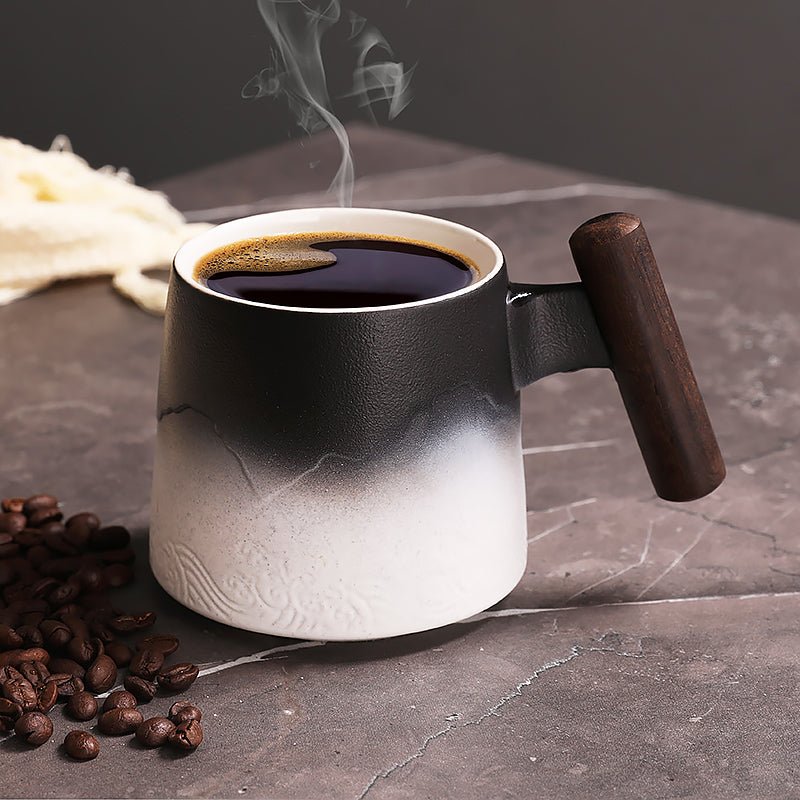
Williams Sonoma Coffee Mugs: What Buyers Should Check Before Ordering
A practical buyer’s guide for comparing Williams Sonoma coffee mugs by size, material, and everyday use. We break down what matters on the counter, in the dishwasher, and at gift time so you can ch...
Czytaj dalej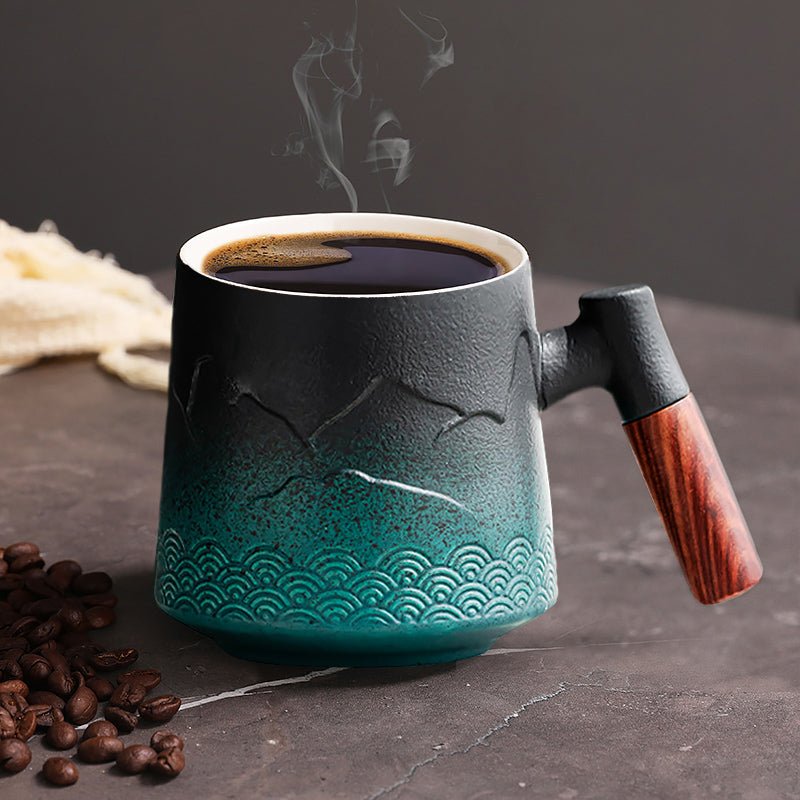
Coffee Mug With Picture: What to Check Before You Buy
A coffee mug with picture should do more than hold a printed image. This guide covers print quality, mug material, size, care, and the trade-offs that matter before you buy.
Czytaj dalej
Zostaw komentarz
Ta strona jest chroniona przez hCaptcha i obowiązują na niej Polityka prywatności i Warunki korzystania z usługi serwisu hCaptcha.