
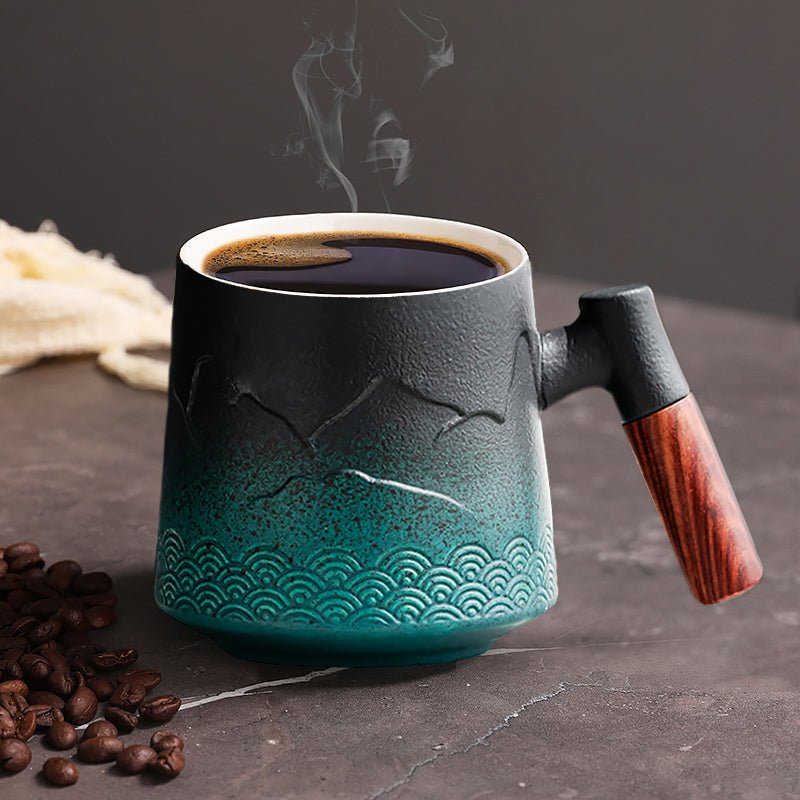
Ceramic Coffee Mug with Lid: What to Check Before You Buy
Reading time: about 10 minutes
A ceramic mug with a lid looks simple on the shelf. On a kitchen counter, office desk, or gift table, the small details decide whether it becomes a daily favorite or just another mug taking up cabinet space. We handle this category in our store, and the differences show up fast once a buyer starts using the mug for real coffee, tea, reheats, and cleanup.
If you are comparing options, start with the basics: lid fit, mug capacity, handle comfort, and whether the finish will hold up through dishwasher cycles. For a broader comparison of ceramic shapes and use cases, our Ceramic Coffee Mug Buying Guide: What to Check Before You Buy is a helpful companion. If you are shopping our current selection, you can also browse the full collection to compare styles side by side.
What makes a ceramic coffee mug with lid worth buying?
A good ceramic coffee mug with lid solves a practical problem: it helps keep a drink warmer for longer and reduces dust, splashes, and desk spills. That is useful for slow drinkers, office setups, and gift buyers who want something more polished than a basic open mug. The lid also changes the mug’s feel a bit. It makes the mug look more finished, but it can add a step when you are pouring, stirring, or sipping quickly.
In our experience, buyers usually want one of three things:
- Heat retention for a longer coffee break, especially at a desk.
- Less splashing while carrying the mug from kitchen to table.
- A cleaner presentation for gifting or display.
That said, a ceramic mug with lid is not the best choice for every situation. If you need a travel mug for bouncing around in a car cup holder, a lidded ceramic mug is usually the wrong tool. Ceramic is better for countertop use, office work, and home drinking than for true on-the-go movement.
Which lid type should you choose?
The lid is where a lot of buyers get surprised. Not all lids behave the same, even if the mug photos look similar. A well-fitting lid should sit securely without forcing you to press too hard or wrestle it off every time you refill.
| Lid type | What it does well | Trade-off |
|---|---|---|
| Flat ceramic lid | Looks clean, keeps dust off, helps slow heat loss | Can be heavier and takes two hands to remove |
| Bamboo or wood-accent lid | Lightweight, attractive, good for gifting | Usually needs more careful drying and care |
| Silicone-sealed lid | Better splash resistance and a snugger fit | May not have the same all-ceramic look buyers want |
We suggest paying attention to how the lid rests on the rim. A loose lid is annoying on a desk. A lid that fits too tightly can chip the rim over time if you twist it on and off roughly. That small detail matters more than the pattern on the outside.
If you are comparing lids specifically, our article Coffee Mug with Lid: What Buyers Should Check Before They Order goes deeper into lid fit and everyday use.
What size works best for coffee, tea, and reheating?
Size changes the whole experience. A smaller ceramic coffee mug with lid feels neat and easy to store. A larger one is better if you add milk, use a pour-over, or want fewer refills. The wrong size can make the mug feel too heavy in hand or too small for the amount you actually drink.
Here is the practical breakdown we use when helping shoppers compare mugs:
- Small sizes suit espresso-based drinks, tea, and people who refill often.
- Mid-size mugs fit most daily coffee routines and desk use.
- Larger mugs help if you like a full morning pour, but they can be bulky and take longer to cool.
Capacity also affects stability. A taller mug can feel less steady near the edge of a desk. A wide-base mug is usually more forgiving. If the mug will go in the microwave, the shape matters too. Wide mugs reheat more evenly than very tall, narrow ones. Ceramic handles heat well enough for a good drinking experience, but the body will still get hot after a microwave cycle, so the lid should be removed before reheating unless the product specifically says otherwise.
For shoppers comparing larger formats, our 20 oz Coffee Mug: What to Check Before You Buy is useful if you lean toward a bigger daily pour.
Which ceramic details matter most in real use?
This is where generic product photos can hide the differences. Ceramic is not one single thing. The glaze, wall thickness, rim finish, and handle shape all affect comfort and durability.
Three details we watch closely in our store:
- Glaze finish: A smooth glaze wipes clean more easily. A matte or textured finish can look great, but it may show tea staining or fingerprints sooner.
- Rim quality: A thin, sharp rim feels less pleasant on the lips than a rounded, smooth one. Small chips often start at the rim if the mug is knocked against a sink or rack.
- Handle clearance: A handle that fits two or three fingers comfortably is easier to use when the mug is full and hot. Tight handles can feel awkward fast.
We also pay attention to common defect modes. The ones buyers notice first are hairline glaze cracks, uneven lid seating, rough edges near the handle joint, and a lid that rocks instead of sitting flat. None of those are things you want to discover after gift wrap comes off.
If you are comparing mug basics before you commit, Coffee Cup Mug Ceramic: What Buyers Should Check Before They Buy covers the ceramic-specific details that often get missed in product photos.
How should you care for a ceramic coffee mug with lid?
Care should be simple. If it is not, the mug is not going to stay in your daily rotation for long. Most ceramic mugs do best with gentle washing, careful drying, and a little common sense around sudden temperature changes.
What we recommend in practice:
- Wash after use so coffee oils do not build up and darken the inside.
- Dry the rim and lid separately if the lid has a wood or bamboo component.
- Avoid thermal shock: do not move a mug from a hot dishwasher straight to a freezing counter or fill a cold mug with boiling liquid too aggressively.
- Check dishwasher guidance before assuming every lid is safe for machine washing.
Ceramic handles dishwasher cycles well in many cases, but the lid can be the weak point depending on the material mix. That is where buyers sometimes get tripped up. A fully ceramic lid is usually simpler to care for than a mixed-material lid. If the mug is intended for office use, a simpler lid often wins because it is easier to clean and less fussy between refills.
We say this plainly: a ceramic coffee mug with lid is not ideal if you want a mug that can be tossed into a bag and ignored all day. It is better for routine use at home or at work, where it can sit upright and be handled with a bit of care.
What should you check before you click buy?
Before ordering, compare the mug like you would in person. Photos can show style, but the details below tell you whether the mug will actually suit your routine.
- Lid fit — snug enough to stay put, easy enough to remove.
- Capacity — matches your usual coffee size, not just your wish list.
- Handle comfort — enough clearance for your fingers when the mug is full.
- Surface finish — glossy for easier cleaning, matte for a different look and feel.
- Care instructions — especially if the lid is not all ceramic.
- Use case — desk mug, gift mug, tea mug, or kitchen staple.
That order matters. If the lid is awkward, the rest does not matter much. If the mug is beautiful but too heavy when full, it will not stay on the counter long. Our team has seen that happen with plenty of office mugs: people want the aesthetic first, then realize the handle is too small for daily comfort.
What is this mug not best for?
We do not recommend a ceramic coffee mug with lid as the top choice for active commuting. If you are walking long distances, driving in a car often, or stuffing a mug into a backpack, a true travel mug with a sealed lid is a better fit. Ceramic can chip if knocked around, and most ceramic lids are designed more for coverage than leak-proof transport.
It is also not the best option if you want the lightest possible mug. Ceramic has a more substantial feel, which many buyers like, but some people prefer the weight of glass or the durability of insulated stainless steel. If that sounds more like your routine, those categories may serve you better than a lidded ceramic mug.
For buyers comparing styles across mug types, we also keep a broader buying guide in our cluster: Best Coffee Mug: What Actually Matters for Daily Use.
How do you choose between our options?
Our approach is simple: match the mug to the way you drink. A ceramic coffee mug with lid should feel easy from the first pour to the last rinse. If you want to compare what we currently carry, the cleanest next step is to browse the product page and filter mentally by size, lid style, and finish.
If you are still deciding, use this quick checklist:
- Will it sit on a desk most of the time?
- Do you want a lid mainly for warmth, dust protection, or spills?
- Do you prefer a lighter lid or a fully ceramic presentation?
- Will you wash it by hand, or do you want simpler cleanup?
- Do you drink small refills or one larger serving?
Answer those questions honestly and the right mug becomes much easier to spot.
Frequently asked questions
Is a ceramic coffee mug with lid good for the office?
Yes, especially if you drink coffee slowly and want to keep dust or desk splashes out of the cup. It works best on a stable desk, not for carrying around the office all day. If your desk is crowded, a mug with a secure but easy-to-remove lid is the better choice.
Can I put a ceramic coffee mug with lid in the microwave?
Often the mug body can go in the microwave, but the lid may not be suitable if it includes bamboo, wood, metal, or certain seal materials. Remove the lid before reheating unless the product instructions clearly say otherwise. Ceramic also gets hot, so use care when taking it out.
What is the easiest lid material to care for?
A fully ceramic lid is usually the easiest to maintain because it matches the mug’s cleaning routine more closely. Mixed-material lids can look nice, but they often need more careful drying and handling. If you want low-fuss cleanup, keep the lid design simple.
How do I know if the lid will fit properly?
Look for product details that describe the lid as snug, secure, or fitted to the mug’s rim. A good lid should sit flat without wobbling. If the listing shows a close-up of the rim and lid edge, that is a useful sign the seller expects buyers to care about fit.
Is a ceramic coffee mug with lid better than a travel mug?
Not for travel. A ceramic mug with lid is better for home, office, or gift use where the mug stays upright and protected. A travel mug is the stronger choice if you need spill resistance in a car or bag.
If you are ready to compare styles, start with the fit, lid type, and care notes first. Then check our current collection and pick the mug that matches how you actually drink coffee, not just how it looks in the photo.
More from our blog
Read more
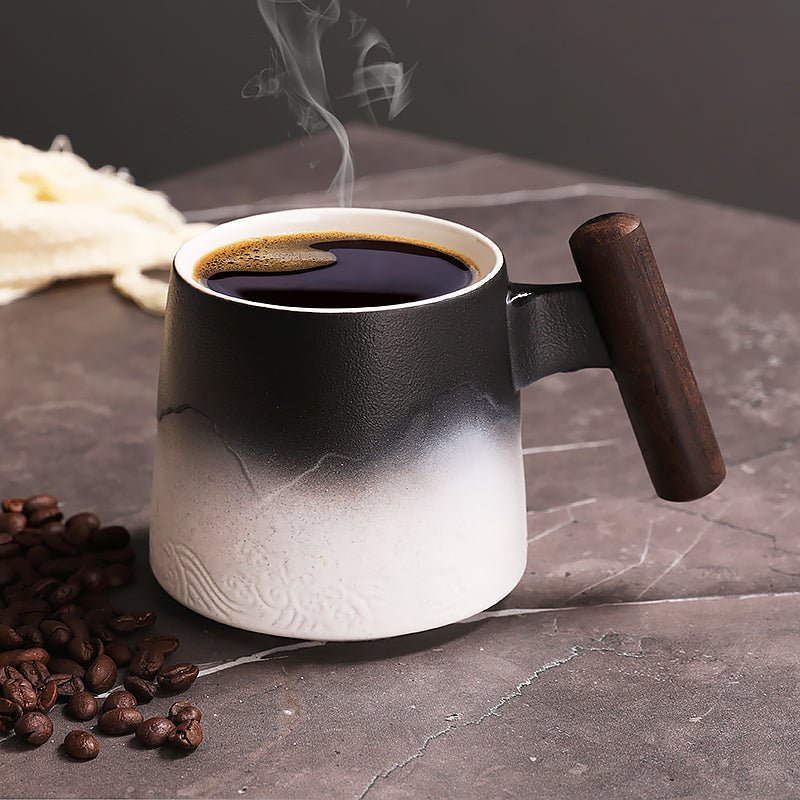
Fall Coffee Mugs: What to Look for Before You Buy
Fall coffee mugs should feel right in the hand, hold the amount you actually drink, and survive daily use without staining or chipping too easily. Here’s how we compare sizes, materials, and finish...
Czytaj dalej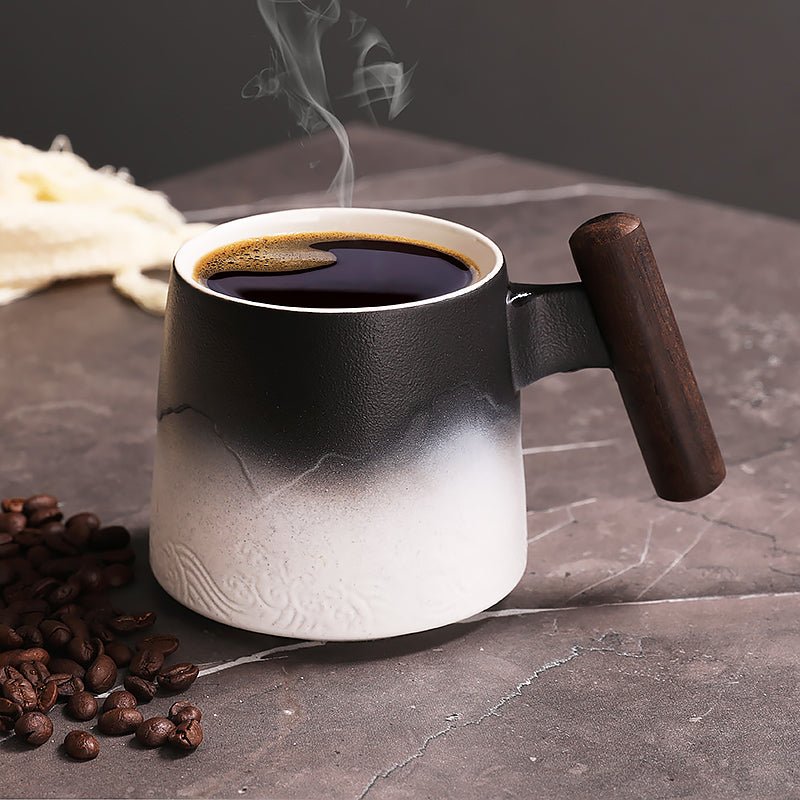
Coffee Mug in Glass: What to Check Before You Buy
A glass coffee mug can look clean on the counter and feel better in hand than a thick ceramic cup, but not every style handles heat, daily washing, or office use the same way. Here’s what we check ...
Czytaj dalej
Zostaw komentarz
Ta strona jest chroniona przez hCaptcha i obowiązują na niej Polityka prywatności i Warunki korzystania z usługi serwisu hCaptcha.