
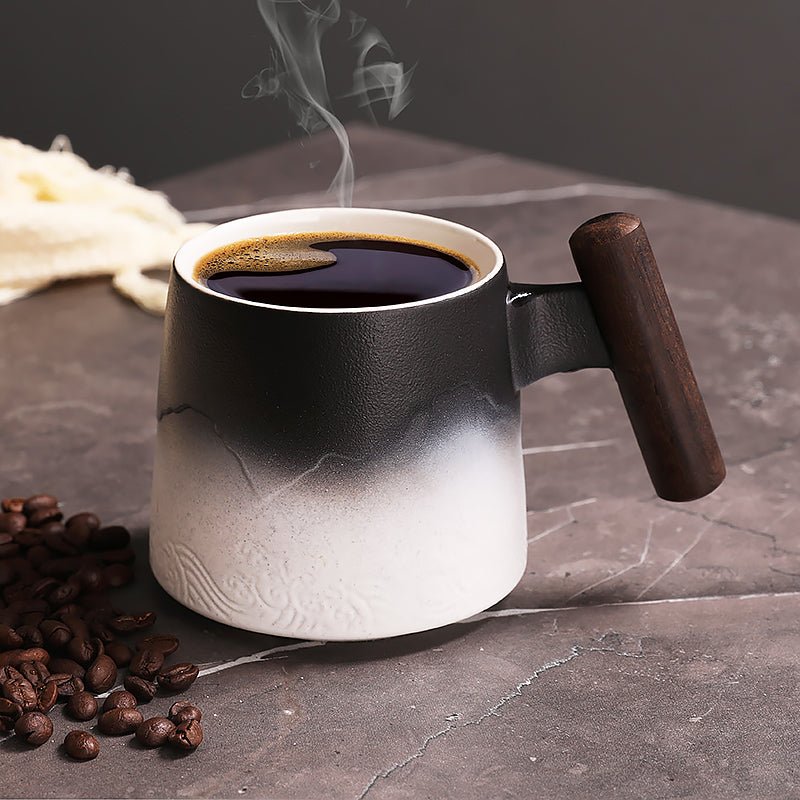
Brown Coffee Mugs: Materials, Sizes, and What to Check Before Buying
Reading time: about 8 minutes
A brown mug on a kitchen counter does a lot of quiet work. It hides coffee stains better than a bright white mug, looks right next to wood cabinets or a metal desk, and usually feels less fussy in daily use. That is why coffee mugs brown remain a steady choice for shoppers who want something practical, not just decorative.
We see the same buying pattern in our store: people want a mug that feels solid in the hand, cleans up without drama, and still looks good after months of dishwasher cycles and office refills. If that is the goal, the details matter more than the color alone. Material, glaze, handle shape, and capacity decide whether a brown mug becomes an everyday favorite or a cabinet extra.
Why do brown coffee mugs work so well for daily use?
Brown is a forgiving color. It blends into rustic kitchens, modern neutral spaces, and office setups without looking too formal. It also tends to hide minor wear better than very light finishes, which matters once a mug has spent a few weeks in a sink, a dishwasher, and a crowded mug shelf.
In our experience, shoppers often choose brown mugs for one of three reasons:
- They want a mug that looks warm and grounded on a kitchen shelf.
- They want something that does not show every coffee ring or tea mark immediately.
- They are buying a gift and want a safe style choice that feels thoughtful without being flashy.
That said, brown mugs are not the best choice for every buyer. If you want a very bright table setting, a high-contrast logo piece, or a mug that stands out in a shared office kitchen, a different color may be easier to spot. Brown is subtle. That is the point, and also its limitation.
What material should you look for in a brown mug?
Most brown coffee mugs fall into a few common categories: ceramic, stoneware, porcelain, or insulated drinkware. Each one behaves differently in the hand and in daily cleanup.
| Material | What it feels like | Best for | Watch-outs |
|---|---|---|---|
| Ceramic | Classic, familiar, usually balanced in weight | Everyday coffee, desk use, easy gifting | Can chip if knocked against hard sinks or counters |
| Stoneware | Heavier, more substantial, often with a rustic look | People who like a sturdy mug and earthy finishes | Can feel heavy when filled; not ideal if you prefer a lighter cup |
| Porcelain | Refined, smoother, usually lighter than stoneware | Tea and coffee drinkers who want a cleaner profile | May feel more delicate for daily rough handling |
| Insulated options | Designed to hold temperature longer | Long work sessions and slow sipping | Less traditional look; not the right fit if you want a classic mug shape |
For most buyers, ceramic or stoneware is the practical middle ground. They are familiar, easy to rinse, and compatible with the kind of daily use most kitchen mugs see. If a mug is glazed well and has a comfortable handle, that matters more than chasing a trend finish.
If you want to compare more size-specific options before you choose a color, our guides on 12 oz Coffee Mugs: What to Check Before You Buy and 16 oz Coffee Mugs: What to Check Before You Buy are useful starting points.
Which size makes the most sense for brown coffee mugs?
Size changes how a mug feels as much as color does. A small mug can look neat on a shelf but feel too limited for a long morning pour. A large mug is useful for bigger servings, but it can be awkward if the handle is cramped or the cup gets too heavy when full.
We usually help shoppers think about size this way:
- 8 oz if you drink short coffees, strong espresso-style pours, or tea and want a compact cup.
- 12 oz if you want a standard everyday mug that feels balanced on a desk or breakfast table.
- 16 oz if you like larger servings, need room for milk, or tend to refill less often.
- 20 oz if you want a big capacity mug, but can handle the added weight and heat retention trade-off.
If you are comparing bigger formats, our related guides on 20 Ounce Coffee Mugs: What Buyers Should Check Before Ordering and A buyer's guide to large capacity coffee mugs break down the real trade-offs. Bigger is not always better. A 20 oz mug can be great at a desk, but it is not the best choice if you want something easy to lift, store, or stack.
If you are unsure, 12 oz and 16 oz are usually the safest everyday sizes. They are large enough for a proper coffee but not so large that the mug becomes cumbersome when filled to the brim.
What finish and shape should you check before ordering?
Finish changes both the look and the day-to-day experience. Brown mugs can be matte, glossy, speckled, speckled with a reactive glaze, or smooth and polished. We handle enough mugs to know that the finish is not just decoration. It changes grip, cleaning, and how much wear you notice later.
Here is what we check before recommending one:
- Glaze quality: Look for an even finish without rough patches where the lip meets the body.
- Handle clearance: Make sure your fingers fit comfortably if you usually drink with one hand while working.
- Rim feel: A smooth drinking edge matters more than a decorative exterior texture.
- Base stability: A mug should sit flat on a table, not rock when placed down.
- Interior color: Lighter interiors show coffee buildup more easily, while darker interiors can hide it better but make it harder to spot residue.
One trade-off to remember: a matte brown mug can look beautiful, but it may show fingerprints or water marks more readily than a glossy finish. A glossy mug may clean more easily, but it can feel a little less tactile. Neither is wrong. They just serve different users.
If you want to browse current options directly, start with our products page or view the full collection to compare styles side by side.
How should you care for brown coffee mugs so they last?
Good care is usually simple, but it still matters. A mug that gets tossed into a crowded sink, scraped with metal utensils, and left to air-dry face down on a rough rack will wear faster than one that is handled with basic care.
Our practical care checklist looks like this:
- Wash after use so coffee oils do not build up on the interior.
- Use a soft sponge rather than abrasive scrubbers on glazed surfaces.
- Dry the mug fully before stacking to avoid trapped moisture and odor.
- Check the base and handle for chips if it has been knocked against stone countertops or a sink edge.
- Follow the product care notes for dishwasher or microwave use instead of assuming every mug is safe for both.
That last point matters. A lot of mugs are dishwasher-safe, but not every brown mug is microwave-safe, especially if it has metallic detailing, specialty decoration, or a finish that the maker warns against heating. We do not treat those details as optional. They are part of whether the mug fits your routine.
If you want a mug to live on a busy kitchen counter or in an office kitchen, choose function first and finish second. The prettier mug is not always the better daily mug.
Who should buy brown coffee mugs, and who should skip them?
Brown coffee mugs are a strong match for buyers who want a warm, understated look and a mug that feels usable every day. They work well for kitchens with wood, black, cream, or stainless finishes. They also make sense for gift giving when you want something neutral and reliable.
They are not the best fit for every shopper. Skip brown mugs if:
- You want a bright accent piece that stands out on a crowded shelf.
- You need an ultra-light mug for travel or commuting.
- You prefer a very thin porcelain feel and delicate presentation.
- You want a novelty piece that is more decorative than functional.
If your main goal is a useful everyday mug, brown is a safe choice. If your main goal is a display piece or a very specific design style, then color should come after form and capacity.
For shoppers comparing everyday mug formats, our articles on 8 Ounce Coffee Mugs: What Buyers Should Check Before Ordering and 8 oz Coffee Mugs: Size, Material, and Fit Guide can help narrow the choice before you decide on brown.
Frequently asked questions
Are brown coffee mugs better at hiding stains?
Usually, yes. Brown finishes tend to hide everyday coffee marks, tea rings, and light discoloration better than plain white mugs. That does not mean they never stain; it just means buildup is less obvious between washes.
What material is best for a brown coffee mug?
For most shoppers, ceramic or stoneware is the best balance of weight, durability, and everyday comfort. Porcelain is a good choice if you want a lighter, smoother feel. Insulated mugs are better if temperature retention matters more than the classic mug look.
Is a 16 oz brown mug too big for everyday use?
Not necessarily. A 16 oz mug is a good fit if you like larger pours, milk drinks, or fewer refills. If you prefer a lighter cup or drink smaller servings, 12 oz is often the better daily size.
Can I put brown coffee mugs in the dishwasher and microwave?
Many can go in both, but not all. Check the care details for the specific mug, especially if it has metallic accents, specialty glazing, or decorative finishes. We always recommend following the maker's instructions rather than guessing.
Are brown coffee mugs a good gift?
Yes, because the color is neutral and easy to match with most kitchens. They are especially useful when you do not know the recipient's exact style. A simple brown mug also feels more practical than a highly decorative novelty gift.
If you want the fastest path to a good choice, start by deciding on size first, then material, then finish. After that, compare the current options on our collection page and pick the mug that fits your routine, not just the shelf.
More from our blog
Read more
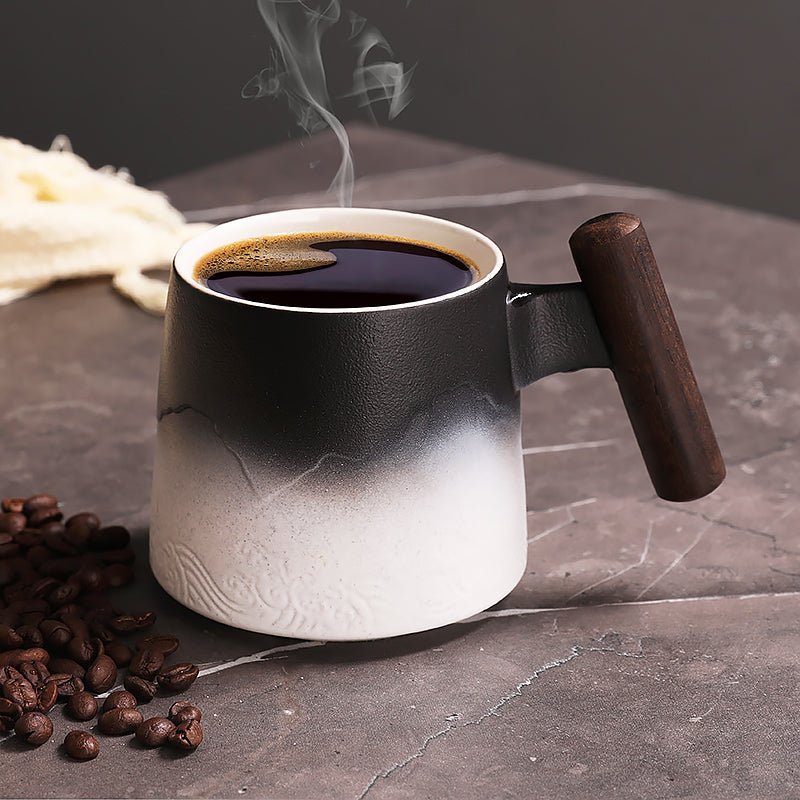
Coffee Logo Mug Buying Guide: What Buyers Should Check
A coffee logo mug needs to look good on a desk and still hold up to daily washing, hot drinks, and real handling. Here is what to check before you buy so you pick the right material, size, and prin...
Czytaj dalej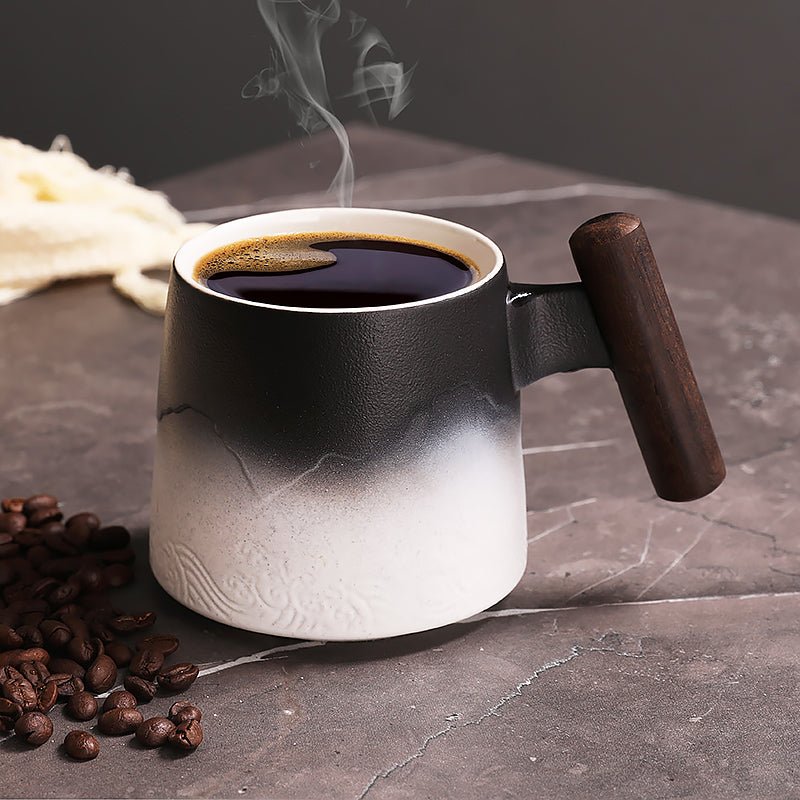
Floral Coffee Mugs: What to Check Before You Buy
Floral coffee mugs can be charming or frustrating depending on size, glaze, and print quality. Here’s how to compare materials, care, and fit before you buy.
Czytaj dalej
Zostaw komentarz
Ta strona jest chroniona przez hCaptcha i obowiązują na niej Polityka prywatności i Warunki korzystania z usługi serwisu hCaptcha.