
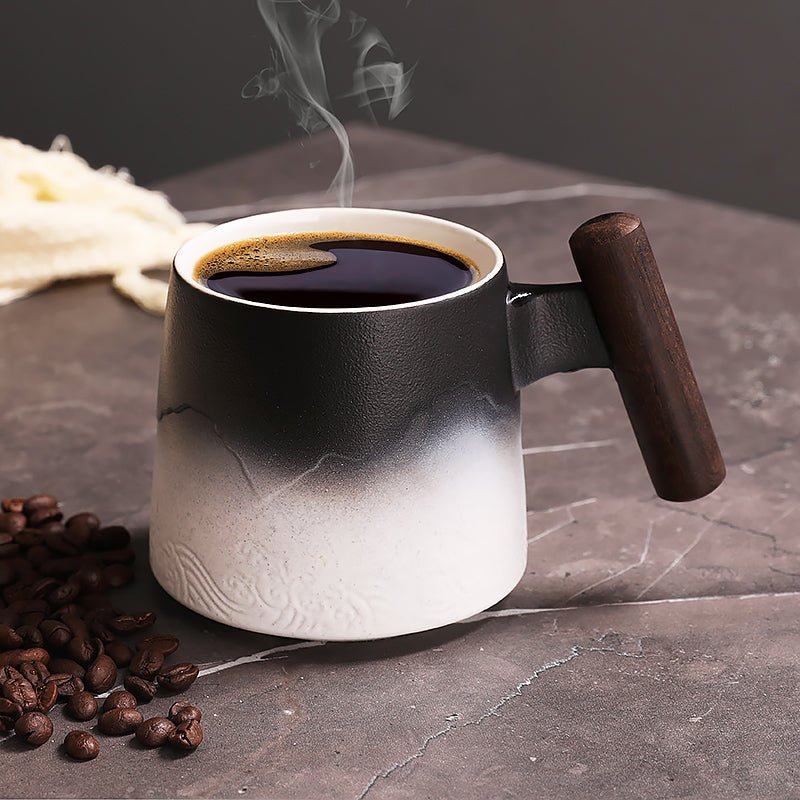
Borosilicate Glass Coffee Mug: What to Check Before You Buy
Reading time: about 9 minutes
A fresh pour of coffee can expose a bad mug fast. Thin rims chip, cloudy glass makes a mug look tired, and a handle that feels fine in the box can turn awkward after a week on a desk or in the dishwasher. In our store, we pay close attention to those small details because they are what shoppers notice after the first few uses.
A borosilicate glass coffee mug is popular for one simple reason: it gives you the clean look of glass with better resistance to thermal shock than basic soda-lime glass. That does not make it indestructible. It does mean the right mug can handle everyday hot coffee, office refills, and quick temperature changes more reliably than many shoppers expect.
What makes borosilicate glass different from regular glass?
Borosilicate glass is made with boron trioxide, which changes how the material responds to heat. For coffee drinkers, the practical benefit is better resistance to cracking when hot liquid meets a cooler mug body. That is useful on a winter morning, after a dishwasher cycle, or when you rinse and refill a mug several times in one day.
The category still has limits. A borosilicate glass coffee mug is not the right choice for direct stovetop heat, broilers, or dramatic freezer-to-boiling changes. It is also not the best option if you want the mug to stay cool on the outside while holding very hot coffee. If that is your priority, an insulated or double-wall design may suit you better.
| Material | What it feels like | Best for | Watch out for |
|---|---|---|---|
| Borosilicate glass | Light, clear, and usually a bit more heat tolerant | Hot coffee, tea, clean presentation, microwave use if the maker allows it | Still breakable; can chip at the rim or handle joint |
| Standard soda-lime glass | Often similar in appearance, sometimes heavier or less heat tolerant | Cold drinks and casual use | More sensitive to thermal shock |
| Ceramic | Solid, familiar, and usually warmer in the hand | Home coffee routines and gift mugs | Can stain, glaze can craze, and some pieces feel bulky |
If you want a broader primer on the category, our Coffee Mug in Glass: What to Check Before You Buy article covers the material differences we see most often in customer questions. For shoppers comparing several styles at once, the Glass Coffee Mug: What to Check Before You Buy guide is also useful.
Which size should you pick for your coffee routine?
Size sounds simple until you pour the drink you actually make. A mug that looks perfect on a product photo can feel cramped with milk foam, or feel oversized if you only drink a short black coffee. The right size depends on how you drink, not just how the mug looks on a shelf.
We usually steer shoppers toward one of three practical size bands:
- 10 oz for smaller pours, espresso drinks, and compact desk use. Our 10 oz Coffee Mug: Size, Fit, and What to Check Before You Buy guide is a good match if you like shorter drinks.
- 11 oz for standard drip coffee and a balanced everyday size. See the 11 oz Coffee Mug: Size, Fit, and What to Check Before You Buy article if that sounds like your routine.
- 12 oz for more room, milk-heavy drinks, or a mug that feels less cramped when you add foam or ice. Our 12 Ounce Coffee Mug Buying Guide: Size, Fit, and Best Uses breaks down the trade-offs in more detail.
A few real-world checks help more than the label alone:
- Measure your usual pour before you buy. If your coffee maker fills a travel mug line or a recipe card says 8 oz, do not assume the mug size will feel the same when wide and shallow.
- Look at handle clearance. A good handle should give your fingers room without forcing a pinch grip, especially if you use the mug at a desk.
- Think about the drink format. Black coffee, cappuccino, and iced coffee all occupy the mug differently, even when the nominal capacity is the same.
What should you inspect before buying one?
This is where many shoppers get surprised. Two borosilicate mugs can look similar online and feel very different in hand. Our team checks the same points every time because they are the ones that affect long-term use, not just the first unboxing.
Start with these details:
- Rim finish. A smooth, even rim matters for comfort and durability. Small chips usually start at a sharp or uneven edge.
- Handle join. The connection where the handle meets the body is a common stress point. It should look clean, not overly thin or twisted.
- Base stability. A flat, stable base reduces wobble on tile counters, office desks, and tray tables.
- Wall thickness. Very thin glass can feel elegant, but it may also feel more fragile in daily use. Thicker glass can feel more secure, though it may look less delicate.
- Care instructions. If a mug is dishwasher-safe, check whether that means top rack only or more general dishwasher use. Mixed loads and harsh detergents can shorten the polished look of glass over time.
If you are comparing glass mugs broadly, our Coffee Mug of Glass: What to Check Before You Buy post covers the practical differences that often get buried in product listings. It pairs well with the buying advice in our Borosilicate Coffee Mug Buying Guide for Smart Shoppers.
In our experience, the best borosilicate mug is not the one with the longest feature list. It is the one that matches how you actually drink coffee, wash dishes, and carry a mug from the kitchen to the desk.
Is a borosilicate glass coffee mug good for hot coffee every day?
Yes, provided you are buying it for the right job. A borosilicate glass coffee mug is a strong fit for hot coffee, tea, and other drinks that benefit from a clean, neutral-tasting vessel. It also works well for shoppers who like to see the color of the brew, especially with lighter roasts or layered drinks.
What it does not do well is hold heat like an insulated tumbler. Glass transfers temperature faster than insulated steel, so your coffee may cool more quickly if you sip slowly. If heat retention is your top priority, look at double-wall construction or a lidded insulated cup instead. If visual appeal and a lighter drinking feel matter more, borosilicate usually wins.
For shoppers who like a lid for office use or prefer a different drinking setup, our Glass Mug with Lid and Straw for Hot Coffee: What to Check article shows where those formats make sense and where they do not.
How should you care for it so it lasts?
Care is straightforward, but a few habits make a real difference. Most chips and cracks we see are not caused by one dramatic event. They come from repeated stress: a crowded sink, a sudden temperature swing, a rim tapped against a faucet, or a mug stacked carelessly in a cabinet.
Use these habits to extend the life of the mug:
- Let the mug warm up before pouring in very hot coffee if it has been sitting in a cold cabinet or on a chilly counter.
- Do not move it from freezer-cold to boiling liquid in one step.
- Use the dishwasher only as directed by the maker, and give the mug space so it does not bang against other items.
- Hand wash with a soft sponge if you want to preserve clarity longer.
- Check the rim and handle after drops or knocks. Small chips can spread.
Common wear points are predictable. Rim chips show up first if the mug gets set down hard. Hairline cracks often begin near the handle joint after repeated thermal stress. Clouding can appear over time if the glass is scrubbed with abrasive pads or exposed to harsh detergent cycles. None of this is unique to borosilicate, but clear glass makes the wear easier to see.
When is a different mug better?
A borosilicate glass coffee mug is not the best choice for every buyer. If you want something that can take a rough commute in a backpack, stainless steel is the safer category. If you want a mug that feels heavy, warm, and familiar in the hand, ceramic may be a better fit. If you are buying for a child, a crowded office kitchen, or a household where mugs get dropped often, glass is usually not the most forgiving option.
It can also be the wrong pick if you dislike seeing your coffee cool quickly. Some shoppers love the clean look until the first few uses, then realize they wanted a mug that keeps the drink hotter longer. That is a valid preference, and it is better to choose for it upfront than to force the wrong material to do a job it was not built for.
If you are still deciding between glass styles, our store collection makes comparison easier. Start with our full collection if you want to browse every option, or go straight to our products if you are ready to compare specific mugs and finishes.
Frequently asked questions
Is a borosilicate glass coffee mug dishwasher safe?
Often yes, but the exact care depends on the product design and the maker's instructions. Even when dishwasher-safe, top-rack placement and spacing matter because banging against other dishes can chip the rim or handle. If you want the mug to stay clear longer, hand washing is the gentlest option.
Can I microwave a borosilicate glass coffee mug?
Many can be microwaved, but only if the mug and any lid or decorative part are marked as microwave-safe. The glass itself is usually not the issue; attached metal accents, certain printed finishes, or non-microwave lids are. We always suggest checking the product details before microwaving.
Does borosilicate glass keep coffee hot longer than ceramic?
Not usually. Borosilicate is valued for heat resistance, not heat retention, so it can still lose temperature faster than a thick ceramic mug or an insulated cup. If keeping coffee hot is your main goal, compare mug construction carefully before you buy.
What size borosilicate glass coffee mug is best for lattes?
For many lattes, 11 oz or 12 oz works well because milk foam and espresso take up space quickly. A smaller mug can feel crowded and may not leave enough room for the drink to sit comfortably without spilling. If you like a double shot with more milk, lean larger.
What are the most common problems to watch for?
The most common issues are rim chips, stress cracks near the handle, and clouding from rough washing. These are usually related to handling and care rather than a single defect. Inspect the mug when it arrives, and keep an eye on the rim and handle after repeated use.
If you want to narrow your choice fast, use this checklist before you buy: size that matches your usual pour, a smooth rim, a sturdy handle join, dishwasher and microwave compatibility if you need them, and a style that fits how you actually drink coffee. Then compare the options in our collection or jump straight to our products to find the borosilicate glass coffee mug that fits your routine.
Read more
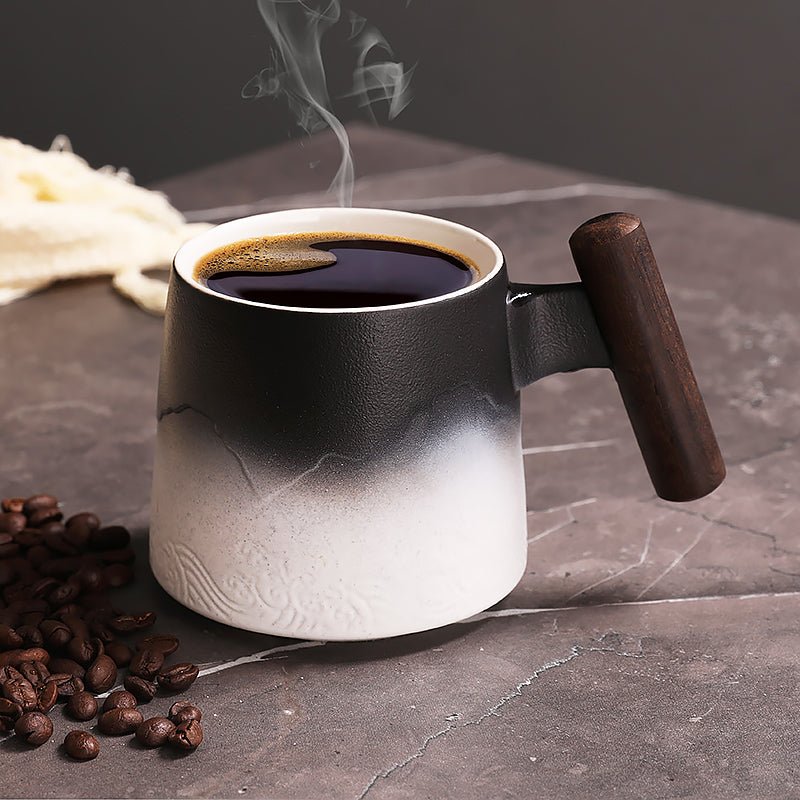
Coffee Mug Set of 6: What Buyers Should Check First
A coffee mug set of 6 is a practical buy for kitchens, offices, and guests, but the right material, size, and handle shape matter more than the photo.
Czytaj dalej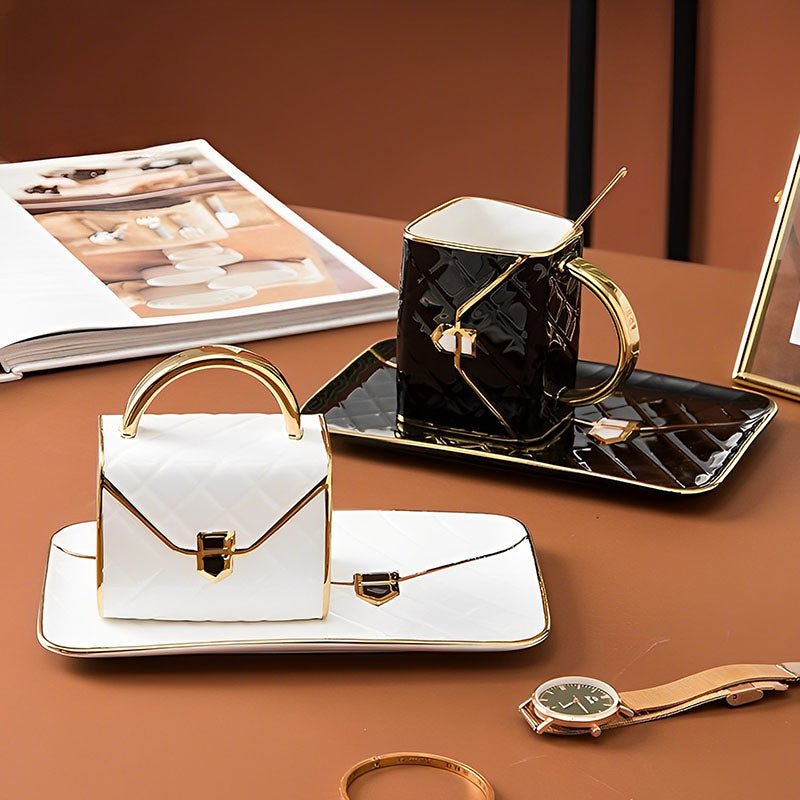
Coffee Mug for Father: Size, Material, and Gift Tips
A practical guide to choosing a coffee mug for father, with real size and material trade-offs, gift-use checks, and the details we look for before stocking a mug.
Czytaj dalej
Zostaw komentarz
Ta strona jest chroniona przez hCaptcha i obowiązują na niej Polityka prywatności i Warunki korzystania z usługi serwisu hCaptcha.