
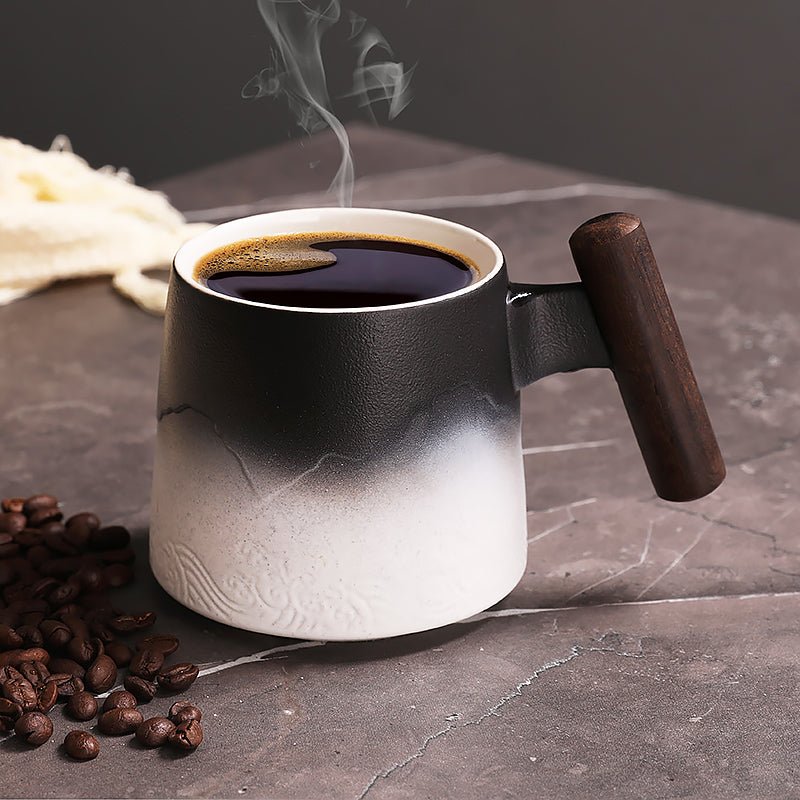
Blue Coffee Mugs: How to Choose the Right Shade, Size, and Finish
Reading time: about 10 minutes
A blue coffee mug looks simple on a shelf. On the counter, the details show up fast: a thick rim feels sturdy, a narrow handle can pinch fingers, and a glossy glaze may read almost black in low light. Those small differences are what make one mug stay in rotation while another gets pushed to the back of the cabinet.
We spend a lot of time on those details in our store because shoppers usually are not buying color alone. They are comparing feel, capacity, cleaning, and whether the mug looks good next to the coffee maker, on an office desk, or in a gift box. If you want to see current options while you read, start with our full collection or check what is currently listed on our product pages.
For shoppers comparing blue patterns specifically, these related guides can help narrow the field: Blue Willow Coffee Mugs: What Buyers Should Check Before Ordering, Blue and White Coffee Mugs: What to Check Before You Buy, and Cobalt Blue Coffee Mugs: What Buyers Should Check Before Ordering.
What should you compare before buying blue coffee mugs?
Color is the first thing people notice, but it should not be the only thing driving the choice. In our experience, the mugs that get used most often are the ones that balance appearance with the daily basics: the mug sits comfortably in the hand, the rim feels smooth, and the finish still looks clean after normal washing.
Here is what we tell shoppers to check first:
- Capacity: a mug that looks generous on a screen can feel small next to a 12 oz pour-over or oversized with a short espresso-based drink.
- Handle size: your fingers should fit without squeezing against the cup wall, especially if the mug is thick stoneware.
- Rim shape: a rolled or smoothly finished rim is more comfortable than a sharp cut rim.
- Glaze consistency: blue finishes can vary from batch to batch, especially in handmade or reactive glaze styles.
- Use case: a desk mug, a breakfast mug, and a gift mug do not need the same shape or weight.
If you are comparing a patterned blue mug against a solid one, this is where the choice gets practical. Patterned options can hide minor marks better, while a solid cobalt or navy glaze can look cleaner and more modern. For buyers who want a deeper look at saturated shades, our cobalt blue coffee mugs guide goes into shade and finish trade-offs in more detail.
We check mugs the same way a customer would use them: first sip, first wash, first morning on the counter. If a mug feels awkward at any of those points, it is not the right everyday pick, no matter how good it looks in photos.
Which shade of blue fits your kitchen or desk?
Blue is not one color. A pale powder blue, a deep cobalt, a navy glaze, and a blue-and-white pattern all give a different result in a kitchen. Lighting matters too. Under warm overhead bulbs, a deep blue can look richer and darker. In daylight, the same mug may show more variation in the glaze.
That is why shoppers should think about the room, not just the mug. A bright glaze can add contrast to a neutral kitchen. A darker blue tends to look calmer and more formal on a desk or in an office setting. If the rest of your kitchen already has a lot of color, a simpler blue tone usually feels easier to live with.
Common shade choices and where they work best:
- Cobalt blue: strong contrast, bold shelf presence, works well if you want the mug to stand out.
- Navy blue: more subdued, often better for a professional desk or a darker kitchen.
- Powder blue: lighter and softer, good for spring tables or gift sets.
- Blue and white: classic and patterned, useful if you want visual detail without heavy color.
Patterned buyers often compare Blue Willow styles against simpler blue-and-white pieces. If that is your lane, our post on blue and white coffee mugs breaks down what tends to matter most: pattern clarity, glaze contrast, and how busy the cup feels in daily use. For more traditional pattern shoppers, the Blue Willow guide is worth a look before ordering.
What size and shape work best for everyday coffee?
Most buyers focus on size after they have already fallen for the color. That is a mistake if the mug is for daily use. A blue mug that is too small feels annoying on a busy morning. One that is too large can make coffee cool unevenly, especially if you do not finish the cup right away.
For everyday coffee, shape matters almost as much as capacity. Straight-sided mugs tend to feel more modern and stable. Slightly tapered bodies can be easier to grip and may fit better under some coffee machines. A wider opening can help with aroma, but it also lets heat escape faster.
| Use case | What to look for | Why it matters |
|---|---|---|
| Quick morning coffee | 12 oz to 16 oz, comfortable handle, stable base | Easy to lift, easy to refill, fits most daily pours |
| Large latte or longer sip session | 16 oz to 20 oz, wider bowl, thicker wall | Holds more volume and usually keeps a comfortable hand feel |
| Office desk mug | Moderate weight, narrower footprint, easy-to-clean glaze | Less likely to crowd a keyboard or spill on a tight desk |
| Gift purchase | Balanced shape, neutral blue tone, smooth rim | Looks polished and is easier for most people to use right away |
If you are still deciding on capacity, our size guides for 12 oz coffee mugs, 16 ounce coffee mugs, and 20 ounce coffee mugs are useful because they show how volume changes the feel of the mug in real use. If you want the shorter version, the related posts on 16 oz coffee mugs and 20 oz coffee mugs are also worth comparing side by side.
Which materials and finishes hold up best?
Most blue coffee mugs you will compare are ceramic, stoneware, or porcelain. Each one behaves a little differently, and the difference shows up in weight, heat retention, and the feel of the rim. We see buyers reach for stoneware when they want a sturdier hand feel, and porcelain when they want a lighter, more refined look.
Here is the practical breakdown we use when helping customers:
- Stoneware: heavier, usually feels solid and casual, good for everyday kitchen use.
- Porcelain: lighter, often smoother and more delicate in appearance, good for a cleaner table setting.
- Ceramic with reactive glaze: visually interesting, but the color and finish can vary from piece to piece.
Finish matters just as much as material. A glossy blue glaze usually wipes clean more easily and can look sharper on camera or on a shelf. A matte finish can feel more understated, but it may show fingerprints or utensil marks sooner. On hand-finished mugs, tiny glaze differences are normal. What you do not want is roughness on the lip, pooling on the foot, or a handle that feels thin where it meets the cup body.
Some buyers also expect every blue mug to be microwave-safe by default. That is not a safe assumption. If a mug has metallic decoration, special luster, or a novelty accent, it may not belong in the microwave. We always advise checking the product details before using any mug for reheating.
How do you care for blue coffee mugs without ruining the finish?
The first few dishwasher cycles tell you a lot. A well-made mug should not lose its color or feel patchy after normal washing, but lighter glazes can show tea stains or coffee residue sooner than darker ones. The good news is that most ceramic and stoneware mugs stay in good shape with ordinary care.
Our practical care advice is simple:
- Rinse the mug soon after use if you are drinking strong coffee or tea.
- Use a soft sponge on matte or hand-finished glazes if you want to preserve the surface texture.
- Skip abrasive scrubbers on decorative blue patterns, especially around printed edges or fine linework.
- Do not move a cold mug straight into extreme heat unless the product is specifically meant for that.
- Check the bottom for a rough unglazed foot ring before stacking with finer pieces.
Blue mugs are not the best choice if you want a travel cup that has to fit in a car holder or a featherlight cup for commuting. They are also not the right pick if your main priority is spill-proof storage. For that job, a lidded travel tumbler is the better category. Blue coffee mugs shine when the coffee stays at the kitchen table, office desk, or breakfast nook.
Are blue coffee mugs good for gifts and matching sets?
Yes, but only if you choose the right tone and finish. A blue mug set can be a very safe gift because the color is familiar, easy to place in most kitchens, and less risky than a highly styled novelty mug. The catch is that gift buyers often underestimate how specific the recipient's preferences can be.
For gifting, we usually suggest three simple filters:
- Keep the shade versatile: medium blue or blue-and-white usually fits more homes than an extremely bright or very dark finish.
- Choose a comfortable size: 12 oz to 16 oz is the most flexible range for most coffee drinkers.
- Avoid overcomplicated details: a clean glaze and smooth handle usually age better than a trend-driven shape.
If you are building a set for your own kitchen, consistency matters more than novelty. Matching blue coffee mugs make a counter look organized, and they make replacement easier later. If you only buy one at a time, think about whether you want a unified look or a mixed group that still shares the same blue family.
For shoppers comparing finishes and patterns, it helps to think in terms of use. The most decorative mug is not always the best one for a busy weekday morning. The most practical mug is not always the best one for a gift box. That trade-off is normal, and it is the reason we encourage buyers to compare more than color alone.
Frequently asked questions
Are blue coffee mugs dishwasher safe?
Many are, but not all. The safest approach is to check the product details for each mug, especially if it has metallic trim, a specialty glaze, or hand-applied decoration. For everyday ceramic and stoneware mugs, regular dishwasher use is often fine, but gentler washing can help preserve the finish longer.
What size blue coffee mug is best for daily use?
For most people, 12 oz to 16 oz is the most practical range. That size usually handles a standard coffee pour without feeling oversized on the table or too small for a slow morning. If you drink larger lattes or want a mug that holds heat a little longer, 16 oz can be the better pick.
Do blue coffee mugs stain easily?
Darker blue mugs usually hide stains better than white mugs, but light blue or matte finishes can still show residue if they are not rinsed regularly. Coffee and tea buildup is more about use and cleaning habits than color alone. A quick rinse after use and normal washing usually keeps the mug looking good.
Are cobalt blue coffee mugs different from navy blue mugs?
Yes. Cobalt usually reads brighter and more saturated, while navy is deeper and more subdued. Cobalt stands out on a shelf and can feel bolder in daylight, while navy tends to look calmer and more understated in an office or neutral kitchen.
What should I check before buying blue coffee mugs online?
Check the capacity, handle size, material, care instructions, and whether the glaze is glossy or matte. If the listing shows only one angle, look for close-ups of the rim and base so you can spot rough finishing or uneven color. Those details matter more than a staged photo once the mug is in daily use.
If you are narrowing the choice now, compare the mug's shade, size, and finish against the way you actually drink coffee. Then decide whether you want a simple everyday cup or a more decorative piece. From there, browse our full collection and pick the blue coffee mugs that fit your cabinet, your desk, and your routine.
Read more
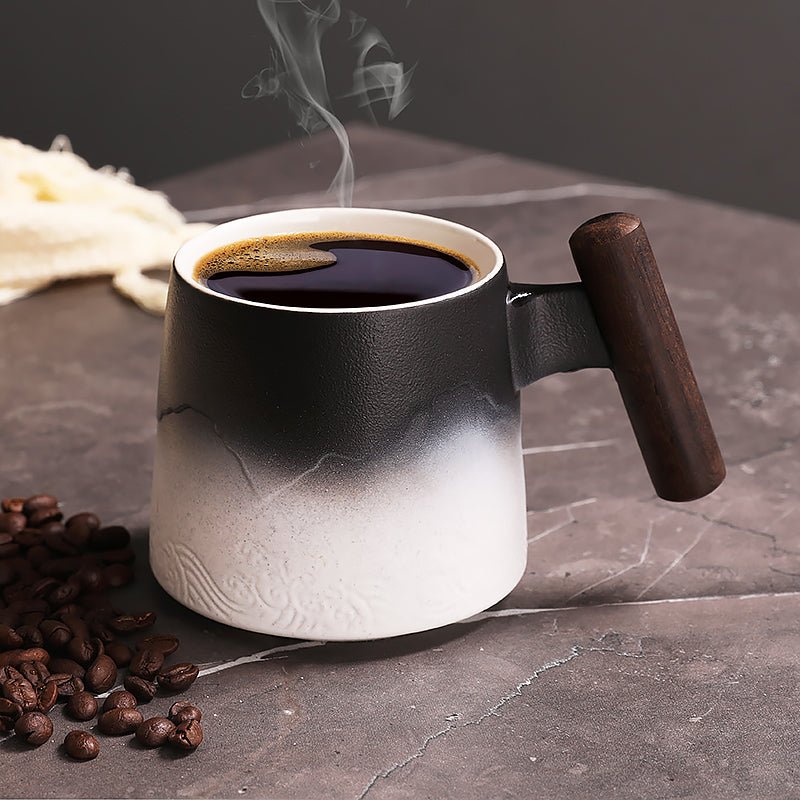
Orange Coffee Mug: What to Check Before You Buy
An orange coffee mug can brighten a desk, but the wrong finish, size, or handle makes it annoying fast. We break down what to check before you buy so you can choose one that fits your routine, not ...
Czytaj dalej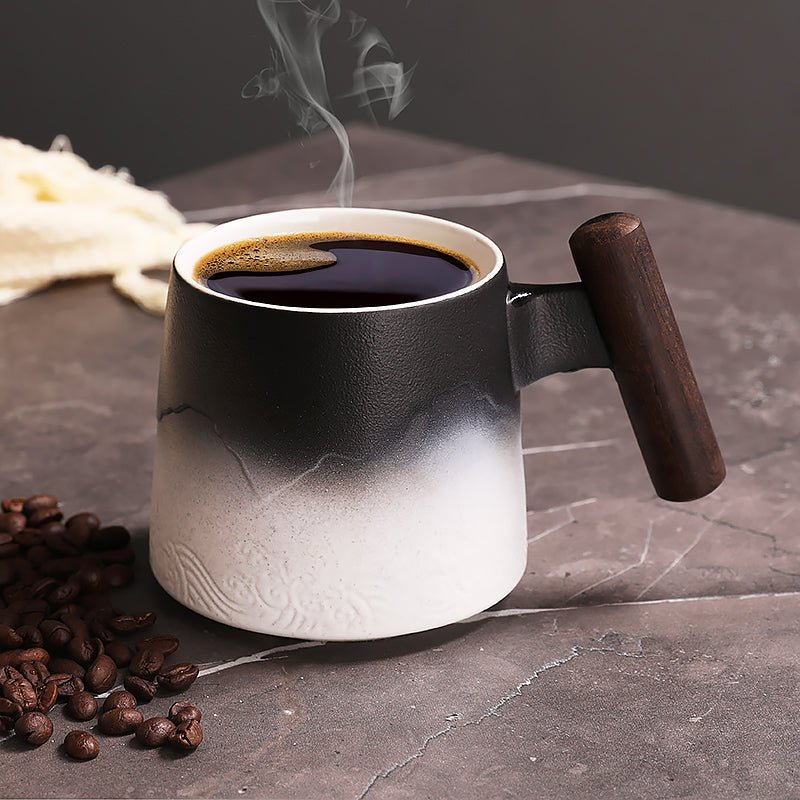
Ceramic To Go Coffee Mugs: What Buyers Should Check First
Ceramic to go coffee mugs make the most sense for desks, counters, and short drives where taste and handling matter more than maximum insulation. We break down the build details, trade-offs, and ca...
Czytaj dalej
Zostaw komentarz
Ta strona jest chroniona przez hCaptcha i obowiązują na niej Polityka prywatności i Warunki korzystania z usługi serwisu hCaptcha.