

Big Coffee Mugs for Daily Use: What to Buy and What to Skip
Reading time: about 9 minutes
A big mug looks simple until it sits on a desk beside a keyboard, tips because the base is too narrow, or comes out of the dishwasher with a chipped rim. In our store, we see the same pattern over and over: buyers want more coffee in one cup, but they still need the mug to feel balanced, easy to wash, and comfortable to lift with one hand.
Best next step if you are comparing big coffee mugs now
If you are here because you want a bigger mug you can actually buy without another long compare loop, these are the fastest next routes from this page:
- Pick a Mug Fast if you want the shortest compare before choosing.
- Start with the Landscape Tall Mug if you want a taller large-mug route first.
- Try the 2-Mug Starter Set if you want the cleanest first compare between a broader mug and a taller profile.
- Open the Product Image Gallery if you want a quick visual check before using a cart route.
If you want the measurement side first, our Big Coffee Cups: What to Check Before You Buy a Large Mug and A buyer's guide to large capacity coffee mugs cover the capacity ranges we use as a starting point.
What does a big coffee mug need to do well?
For most shoppers, big coffee mugs are not about novelty. They need to solve a real problem: fewer refills, less splashing from an overfull cup, and a mug that still feels practical on a kitchen counter or office desk. The useful sizes usually land around 14 to 20 ounces, but the real decision is how much of that capacity is actually comfortable to use every day.
We look for a few basics before we call a large mug worth buying:
- It should hold enough for a proper pour without needing to be filled to the rim.
- It should stay stable when set down fast on a desk or table.
- It should have a handle that does not pinch fingers once the mug is full.
- It should clean easily after milk, syrup, or tea stains.
That last part matters more than people expect. A glossy interior glaze wipes down faster than a rough or matte interior, and a mug with a wide mouth is usually easier to rinse than one with a narrow opening. If you mainly want the largest possible cup, that is fine. If you want a mug you will actually reach for every morning, size alone is not enough.
Which material works best for big coffee mugs?
Material changes the whole experience. Two mugs can look similar on a product photo and feel completely different once they are full of hot coffee, carried from the kitchen, and washed after a long day. If you want a deeper material checklist, our Ceramic Coffee Mugs: What to Look For Before You Buy breaks down the details we check first.
| Material | What it does well | Trade-offs | Best fit |
|---|---|---|---|
| Ceramic | Good everyday feel, easy to recognize, usually dishwasher-friendly when fully glazed | Can chip if it knocks a sink or counter, and heavier pieces can feel bulky when full | Home kitchens, daily coffee, gift purchases |
| Stoneware | Solid hand feel, good heat retention, often makes a large mug feel grounded and stable | Usually heavier than thinner ceramic, which some buyers dislike for long work sessions | People who want a sturdy mug that stays warm a little longer |
| Porcelain | Cleaner rim feel, lighter in the hand, often looks refined without feeling fragile | Can feel less substantial in very large sizes, and thin walls may cool faster | Buyers who want a large mug that still feels elegant |
For everyday use, we usually lean toward fully glazed ceramic or stoneware. They are straightforward to care for, and they tend to survive normal kitchen life better than delicate-looking options. Still, if you want a very light mug for long laptop sessions or quick refills, a thinner porcelain mug may suit you better. A thick mug is not always the best mug.
How do handle shape, rim, and base change daily use?
The handle is where a lot of large mugs win or lose the sale. A handle can look generous in a photo and still feel awkward once a mug is full. We pay attention to whether two fingers fit comfortably, whether knuckles clear the body of the mug, and whether the handle stays comfortable when the mug is hot.
The rim matters too. A smooth, even drinking edge makes a bigger difference than most buyers expect, especially if they sip black coffee straight from the mug. A rough rim, glaze bump, or tiny chip near the lip can turn a large mug into the one you stop reaching for. The base also matters. A flat base with enough width to support the weight helps reduce wobble on a desk, tray, or crowded counter.
Here is the practical checklist we use:
- Check that the handle gives your fingers room without scraping the mug body.
- Look for a base that sits flat, not one that rocks on the table.
- Confirm the rim feels smooth all the way around.
- Notice the wall thickness, because very thick walls add weight fast in a large mug.
- Watch for balanced proportions. A tall mug with a narrow base can feel top-heavy when filled.
One common defect mode we see is a hairline crack or stress mark near the handle attachment point. Another is a glaze pinhole near the rim or interior wall. Those do not always make a mug unusable, but they are the sorts of details that matter if you want a cup that will hold up through regular dishwasher cycles.
Which big coffee mugs fit kitchen, office, and gifting needs?
The right large mug depends on where it will be used. A kitchen mug can be heavier and a little taller because it lives near the sink and cabinet. An office desk mug usually needs a more stable base and a shape that does not take over the workspace. A gift mug needs to look good the moment it is opened, because presentation is part of the purchase.
For office use, a wide, stable mug is usually better than a very tall one. It is less likely to tip when someone reaches for a notebook or mouse. For kitchen use, dishwasher compatibility usually matters more than an ornate shape. For gifting, a clean glaze and a comfortable handle carry more weight than a trendy silhouette.
If you are comparing everyday options with giftable ones, our Best Coffee Mugs for Daily Use, Gifts, and Office Desks article is a useful next read. And if you are shopping for a seasonal present, Christmas Coffee Mugs: How to Choose Gifts, Sets, and Everyday Favorites covers the packaging and set-buying decisions that matter for holiday orders.
Big coffee mugs are not ideal for every buyer. If you need something that fits a car cup holder, a travel lid, or a backpack pocket, a traditional oversized mug is usually the wrong tool. If you want a mug that stays parked on a desk or kitchen counter, though, the larger format makes a lot of sense.
What should you check before you buy from our store?
We sell and handle mugs as a daily category, so we look at the boring details first. Those are the details that decide whether a mug gets used every day or gets pushed to the back of the cabinet. Before ordering from our collection, compare the capacity, the wall thickness, the handle, and the care instructions together. A big mug should not just look generous. It should feel intentional.
Our in-store checklist is simple:
- Choose a size that matches how much you actually pour, not the biggest number you can find.
- Check whether the mug is microwave-safe if you reheat coffee during the morning.
- Check whether the finish is fully glazed if you want easier cleanup.
- Prefer a smooth rim and flat base for better everyday use.
- Look for care guidance that fits your routine. If a mug needs special hand washing, make sure that is realistic for you.
We also pay attention to what a mug is not good at. A very thick stoneware mug is not the best choice if you want something light for all-day desk use. A thin porcelain mug is not the best choice if you want a heavy, insulated feel. And a decorative mug with metallic accents should not go in the microwave, no matter how good it looks on the shelf.
If you want to compare the full range we currently carry, start with our products page or browse the broader collection to see which large mugs fit your routine.
Frequently asked questions
What size counts as a big coffee mug?
Most shoppers think of a big mug as something larger than a standard 8 to 12 ounce cup, usually around 14 to 20 ounces. The useful size depends on how you drink coffee. If you regularly add milk, take long breaks between sips, or want one cup instead of a refill, the larger range makes sense.
Are big coffee mugs dishwasher safe?
Many are, but not all. Fully glazed ceramic and stoneware mugs are often dishwasher-friendly, while mugs with metallic decoration, unfinished clay, or special printed finishes may need hand washing. We always recommend checking the care instructions before buying, because the finish matters as much as the shape.
Do big coffee mugs keep coffee hotter longer?
Sometimes, but not automatically. Thicker walls and denser materials can help hold heat better, yet a very large opening can also release heat faster. If heat retention is your priority, look for a mug with a balanced wall thickness and a shape that is not overly wide at the top.
Are big coffee mugs good for espresso or cappuccino?
Usually not as the first choice. Espresso and cappuccino are traditionally served in smaller cups, and a large mug can make those drinks cool too quickly or look underfilled. A big mug works better for drip coffee, pour-over, tea, or milk-heavy drinks that you want to sip over time.
What is the best material for everyday big coffee mugs?
For most people, fully glazed ceramic is the easiest place to start. It gives a good balance of weight, durability, and cleanup without feeling too fancy to use every day. If you want something heavier and more substantial, stoneware is a solid alternative. If you prefer a lighter hand feel, porcelain is worth comparing.
What should you do next if you are comparing big coffee mugs?
Start with the mug you will actually use on a Tuesday morning, not the one that looks biggest in the photo. Match the capacity to your pour, check the handle for comfort, and decide how much weight you want to lift when the mug is full. Then compare the care instructions with your routine. The right mug should make coffee easier, not add one more thing to think about.
If you want to keep shopping, open our collection, then narrow it down against the points above. If you want the quickest path, go straight to our products page and compare the large mugs side by side.
More from our blog
Read more
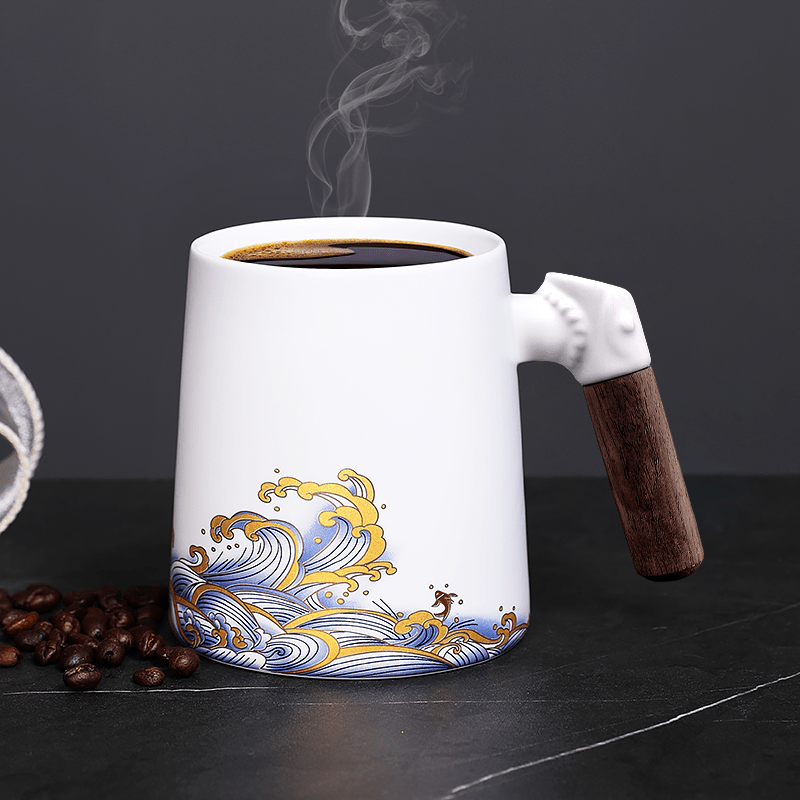
Big Coffee Cups: What to Check Before You Buy a Large Mug
Big coffee cups solve a real problem: one refill is never enough, but a mug that is too heavy, too wide, or poorly balanced gets annoying fast. Here is what we check in our store before we recommen...
Czytaj dalej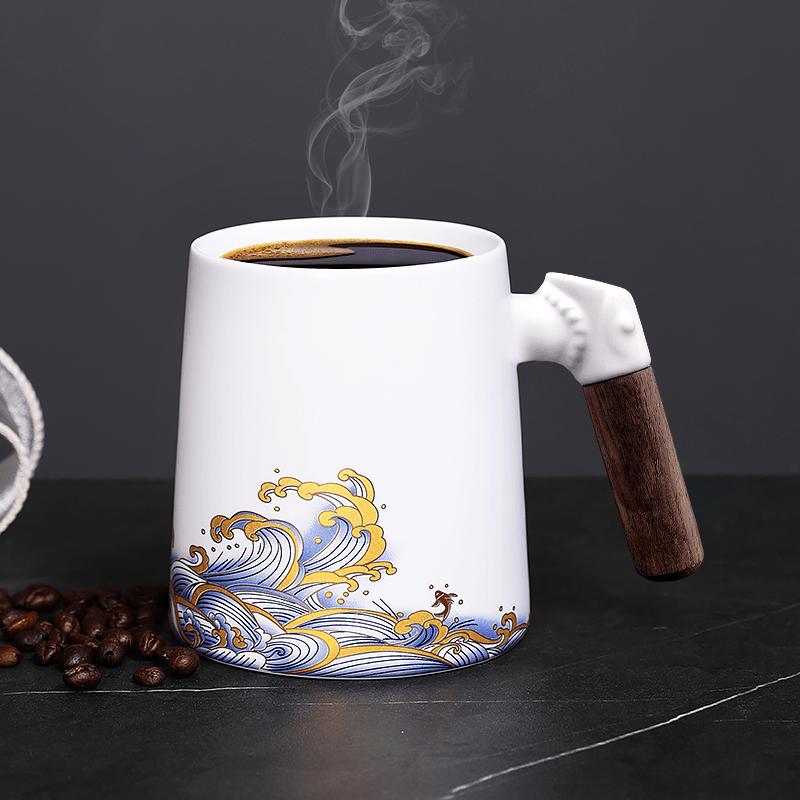
Large Coffee Mug Buying Guide for Daily Use and Gifting
A large coffee mug needs more than extra ounces. We look at handle comfort, base stability, glaze quality, and care so you can pick a mug that works on a desk, in the dishwasher, and at gift time.
Czytaj dalej
Zostaw komentarz
Ta strona jest chroniona przez hCaptcha i obowiązują na niej Polityka prywatności i Warunki korzystania z usługi serwisu hCaptcha.