
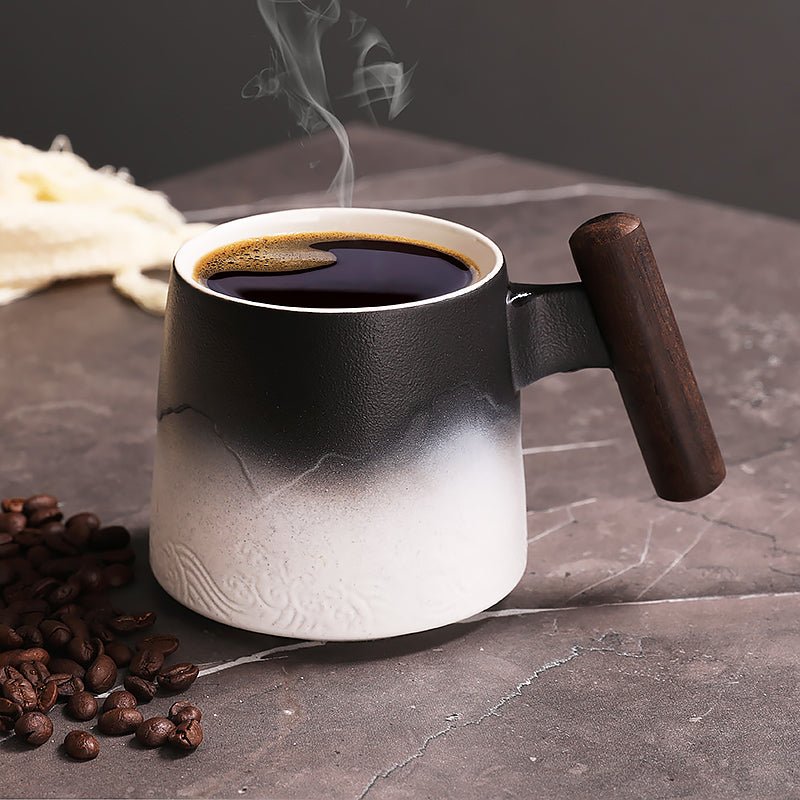
Best To Go Coffee Mugs for Daily Carry and Commutes
Reading time: about 9 minutes
The best to go coffee mugs are usually the ones you stop noticing after the first week because they do not leak, fit the cup holder, and still taste good after a rinse at the end of the day. We see the same pattern in our store again and again: shoppers start with a nice-looking cup, then come back asking for a lid that actually seals, a size that matches their routine, and a mug that survives real life on a kitchen counter, office desk, or commute bag.
That is the lens we use here. If you are comparing options before buying, the right choice is less about a trendy shape and more about how the mug behaves in the situations that matter most. A mug that works for a short walk to the office is not always the one you want for a 45-minute drive, and a ceramic cup that feels great at your desk may be the wrong pick for a packed tote.
Which to go coffee mugs hold up best on a commute?
For commutes, we look first at spill control and fit. A mug can have a nice finish and still be frustrating if the lid lifts too easily, the vent lets drips escape, or the base is too wide for a car cup holder. In our experience, the commute test is simple: if you can carry it one-handed, set it down in a car, and open it without a mess, it belongs on the short list.
Start with these checks:
- Look for a lid that seats evenly all the way around, with a gasket or seal that does not feel loose.
- Check the base width against your car cup holder or bag sleeve. A mug that rocks on a desk usually becomes annoying in a moving vehicle.
- Prefer a rim and drinking edge that feel smooth. Rough edges stand out fast when you use the mug every morning.
- Think about how you open it. A lid that needs two hands is fine at home, but less useful at a crosswalk or train platform.
If your routine is mostly car-based or includes a long walk with the mug in a bag, our Coffee on the Go Mugs: What to Buy for Commutes and Desk Use guide is a good companion read. For a broader daily-use view, we also break down the trade-offs in Go Coffee Mugs: How to Choose the Right Travel Mug for Daily Use.
What material makes the biggest difference?
Material changes the whole experience. It affects heat retention, weight, taste, cleaning, and how the mug behaves after a few dishwasher cycles. The two materials we help shoppers compare most often are stainless steel and ceramic, because they solve different problems.
| Material | Best for | Trade-offs |
|---|---|---|
| Stainless steel | Commutes, bag carry, longer heat retention, and rougher daily use | Not microwave-safe, usually heavier than it looks, and some people prefer a mug with a more familiar cup feel |
| Ceramic | Desk use, home office, and shoppers who care most about a normal mug drinking experience | Less forgiving if it gets knocked around, can chip, and is not the best choice for tossing into a crowded bag |
If you want a more durable everyday option, see our Stainless Steel To Go Coffee Mugs for Daily Use and Travel guide. If you prefer the feel of a traditional cup and mostly drink at a desk, our Ceramic To Go Coffee Mugs: What Buyers Should Check First article covers the details we ask shoppers to check before they buy.
One practical limitation matters here: stainless steel is not the right choice if you want to microwave your coffee. Ceramic handles that use case better, though only if the mug and lid are marked accordingly. If microwave reheating is part of your habit, that alone can decide the category for you.
Which size should you buy for daily coffee?
Size looks simple on the product page, but it changes how the mug fits your day. A smaller mug can be easier to carry and less likely to slosh. A larger one gives you more room for milk, foam, or a longer sit between refills. We often point shoppers to the right size by asking one question: do you want the mug to travel well, or do you want it to behave more like your usual cup?
The most common checkpoints are 12 oz and 16 oz. Our related guides on 12 oz Coffee Mugs: What to Check Before You Buy and 16 Ounce Coffee Mugs: Size, Materials, and Fit Guide cover the fit details in more depth, but here is the practical version:
- 12 oz: Better for standard drip coffee, a smaller bag, and shorter trips. It usually feels less bulky on a desk and is easier to store in a crowded cabinet.
- 16 oz: Better for larger pours, iced coffee with room for add-ins, or a commute where you do not want to refill quickly. It can feel too large for some cup holders and lunch bags.
If your coffee routine changes throughout the week, size matters more than style. A mug that is too large can feel awkward at the office, while one that is too small leaves you refilling before the day really starts.
What details separate a solid mug from a bad one?
This is where buying decisions usually get made. The mug body gets the attention, but the small parts decide whether you keep using it. In our experience, the first thing that disappoints buyers is almost always the lid, not the cup. A warped slider, weak gasket, or loose vent turns a decent mug into a drawer piece.
Check these details before ordering:
- Lid seal: The lid should sit flat without wobbling. If it relies on a seal, that seal should feel snug rather than loose or floppy.
- Drinking edge: A smooth rim makes a bigger difference than people expect, especially if you use the mug every weekday.
- Base stability: A flat base helps on office desks and kitchen counters. A mug that rocks slightly may still be usable, but it feels cheap fast.
- Cleaning access: A lid with fewer hidden corners is easier to rinse after coffee oils build up. That matters after real use, not just the first day.
- Finish and edges: Look for an even finish, clean seams, and no rough spots near the handle or lip.
We also pay attention to the common failure modes we see after a few cycles through the sink or dishwasher: a lid that starts sticking, a seal that traps odor, a ceramic rim that chips, or a printed finish that wears unevenly where your hand rests. Those are the details shoppers do not see in a polished product photo, but they become obvious on a kitchen counter after a week of use.
Good travel mug design is usually boring in the best way: tight lid, smooth rim, easy cleaning, no surprises in the bag.
How do ceramic and stainless steel compare in real use?
If you are choosing between materials, the best answer depends on where the mug lives. A ceramic mug is easy to enjoy at a desk because it feels familiar, drinks like a regular cup, and is often the least fussy option for home use. Stainless steel is the better pick when the mug has to move with you, because it generally handles bumps, backpack storage, and longer commutes more comfortably.
Here is the practical comparison we use with shoppers:
- Desk use: Ceramic usually wins if the mug stays on a desk, in a break room, or next to a laptop.
- Commute use: Stainless steel usually wins if the mug rides in a car, tote, or backpack.
- Taste preference: Ceramic feels more like a standard coffee cup. Stainless steel is practical, but some shoppers simply prefer the drinking experience of ceramic.
- Cleaning: Ceramic bodies are easy to rinse. Stainless steel bodies are often easy to wipe down, but the lid still needs attention either way.
- Durability: Stainless steel is more forgiving for daily movement. Ceramic can work well, but it is not the best choice if you are hard on your gear.
The trade-off is straightforward. Choose ceramic if your mug spends most of its life at home or at work. Choose stainless steel if you want the mug to follow you all day and still look presentable after the fifth move from desk to car to bag. That is also why shoppers comparing daily-use mugs often end up reading both our stainless steel and ceramic guides before they decide.
Frequently asked questions
What size is best for a daily coffee mug to go?
For most people, 12 oz is the safest starting point because it is compact, easy to carry, and close to a standard mug pour. Choose 16 oz if you regularly add milk, make larger drinks, or do not want to refill during a long commute. If you are unsure, think about the size of the cup you already reach for at home.
Are ceramic to go coffee mugs good for commuting?
They can be, but only if the lid is secure and you are not rough on your bag. Ceramic works best for shorter trips, desk use, and people who want a normal mug feel. If the mug will bounce around in a tote or car, stainless steel is usually the safer choice.
Do stainless steel coffee mugs change the taste?
Some shoppers think stainless steel changes the drinking experience compared with ceramic, especially on the first few uses. A clean lid and a well-rinsed interior help a lot. If taste feel is your top priority and the mug stays at a desk, ceramic may suit you better.
How do I keep a to go coffee mug from leaking in my bag?
Start with a lid that seals evenly and close every vent or slider fully before you pack it. Do not overfill the mug, because liquid near the lid is more likely to escape when the bag shifts. If the lid has a gasket, clean it regularly so coffee residue does not break the seal.
Can I put the lid in the dishwasher?
That depends on the lid design and the care instructions for the specific mug. Even when the body is dishwasher safe, lids often need more careful washing because seals and moving parts can trap residue. If you wash by hand, take a moment to clean around the gasket and under any slider or vent.
What should you check before ordering?
If you want a quick buying checklist, use this before you add a mug to cart:
- Match the material to your routine: ceramic for desk use, stainless steel for movement.
- Check the size against your usual coffee volume and your cup holder or bag.
- Inspect the lid style and seal design, because that is where most frustrations start.
- Make sure the care routine is realistic for you. If you will only hand-wash the mug once a week, choose a design that is easy to rinse clean.
- Think about the mug's weak point. Ceramic can chip, stainless steel can dent, and a poor lid can ruin either one.
If you want to compare current options, start with our full collection or browse our products page. Use the checklist above, then pick the mug that fits the way you actually drink coffee, not the way you wish your routine worked.
More from our blog
Read more
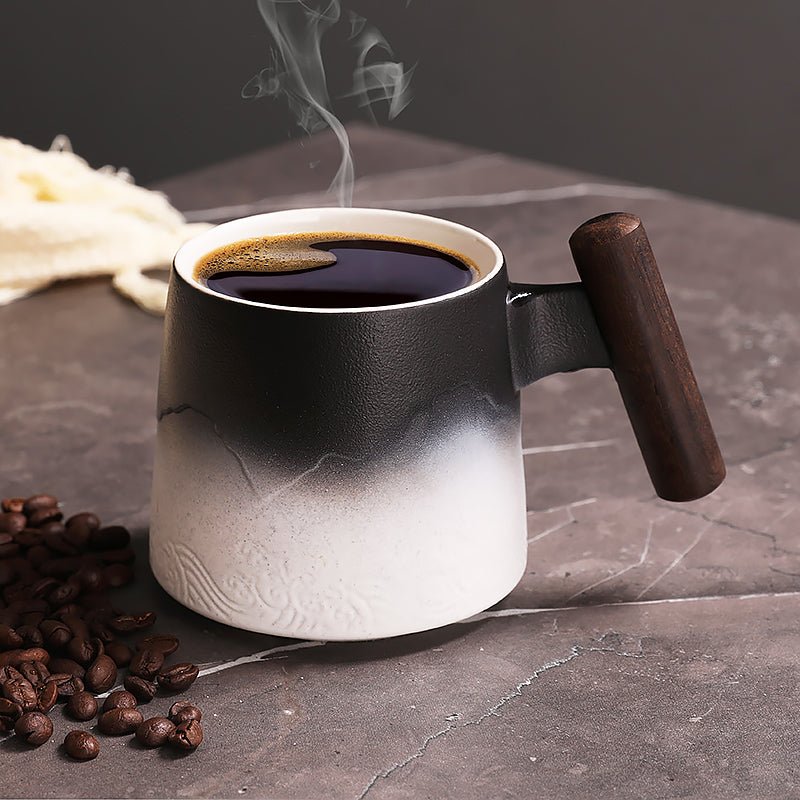
How Many Oz in a Coffee Mug? Common Sizes and What Fits Best
A coffee mug label does not always match the pour you actually use. Here we break down common mug sizes, what fits comfortably, and what to check before you buy.
Czytaj dalej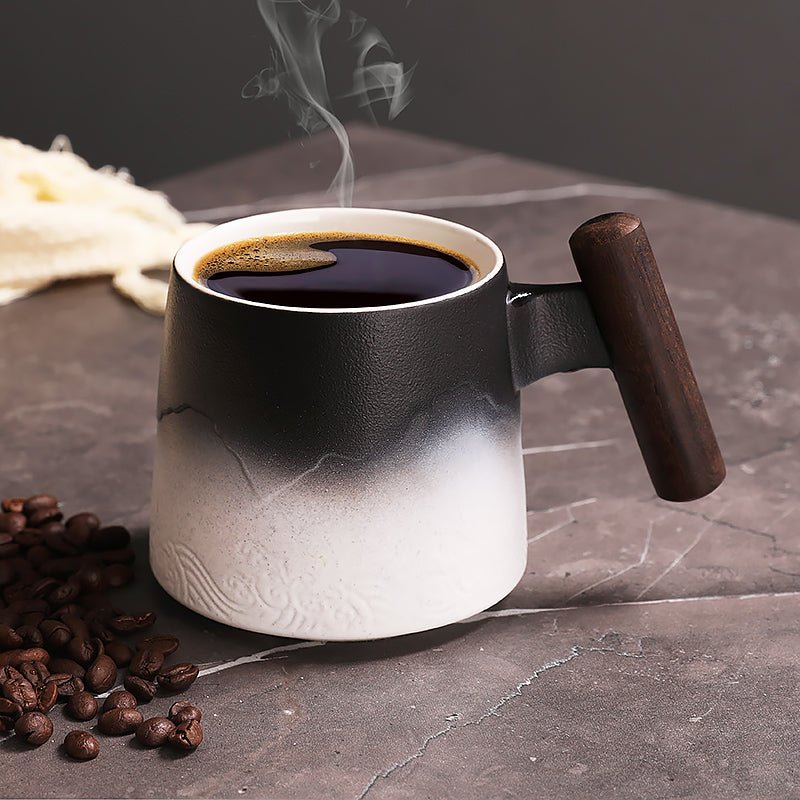
Car Coffee Mug Buying Guide: Fit, Materials, and Real Trade-Offs
A practical guide to choosing a car coffee mug that actually fits your cup holder, your commute, and your cleaning routine. We cover materials, lid types, and the trade-offs that matter before you ...
Czytaj dalej
Zostaw komentarz
Ta strona jest chroniona przez hCaptcha i obowiązują na niej Polityka prywatności i Warunki korzystania z usługi serwisu hCaptcha.