
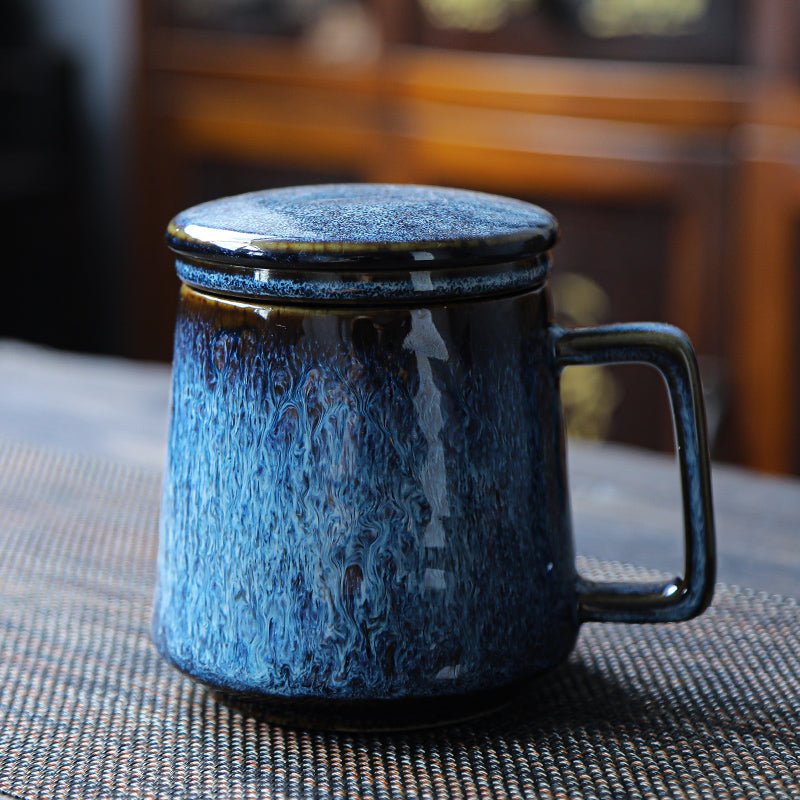
Best Tea Mugs for Daily Use: Size, Shape, and Materials
Reading time: about 10 minutes
We see the same problem over and over: a mug looks right online, then feels too small for a proper brew, too hot to hold, or too awkward to wash every day. The best tea mugs solve those practical issues first, then look good enough to stay on the counter instead of hiding in a cabinet.
In our store, we focus on tea mugs that work for real routines: morning black tea at the desk, an afternoon herbal cup after lunch, or a simple gift that does not feel generic. If you want to browse the full range first, start with our tea mugs collection. If you want a quick shortcut to our most useful picks, three good starting points are the Pleated Coffee Tea Cup, the Planet Coffee Tea Mug, and the Mountain Sea II Coffee Tea Mug with Wooden Handle.
What makes a tea mug better than a regular mug?
A good tea mug is not just a smaller coffee mug. Tea often benefits from a cup that feels stable in the hand, holds heat without scorching your fingers, and gives you enough room for leaves, a tea bag, or a splash of milk. Shape matters more than most shoppers expect.
In practice, we look at three things first:
- Rim and opening: a slightly wider mouth helps tea cool at a usable pace and makes it easier to remove a bag or strain loose leaf tea.
- Handle comfort: if the handle is thin or oddly placed, the mug gets left in the cupboard. A comfortable handle matters more than decoration.
- Wall thickness: thicker ceramic tends to hold heat longer, but it can also feel heavier. Thin cups are lighter, but they cool faster.
That balance is why tea mugs are worth choosing deliberately instead of treating them as generic drinkware. If you are deciding between ceramic options, our article on Ceramic Mugs for Tea: How to Choose the Right Size, Shape, and Finish goes deeper on the details that affect daily use.
Which tea mug size works best for daily drinking?
Most buyers do best with a mug that feels generous without becoming oversized. Around the middle of the typical mug range is usually where tea lands best for everyday use: enough room for a proper pour, enough control to finish it while it is still warm, and not so large that the drink turns lukewarm before the last sip.
We recommend thinking in use cases:
| Use case | Better size approach | Why it works |
|---|---|---|
| Single tea bag, quick break | Medium mug | Keeps the cup manageable and avoids wasted volume |
| Loose leaf tea with room for leaves to open | Medium to larger mug | Gives space for steeping without crowding |
| Desk use over a long stretch | Sturdy medium mug | Balances heat retention and hand comfort |
| Gift purchase | Classic everyday size | Safer choice when you do not know the recipient's habits |
A mug that is too large is not automatically better. It can make a normal tea bag look lost, and in an office setting it may encourage overfilling and spills. A mug that is too small is frustrating if you like a second pour or brew stronger tea with milk. That is why we usually point shoppers toward an everyday, medium-capacity shape unless they know they want something specific.
For shoppers comparing tea and coffee use together, our guide Tea Coffee Mugs: Size, Material, and Buying Guide is useful because the best all-around mug is not always the same as the best tea-only mug.
Which materials are easiest to live with?
For most people, ceramic is the safest answer. It feels substantial, holds heat well enough for a normal tea break, and usually looks good on a kitchen shelf or office desk. The trade-off is that ceramic can chip if it is knocked against a sink edge or stacked carelessly.
Here is how we talk about the most common material choices with shoppers:
- Ceramic: best all-around choice for everyday tea mugs. Easy to style, comfortable in the hand, and generally simple to clean.
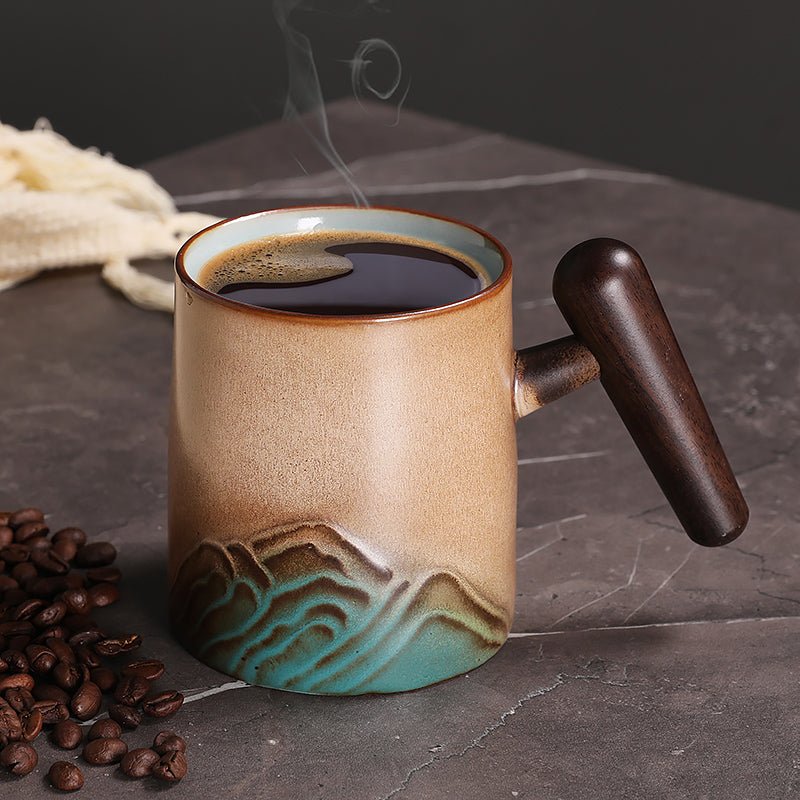
- Wood-handled ceramic: useful if you want a cooler grip and a slightly more distinctive look. It is not the best choice if you want every part of the mug to match in the dishwasher.
- Decorative glazed finishes: great for gifting and shelf appeal, but you should inspect the glaze quality and rim finish closely before committing.
We pay attention to common defect modes that customers actually notice after a few uses: uneven glazing at the foot, a handle that feels too narrow for larger fingers, or a mug base that rocks slightly on a flat counter. Those are the details that separate a mug people use daily from one that becomes backup drinkware.
The Mountain Sea II Coffee Tea Mug with Wooden Handle is a good example of a mug with a more specific feel. The wooden handle changes the experience: it can make hot tea easier to hold, but it also means you should be more careful with soaking and long dishwasher exposure than you would be with plain ceramic.
Which styles are actually worth buying?
Style matters, but only after the mug works in the hand. A dramatic shape is not useful if it is uncomfortable on a desk or awkward to stack. The goal is to find a mug that looks intentional without becoming a display piece you hesitate to use.
We see three style families that shoppers return to:
- Textured or pleated ceramic mugs: these add grip and visual interest without turning the mug into a novelty item.
- Rounded art-inspired mugs: these are best when the buyer wants a mug that feels giftable and a little more expressive.
- Natural or mixed-material mugs: useful for buyers who prefer a warmer, handcrafted look on the table.
The Pleated Coffee Tea Cup fits the first group well. The pleated form gives it more texture in the hand, which can make it feel less slippery than a very smooth mug. The Planet Coffee Tea Mug leans more decorative, which is helpful if you want something that reads as a gift right away rather than a plain utility cup.
If you want a style-first approach, our post Tea Mugs Ceramic: How to Choose the Right Cup for Daily Tea covers why some finishes feel better in daily use than they look in photos.
How do these three tea mugs compare in real use?
We would not recommend the same mug to every buyer. The right pick depends on where you will use it and how picky you are about handling, cleaning, and appearance.
| Mug | Best for | Main strength | Trade-off |
|---|---|---|---|
| Pleated Coffee Tea Cup | Daily tea, simple styling | Textured grip and easy-to-live-with shape | Less dramatic if you want a statement piece |
| Planet Coffee Tea Mug | Gifting, display, casual tea drinking | Distinctive look that stands out on a shelf | Style may matter more than minimalism |
| Mountain Sea II Coffee Tea Mug with Wooden Handle | Longer tea breaks, comfort-focused buyers | Handle feel and a more tactile presentation | Wood elements need a bit more care than plain ceramic |
In our experience, the safest everyday pick is the mug that disappears into your routine. You should reach for it without thinking about it. If a mug makes you hesitate because it feels too delicate, too themed, or too awkward to wash, it will not get used as often as it should.
Our rule is simple: choose the tea mug you will grab on a busy morning, not only the one that looks best in a photo.
What should you check before ordering tea mugs online?
Small details matter more online because you cannot feel the mug in your hand before it arrives. We recommend checking the product page for the parts that affect actual use, not just the styling.
- Handle clearance: make sure your fingers can pass through comfortably, especially if you plan to use the mug every day.
- Finish at the rim: a smooth drinking edge is a better sign than a heavily styled lip that looks nice but feels awkward.
- Cleaning expectations: if a mug includes a wood element or special finish, treat it as a lower-maintenance item only if the listing clearly supports that.
- Stability on the table: a flat, even base matters on crowded desks and kitchen counters.
We also advise thinking about your sink and storage setup. A tall, decorative mug can be frustrating if it does not fit well on the drying rack. A wider mug may stack poorly with your current set. These are unglamorous details, but they determine whether the mug gets used every day or only when guests visit.
How should you care for tea mugs so they last longer?
Basic care keeps ceramic looking better for longer, and it also helps you avoid the common wear that shows up first around the rim, handle, and base. We tell customers to treat tea mugs like regular kitchenware, not delicate display pieces, unless the material mix says otherwise.
- Rinse after use so tea residue does not build up on the inside glaze.
- Avoid sudden temperature shock, such as moving a very hot mug straight into very cold water.
- If the mug has wood accents, keep soaking to a minimum and dry it promptly.
- Watch for hairline chips at the rim and on the foot ring, especially if you stack mugs tightly.
That last point matters because the earliest signs of wear are often cosmetic, not catastrophic. A small chip may not make the mug unusable, but it can affect how it feels to drink from and whether you keep reaching for it. Good tea mugs should age into regular use, not become brittle after a few clumsy washes.
Frequently asked questions
What size tea mug is best for daily use?
A medium everyday mug is usually the safest choice. It gives enough room for a normal tea bag or loose leaf tea without becoming so large that the drink cools too fast. If you drink especially strong tea with milk, you may prefer a slightly larger cup, but most buyers do best with an average size.
Are ceramic tea mugs better than glass or metal?
Ceramic is usually the most comfortable all-around option for daily tea because it holds heat well and feels familiar in the hand. Glass is useful if you want to see the infusion, and metal is more about durability or travel use. For home counters and office desks, ceramic is the most practical choice for most people.
Can I use these tea mugs for coffee too?
Yes, many tea mugs work well for coffee as long as the capacity and handle feel right. We see a lot of shoppers use one mug for both drinks during the week. If you want one cup for both, focus on comfort, balance, and size rather than a tea-only look.
What should I avoid if I want a mug for office use?
A mug that is too wide, too fragile, or too decorative can be annoying on a desk. You want something stable, easy to grip, and simple to clean after a long workday. If the mug has special materials like wood, consider whether that fits your office dishwasher habits.
Are decorative tea mugs practical?
They can be, but only if the shape and finish still support daily use. A decorative mug is worth it when it feels comfortable, holds heat well enough, and is easy to wash. If style gets in the way of those basics, it is better as a display piece than a daily cup.
If you want to compare options quickly, start with the tea mugs collection, then decide whether your priority is comfort, styling, or gifting. If you want more buying detail before you choose, our related guides on Tea Mugs: How to Choose the Right Size, Material, and Style and Tea Mugs: How to Choose the Right Style, Size, and Finish are the fastest next reads.
Use this checklist before you buy: comfortable handle, everyday size, smooth rim, easy cleaning, and a shape you will actually reach for on busy mornings. If you want the shortest path to a decision, open the collection and compare the three mugs above side by side.
Read more
Large Coffee Mugs: How to Choose the Right Size, Shape, and Material
Large coffee mugs solve a real problem: the second pour, the extra-milk latte, or the desk-side cup that stays hot longer. Here’s how we help shoppers compare sizes, materials, and everyday usabili...
Czytaj dalej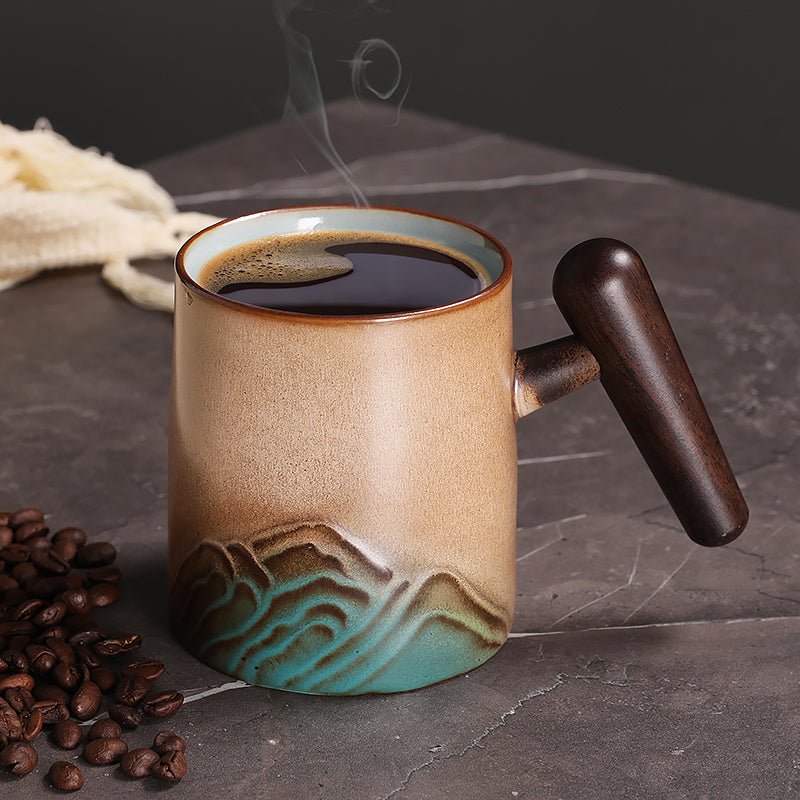
Coffee Large Mug Buying Guide for Daily Use and Desk Comfort
A practical guide to choosing a coffee large mug that fits real mornings, desk setups, and dishwasher use. We cover size, material, handle comfort, and the trade-offs that matter before you buy.
Czytaj dalej
Zostaw komentarz
Ta strona jest chroniona przez hCaptcha i obowiązują na niej Polityka prywatności i Warunki korzystania z usługi serwisu hCaptcha.