
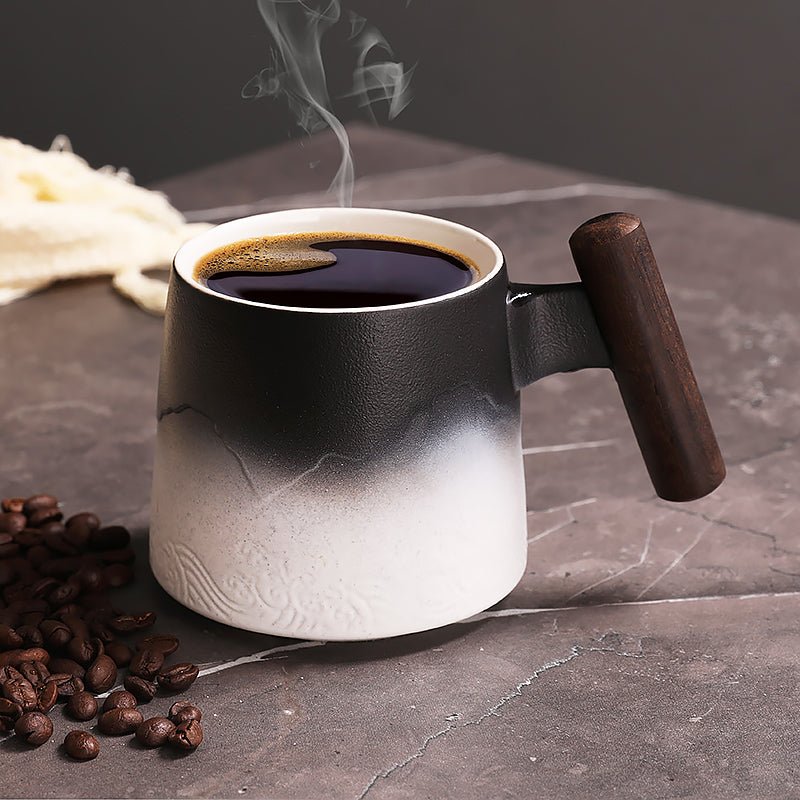
Best Insulated Coffee Mugs: What to Compare Before You Buy
Reading time: about 9 minutes
A mug that keeps coffee hot on a cold desk is useful. A mug that stays sealed in a tote bag is useful too, but it is not the same product. We see buyers mix those two jobs all the time, and that is usually where the disappointment starts.
The best insulated coffee mugs are the ones that match how you actually drink coffee: slow sips at a laptop, a second cup during the commute, or a mug you can wash quickly after dinner. In our store, the most practical choices usually come down to material, lid design, size, and whether you want a handle. If you are comparing options, start with our full collection and then narrow by the use case that matters most.
What makes the best insulated coffee mugs worth buying?
A good insulated mug is not just a heavier mug. It is built to slow heat loss, reduce spills, and hold up to daily washing without turning annoying after a few weeks. The best versions usually have a double-wall body, a lid that seats cleanly, and a shape that feels stable on a desk or table.
In practice, we look at three things first:
- Heat performance: Double-wall construction helps, but the lid matters just as much. A loose slider or warped gasket can undo the insulation quickly.
- Grip and balance: A mug that feels comfortable full is better than one that only looks sleek empty.
- Cleaning: A wide opening is easier to rinse. Tight corners around the lid and gasket are where coffee residue tends to collect.
This is where real-world use matters. A mug that looks great in a product photo may still be awkward at a desk if the base is too wide, or irritating in a kitchen if the lid has too many small parts. If you want a deeper breakdown of the core buying factors, our guide on how to choose heat, lid, and size walks through the basics in more detail.
Which material should you choose for daily use?
Material changes the feel of the mug, the weight in the hand, and sometimes the cleaning routine. We usually break the choice into stainless steel, glass, and ceramic-lined designs.
| Material | Best for | Trade-offs |
|---|---|---|
| Stainless steel | Daily use, office desks, travel, longer heat retention | Not microwave-safe; can feel less like a traditional coffee cup |
| Insulated glass | People who want to see the coffee and prefer a cleaner taste profile | Usually less rugged than steel and not the best choice for rough bags |
| Ceramic-lined or ceramic-style insulated mug | Home use and table service | Usually heavier; not ideal if you want a travel-first mug |
Stainless steel is the safest all-around pick for many shoppers because it handles office desks, kitchen counters, and commutes without much fuss. If that is your use case, our article on stainless steel insulated coffee mugs for daily use and travel goes into the details that matter before you buy.
Glass is a different story. It is a better fit for home use when you care more about presentation and less about tossing the mug into a work bag. It can be excellent on a breakfast table or for gifting, but it is not the material we recommend for people who are hard on drinkware. Ceramic-lined options feel familiar in the hand, but they are not always the lightest choice if you carry coffee from room to room.
Do handles matter, or are they just a style choice?
Handles are not cosmetic. They change how a mug feels when it is full, especially if you like a mug that never gets too hot on the outside. They also help on cold mornings when you do not want to wrap your hand around steel straight away.
That said, handles are not always the right answer. A handled mug can take up more space on a tray, on a crowded desk, or in a cabinet. If you plan to pack the mug into a commuter bag or you want something compact for a car cup holder, a handled design may be the wrong shape. For a closer look at the trade-offs, see our guide on insulated coffee mugs with handles.
We usually recommend handles for:
- At-home coffee drinkers who keep the mug on a desk or kitchen counter.
- People with larger hands who want a steadier grip.
- Gift buyers who want a mug that feels familiar immediately.
We usually skip handles for:
- Travel-first buyers.
- People who pack mugs tightly in bags or cabinets.
- Shoppers who want the smallest possible footprint.
That is why the best insulated coffee mugs are not always the most feature-heavy ones. Sometimes the best choice is the simpler body shape that fits the way you already drink coffee.
What lid details actually affect spill resistance?
The lid is where many mugs succeed or fail. A good lid should fit cleanly, open without fighting you, and close securely enough that a bump does not become a stain on your shirt or keyboard.
We check for a few concrete details. First, the seal should feel even around the rim, not loose on one side. Second, the drinking opening should be shaped for controlled sipping, not a sudden pour that splashes. Third, if the lid has a slider or gasket, those parts should be easy to remove and clean because coffee oils love to hide there.
Lids also define the mug’s real job. If you want something for carrying coffee between rooms or into the car, choose a tighter lid and a shape that is easy to grip while walking. If the mug will live mostly on a desk, you may prefer a lid that is easier to open and close one-handed. Our related guide on insulated travel coffee mugs covers the lid and carry side of that decision.
One limitation worth stating plainly: no lid turns an open-top coffee mug into a truly leakproof bottle. If you need something that can ride in a backpack or sit sideways, a travel bottle is the better category.
Which size works best for your routine?
Size is one of the easiest ways to get the wrong mug. Too small, and you are refilling constantly. Too large, and the coffee cools too slowly for the way you drink it, or the mug becomes clumsy on a desk.
We usually think about size this way:
- About 12 oz: Good for a standard mug of coffee, tighter desk setups, and buyers who like a familiar cup size. If that is your range, our post on 12 oz coffee mugs is a useful comparison point.
- About 16 oz: Better for longer mornings, larger pours, or people who refill less often. It also helps if you add milk or cream and still want room left in the cup. We cover the fit and proportions in 16 ounce coffee mugs.
- Larger than that: Useful for extended desk sessions, but less convenient to carry and sometimes too bulky for a compact kitchen shelf.
There is a trade-off here. Bigger mugs are not automatically better insulated in the way people expect. More volume can mean more coffee sitting open to air if the lid is off, and a larger cup can be awkward if your only use is one morning fill at home. For many buyers, the best insulated coffee mugs are in the 12 to 16 oz range because that size matches actual daily drinking patterns.
How do you compare the best insulated coffee mugs before you buy?
We recommend comparing mugs the same way we would on a kitchen counter, not just in a product photo. That means looking at the base, the lid, the wall thickness, and the way the mug feels when it is full.
Use this checklist before you buy:
- Match the use case: desk, home, commute, or gift.
- Check the lid type: sliding, press-fit, or open sip design.
- Confirm the material: stainless steel for toughness, glass for presentation, ceramic-lined for a more traditional feel.
- Think about cleaning: lid parts, gasket access, and whether the cup opening is wide enough to wash easily.
- Check the shape: handle or no handle, and whether the base fits your shelf or cup holder.
In our store, we often see people choose a mug for how it looks and then discover later that the lid is harder to clean than expected, or the size is wrong for their morning coffee. That is why we try to sell the category honestly: the best insulated coffee mugs are the ones that reduce friction after the unboxing is over.
If you are shopping now, our product page is the quickest place to compare current options and narrow down the shape, size, and material that fit your routine.
Frequently asked questions
What size is best for an insulated coffee mug?
For most daily coffee drinkers, 12 oz to 16 oz is the practical range. A 12 oz mug feels closer to a standard cup and stays compact on a desk, while 16 oz gives you more room for larger pours or milk-based drinks. If you only want one mug for everyday use, 14 oz to 16 oz is often the most flexible choice.
Are stainless steel insulated coffee mugs better than glass?
Stainless steel is usually better if you want durability, longer use in a busy home or office, and a mug that can take more handling. Glass is better if you care about the look of the drink and prefer a more traditional coffee presentation at home. If you need a mug for bags, commutes, or rougher daily use, steel is the safer pick.
Can I put insulated coffee mugs in the dishwasher?
Some insulated coffee mugs can go in the dishwasher, but not all lids and seals should. We recommend checking the product care notes carefully, especially for lids with sliders, gaskets, or multiple parts. When in doubt, hand washing the lid helps preserve the fit and keeps coffee oils from building up in the seal.
Do I need a handle on an insulated coffee mug?
Not always. A handle helps if you want a familiar mug feel at home or if the mug body can get warm to the touch, but it also adds bulk. If you want a mug that packs neatly or takes up less cabinet space, a handle-free design is usually easier to live with.
What is the biggest mistake people make when buying an insulated mug?
They buy for appearance instead of use. The most common mismatch we see is a mug that looks great on a shelf but has the wrong lid, the wrong size, or a shape that is awkward to clean. Start with where you will use it most, then choose the material and lid from there.
If you want the shortest path to the right pick, compare your preferred material, decide whether you need a handle, and choose a size that matches how much coffee you actually drink. Then browse our collection with those three filters in mind.
More from our blog
Read more
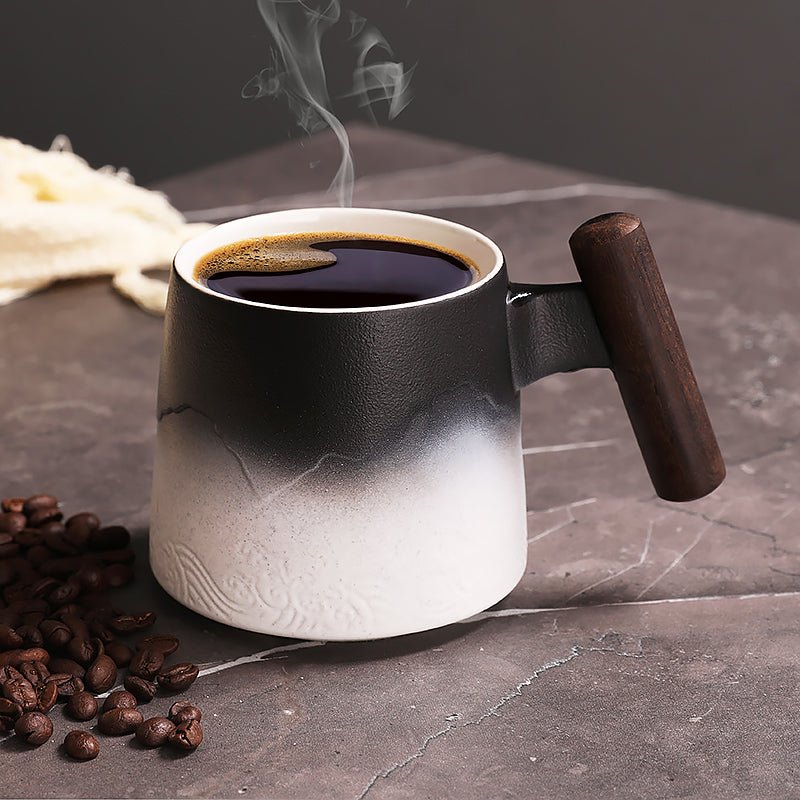
Coffee Mug to Go: What to Check Before You Buy
A practical coffee mug to go guide from the store side: what lid design, size, material, and care details matter, what fails first, and which mug suits commuting, desk work, or short errands.
Czytaj dalej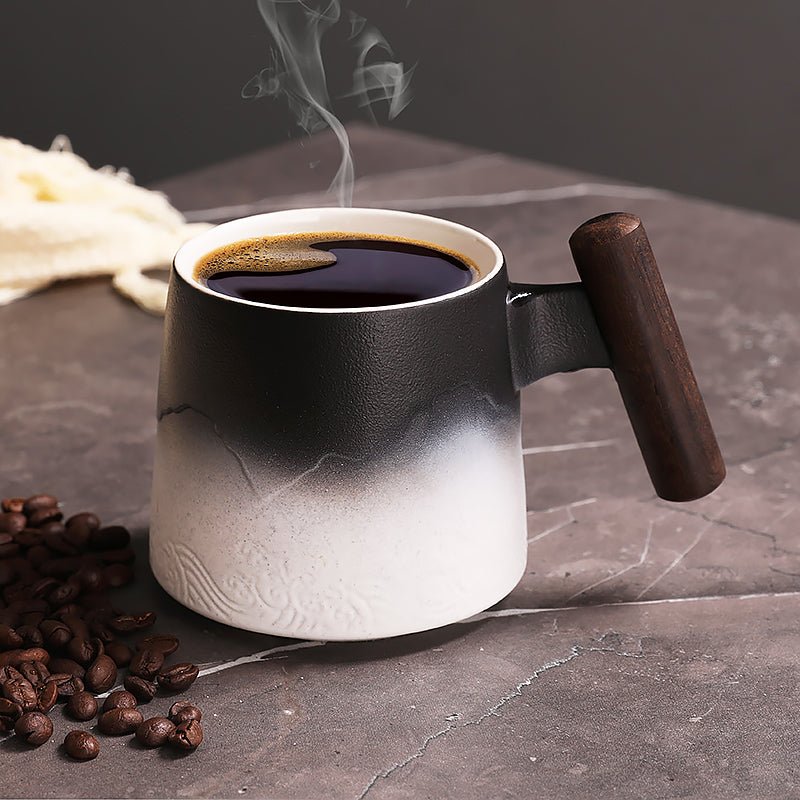
Coffee Mug Printing: What Buyers Should Check Before Ordering
Coffee mug printing is more than putting a logo on ceramic. We break down print methods, mug sizes, care, and the checks that matter before you buy.
Czytaj dalej
Zostaw komentarz
Ta strona jest chroniona przez hCaptcha i obowiązują na niej Polityka prywatności i Warunki korzystania z usługi serwisu hCaptcha.