
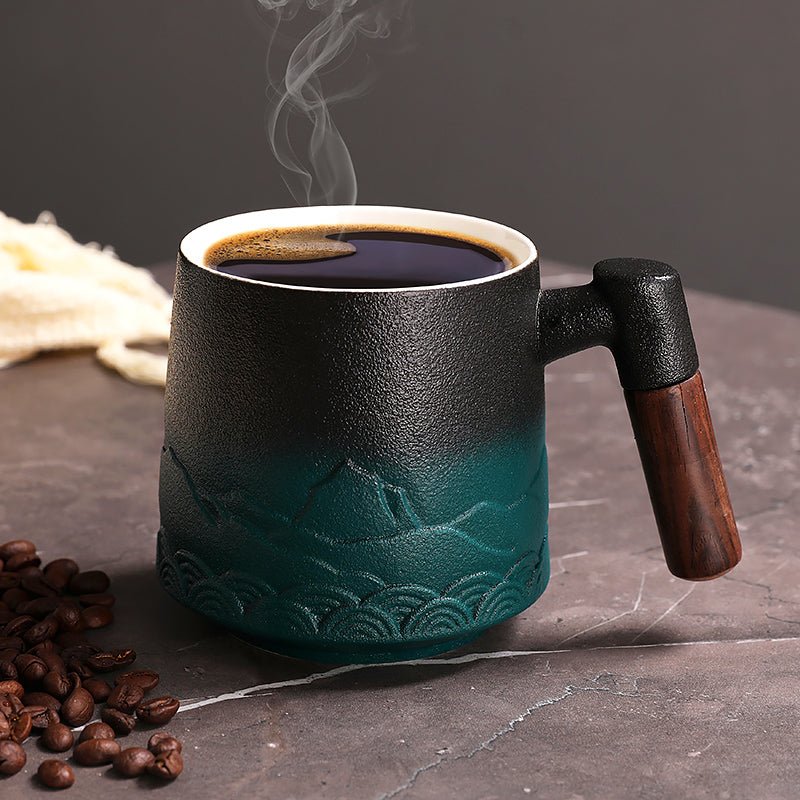
Best Coffee Mug: What Actually Matters for Daily Use
Reading time: about 9 minutes
A mug that looks perfect on the shelf can still drip on your desk, get too hot to hold, or taste like yesterday's soap after one dishwasher cycle. We see that mismatch all the time in our store: shoppers want the best coffee mug, but the one that wins in real life is usually the one that fits the way coffee is actually used at home, at work, and while unboxing a gift.
Short routes if you already know what matters
If you already know you care more about daily comfort than endless mug browsing, use one of these direct routes to move from research to a concrete first order. article_best_daily_use_20260604
- Pick a Mug Fast is the quickest route if you want the safest yes-or-no decision without reopening more listicles.
- Round Mug cart is the safest broad-appeal first order for everyday coffee, tea, gifting, and general home use.
- 2-Mug Starter Set helps if you want a practical compare between the Round and Landscape Tall paths in one shipment.
- Museum Shop Mug Sample Set fits better when this visit is actually a buyer, editor, or review decision instead of normal personal shopping.
If you want the measurement side first, 16 oz size/material guide, and 8 oz material/fit guide can help you compare nearby sizes before using a cart route.
In our experience, the right mug is not about one feature. It is a balance of size, wall thickness, handle comfort, glaze quality, and care. If you are comparing options, our full collection is a useful place to start, and our product pages at coffeifymug.com/products show the range we keep stocked for different routines.
What makes the best coffee mug for daily use?
The best coffee mug for daily use is the one that holds heat long enough, feels stable in the hand, and survives ordinary cleaning without becoming annoying. That sounds basic, but the details matter. A mug with a narrow handle can feel awkward with larger fingers. A very thin wall can make the drink cool fast and also get uncomfortably hot on the outside. A huge mug can be great for long office sessions, but it is overkill if you only pour 8 ounces at a time.
We usually look at these practical details first:
- Capacity: most everyday mugs land around 11 to 15 ounces, which fits drip coffee, a short latte, or tea without constant refills.
- Weight: a heavier stoneware mug feels sturdy, while a lighter porcelain mug is easier to lift repeatedly during the day.
- Handle shape: enough space for two or three fingers matters more than a pretty silhouette.
- Rim thickness: a smoother, rolled rim usually feels better to drink from than a sharp edge.
- Base stability: a mug with a wider base is less likely to wobble on an office desk or crowded kitchen counter.
That is why a mug that works at 7 a.m. on the counter may not be the same mug that works for a long desk session. The best choice is the one that matches your routine, not the one with the flashiest photo.
Which material is best for a coffee mug?
Material changes the whole experience. We sell and handle mugs in the styles people actually compare: ceramic, stoneware, porcelain, and insulated metal. Each one has a different trade-off.
| Material | What it feels like | Best for | Trade-off |
|---|---|---|---|
| Ceramic | Balanced weight, familiar feel, easy to drink from | Everyday home use | Can chip if knocked against sinks or counters |
| Stoneware | Heavier, sturdy, often holds heat well | People who want a substantial mug | Can feel bulky and is not ideal if you prefer a light cup |
| Porcelain | Thinner, smoother, more refined | Office desks, gift sets, espresso-adjacent use | Usually feels less rugged than stoneware |
| Insulated metal | Built to keep coffee hot longer | Commutes and long meetings | Not the same drinking experience as a traditional mug |
For most shoppers, ceramic is the safest middle ground. It is comfortable, familiar, and usually easy to clean. Stoneware is better if you like a mug with presence in your hand. Porcelain works well for a lighter, cleaner look, especially if the mug is part of a gift set. Insulated metal is not our first pick for a relaxed kitchen mug, but it does make sense if the mug will be used away from the house.
We cover this in more depth in our Ceramic Coffee Mug Buying Guide, and if you are trying to decide between everyday use and travel, our Best Travel Coffee Mug article is the better fit.
How do size and shape affect how coffee drinks?
Size affects more than volume. A mug around 11 ounces often feels good for a standard pour and leaves room for milk. A 14 or 15 ounce mug is better if you drink slowly, like large coffees, or tend to reheat the same cup. Larger mugs can also be useful for soup or hot chocolate, but they are not always the best coffee mug for someone who prefers a small, hot drink finished in one sitting.
Shape matters just as much. A wider mouth lets heat escape faster, which can be fine if you want to drink right away. A taller shape tends to hold warmth a little better. A straight-sided mug is easier to stack and store, while a tapered mug may feel nicer in the hand but occupy more shelf space.
Here is the practical way we think about it:
- If you add milk or cream, choose a size with extra room so the cup does not overfill.
- If you reheat coffee often, avoid very thin mugs that can feel fragile when hot.
- If you drink at a desk, check the footprint. A large base can crowd a keyboard, notebook, or coaster.
- If the mug is a gift, a medium size is usually safer than an oversized novelty shape.
For readers comparing larger formats, our Big Mug Coffee guide explains when a bigger mug helps and when it just becomes extra bulk. If the question is simply which size works for coffee every morning, the answer is usually: not the biggest one, just the one that matches your pour.
What small details separate a good mug from a frustrating one?
This is where shoppers usually make the right choice or the wrong one. Small details are the difference between a mug you use every day and one that sits in the cabinet.
- Handle clearance: if your knuckles hit the cup, the mug will annoy you immediately.
- Glaze finish: a smooth interior helps with cleanup and reduces the chance of lingering coffee stain buildup.
- Rim quality: a clean rim makes every sip feel better, especially on plain black coffee.
- Chip resistance: the rim and foot ring are the first places to show wear if the mug is handled roughly.
- Dishwasher behavior: a mug that comes out dull, stained, or with a weakened printed design is not a good daily mug.
We also pay attention to common defect modes. Chips on the rim happen when mugs knock against sink edges or stack too tightly. Hairline cracks can show up after repeated temperature changes, especially if a ceramic mug goes from very hot coffee to a cold counter or dishwasher. On printed mugs, the decoration can fade sooner than the body of the mug itself if the surface finish is not made for repeated washing.
If you are buying for a collector or a novelty fan, that changes the priorities. Our articles on what to check before you buy and what the design means are a good reminder that style and everyday usability are not always the same thing.
How should you care for a coffee mug so it lasts?
Care is part of buying the best coffee mug. A good mug should not need babying, but it should also not be treated like a cast-iron pan. In real kitchens, most problems come from stacking too tightly, slamming mugs into sinks, and leaving coffee residue to sit for days.
Our practical care rules are simple:
- Rinse the mug soon after use if you can, especially with dark coffee or oat milk.
- Use the dishwasher only if the mug is meant for it; hand-wash decorated mugs if you want the print to stay sharper.
- Avoid sudden temperature swings with ceramic and stoneware.
- Do not use abrasive scrubbers on glossy glazed interiors unless the surface really needs them.
- Store mugs with enough space so the rims are not rubbing together.
That is the unglamorous truth: a mug can be excellent and still wear out early if it is handled badly. On the other hand, a moderately priced, well-made mug can last for years if it is not abused. That is why we always tell shoppers to think about how often the mug will go through the dishwasher, how often it will sit on a crowded desk, and whether it will be used by kids, guests, or just one person who treats it carefully.
The right mug is not the one that survives one careful photo. It is the one that still feels good after the fiftieth breakfast.
Which mug should you buy for your situation?
The best coffee mug depends on where and how it will be used. We see a different winner for each kind of buyer.
- For home coffee drinkers: choose ceramic or stoneware in the 11 to 15 ounce range.
- For office desks: pick a mug with a stable base and a handle that stays comfortable even when full.
- For gifts: choose a clean shape, neutral size, and a finish that looks polished in person, not just in photos.
- For heavy tea or cocoa use: consider a larger mug with a broad opening.
- For travel or commuting: a true insulated mug is better than a decorative kitchen mug.
If you want a broader comparison across styles, the collections page is the fastest way to see what fits your taste. If you want a mug that feels good every day rather than just looking good on a shelf, the best choice is usually the one that is simple, sturdy, and easy to clean.
Frequently asked questions
What size is best for a coffee mug used every day?
Most people are happiest with an 11 to 15 ounce mug. That range fits standard coffee, leaves room for milk, and does not feel oversized on a small desk or kitchen counter. If you drink slowly or reheat often, lean toward the larger end.
Is ceramic or stoneware better for the best coffee mug?
Ceramic is the safer all-around choice because it is familiar, comfortable, and usually easy to clean. Stoneware feels heavier and more substantial, which some people love, but it can be bulkier. If you prefer a lighter mug, ceramic usually wins.
What makes a coffee mug uncomfortable to use?
The biggest issues are a cramped handle, a rim that feels sharp, and a mug that is too heavy when full. A poor base shape can also make the mug feel unstable on a desk. Those are the details that turn a pretty mug into one you stop reaching for.
How do I know if a mug is good for the dishwasher?
Check whether the mug is described as dishwasher-safe and pay attention to decoration and finish. Even dishwasher-safe mugs can look worn sooner if the print is delicate or the glaze is thin. If you want the longest life from a decorated mug, hand washing is usually gentler.
Should I buy a large mug if I drink black coffee?
Only if you actually want a larger serving or tend to sip for a long time. A big mug can cool coffee faster and take up more space than necessary. For straight black coffee, a medium mug often keeps the experience better balanced.
If you want to compare mugs by real use instead of by photos, start with the size, material, and handle shape that match your routine, then browse our products and collections pages for the closest fit.
More from our blog
Read more
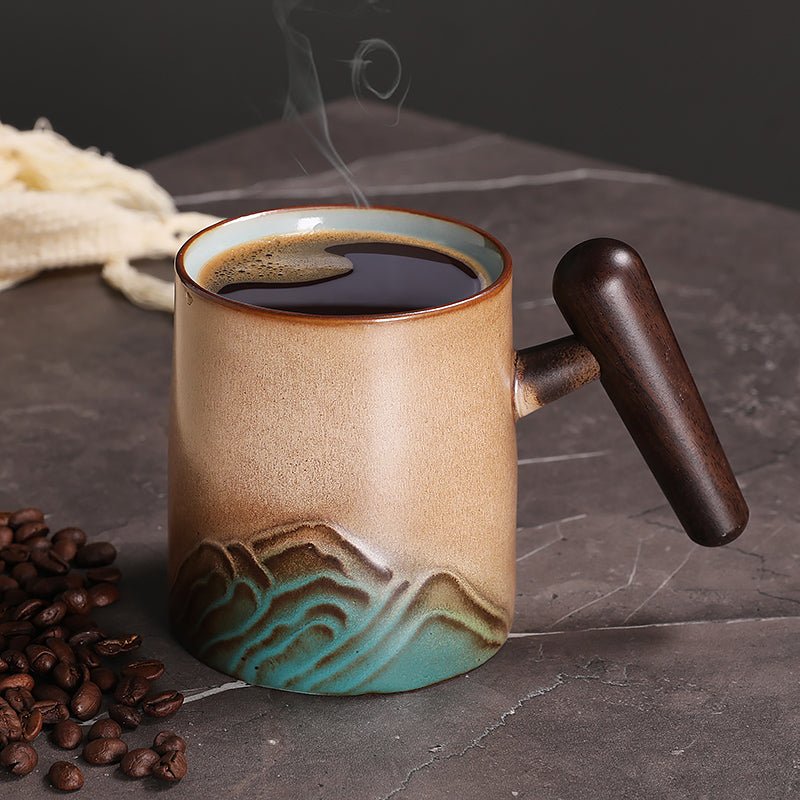
Bad Dragon Coffee Mug Meaning: What Buyers Should Know
A bad dragon coffee mug can signal a fandom joke, a novelty gift, or an adult-brand reference depending on the listing. Here is how to read the meaning, judge the quality, and decide if it is actua...
Czytaj dalej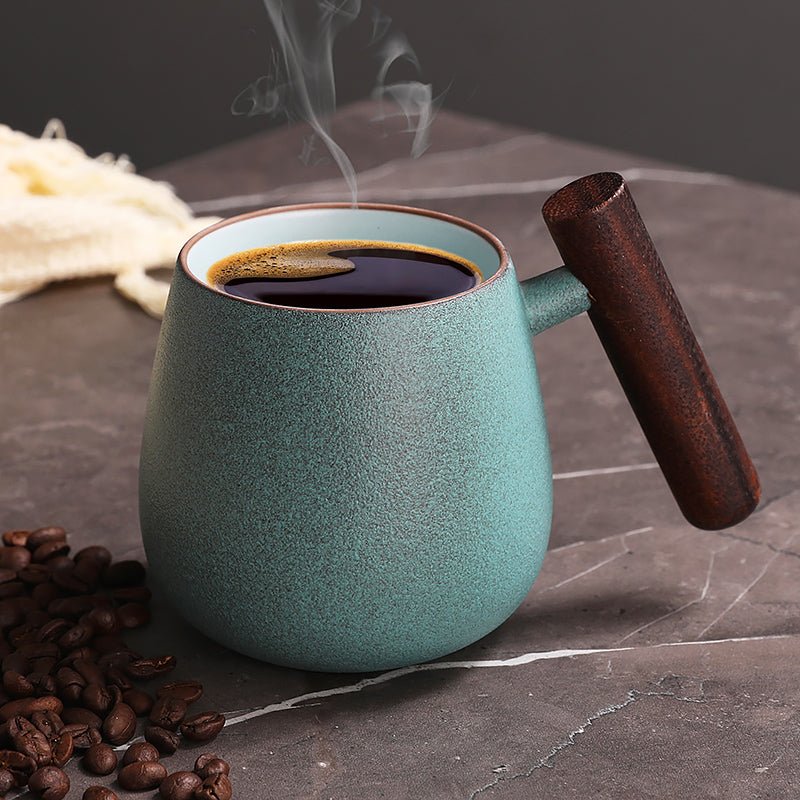
Coffee Pot Mug Buying Guide: What to Check Before You Buy
A coffee pot mug looks fun, but the useful ones still need a comfortable handle, stable base, and a shape that pours and drinks cleanly. Here’s how we judge the details before recommending one.
Czytaj dalej
Zostaw komentarz
Ta strona jest chroniona przez hCaptcha i obowiązują na niej Polityka prywatności i Warunki korzystania z usługi serwisu hCaptcha.