
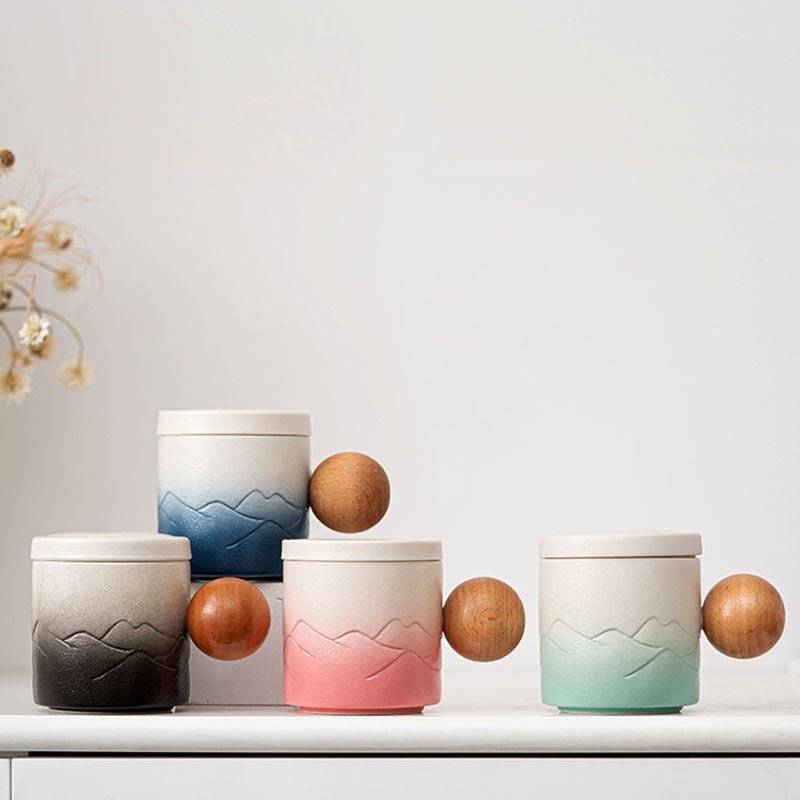
Best Ceramic Coffee Mug: How to Choose a Daily Cup That Lasts
Reading time: about 9 minutes
A mug can look right on a product page and still fail on a real counter. The handle can pinch, the rim can feel too thin, or the glaze can start showing coffee marks after a few wash cycles. That is why we judge the best ceramic coffee mug by how it behaves in daily use, not by looks alone.
At our store, we look for mugs that fit the way people actually drink coffee at home and at work. If you want to compare a few shapes quickly, start with the Pleated Coffee Tea Cup, the The Flow Coffee Tea Mug, and the Mountain Sea Coffee Tea Mug. If you want the broader range in one place, the full ceramic mug collection is the fastest way to compare styles.
What makes a ceramic mug the best choice for daily coffee?
Ceramic is still the most practical material for many home coffee routines because it feels solid, does not add flavor, and suits both coffee and tea. It is also the kind of cup people keep reaching for on a kitchen counter, at a desk, or beside a laptop because it does not demand much from you.
The trade-off is simple. Ceramic is not the best option if you need a mug for commuting, bag carry, or long heat retention without a sleeve. It is also less forgiving than insulated travel cups if you are the kind of person who leaves coffee untouched for half an hour. For a desk mug, though, ceramic usually wins on comfort and taste neutrality.
In our experience, the best ceramic coffee mug usually has three things going for it:
- A handle that clears two fingers without forcing your knuckles against the body.
- A glaze that feels smooth inside and around the rim, so coffee oils do not cling in patches.
- A base that sits flat and stable, with a finished foot ring that does not scratch a tray or table.
That is the standard we use when we think about everyday use. Not fancy. Just dependable.
Which of our ceramic mug styles fits different buyers?
People often ask for the best mug, but the better question is which mug matches the way you drink. A tall latte drinker, a tea refiller, and someone buying a gift do not need the same shape.
| Style | Best for | What to expect | Not ideal for |
|---|---|---|---|
| Pleated Coffee Tea Cup | Buyers who want a more tactile, dressed-up mug for home coffee or tea | The pleated exterior adds grip and visual texture, which helps it feel more considered on a kitchen shelf or gift table | Anyone who wants the simplest minimalist silhouette |
| The Flow Coffee Tea Mug | Daily drinkers who want an easy, relaxed mug for office desks and kitchen counters | The shape reads clean and modern, so it works well in a mixed mug cabinet without looking fussy | People who want a decorative piece to stand out on display |
| Mountain Sea Coffee Tea Mug | Shoppers who want something a little more expressive for gifting or personal use | The name and styling feel more character-driven, which can make the mug feel special when unboxed | Buyers who want a purely uniform set for stackable office use |
If you are buying for a small kitchen or a cramped coffee shelf, the shape matters as much as capacity. Our article on Best Ceramic Mug Size for a Small Coffee Corner goes deeper on what actually fits in narrow cabinets and tight counter setups.
How much capacity should you choose for coffee, tea, and refills?
Size is where a lot of buyers overthink or underthink the decision. Too small, and you are making repeat trips to the kettle. Too large, and the mug can feel bulky in the hand, especially when it is half full and cooling too fast.
For most shoppers, the right capacity depends on the drink and the setting:
- Smaller sizes work better for espresso-based drinks, short pours, and tea drinkers who refill often.
- Mid-range mugs suit drip coffee, lattes, and everyday home use.
- Larger cups make sense if you want one drink that lasts through a work block or a long morning at home.
If you want a size-first comparison, our 16 oz Ceramic Coffee Mug Buying Guide for Daily Use and 20 Ounce Ceramic Coffee Mug Buying Guide for Daily Use are useful because they compare how the same nominal size feels with drip coffee, milk-heavy drinks, and tea. We also cover fit, heat, and everyday handling in our 20 oz Ceramic Coffee Mug Buying Guide: Fit, Heat, and Care for shoppers who want a larger cup without guessing.
For buyers who drink coffee at a desk, one practical test helps more than any spec sheet: imagine the mug half full while you reach for a keyboard. If the handle feels awkward or the cup body crowds your hand, the size is probably not right.
What quality details should you inspect before you buy?
We handle enough mugs to know that the small details tell you more than the photos do. A ceramic mug can look polished and still have annoying flaws that show up after the first few uses.
Here is what we inspect and what shoppers should notice too:
- Rim finish: A smooth rim matters because it changes the drinking feel immediately. A sharp or uneven rim is the kind of defect you notice on the first sip.
- Glaze consistency: Look for an even finish inside the cup and around the outside. Pinholes, pooling, or rough specks can collect stains and make cleaning harder.
- Handle attachment: The handle should feel secure, not thin or fragile at the join. This is where cheap ceramics often fail first, especially after repeated handling and washing.
- Foot ring: A clean, even base keeps the mug stable. A rough foot can scratch a table and make the cup feel unfinished.
- Temperature behavior: Ceramic is comfortable in the hand, but it is not immune to thermal shock. Taking a mug from a cold cabinet straight to boiling water can stress the body and glaze over time.
The common wear modes are predictable: hairline crazing in the glaze, a chipped rim from sink contact, or a rough edge where a mug has been stacked too tightly. None of those belong in a mug that is meant for daily use.
We would rather sell a mug that feels honestly sturdy than one that tries to look delicate. A little weight is fine. A mug that feels fragile in the hand is usually not a mug that survives real kitchen use.
How do you keep a ceramic mug looking good after repeated use?
Good care is simple, but consistency matters. Coffee and tea leave residue faster than people expect, especially inside light-colored glaze. If you leave grounds or milk films sitting in the cup overnight, the cleanup gets harder the next day.
These steps keep ceramic mugs in better shape:
- Rinse the mug soon after use so stain rings do not settle on the interior.
- Use a soft sponge or cloth rather than an abrasive pad that can dull the glaze.
- Dry the mug before stacking it, especially if the shelf is tight and handles touch each other.
- Avoid sudden temperature changes, like moving from freezer-cold storage straight to boiling water.
- If a mug is marked dishwasher-safe on the product page or care label, use a gentle cycle and give it enough space so the rim and handle do not knock against other dishes.
That routine sounds basic, but it is what keeps a mug looking good on a kitchen counter after months of use. It also matters for office mugs, where repeated dishwasher cycles tend to show wear first around the rim, the handle edge, and the foot ring.
If your priority is daily convenience, our Ceramic Coffee Mug Buying Guide for Everyday Buyers is a solid companion read before you choose a shape.
What is the fastest way to compare options before you buy?
Start with how you actually use a mug, not how it photographs. Ask three questions: how much do you pour, where does the mug live, and how often will you wash it. That narrows the choice quickly.
If you drink one large morning coffee at a kitchen table, a larger, more relaxed shape may be right. If the mug sits beside a laptop all day, comfort and handle clearance matter more than decorative detail. If you are buying a gift, presentation and silhouette become more important because the unboxing moment is part of the purchase.
We see better decisions when buyers use this simple order:
- Pick the size you actually finish most days.
- Check the handle with your hand, not just your eye.
- Look at the rim and glaze for easy cleaning.
- Decide whether the mug is for home, office, or gifting.
- Choose a style that fits that use, then compare finish and feel.
That is why we keep pointing back to the collection page. You can compare shape and use case faster when the options sit side by side rather than scattered across tabs.
Frequently asked questions
Is a ceramic mug better than porcelain for everyday coffee?
For most daily coffee drinkers, ceramic is the more forgiving choice because it usually feels a little sturdier in the hand and has a more relaxed, everyday look. Porcelain can feel finer and lighter, but that also means it can be less tolerant of rough handling. If you want a mug for a kitchen, office desk, or casual gift, ceramic is often the safer default.
What size ceramic mug is best for drip coffee?
A mid-range mug is usually the most practical for drip coffee because it leaves enough room for a normal pour without feeling oversized. If you prefer cream or milk, a slightly larger cup can help keep the drink comfortable to sip without splashing. Our size guides linked above are the best place to compare 16 oz and 20 oz use in more detail.
Can ceramic mugs handle everyday dishwasher use?
Many can, but you should follow the care guidance for the specific mug. The safest general habit is to keep them spaced out in the rack, avoid heavy impact with other dishes, and skip harsh abrasive cleaners. If a mug is not marked for dishwasher use, hand washing is the better choice.
What should I look for if I am buying a ceramic mug as a gift?
Look for a shape that feels intentional, a glaze that looks even, and a handle that feels comfortable enough for daily use, not just display. Gift buyers often care about the unboxing moment, but the mug still needs to work at breakfast the next day. The Pleated, Flow, and Mountain Sea styles each give a different tone, so choose based on the person's taste rather than just the color.
How do I stop coffee stains from building up inside the mug?
Rinse the mug soon after use and wash it before residue dries on the glaze. A soft sponge usually handles fresh stains well, while older rings may need a little soaking time before cleaning. The faster you clean it, the less likely the interior glaze is to hold onto a visible tea or coffee line.
If you want the quickest next step, open the ceramic mug collection, compare handle comfort and shape first, then choose the size that matches the drink you finish most often. That gives you a better fit than shopping by looks alone.
Read more
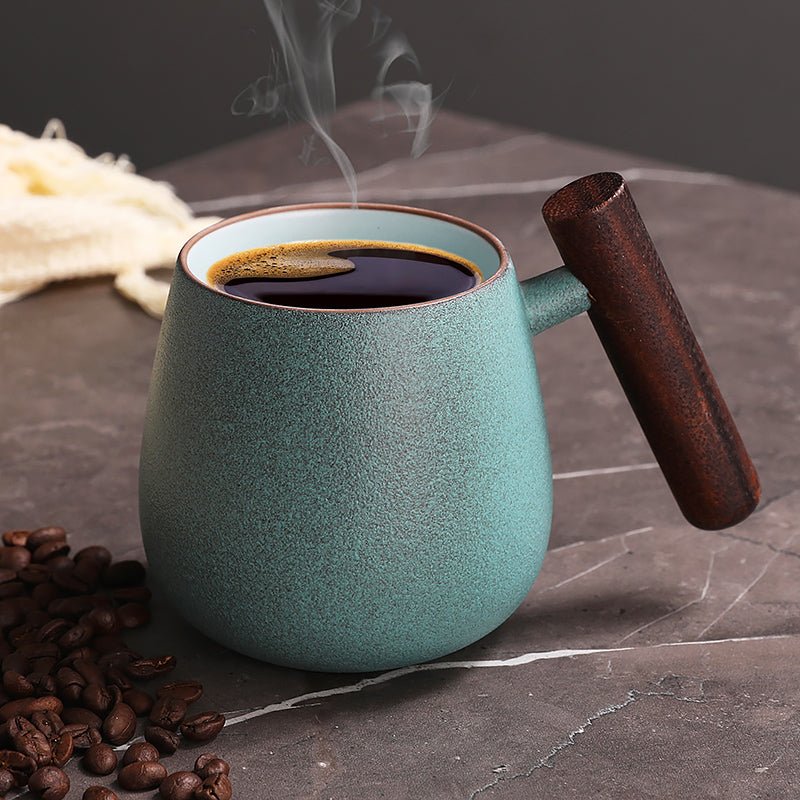
Pictures on Coffee Mugs: What Buyers Should Check First
Pictures on coffee mugs only work well when the mug style, image crop, and care routine match. We break down what to check before you buy so the mug looks good on day one and still holds up in real...
Czytaj dalej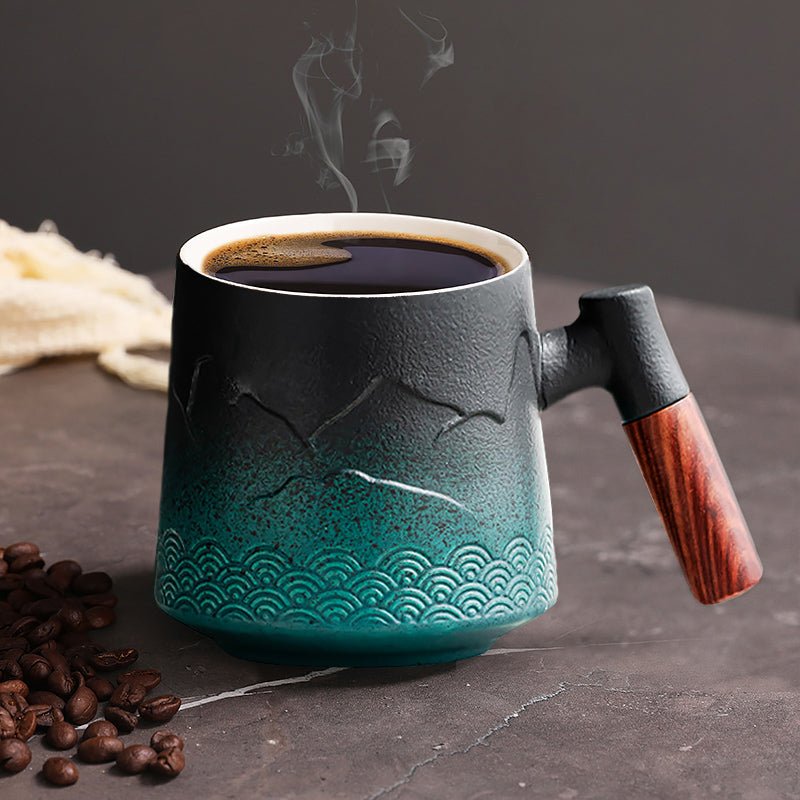
Turkish Coffee Mug Buying Guide: Fit, Handle, Heat, and Care
A practical guide to choosing a turkish coffee mug that pours well, feels steady in the hand, and holds up to daily use. We compare size, handle style, materials, and care so you can pick the right...
Czytaj dalej
Zostaw komentarz
Ta strona jest chroniona przez hCaptcha i obowiązują na niej Polityka prywatności i Warunki korzystania z usługi serwisu hCaptcha.