
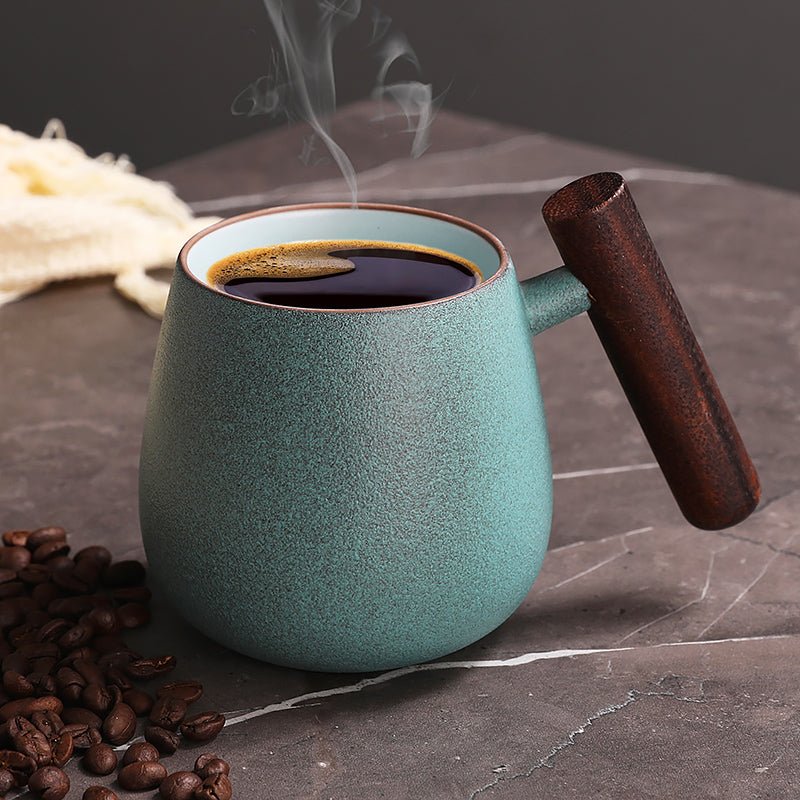
20oz Coffee Mugs: Size, Fit, and Buying Guide
Reading time: about 9 minutes
What changes when you move up to a 20oz mug?
A 20oz mug changes the whole routine at the counter. You pour once, sit down, and spend less time topping off a drink that disappears too fast. In our store, that is usually the reason shoppers move up from a 14oz or 16oz mug: they want fewer refills and more room for milk, foam, tea, or a long office session.
The trade-off is real. A larger mug takes more cabinet space, feels heavier when full, and can be awkward if you like a quick sip-and-go cup. It is also not the best choice for every coffee setup. A low-clearance pod machine, a narrow cup warmer, or a tiny sink ledge can make a big mug feel more annoying than useful.
If you are comparing sizes, our 16 Ounce Coffee Mugs: Size, Materials, and Fit Guide and 14 Ounce Coffee Mugs: Size, Fit, and Buying Guide help show where the step up starts to matter.
Which 20oz mug styles are we looking at?
We see three common buying paths in this category. Some shoppers want a straightforward everyday mug with a clean look. Others want a wooden-handle mug that feels easier to grip and looks a little more finished on a desk. That is where the current pieces in our shop make sense.
Start with the Green Waves Coffee Tea Mug if you want a simple, large-format mug that works for coffee and tea without much fuss. If you prefer a warmer, more tactile grip, look at the Mountain Sea II Coffee Tea Mug With Wooden Handle. For a similar feel with a softer, more minimal visual style, the The Cloud Coffee Tea Mug Wooden Handle is the kind of mug people keep by a laptop or reading chair.
To compare the full range in one place, browse our all collection.
Who is a 20oz mug actually best for?
A 20oz mug makes sense for shoppers who use their mug as a real working vessel, not just a quick caffeine stop. We usually recommend it for people who drink larger drip coffee pours, tea with room for milk or lemon, or blended drinks that need extra volume. It is also a good fit for home offices, where one mug sits beside a keyboard for a long stretch instead of being carried around constantly.
- Good fit: people who want fewer refills and prefer a mug that stays on the desk or kitchen counter.
- Good fit: gift buyers who want something that feels substantial and useful, not small or fragile.
- Not a great fit: people who need a mug that slips under a compact espresso machine or into a tight cup holder.
- Not a great fit: anyone who dislikes heavier mugs or prefers a lighter cup for one-handed carrying.
The weight question matters more than most buyers expect. A full 20oz mug can feel noticeably different in the hand than a 12oz or 14oz mug, especially if the wall thickness is solid or the handle is small. That is one reason we pay attention to handle shape and balance, not just capacity.
What should you check before buying one?
Capacity alone does not tell the whole story. Two mugs can both hold 20oz and still feel very different at the table. In our experience, the details that matter most are the rim, the handle, the base, and how the mug will actually be washed and stored.
| What to check | Why it matters | What to look for |
|---|---|---|
| Handle shape | A large mug is harder to use if the handle is too narrow or sits too close to the body. | Enough room for a comfortable grip, even when the mug is full. |
| Base stability | A wide mug with a narrow foot can feel top-heavy on a crowded desk. | A stable base that sits flat on counters and trays. |
| Rim and opening | The mouth shape affects sipping, stirring, and how easy it is to add milk or foam. | A rim that feels smooth and not overly thick at the lip. |
| Finish and care | Wooden handles, decorative surfaces, and glazed bodies age differently. | Clear care guidance and a finish that matches your daily use. |
Three common defect modes are worth watching for in any large mug category: a handle that feels loose or awkward under weight, a glaze line that looks uneven near the rim or foot, and a base that chips when it gets knocked into a sink or countertop. Those are not dramatic failures, but they are the first places a mug tends to show wear.
How do wooden-handle mugs compare with standard mugs?
Wooden-handle mugs change the experience more than the look. The grip feels warmer and more comfortable in the hand, especially if you dislike touching a fully glazed ceramic handle that has been sitting in a cold kitchen. They also tend to read as more giftable, which is why shoppers often choose them for birthdays, office gifts, and desk setups.
The trade-off is maintenance. Wood should not be treated the same way as a fully glazed mug body. We recommend avoiding long soaks, drying the handle after washing, and being careful about leaving any wooden component damp in a sink or dish rack. That is the difference between a mug that keeps its finish and one that starts to look tired early.
If you want the easiest upkeep, a simpler mug like the Green Waves Coffee Tea Mug is the safer day-to-day choice. If the feel of the handle matters more than low-maintenance washing, the wooden-handle styles make sense.
What drinks work best in a 20oz mug?
A 20oz mug shines with drinks that benefit from space. Black coffee, coffee with milk, tea with lemon, hot chocolate, and larger homemade lattes all fit better when the cup is not nearly full at first pour. That extra room also helps if you like stirring without sloshing liquid onto the rim.
- Best use: drip coffee with room for cream or milk.
- Best use: tea that needs space for a tea bag, slices of lemon, or added honey.
- Best use: desk drinks that stay in one place for a long stretch.
- Less ideal: espresso-based drinks served in a traditional compact style.
There is one practical limit: if you regularly drink small servings, a 20oz mug can make the drink feel diluted or oversized. Some shoppers like the look but end up reaching for a smaller cup on weekdays. That is exactly why we still point people to our smaller-size guides when they are undecided, especially the 16oz and 14oz comparisons.
How should you care for a large mug so it lasts?
Large mugs are usually simple to live with, but a little care goes a long way. We advise treating the mug as a daily tool, not a delicate display piece, while still respecting the weak points. The body and handle will age differently, especially if the mug has wood details.
- Rinse out coffee or tea soon after use so stains do not settle at the bottom.
- Wash the mug with a soft sponge instead of a harsh abrasive that can dull the finish.
- Dry the handle and base well before putting the mug away, especially if there is wood involved.
- Avoid repeated hard knocks against the sink, faucet, or countertop edge.
- Store it where the handle will not get wedged against another mug and chip over time.
That routine sounds basic, but it matters more for a 20oz mug than for a smaller cup. Bigger mugs get handled more forcefully because they are heavier. We see the most wear around the foot, handle attachment points, and any unfinished or textured accent material.
How do 20oz mugs compare with 16oz and 14oz mugs?
The simplest answer is that 20oz is for longer use and fewer refills, while 14oz and 16oz are easier to live with if you value lighter weight and tighter storage. If you drink a full mug once and set it down, 20oz can feel like the right move. If you move around the kitchen, answer emails, or top up frequently, a smaller mug can be the better fit.
Use this rough decision rule:
- Choose 20oz if you want a larger serving, more room for milk, or a mug that stays on the desk.
- Choose 16oz if you want a balanced everyday size with less weight and less cabinet demand.
- Choose 14oz if you want something compact, easy to hold, and still bigger than a standard small cup.
If you are still undecided, compare the larger-size articles in our blog library and then look back at the mug style itself. Capacity is only half the decision. Handle comfort, sink clearance, and cleaning habits often decide the winner.
Frequently asked questions
Is a 20oz coffee mug too big for daily use?
Not if you actually drink a larger serving or like room for milk and foam. It can feel oversized if you prefer a quick, small cup or need something easy to carry around the house. The right answer depends on how you drink, not just how much coffee you brew.
Do 20oz coffee mugs fit under most coffee machines?
Some do, some do not. Taller mugs and mugs with wooden handles can run into clearance issues under pod machines, espresso machines, or low coffee spouts. If your machine already feels tight with a 12oz mug, a 20oz option is usually a poor fit.
Are wooden-handle 20oz mugs dishwasher safe?
We recommend checking the care guidance for the specific mug and treating wooden parts gently either way. Wood does not love repeated soaking or aggressive heat, so hand washing and quick drying are the safer route. That keeps the handle looking better for longer.
What is the best drink for a 20oz mug?
Drip coffee, tea with add-ins, hot chocolate, and milk-based drinks all work well. The extra room makes stirring easier and reduces the chance of spilling when the mug is full. It is less ideal for small espresso drinks that are meant to be served in compact cups.
How do I choose between a 16oz and a 20oz mug?
Pick 16oz if you want a lighter, easier everyday mug and 20oz if you want fewer refills and more room in the cup. If your mug lives on a desk all morning, 20oz can be the better working size. If you carry it around the kitchen a lot, 16oz is usually more comfortable.
What is the quickest way to choose the right one?
Start with the mug's daily job. If it will sit on a desk and hold a bigger pour, a 20oz mug makes sense. If it needs to fit under a machine, move often, or stay light in the hand, step down a size.
For the fastest path, do this:
- Check your machine clearance and cabinet space.
- Decide whether you want a standard handle or a wooden-handle feel.
- Choose the mug style that matches how often you wash it.
- Then browse the full range in our all collection and pick the shape that fits your routine.
If you want a practical starting point, compare the Green Waves Coffee Tea Mug against the wooden-handle options, then decide whether your priority is easier care or better grip.
More from our blog
Read more
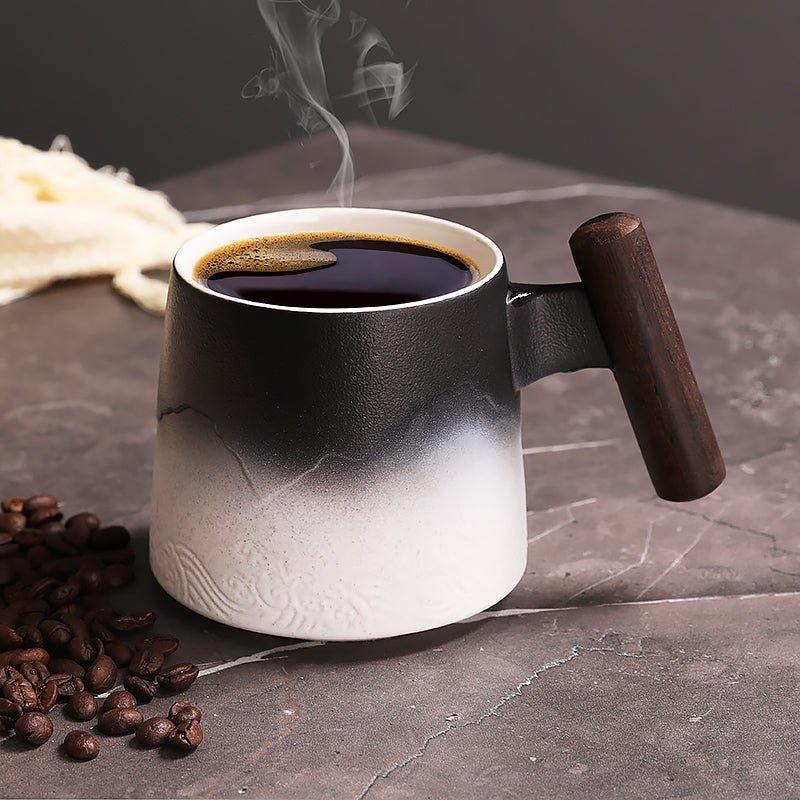
Mug Coffee and Clay: What Buyers Should Know Before Choosing
A practical look at mug coffee and clay, including how clay changes heat, weight, feel, and daily use. We compare real trade-offs so you can choose a mug that fits your routine, not just your shelf.
Czytaj dalej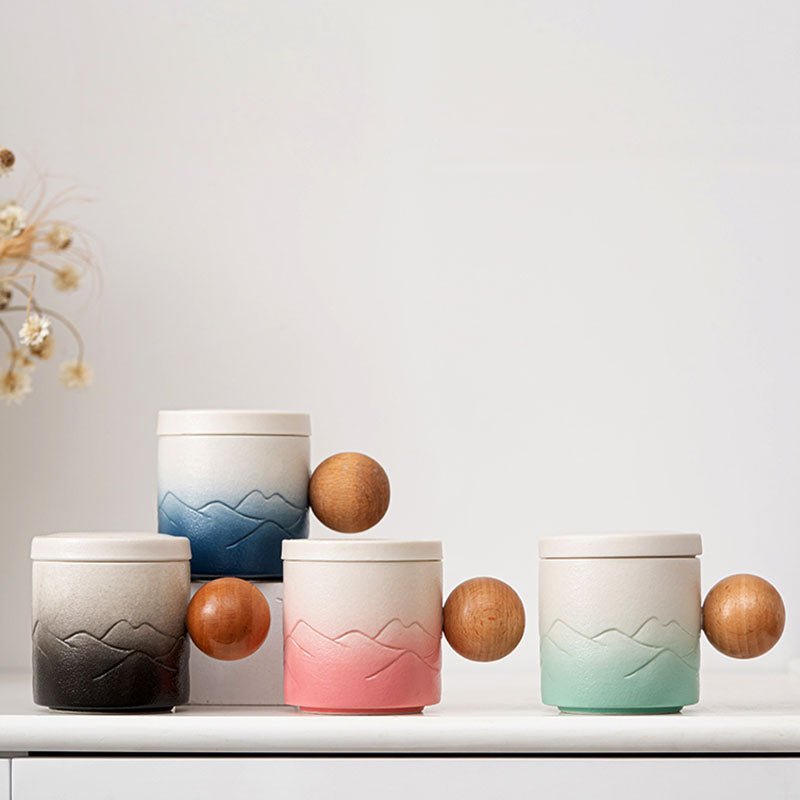
Polish Pottery Coffee Mug Buying Guide for Daily Use
A practical guide to choosing a polish pottery coffee mug that feels good in hand, holds up to daily use, and matches the way you actually drink coffee. We cover glaze, weight, handle shape, care, ...
Czytaj dalej
Zostaw komentarz
Ta strona jest chroniona przez hCaptcha i obowiązują na niej Polityka prywatności i Warunki korzystania z usługi serwisu hCaptcha.