
14 Ounce Coffee Mugs: Size, Fit, and Buying Guide
Reading time: about 10 minutes
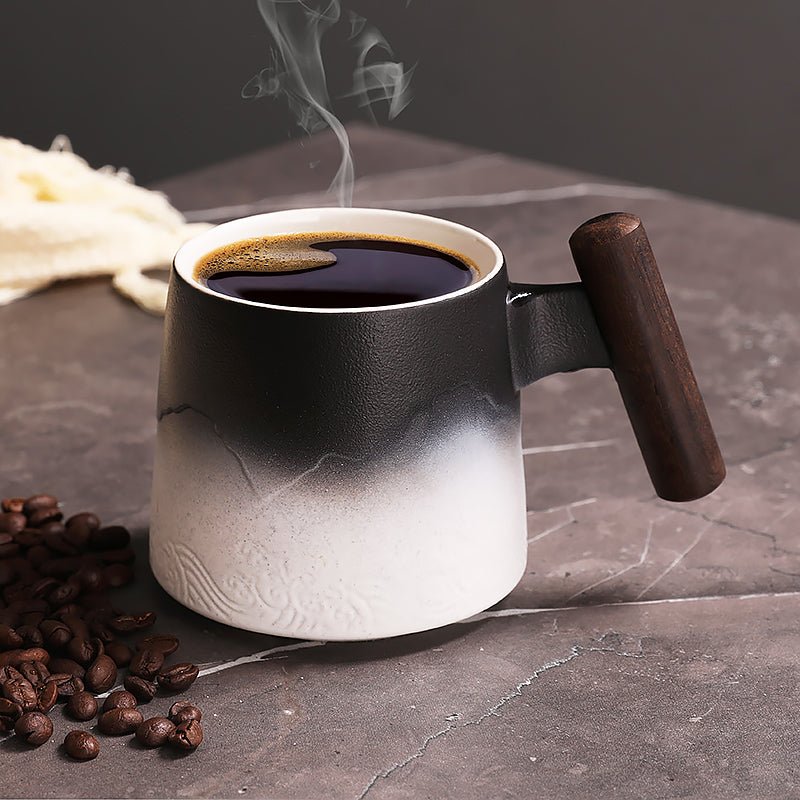
A 14 ounce mug sits in the middle of the size range for a reason: it holds more than a standard 11 or 12 ounce cup, but it does not feel oversized on a desk or kitchen counter. We see shoppers pick this size when they want a little extra coffee, tea, or cocoa without moving into the bulk of a travel-style mug.
That middle ground is useful, but only if the mug shape and material match how you actually drink. A 14 ounce mug can feel perfect for a pour-over refill, awkward for a tight espresso setup, or too tall for a low cabinet shelf. Those small fit issues are what we help customers sort out before they buy.
What does a 14 ounce coffee mug actually hold?
Fourteen ounces is enough for a generous single serving or a smaller refill. In real use, that usually means one strong mug from a drip machine, a larger tea pour, or a coffee drink with room for milk. It is not a giant cup, but it gives you more flexibility than a 12 ounce mug when you want a splash of creamer or foam.
In our store, we look at two measurements, not one: listed capacity and usable drinking comfort. A mug can be labeled 14 ounces and still feel very different depending on the shape of the body, the width of the rim, and how high the handle sits. A wider mug often feels shorter and more stable, while a taller mug can feel slimmer in the hand and may fit better under some coffee makers.
If you are comparing sizes, it helps to read our other size guides alongside this one. The 12 Ounce Coffee Mug Buying Guide: Size, Fit, and Best Uses is useful if you are deciding whether you really need the extra room, and the 16 Ounce Coffee Mug Buyer’s Guide: Size, Material, and Fit shows what changes once you move into a larger everyday cup.
Who is a 14 ounce mug best for?
This size fits a lot of everyday routines. We see it work well for home brewers, office desks, and gift buyers who want something practical rather than oversized or novelty-driven. It is also a common sweet spot for people who like a full coffee with milk but do not want a heavy ceramic mug packed to the rim.
Here are the most common use cases we see:
- People who drink one full coffee and want a little extra room for creamer or froth.
- Desk setups where you want a larger mug that still sits comfortably beside a laptop.
- Gift buyers who want a size that feels useful instead of decorative only.
- Tea drinkers who steep loose-leaf tea and want capacity without a huge cup.
It is not the best choice for every buyer. If you want a mug that feels compact and easy to warm in a small microwave, an 8 ounce or 12 ounce mug may fit better. If you routinely top up with a second pour or like a large latte-style drink, a 16 or 20 ounce mug may make more sense. Our 20 Ounce Coffee Mugs: What Buyers Should Check Before Ordering covers the trade-offs on the larger end.
Which materials make the most sense for daily use?
For most shoppers, ceramic is the default choice because it balances weight, heat retention, and easy cleaning. A good ceramic 14 ounce mug feels solid in the hand without being overly heavy, and it usually handles daily dishwasher cycles well if the glaze and print are made for repeated use. Stoneware gives a similar feel, often with a more handmade look and a slightly denser body.
Porcelain is another option if you want a cleaner, lighter profile. It tends to look more refined and can feel thinner at the rim, which some drinkers prefer. The trade-off is that it can feel a little more delicate, especially if you are rough on dishes or stack mugs tightly in a cabinet.
We are careful about what we recommend here because material affects long-term use. A mug with a glossy glaze may hide marks better, while a matte surface can show coffee contact or hand oils more easily. Printed designs are also worth checking. A design that looks sharp on day one is not useful if it fades after a few dishwasher cycles, so we always look for clear care guidance before we list a mug in our store.
For shoppers building a full set, our all products collection is the easiest place to compare shapes, sizes, and styles side by side.
What should you check before buying a 14 ounce mug?
The listed capacity is only the starting point. We recommend checking the details below because they affect whether the mug feels right on your shelf, under your machine, and in your hand.
- Height and width: A 14 ounce mug with a tall body may not fit under a single-serve brewer or low cabinet lip.
- Rim thickness: A thinner rim often feels better for sipping, while a thick rim can keep the mug feeling sturdy but less refined.
- Handle clearance: Big enough for two fingers is not the same as comfortable for two fingers. We look for handle space that does not pinch when the mug is full.
- Base stability: A slightly wider foot helps prevent wobble on crowded desks and kitchen counters.
- Care instructions: Dishwasher-safe and microwave-safe are useful, but the print, trim, and glaze still matter for long-term wear.
We also check for the small defects that frustrate buyers after delivery. Uneven glaze at the rim, handles that lean slightly, rough spots on the underside, and warped bases are all more noticeable in daily use than they seem in product photos. Those issues do not always make a mug unusable, but they do affect the feel of the cup in hand. If you are buying for a gift, those details matter even more because the unboxing experience is part of the product.
Our rule of thumb: if a mug looks good only from one angle, it probably is not the right mug.
How does 14 ounces compare with 12, 16, and 20 ounces?
The easiest way to think about 14 ounce coffee mugs is as the practical middle. It is larger than a basic everyday cup, but not so large that it starts to dominate the hand or the cabinet.
| Size | Best for | Main trade-off |
|---|---|---|
| 12 oz | Standard drip coffee, smaller hands, compact storage | Less room for milk, foam, or a second pour |
| 14 oz | Daily coffee with room to spare, office use, gift buyers | Not ideal if you want a very large serving |
| 16 oz | Longer drinks, bigger pours, people who like extra headroom | Can feel bulky on smaller desks or in tighter cabinets |
| 20 oz | Large lattes, long work sessions, fewer refills | More mug than some buyers need for everyday coffee |
If you are still unsure where to land, read the 8 Ounce Coffee Mugs: What Buyers Should Check Before Ordering to see how far compact sizes go, then compare it with the 16 ounce article above. That makes the 14 ounce size easier to judge because you can see exactly what you gain and what you give up at each step.
What do we see in real kitchens and offices?
In our experience, the 14 ounce mug is strongest in ordinary routines, which is exactly why many shoppers end up choosing it. On a kitchen counter, it holds enough coffee to feel satisfying without forcing you to overfill. At an office desk, it usually clears the line between useful and intrusive. And as a gift, it feels like something the recipient can actually use the next morning, not just display.
That said, this size is not ideal for every setting. If your coffee station has a very short machine clearance, a taller 14 ounce mug may not work well. If you are trying to match a compact cupboard full of small mugs, a 14 ounce piece can look and feel mismatched. If you want a mug for soup, oatmeal, or oversized beverages, you may be happier moving up to a larger format.
We also tell buyers not to ignore weight. A dense ceramic 14 ounce mug can feel reassuring, but if it is too heavy when empty, it becomes more tiring when full. That matters for anyone with limited grip strength or anyone who drinks several mugs a day. The right mug should disappear into the routine, not demand attention every time you lift it.
How should you care for a 14 ounce mug?
Care depends on the material and finish, but a few habits help most mugs last longer. We recommend rinsing coffee and tea stains before they sit too long, especially on white or lightly glazed surfaces. For dishwasher-safe mugs, place them where they will not knock against other dishes during the cycle. For printed designs, avoid abrasive scrubbers that can dull the artwork or the glaze.
Microwave use is common, but not every mug handles it equally well. A mug with metallic trim should never go in the microwave. A thick ceramic mug can get hot at the handle if it stays in for too long. If you are reheating coffee often, a simple, fully glazed ceramic mug is usually the least fussy choice.
If you are buying several mugs at once, consistency matters. Handles should feel similar from mug to mug, rims should be smooth, and the feet should sit flat. Those small details are what separate a mug that looks nice online from one that becomes the mug you reach for every day.
Frequently asked questions
Is a 14 ounce coffee mug too big for everyday use?
No. For many buyers, it is the most practical middle size because it gives extra room without becoming bulky. It works well for standard coffee with milk, tea, and cocoa. If you drink smaller servings, though, 12 ounces may feel cleaner and easier to finish.
Will a 14 ounce mug fit under my coffee maker?
Sometimes, but not always. Fit depends on the mug height, not just the capacity. Check the brewer clearance before ordering, especially if your machine has a low spout or drip tray. A shorter, wider 14 ounce mug is usually safer than a tall, narrow one.
Are 14 ounce coffee mugs good for gifts?
Yes, because they are easy to use and not too specialized. They feel more generous than a small mug without being oversized for most kitchens. If you are gifting, look for smooth glaze, a comfortable handle, and care instructions that make the mug easy to live with.
What material is best for a 14 ounce mug?
Ceramic is the most common choice for daily use because it is sturdy, easy to clean, and comfortable to hold. Stoneware works well if you want a heavier, more substantial feel. Porcelain is a good option if you prefer a lighter mug with a thinner rim.
What should I avoid in a 14 ounce mug?
We would avoid a mug with a narrow, cramped handle, a wobbly base, or unclear care instructions. You should also be cautious with rough glaze, sharp rim edges, and decorative finishes that are not meant for dishwasher or microwave use. Those are the details that tend to annoy buyers after the first week.
What is the best next step if you want to buy one?
If you are ready to compare, start by checking the mug height, handle comfort, and care instructions against how you actually drink coffee at home or at work. Then compare 14 ounce options with 12 and 16 ounce alternatives so you can see whether you want a tighter, standard fit or a little more room.
From there, browse our products page for current 14 ounce coffee mugs and related styles, or use the all products collection if you want to compare size, shape, and finish in one place.
More from our blog
Read more
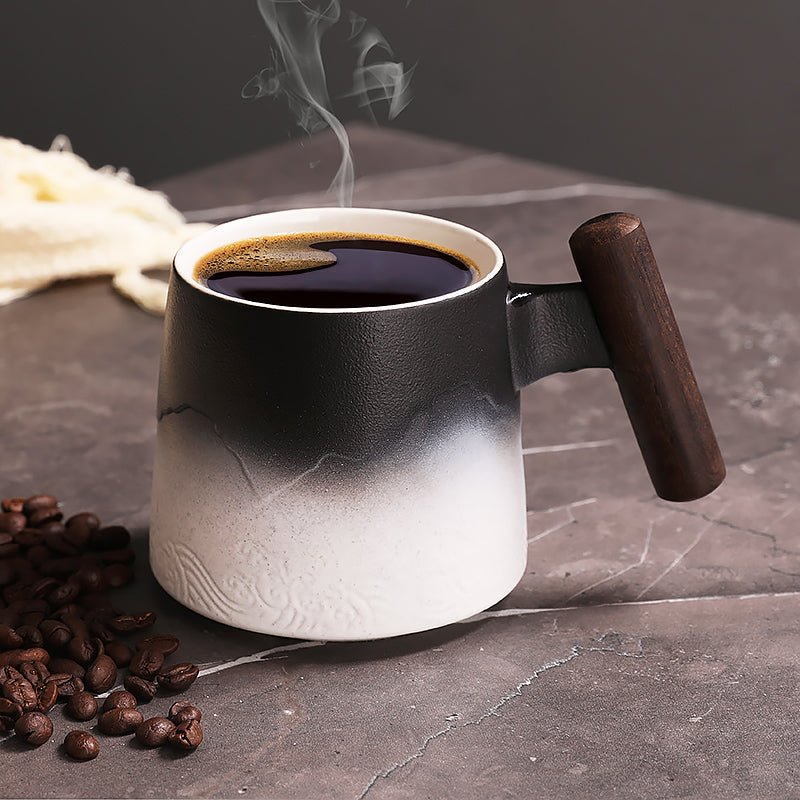
Rabbit Coffee Mugs: How to Choose the Right One
Rabbit coffee mugs look simple online, but the real differences show up in the handle, weight, print placement, and how they hold up after washing. This guide covers size, materials, gifting, and c...
Czytaj dalej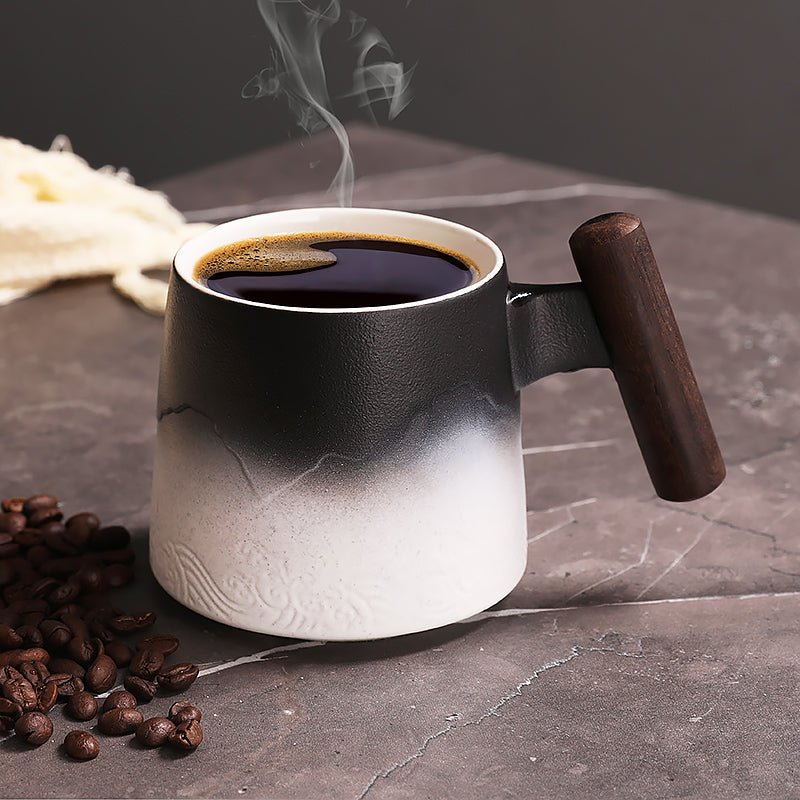
Coffee Mug Size Guide: How to Choose the Right Fit Before Buying
Coffee mug size changes how hot your drink stays, how the mug feels in hand, and whether it suits drip coffee, lattes, or desk use. We break down the sizes we actually recommend.
Czytaj dalej
Zostaw komentarz
Ta strona jest chroniona przez hCaptcha i obowiązują na niej Polityka prywatności i Warunki korzystania z usługi serwisu hCaptcha.