
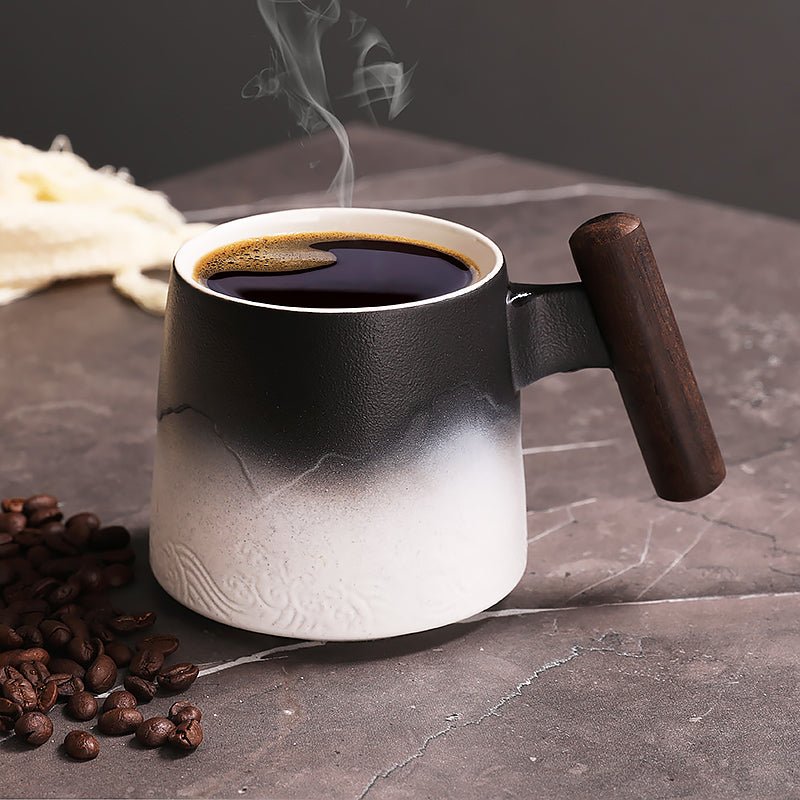
12 oz Coffee Mug: Size, Fit, and What to Check Before Buying
Reading time: about 7 minutes
A 12 oz coffee mug usually feels right at a desk because it holds a full pour without turning the cup into a two-handed bowl. It is big enough for a real morning coffee, but small enough to fit most cabinets, dish racks, and office setups.
Best next step if you want a 12 oz mug now
If you are done comparing fit and capacity and just want the shortest next route, choose the shopper path, sample path, or forwardable buyer path now instead of opening more tabs.
- Pick a Mug Fast if you want the shortest compare before choosing a live product or starter set.
- Add the Round Mug to cart if you want the safest everyday-use first order without more reading.
- Open the Museum Shop Mug Sample Set if this visit is really about buyer review, sample review, or retail forwarding.
- Open the Editor & Buyer Asset Packet if you need one forwardable page with live links, product images, and buyer contact details.
If you want the measurement side first, 10 oz coffee mug guide, and 15 oz coffee mug guide can help you compare nearby sizes before using a cart route.
That balance is why we see so many shoppers land on this size after comparing smaller 10 oz and 11 oz options with larger 15 oz mugs. If you want a mug that works for everyday drip coffee, tea, or a short latte, a 12 oz coffee mug is often the middle ground worth checking first.
What does a 12 oz coffee mug actually hold?
Nominal size and everyday use are not the same thing. A mug labeled 12 oz is usually measured to the rim, which means the usable pour is often a bit less once you leave room for coffee, milk, foam, or a safe carry margin.
In practical terms, a 12 oz mug is a good fit for:
- A standard drip coffee pour with enough space left so you are not sipping from the edge.
- Tea, hot chocolate, or Americano drinks that do not need a huge bowl-like cup.
- Office use, where the mug should feel stable on a desk and not dominate the workspace.
Many 12 oz ceramic mugs sit roughly in the 3.5 to 4 inch height range with a mouth that lands around the mid-3 inch range, though exact dimensions vary by shape. That is why we always tell buyers to check both capacity and footprint, not just the ounce number.
How does a 12 oz mug compare with 10 oz, 11 oz, and 15 oz sizes?
If you are splitting hairs between common mug sizes, the difference shows up fast in daily use. A 10 oz mug can feel compact and neat, but it may run short if you add milk. An 11 oz mug gives a little more room, while 15 oz starts to feel noticeably larger on a counter and in the hand.
We have separate size guides that help with that comparison. If you are still deciding, look at our 10 oz Coffee Mug: Size, Fit, and What to Check Before You Buy and 11 oz Coffee Mug: Size, Fit, and What to Check Before You Buy articles first. If you already know you want more volume, our 15 oz Coffee Mug: Size, Fit, and What Buyers Should Check guide is the better side-by-side comparison.
| Size | Best for | Main trade-off |
|---|---|---|
| 10 oz | Smaller servings and a lighter feel | Less room for milk or foam |
| 11 oz | Standard coffee with a little extra space | Still compact for larger drinks |
| 12 oz | Balanced everyday use | May feel tight for oversized lattes |
| 15 oz | Big pours and long work sessions | Takes more cabinet and hand space |
For many shoppers, 12 oz is the point where a mug stops feeling delicate and starts feeling practical without becoming bulky. That is the appeal.
What materials and build details should you check first?
The label says a lot less than the mug itself. A well-made mug should feel balanced, sit flat, and have a handle that does not force your fingers into an awkward grip. In our experience, the details you can feel in the hand matter more than the marketing copy on the box.
Here is what we check when we handle mugs in our store:
- Material: Ceramic and stoneware usually feel heavier and hold heat longer than very thin porcelain. That can be a plus for desk use, but it also means the mug can feel warm on the outside after a fresh pour.
- Glaze: The interior should be smooth and even. Pinholes, rough spots, or an uneven glaze line can make a mug feel cheap and can be a warning sign for durability problems.
- Handle clearance: A good handle should give three to four fingers room without scraping your knuckles against the mug wall. If you use a fuller grip, this matters more than capacity.
- Base stability: A flat foot ring helps the mug sit securely on a counter or desk. A wobbly base is more than annoying; it raises spill risk.
- Finish and decoration: If a mug has metallic accents, heavy decals, or raised texture, check the care instructions closely. Those details can change dishwasher and microwave suitability.
Common defects we watch for include hairline cracks near the handle join, uneven rims that catch on the lip, and glaze pooling around the foot. Those are not details to ignore. They affect daily use more than the artwork on the outside.
Who is a 12 oz mug best for, and who should choose something else?
A 12 oz coffee mug is a strong fit for people who want a normal-looking mug that does not demand extra shelf space. It works well for single-cup coffee makers, office desks, and gifts because the size feels familiar without being oversized.
In our experience, it is especially useful for:
- People who drink one cup at a time and do not want leftovers cooling off in a giant mug.
- Shoppers buying a gift and needing a safe, practical size instead of a novelty oversized cup.
- Households that want one mug size that works for coffee, tea, and hot cocoa.
It is not the best choice if you want a huge milk-forward latte, a breakfast mug that doubles as a soup bowl, or a travel-style cup for commuting. If that is your use case, a 15 oz or 20 oz mug may make more sense. For shoppers who want to compare larger options, our 20 oz Coffee Mug: What to Check Before You Buy and 24 oz Coffee Mug: What to Check Before You Buy posts explain where the bigger sizes start to become useful.
There is also a simple trade-off to keep in mind: a 12 oz mug is easier to store, but it leaves less buffer if you top your drink with cream, foam, or sugar and still want a safe carry margin.
How should you shop our mugs if you want the right fit?
If you are comparing styles, our product page is the fastest place to review what is currently available, and the full all collection lets you scan finishes and shapes in one place. We recommend comparing the mug profile, handle shape, and care notes before you choose.
- Check the listed capacity and confirm it is measured the way you expect.
- Look at the photos for wall thickness, handle size, and rim shape.
- Read the care notes for dishwasher, microwave, or hand-wash guidance.
- Decide whether you want a heavier stoneware feel or a lighter ceramic profile.
- Compare the mug against a smaller or larger size guide if you are still undecided.
If you want a tighter comparison before buying, our How Many Oz Is a Coffee Mug? Common Sizes and What Fits Best article is useful for figuring out where 12 oz sits relative to the rest of the category.
Frequently asked questions
Is a 12 oz coffee mug enough for a normal cup of coffee?
Yes, for most drip coffee drinkers it is a solid everyday size. It usually gives enough room for a standard pour plus a little headspace, which matters if you add cream or carry the mug from the kitchen to a desk. If you like very large drinks, though, it can feel small.
How full should I fill a 12 oz coffee mug?
We usually recommend leaving some space at the top instead of filling it to the rim. That makes the mug easier to carry and reduces spill risk, especially if the drink is hot or topped with milk foam. A full rim-to-rim fill leaves no margin.
Is a 12 oz coffee mug good for lattes?
It can be, but only for shorter or lighter lattes. If you prefer a larger milk ratio or a more generous foam cap, 12 oz can feel tight. Many latte drinkers end up happier in a 15 oz mug because it leaves more room for the drink to breathe.
What is the best material for a 12 oz coffee mug?
Ceramic and stoneware are the most practical choices for everyday home or office use. They feel sturdy, are easy to store, and usually hold heat well enough for a normal coffee break. If you want something lighter or more delicate, porcelain can work, but it may not feel as grounded in the hand.
Should I choose 12 oz or 15 oz?
Choose 12 oz if you want a compact daily mug that fits standard coffee portions. Choose 15 oz if you routinely add milk, prefer bigger pours, or want fewer refills. If you are buying for a shared kitchen or a gift, 12 oz is usually the safer all-around pick.
If you want the easiest next step, compare the shape and care notes on our all collection, then cross-check the size guides for 10 oz, 11 oz, and 15 oz before you pick the mug that fits your counter and your coffee habit.
More from our blog
Read more
Black Coffee Mugs: How to Choose the Right Size, Finish, and Material
Black coffee mugs are a practical pick for everyday use, gifting, and office setups, but the right size, finish, and material matter more than color alone. We break down what to check before you bu...
Czytaj dalej
Caribou Coffee Mugs: What Buyers Should Check Before Ordering
Caribou coffee mugs look simple on a listing, but size, handle shape, glaze, and care can change how they work on a real kitchen counter. We break down what to check before you buy.
Czytaj dalej
Zostaw komentarz
Ta strona jest chroniona przez hCaptcha i obowiązują na niej Polityka prywatności i Warunki korzystania z usługi serwisu hCaptcha.