
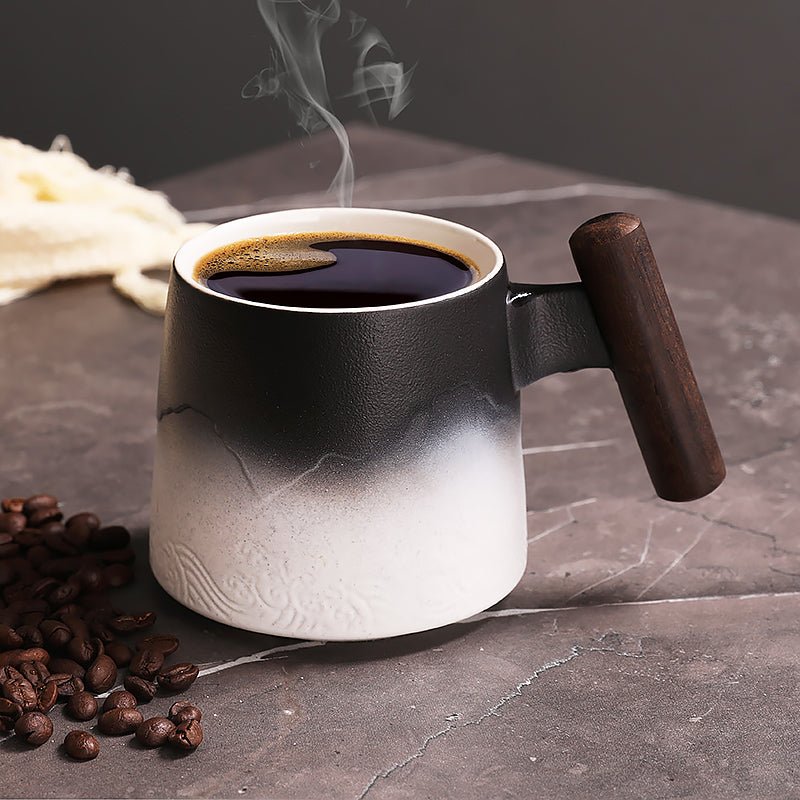
Yeti Rambler Coffee Mug: What Buyers Should Check Before Ordering
Reading time: about 9 minutes
A handled coffee mug looks simple until you try to use it every day. The first complaint we hear is usually not about the drink itself. It is about fit: too big for the car cup holder, too small for the commute, too awkward to wash, or a lid that does not match the way the buyer actually drinks coffee.
That is why people searching for a yeti rambler coffee mug usually want more than a product name. They want to know if the size works on a desk, if the lid helps or gets in the way, and whether the mug is worth choosing over a standard ceramic cup. We handle those questions in our store all the time, especially when buyers are comparing insulated mugs, handled travel mugs, and everyday desk mugs.
If you are still comparing options, start with our broader mug range at our products page and our full collection. That makes it easier to compare a hard-use insulated mug against simpler everyday choices.
What does a Yeti Rambler coffee mug actually solve?
The main reason shoppers choose a Yeti Rambler style mug is simple: they want a cup that holds heat longer than a plain ceramic mug and can survive rougher daily use. That usually means a double-wall stainless steel body, a lid system, and a shape built for commuting, camping, or desk use rather than formal table service.
In practice, that makes a difference in real life. We see buyers reach for this category when they drink slowly at a desk, take coffee between meetings, or want a mug that can handle a bag, a bumpy drive, or an office dishwasher cycle without feeling fragile. It is not the right answer for every coffee drinker, but it is a strong fit for people who hate reheating coffee two or three times a morning.
For readers who are mostly trying to pick a size, our related guides on the YETI Coffee Mug 14 oz and the YETI Coffee Mug 20 oz cover the most common size decisions in more detail.
Which size should you pick for daily use?
Size is usually the real purchase decision. A mug can look right online and still feel wrong once it lands on a real desk or in a real hand. The most common mistake is buying a capacity that sounds practical but is awkward for the way the person drinks coffee.
Here is how we usually frame it in our store:
- 10 to 11 oz works well for smaller morning pours, espresso-based drinks, or people who want less thermal mass and a lighter feel in hand.
- 14 oz is often the sweet spot for buyers who want a standard coffee serving without a bulky footprint.
- 20 oz suits long desk sessions, big pour-over servings, or commuters who would rather refill less often.
If the buyer wants a compact coffee mug that still feels substantial, the Yeti 14 oz Coffee Mug guide is worth a look. If they are closer to a larger workday mug, our YETI Coffee Mug 14 oz and Yeti Coffee Mug Review help explain the trade-offs between portability and capacity.
One concrete detail buyers overlook: the mug’s overall footprint matters almost as much as the ounce count. A wide base can feel secure on a table but take up too much space beside a keyboard, on a crowded office desk, or in a narrow cabinet. That is why we always ask where the mug will actually live.
Does the lid style matter more than the mug body?
For many people, yes. The body determines heat retention and durability, but the lid determines daily usability. A lid that seals well but is annoying to open is a poor fit for a frequent sipper. A lid that is easy to drink from but splashes too easily is also a problem.
When buyers compare handled insulated mugs, we usually tell them to think through three things:
- How they drink - slow sips at a desk, fast coffee between meetings, or walking around the house.
- How often they refill - one mug in the morning, or repeated top-offs through the day.
- How often they clean it - hand wash only is fine for some buyers, but not for anyone who wants a low-effort routine.
The Yeti Coffee Mug with Handle article goes deeper on handle feel, grip, and lid-related trade-offs. That matters because a handle can improve control, but it can also make storage less compact and can catch on crowded dish racks or cabinet shelves.
We have also seen buyers pick the wrong lid style for hot coffee. If someone prefers sipping from a fully open rim like a traditional mug, a travel-focused lid can feel too closed off. If they move around a lot, the opposite is true. That is not a small detail. It changes whether the mug feels pleasant or annoying every single morning.
What material and build details should buyers check?
The category is usually dominated by stainless steel insulated construction, often with a double-wall design. That is the right choice for durability and temperature control, but it comes with trade-offs. It can be heavier than ceramic, and it does not have the same quiet, classic feel on a table.
Here are the details we tell shoppers to check before buying any Yeti Rambler style coffee mug:
- Body material: stainless steel is durable and practical, but it changes the drinking experience compared with ceramic.
- Lid fit: a tight lid reduces spills, but the best lid for commuting may not be the best lid for desk sipping.
- Handle shape: some handles fit two or three fingers comfortably, while others are more decorative than useful.
- Finish: powder-coated or painted finishes can improve grip and appearance, but they may show wear differently over time.
- Cleaning access: wide openings are easier to scrub, especially after milk drinks that leave residue.
We do not pretend every buyer needs stainless steel. If you drink black coffee at home and want a lighter, quieter, less expensive-feeling mug, a simpler ceramic option may be the better fit. That is why our buyers often cross-shop a premium insulated mug against everyday formats like a 10 oz Coffee Mug or 11 oz Coffee Mug.
Our experience is that the best mug is not the toughest one on paper. It is the one that matches the buyer's routine without forcing a change in habits.
What are the common downsides of a Yeti Rambler coffee mug?
This is where honest buying advice matters. A Yeti Rambler coffee mug is not the best option for everyone, even if the marketing around insulated drinkware makes it sound universal.
Common trade-offs include:
- More weight than a basic ceramic mug.
- Less tableware charm if you want something that looks soft, traditional, or decorative on a breakfast table.
- Potential lid friction if the buyer dislikes extra pieces to assemble and wash.
- Storage issues if cabinet space is tight or the mug is too tall for a shelf or coffee station.
There is also a practical limitation: insulated mugs are not automatically better for every beverage. If someone wants latte art visibility, a wide ceramic cup may be a better tool. If they want a mug for soup, cocoa, or an all-purpose kitchen cup, a handle and lid may help, but the insulated form factor may feel overbuilt.
For shoppers who want the feel of a handled mug but are not committed to a specific premium brand, our Yeti Travel Coffee Mug guide is also useful because it compares carry convenience with everyday desk use.
How should you compare it before ordering?
The simplest way to avoid buyer regret is to compare the mug against the actual daily use case, not the product photo. We recommend checking the following before placing an order:
- Measure the space where it will sit: desk, cup holder, drying rack, or cabinet shelf.
- Decide on the usual drink size: small coffee, standard mug pour, or large workday refill.
- Choose your cleaning tolerance: easy-rinse daily use or more involved hand washing.
- Think about temperature needs: short coffee break, long meeting, or all-morning sipping.
- Compare it with simpler mugs if you do not actually need a travel-style insulated body.
That comparison is exactly why we keep pointing buyers back to our product pages and collection view. A premium insulated mug can be the right call, but it should beat the alternatives for the buyer's own routine. If it does not, the better answer may be a standard mug from our full collection instead.
For readers still narrowing the choice, the Yeti Coffee Mug Review is a good final check because it pulls together performance, sizes, and the main trade-offs in one place.
Frequently asked questions
Is a Yeti Rambler coffee mug better than a ceramic mug for daily coffee?
It depends on how you drink. If you want better heat retention, a sturdier body, and a lid option for commuting or desk use, the Rambler style is usually the stronger choice. If you prefer a lighter mug, a more traditional feel, or a cup that is simpler to wash, ceramic still makes more sense.
What size Yeti Rambler coffee mug should I buy for one cup of coffee?
For a standard single cup, 14 oz is often the most balanced size. If you drink smaller pours or espresso-based drinks, 10 to 11 oz may feel more natural. If you want a longer-lasting work mug, 20 oz is usually the better fit.
Is the handle important on a Yeti Rambler coffee mug?
Yes, if you plan to drink from it like a mug rather than carry it like a travel cup. A handle improves control, especially with hot drinks and larger fills. The downside is a larger footprint, which can matter on crowded desks or in smaller cabinets.
Can I use a Yeti Rambler coffee mug for both hot and cold drinks?
Usually yes, but the lid and size may affect comfort more than the beverage itself. Hot coffee is the most common use case, while cold drinks can work well if the mug size and opening suit the drink. If you mainly want iced drinks, check whether the shape is comfortable with ice and a lid.
What should I check before ordering from a brand like Yeti?
Check the mug's size, lid style, handle comfort, cleaning requirements, and whether the footprint fits your desk or cabinet. Those details matter more than the product name alone. If one or two of those points do not fit your routine, a different mug style is probably the better buy.
If you want to compare options side by side, start with the mug guides linked above, then check our products page for the styles that fit your daily routine best.
Read more
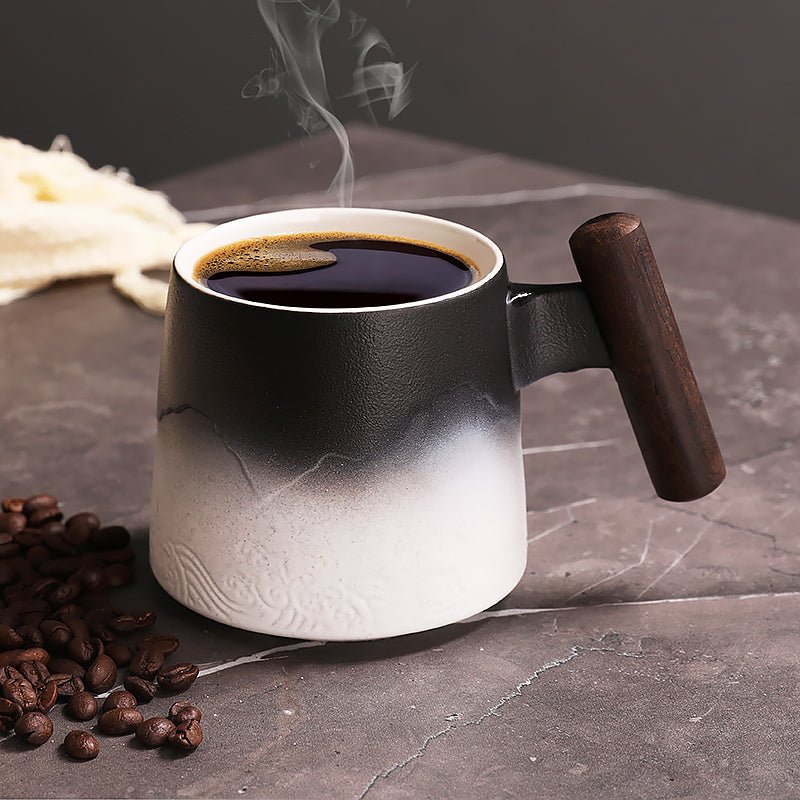
Mug to Keep Coffee Hot: What Actually Works for Daily Use
We break down the mug styles that hold heat better, the sizes that work best at a desk, and the details that separate a useful cup from one that cools too fast.
Per saperne di più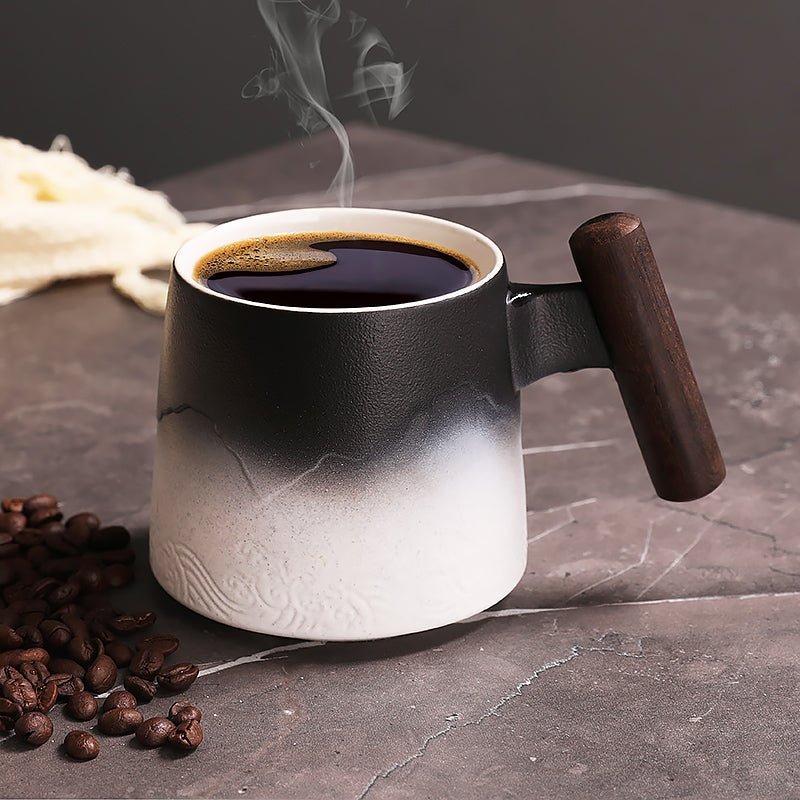
Best Mugs for Coffee: How to Choose Size, Material, and Fit
We break down the best mugs for coffee by size, material, and everyday use, with practical notes on heat retention, handle comfort, and care. You’ll also see which mug styles fit home brewers, desk...
Per saperne di più
Commenta
Questo sito è protetto da hCaptcha e applica le Norme sulla privacy e i Termini di servizio di hCaptcha.