
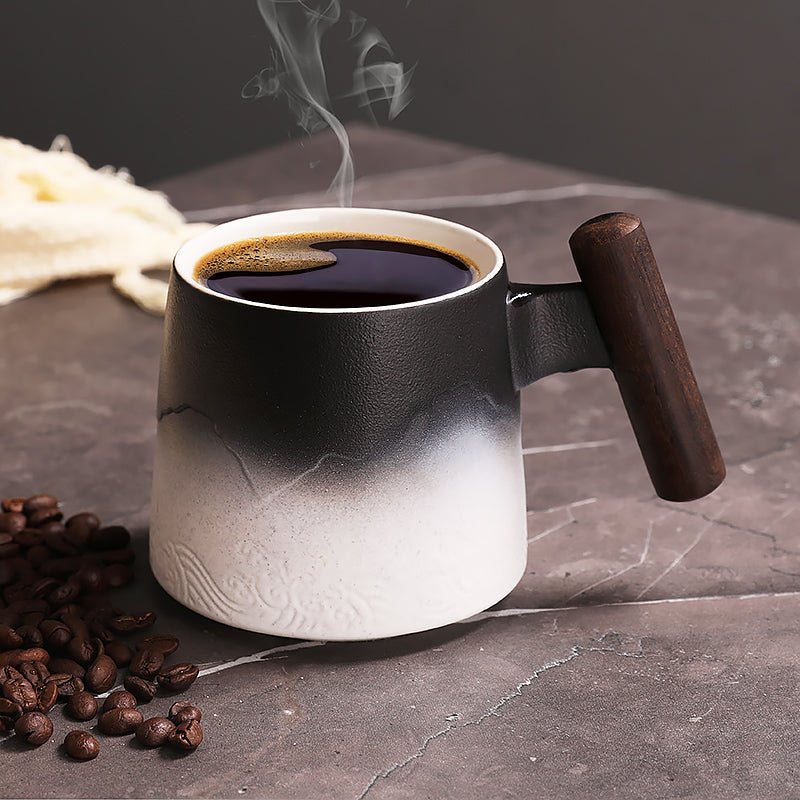
Yeti Insulated Coffee Mugs: What to Compare Before You Buy
Reading time: about 9 minutes
A mug that keeps coffee hot on a kitchen counter is not always the mug you want on a workbag commute. We see that mismatch a lot when shoppers compare yeti insulated coffee mugs: the shape looks right, but the lid, size, and handle decide whether the mug stays useful after the first week.
At CoffeifyMug, we handle this category as a daily-use product, not a shelf item. That means we look at how a mug feels in the hand, how the lid seals after repeated dishwasher cycles, and whether the base sits steady on a desk instead of skating around on a smooth countertop. If you are comparing options, our products page is the fastest place to check what we actually carry, and the full collection helps if you want to compare styles side by side.
What should you expect from Yeti insulated coffee mugs?
Most buyers start with the brand name and end up shopping the construction. That is the right instinct. The useful part of yeti insulated coffee mugs is not the logo; it is the combination of double-wall vacuum insulation, stainless steel body, and a lid that slows heat loss without making the drink awkward to sip.
In our experience, these mugs tend to work best for people who want one cup that survives a real routine: coffee poured at home, sipped at a desk, rinsed at lunch, and washed again at night. The trade-off is simple. The stronger the insulation, the less likely the mug is to feel like a traditional ceramic cup. It may be heavier, less airy to drink from, and not as pleasant if you want the coffee to cool quickly.
If you want a broader buying framework before choosing a specific model, our guides on Insulated Coffee Mugs: How to Choose Heat, Lid, and Size and Stainless Steel Insulated Coffee Mugs for Daily Use and Travel cover the same category from a few different angles.
Which size fits your coffee routine best?
Size matters more than most buyers expect. A mug that looks compact online can feel small once you pour a normal morning brew, especially if you add milk or leave space for a lid. For most shoppers, 12 oz and 16 oz are the two sizes worth comparing first.
| Size | Best for | What to watch |
|---|---|---|
| 12 oz | Smaller pours, office desks, tighter cabinet storage | Less room for milk, foam, or a second pour |
| 16 oz | Standard coffee drinkers, longer sipping sessions, most home use | Can feel bulky in smaller hands or cup holders |
| Large travel format | Extended commutes and all-day use | Usually less mug-like and more thermos-like |
If you like a straightforward daily cup, 12 oz is easier to finish while the coffee is still at the right temperature. If you make a full mug in the morning, 16 oz usually gives you more flexibility. That is why we also point shoppers to our size-specific guides, 12 oz Coffee Mugs: What to Check Before You Buy and 16 oz Coffee Mugs: What to Check Before You Buy, when they are unsure which capacity will actually get used.
One practical note: a mug that is too large for your hand often gets left at home. That sounds minor, but it is usually the first reason a buyer regrets the size choice.
Which lid and handle details matter most?
This is where many purchases succeed or fail. The lid determines whether the mug is easy to sip from, whether it traps heat without forcing steam back at your nose, and whether it handles normal spills on a desk. The handle determines comfort, balance, and whether you can move the mug confidently with one hand.
Our team pays attention to three details on every handled insulated mug:
- Lid fit: a lid should sit evenly and close without rocking. If the gasket is thin or uneven, drips show up fast.
- Drink opening: a narrow opening helps control sipping, but it can make cooling slower and cleaning harder.
- Handle shape: a handle should leave room for gloved fingers, larger hands, and a comfortable lift when the mug is full.
If you want a deeper look at handle design, our article on Insulated Coffee Mugs with Handles: What Buyers Should Check covers the comfort and balance questions that often get skipped in product descriptions.
We also tell shoppers to separate two use cases. A mug with a secure sip lid is great for a desk, countertop, or short walk. It is not the same as a truly sealed travel mug. If you expect to throw it into a backpack next to a laptop, a coffee travel mug is usually the better pick. For that comparison, see Coffee Travel Mugs Yeti: What Buyers Should Compare Before Ordering.
How do these mugs perform at home, in the office, and on the road?
We look at insulated mugs by setting, because that is how they get judged in real life. A mug that feels perfect in a quiet kitchen may be clumsy in a car. A mug that is ideal for commuting may feel overbuilt on a desk.
Here is the practical breakdown we use when helping shoppers compare yeti insulated coffee mugs and similar stainless steel options:
- Home: best if you want heat retention, easy refills, and a cup that does not sweat on the counter.
- Office: best if you want a stable base, a lid that limits spills during desk movement, and a mug that is comfortable to clean between meetings.
- Travel: best only if the lid and seal are secure enough for your route. Do not assume every insulated mug is bag-safe.
There is also a comfort trade-off. A tall insulated mug can keep coffee hot longer, but the taller profile may fit less naturally under an espresso machine or in a tight shelf space. A handled mug is easier to lift and sip from, but the handle can take up extra cabinet room. That is why the shape of the mug matters as much as the insulation.
We see the same pattern in gift orders: the buyer wants something premium-looking, but the recipient usually cares more about comfort, lid behavior, and dishwasher convenience than brand prestige.
What materials and construction details should you inspect?
For this category, the details that matter are usually not flashy. They are structural. A good insulated mug typically uses stainless steel, often 18/8 stainless steel, with a double-wall vacuum body. That construction helps reduce heat transfer and keeps the outside cooler to the touch than a single-wall cup.
Other details worth checking before you buy:
- Exterior finish: powder coating can improve grip and resist visible fingerprints, but it can still show wear around the base after repeated use.
- Lid gasket: a removable silicone gasket is easier to clean, but it should seat tightly every time.
- Base stability: a flat, broad base is less likely to tip on a cluttered desk or car console.
- Care instructions: even when the body is dishwasher safe, lids often last longer when they are rinsed promptly and fully dried before storage.
We also watch for common failure modes. Dents near the bottom can affect stability. A worn gasket can cause slow drips that only show up after the mug sits in a bag or leans on a desk. If the vacuum seal is damaged by a hard drop, you may notice the outside feel colder than expected or even see condensation where there should be none. Those are not cosmetic issues; they change performance.
For readers who want the material question broken out more directly, the article on Yeti Coffee Mugs: What to Compare Before You Buy is useful because it focuses on the construction details shoppers usually miss during a quick purchase.
Which option makes the most sense if you want a different trade-off?
Not every buyer needs the same thing from a mug that looks and performs like a Yeti. Some want the strongest possible heat retention. Others want a lighter mug with a handle. Some want a style that feels better on a desk than in a car. That is why we keep a broader range available in our store rather than pushing one format for every buyer.
If you want a handled mug that feels easier to carry from kitchen to desk, look for a wide handle and a lid you can clean without fighting the gasket. If you want maximum portability, a travel-first design is usually a better fit than a classic insulated coffee mug. If you mainly want a mug for slow morning coffee at home, a 12 oz or 16 oz stainless steel mug with a dependable lid is usually enough.
For shoppers comparing several styles at once, the simplest next step is to browse our products page and then open the full collection to compare size, handle shape, and lid style without guessing from the title alone.
If your main priority is a mug for the desk, start with comfort and lid fit. If your priority is commuting, start with seal quality. If you want a gift, check whether the mug feels good in the hand before you think about finish color.
Frequently asked questions
Are Yeti insulated coffee mugs leakproof?
Not every insulated coffee mug is truly leakproof. Many are spill-resistant for desk use, but that is different from a sealed travel mug that can sit in a bag without leaking. If you plan to carry coffee next to electronics or paperwork, check the lid design closely and choose a travel-first model.
Should I buy a 12 oz or 16 oz Yeti insulated coffee mug?
Buy 12 oz if you usually drink a smaller pour or want a mug that feels compact on a desk. Buy 16 oz if you make a standard full cup and want more room for milk, foam, or a second pour. In our experience, most regret comes from buying too large, not too small.
Can I put a stainless steel insulated coffee mug in the dishwasher?
Many stainless steel bodies handle dishwashers well, but lids often need more careful cleaning. We recommend checking the lid gasket and drying the parts fully before storage. If the lid traps moisture, you may notice odor or a sticky seal over time.
Do insulated coffee mugs with handles keep coffee hot as long?
The handle itself does not reduce performance much. The bigger factors are vacuum insulation, lid fit, and mug size. A handled mug may be easier to use at a desk, but a poorly sealed lid will lose heat faster than a well-built handle-free mug.
What should I compare before buying a Yeti-style mug?
Compare size, lid type, handle comfort, base stability, and care instructions. Also check whether the mug is meant for home and office use or for actual travel. That one decision usually determines whether the mug feels great for months or gets left in a cabinet.
Use the checklist that matters most to your routine: size that fits your usual pour, lid that matches your spill risk, handle that feels stable, and a finish you can actually maintain. If you want to compare styles now, start with our full collection and narrow from there by the way you drink coffee, not by the label on the box.
Read more
Custom Personalized Coffee Mugs: What Buyers Should Check Before Ordering
Custom personalized coffee mugs can look great on a screen and still miss the mark in real life. Here’s how we help shoppers compare size, print, material, and care before they order.
Per saperne di più
Cheap Coffee Mugs: What to Check Before You Buy
Cheap coffee mugs can be a smart buy if you know where the corners get cut. We cover size, material, finish, handle comfort, and the checks we use before stocking a mug.
Per saperne di più
Commenta
Questo sito è protetto da hCaptcha e applica le Norme sulla privacy e i Termini di servizio di hCaptcha.