
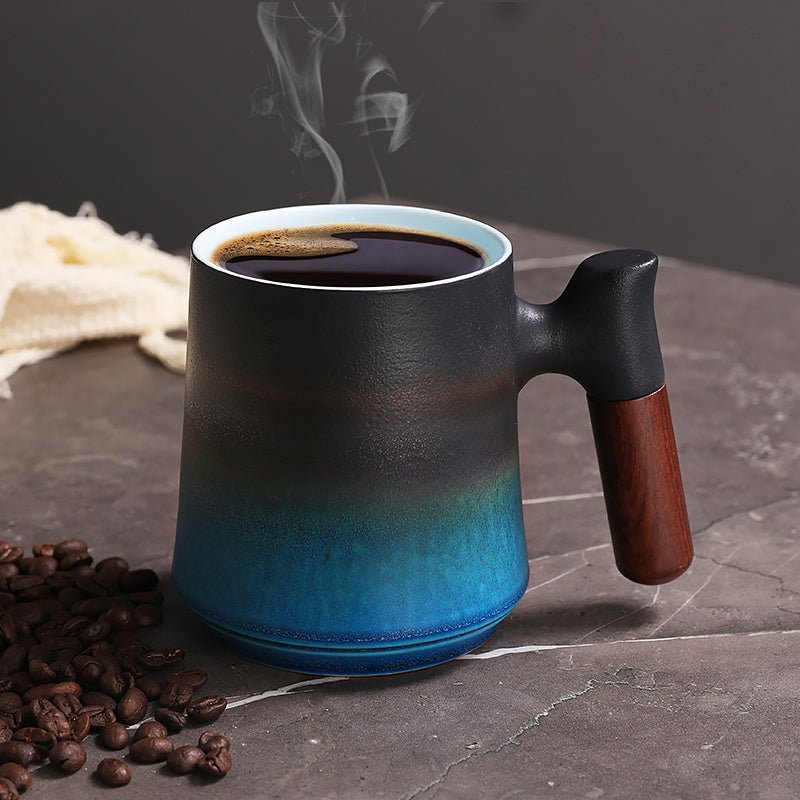
XL Coffee Mug Buying Guide: What to Check Before You Buy
Reading time: about 10 minutes
An XL coffee mug sounds like a simple buy until it sits under your machine and feels too tall for the shelf above it. We see that problem a lot in our store: shoppers want a bigger cup for longer mornings, but they do not want a heavy mug that throws off the pour, clatters in the dishwasher, or crowding their desk.
At CoffeifyMug, we handle this category the practical way. We look at capacity, lip comfort, handle clearance, base stability, and how a mug behaves on a real countertop. If you want to compare oversized options before buying, start with our full collection, then narrow down to a shape that fits how you drink.
For shoppers who want a direct product choice, three of our taller, roomier options worth comparing are the Great Mountain Coffee Tea Mug, the Emerald Coffee Tea Mug, and the Landscape Tall Coffee Tea Mug. Each one serves a slightly different use case, and that matters more than the word “extra large” on its own.
What actually makes an XL coffee mug worth buying?
An XL coffee mug is not just a bigger version of a standard cup. The best ones are built for people who refill less often, keep milk or cream in the mix, or want a mug that can handle coffee, tea, or even broth without feeling cramped. In practice, that usually means a taller body, a wider opening, and a handle that still leaves enough finger room when the mug is full.
We usually tell shoppers to look past the headline capacity and check three concrete things:
- Body shape: A tall, narrow mug often feels more secure in the hand than a short, wide one with the same capacity.
- Rim thickness: A thinner rim usually drinks better, while a thicker rim can hold heat longer but feel bulkier.
- Base width: A wider base is more stable on a desk or kitchen counter, especially for larger pours.
For this category, ceramic is still the most common material because it keeps the drinking experience straightforward and works well for everyday coffee and tea. It is also the easiest for most buyers to live with. The trade-off is weight. A large ceramic mug filled to the top gets heavy fast, so if you have wrist issues or tend to walk around with your drink, a smaller mug may actually be the better buy.
How do you know if an oversized mug will fit your routine?
Fit is where most returns and second guesses happen. A mug can look perfect online and still fail in the kitchen if the handle is too tight for your fingers, the mug is too tall for your coffee station, or the profile feels awkward next to a pour-over setup. We always suggest thinking about the mug in three places: where you store it, where you fill it, and where you drink it.
Here is a simple buying check we use in our store before recommending an XL coffee mug:
- Measure the clearance above your brewer or kettle area. Tall mugs can be a problem under some cabinets or machine spouts.
- Check the handle gap. If you like a two-finger grip, a handle that looks large enough in photos can still feel tight in person.
- Think about the filled weight. A bigger mug with coffee, milk, and maybe sugar is noticeably heavier than a standard 10 oz or 12 oz mug.
- Decide if you want heat retention or easy handling. Thicker walls can help retain warmth, but they also add bulk.
If you are still comparing sizes, our earlier guides on 12 ounce coffee mug buying guide for daily use and better fit and 11oz coffee mug buying guide: size, fit, and best uses are useful for seeing where “large enough” turns into “too much mug.” Many buyers realize they want an XL mug for weekends or home office use, but still prefer an 11 oz or 12 oz cup for the work bag or a smaller drip machine.
Which XL coffee mug shapes are easiest to live with?
Shape changes how an oversized mug feels more than most shoppers expect. A tall mug can look slim and elegant, while a wide mug may feel more stable but use more shelf space. The right choice depends on how you actually drink.
| Shape | Best for | Trade-off |
|---|---|---|
| Tall and narrow | Desk coffee, tea, smaller cabinets | Can be top-heavy when filled |
| Wide and open | Slow sipping, adding cream, easier stirring | Takes more storage space |
| Balanced medium-tall | Most daily coffee drinkers | Less dramatic capacity than a true jumbo mug |
In our experience, shoppers buying for office desks or reading chairs usually prefer a tall profile because it feels neater and takes up less surface area. People who make a lot of tea, hot chocolate, or milky coffee often prefer a wider opening because stirring is easier and the mug is less fussy to use.
The Landscape Tall Coffee Tea Mug is the kind of shape we point to when someone wants a taller silhouette without losing the everyday usefulness of a coffee-and-tea mug. If you prefer something a little more grounded visually, the Great Mountain Coffee Tea Mug gives a different presence on the table. That difference matters if the mug is also part of a gift or a matching set.
What materials and care details should you check before buying?
For oversized mugs, material and finish matter because the bigger the mug, the more abuse it tends to see. It gets used for full pours, stacked near other dishes, and run through repeated dishwasher cycles. A mug with a weak glaze, a rough foot ring, or a handle that was not shaped cleanly will show problems faster in this category than in a smaller cup.
Here are the details we check on every mug that comes through our store:
- Glaze consistency: Look for an even finish without pinholes or bare patches, especially around the rim and handle joins.
- Handle attachment: The handle should feel secure and smooth where it meets the body, not sharp or lopsided.
- Foot ring: A clean base helps the mug sit flat and reduces the chance of wobble on a glass-topped desk or dishwasher rack.
- Cleaning routine: If a mug is dishwasher-safe, that makes daily use easier, but handwashing can still be the safer choice for preserving the look over time.
We do not recommend an XL coffee mug if you need something ultralight for commuting or backpack use. That is not this category. A large ceramic mug is best for home, office, studio, or gift use where comfort and size matter more than portability.
Our rule of thumb: if you want a mug that disappears into your routine, prioritize balance and handle comfort over the biggest listed capacity.
Which CoffeifyMug options make the most sense for different buyers?
Not every oversized mug suits the same person. A shopper buying for a home office has different needs than someone buying a gift or replacing a favorite daily cup that always feels too small. We try to match the mug to the use case instead of pushing the largest option every time.
- For daily desk coffee: Choose a tall, stable mug that does not crowd your keyboard area. The Landscape Tall Coffee Tea Mug is a strong fit if you want height without a bulky footprint.
- For coffee and tea at home: The Great Mountain Coffee Tea Mug is a practical middle ground for people who switch between brewed coffee, tea, and larger evening drinks.
- For a visual statement or gift: The Emerald Coffee Tea Mug works well when the mug needs to look polished enough for gifting but still feel useful every day.
If you are shopping for someone else, we suggest thinking about shelf space and hand size before color or style. A beautiful mug that feels too heavy in the hand usually ends up living in the back of the cabinet. That is the kind of trade-off shoppers rarely think about until after the unboxing.
What are the downsides of an XL coffee mug?
Oversized mugs solve one problem and create a few new ones. That is normal. A bigger mug can be more comfortable for long mornings, but it can also be overkill if you only drink a few ounces at a time or if you mostly use a pod machine with a short cup clearance.
Here is where an XL coffee mug may not be the best choice:
- Small brewers: Some machines and cabinet layouts simply do not leave enough vertical space.
- Light drinkers: If you never finish a full large pour, a smaller mug may keep coffee hotter and reduce waste.
- Frequent movers: If you carry your mug around the house, office, or yard, a large ceramic mug can feel cumbersome.
- Minimal storage: Oversized mugs take up more shelf room and can be awkward to stack.
That said, for a lot of shoppers, the trade-off is worth it. A roomy mug means less refilling, more room for milk or foam, and a calmer morning routine. That is especially true for people who sip slowly, work from home, or like tea that stays with them through a long meeting.
How does an XL coffee mug compare with a 10 oz, 11 oz, or 12 oz mug?
Smaller mugs are not a downgrade. They are just better for different routines. If you are still deciding between sizes, our 10 oz and 11 oz guides are useful for checking fit and daily use trade-offs, including 10 oz coffee mug size, fit, and what to check before you buy and 11 oz coffee mug size, fit, and what to check before you buy. Those sizes are often a better match if you want a lighter mug, faster cooling, or a tighter storage footprint.
Here is the simplest way to think about it:
- 10 oz: Better for smaller servings and people who want a compact mug.
- 11 oz to 12 oz: The everyday middle ground for most kitchens and offices.
- XL: Better for longer sipping, bigger pours, and people who want fewer refills.
We see the XL category chosen most often by home coffee drinkers, tea drinkers, and gift buyers who want a mug that feels generous. We see smaller sizes chosen by people who care more about cabinet fit, quick cleanup, and portability. Both choices make sense. The wrong one is the mug that looks good online but never quite fits the way you drink.
Frequently asked questions
What size counts as an XL coffee mug?
There is no single standard, but shoppers usually mean a mug that feels clearly larger than the common 10 oz to 12 oz range. For us, the real test is whether the mug supports a larger pour without becoming awkward to hold, store, or wash.
Is an XL coffee mug good for everyday use?
Yes, if you usually drink larger servings or like to spend a long time with one cup. It is less ideal if you need a lightweight mug, have limited cabinet space, or use a machine with low cup clearance.
Are large ceramic mugs dishwasher safe?
Many ceramic mugs are made for dishwasher use, but the finish and handling still matter over time. Repeated dishwasher cycles can expose weak glaze spots, handle stress, or rough edges faster on low-quality mugs.
Do XL coffee mugs keep drinks hot longer?
Sometimes, but not automatically. A larger mug can hold more heat by volume, yet a wide opening can also let heat escape faster, so shape matters as much as size.
Should I buy an XL mug or a 12 oz mug?
Choose XL if you want fewer refills, room for milk or foam, and a more relaxed drinking pace. Choose 12 oz if you want a lighter feel, easier storage, and a size that works with most brewers and cabinets.
If you are ready to compare options, start with the full CoffeifyMug collection, then check the tall and roomy shapes against your cabinet height, brewer clearance, and hand size before you buy.
Read more
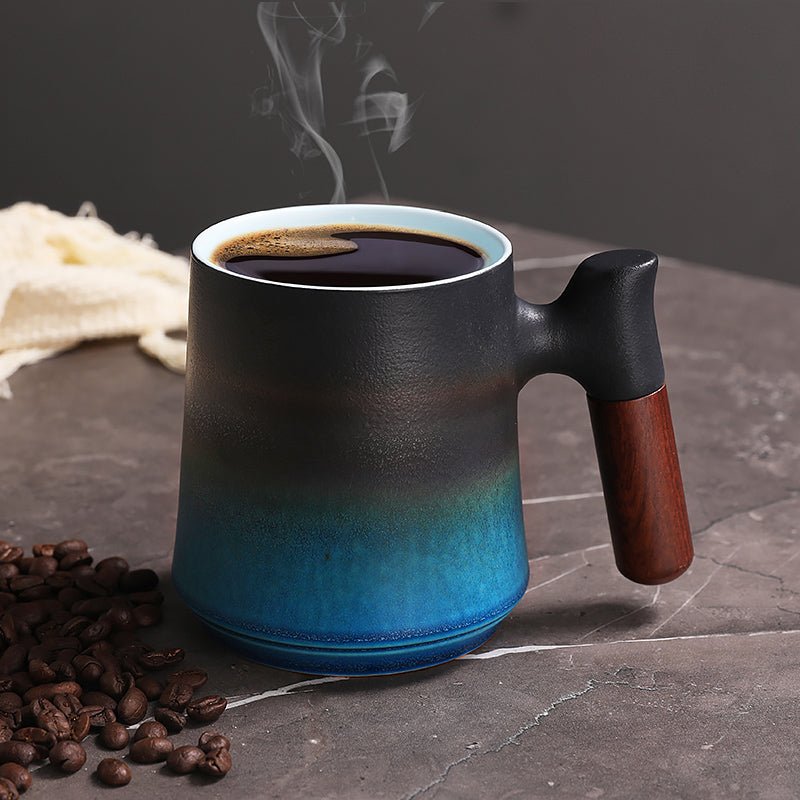
Glazed Mugs: How to Choose the Right Finish, Feel, and Everyday Fit
A practical buyer’s guide to glazed mugs, with real trade-offs on finish, size, care, and daily use. We also point you to a few mugs in our store that are worth comparing before you buy.
Per saperne di più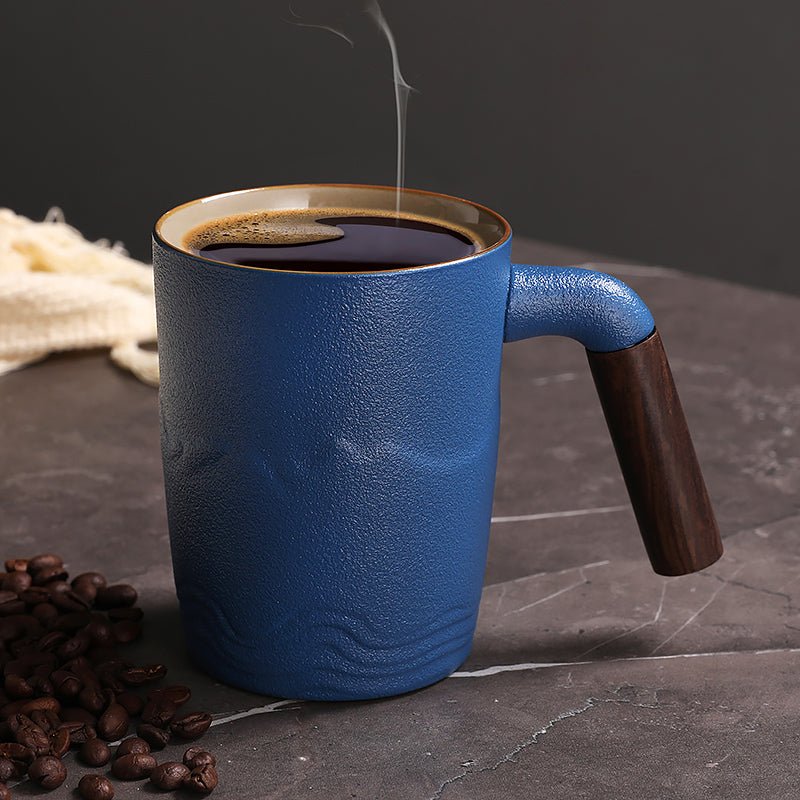
Latte Art Mug Buying Guide: Shape, Size, and Everyday Use
A practical guide to choosing a latte art mug that works on a real kitchen counter, not just in product photos. We cover shape, capacity, material, and the trade-offs that matter before you buy.
Per saperne di più
Commenta
Questo sito è protetto da hCaptcha e applica le Norme sulla privacy e i Termini di servizio di hCaptcha.