
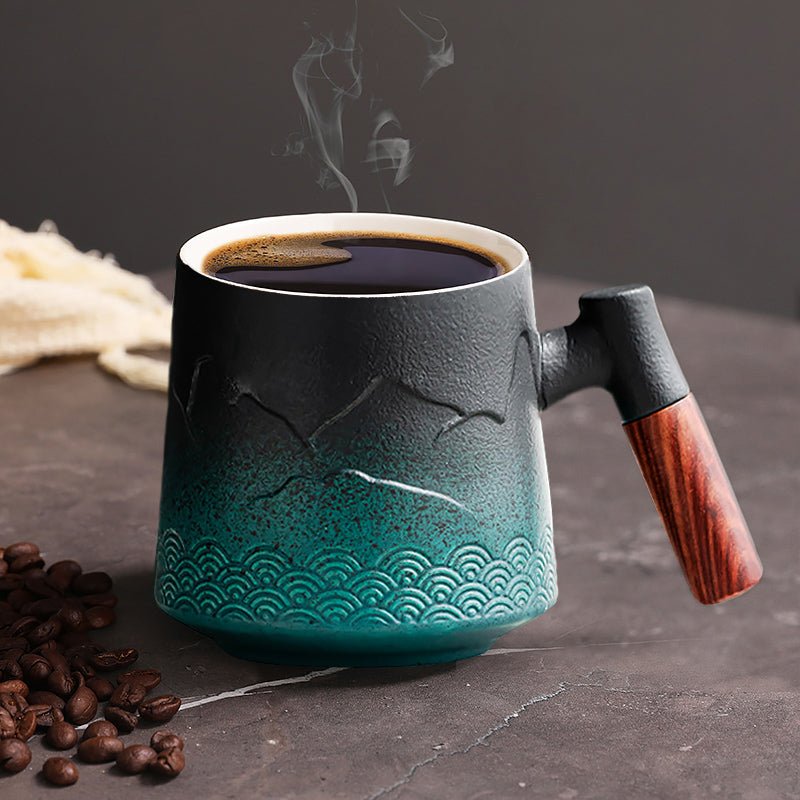
Wood Mugs: What Buyers Should Check Before Ordering
Reading time: about 9 minutes
A wooden mug looks great on a kitchen shelf, but the real test starts on a weekday morning. We care less about the rustic look and more about how it feels in the hand, how the finish holds up after repeated rinsing, and whether it belongs on a desk, a breakfast table, or a gift shelf.
That is the part many shoppers miss. Wood changes the buying decision. It can be lighter than ceramic, warmer in the hand, and more sensitive to care. It can also show dents, water marks, or finish wear if it is treated like a dishwasher-safe stoneware mug. If you are comparing wood. mugs for actual daily use, this guide focuses on the details that matter before you order.
We write this from the same place we handle and talk through mug orders in our store every day. Some customers want a display piece. Others want a cup for slow coffee at a desk. A few want a gift that feels more handmade than mass-produced. Those are different needs, and wood is not the same answer for all of them.
What makes a wood mug different from ceramic or stainless steel?
Wood changes both the feel and the maintenance. A well-made wooden mug usually feels lighter than ceramic and warmer than metal. That makes it appealing for a morning coffee at a desk or a quiet weekend cup. It also means you should expect a different kind of care routine than you would use with a standard mug from our catalog or with the sizes we discuss in 12 oz Coffee Mugs: What to Check Before You Buy.
The main trade-off is durability versus convenience. Ceramic can usually handle a dishwasher. Wood generally should not. Stainless steel is tougher around drops, but it changes the drinking feel and can retain temperature differently. Wood is a better fit if you value tactile warmth and a natural look over low-maintenance cleaning.
In practical terms, we look for three things first:
- Body thickness: too thin and the cup can feel fragile; too thick and it gets bulky in the hand.
- Finish quality: a smooth, sealed surface matters because unfinished or poorly sealed wood can absorb moisture and odors.
- Rim shape: the drinking edge should feel even, with no rough spots or visible splinter risk.
If a mug is meant for hot coffee, tea, or cocoa, those details matter more than the photo. A pretty grain pattern does not make up for a rough rim or a finish that starts looking dull after a few wash cycles.
Who should buy wood mugs, and who should skip them?
Wood mugs make sense for shoppers who want a natural look and a slower, more deliberate coffee ritual. They also work well as display pieces, desk companions, or gifts for someone who likes handmade-feeling items. If you are browsing for a gift, a wooden mug can feel more personal than a plain mass-market cup.
They are not the right choice for everyone. If you want a mug that goes straight into the dishwasher, gets tossed into a gym bag, or survives rough handling on a crowded office sink, wood is usually the wrong material. If your household includes people who rinse fast and stack cups hard, ceramic may be the safer everyday pick.
We usually steer buyers toward wood when they say:
- They care about the look of the mug as much as the function.
- They drink slowly and keep the mug at a desk, bedside table, or breakfast nook.
- They are comfortable hand-washing and drying the mug soon after use.
If they want capacity-first shopping instead, we point them to size-focused guides like 16 oz Coffee Mugs: What to Check Before You Buy or 20 Ounce Coffee Mugs: What Buyers Should Check Before Ordering. That is where the buying decision shifts from material feel to how much coffee the mug actually needs to hold.
What details should you check before ordering a wooden mug?
Most returns in this category come from avoidable expectation gaps. The photo looked rustic. The mug arrived heavier than expected. The finish felt different than the shopper imagined. We try to remove that guesswork by checking the same details every time.
| Detail | What to check | Why it matters |
|---|---|---|
| Wood species | Know whether the mug is made from a hardwood or another treated wood type | Different woods vary in grain, density, and how they age |
| Interior finish | Look for a smooth, sealed drinking surface | Helps reduce moisture absorption and makes cleaning easier |
| Rim and handle | Check for even edges and comfortable grip geometry | These are the spots you notice every single morning |
| Capacity | Confirm the usable volume, not just the outer size | Wood walls can reduce interior space more than shoppers expect |
| Care instructions | See whether hand washing and immediate drying are required | Wood mugs usually need more attentive upkeep than ceramic |
A lot of shoppers focus only on the grain pattern. We would rather know how the mug was sealed, how the rim feels, and whether the maker expects it to live near a sink full of steam and drips. Those are the details that tell you whether the mug is built for real use or mainly for display.
Another practical point: wood can vary from piece to piece. That is part of the appeal, but it also means two mugs from the same listing may not look identical. If you want a perfectly matched pair, confirm whether that variation is part of the design.
How should you care for a wood mug so it lasts?
Care is where wooden mugs either age well or start looking tired fast. We recommend hand washing with mild soap, rinsing promptly, and drying fully right away. Do not soak the mug in water. Do not leave it in a sink overnight. That is how finishes fail and seams or grain lines start to look stressed.
Heat is another factor. Wood can be a good coffee companion, but it is not the best choice for direct flame, microwave use, or repeated exposure to boiling-hot liquids without checking the maker's guidance. If you regularly need to reheat coffee, a ceramic mug is the more practical choice.
In our experience, the best habits are simple:
- Rinse soon after use instead of letting milk or coffee residue sit.
- Wash by hand with a soft sponge and mild soap.
- Dry completely, including the base and rim.
- Store it in open air instead of a damp cabinet if your kitchen holds moisture.
- Inspect the finish occasionally for dull spots or rough areas.
If a wooden mug starts showing surface dryness, a product-specific food-safe conditioning routine may help, but only if the maker recommends it. We do not assume every mug should be treated the same way. Some finishes are sealed differently, and over-oiling can be just as unhelpful as ignoring care entirely.
How do wood mugs compare for gifting, office use, and home coffee?
The right mug depends on where it will live. A wooden mug is often strongest as a gift or a low-volume personal cup. It brings a handmade look that stands out in an unboxing and feels more intentional than a basic office mug.
For office use, there is a catch. If your desk routine includes quick refills, shared dishwashers, and a lot of movement between meetings, wood can be less convenient than ceramic or stainless steel. The mug can still work at a desk if the user is careful, but it is not the best option for a high-traffic break room.
For home coffee, wooden mugs fit best into slower rituals. Think early mornings, weekend reading, or a cup that stays beside a laptop while you work from home. That use case pairs well with shoppers who also browse our broader selection at our products or compare against the full store assortment at all collections.
If your main goal is visual style, you might also compare wooden options against seasonal and lifestyle designs like Autumn Coffee Mugs: How to Choose the Right Cup for Cozy Season or even broader style-led picks like Awesome Coffee Mugs: How to Choose a Mug You’ll Actually Use.
What are the main drawbacks buyers should expect?
We think honest product pages are better than polished disappointment. Wood mugs have limits, and they are not small ones.
- They need more care than ceramic, especially around drying and storage.
- They can mark or dull if the finish is abused or left wet too often.
- They are usually not dishwasher-safe, which matters for busy households.
- They are not the best for reheating or for people who like to microwave a half-finished cup later.
That does not make them a bad buy. It just means the best customer for wood mugs is someone who wants the material on purpose, not someone shopping for the most convenient mug possible. If convenience is the top priority, ceramic is usually the cleaner answer.
We also tell shoppers not to expect every wooden mug to behave like a uniform factory-made cup. Grain variation, slight tone differences, and visible wood character are normal. If you want a perfectly identical pair for a matched set, that is a reason to inspect the listing closely before ordering.
Frequently asked questions
Are wood mugs safe for hot coffee?
They can be, if the mug is made and finished for hot beverages and the seller gives clear use guidance. The important part is the finish and construction, not just the material name. If the listing does not explain hot-drink use, we would not treat it as a safe assumption.
Can you put a wood mug in the dishwasher?
Usually no. Dishwasher heat, detergent, and long moisture exposure are hard on wood and can shorten the mug's usable life. Hand washing and immediate drying are the safer default unless the maker says otherwise.
Do wood mugs stain or absorb coffee smell?
They can if the finish is weak, worn, or scratched. A properly sealed mug should resist this better, but wood is still more sensitive than glazed ceramic. That is why we check the interior finish before recommending one.
Are wood mugs good for everyday office use?
Only if the office routine is fairly controlled and the user is willing to hand wash the mug. For shared kitchens, dishwashers, or rough handling, ceramic or stainless steel is usually the better match. Wood works better at a personal desk than in a high-traffic break room.
What should I compare first if I am deciding between wood and ceramic?
Start with care, then look at feel and use case. If you want easy cleaning and microwave convenience, ceramic wins. If you want a warmer, more natural feel and do not mind hand washing, wood may be the better fit.
What should you do before buying wood mugs?
Use a short checklist before you order:
- Confirm the mug is meant for hot drinks.
- Check whether hand washing is required.
- Look for a sealed interior and smooth rim.
- Decide whether the capacity fits your real routine, not just your wishlist.
- Accept the finish and grain variation as part of the material, not a defect.
If you want to compare wood mugs against the rest of our range, start with all collections and then narrow by style and use. If you already know you want a mug that feels more natural than standard ceramic, browse our products and choose the one that fits your daily routine, not just your shelf.
More from our blog
Read more
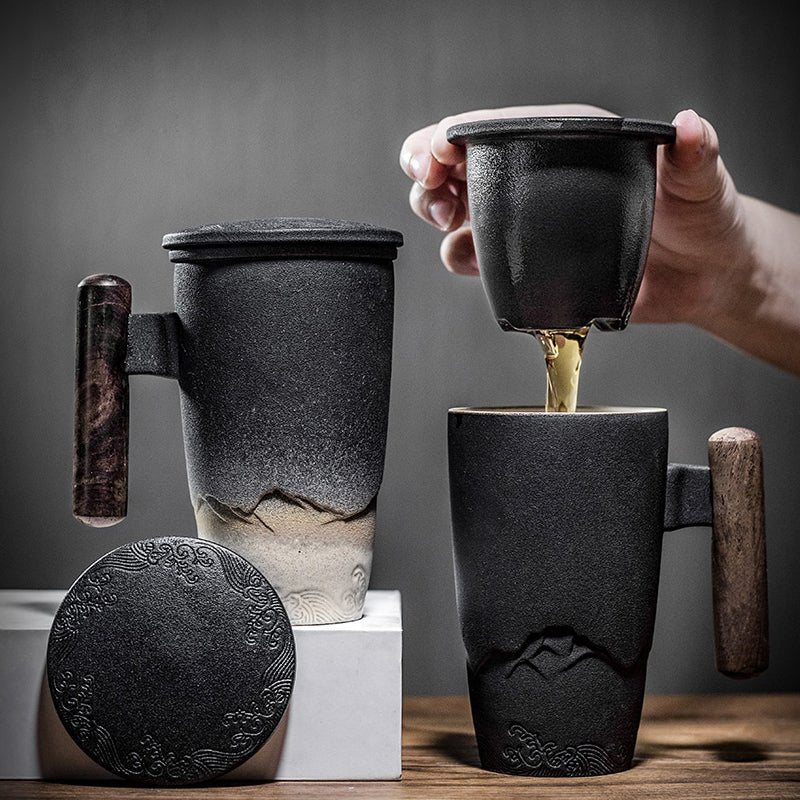
Tall Coffee Mugs: What Buyers Should Check Before Ordering
Tall coffee mugs solve real problems at desks, in the car, and on crowded kitchen counters, but the shape changes stability, heat retention, and fit. Here is what to check before you buy, plus wher...
Per saperne di più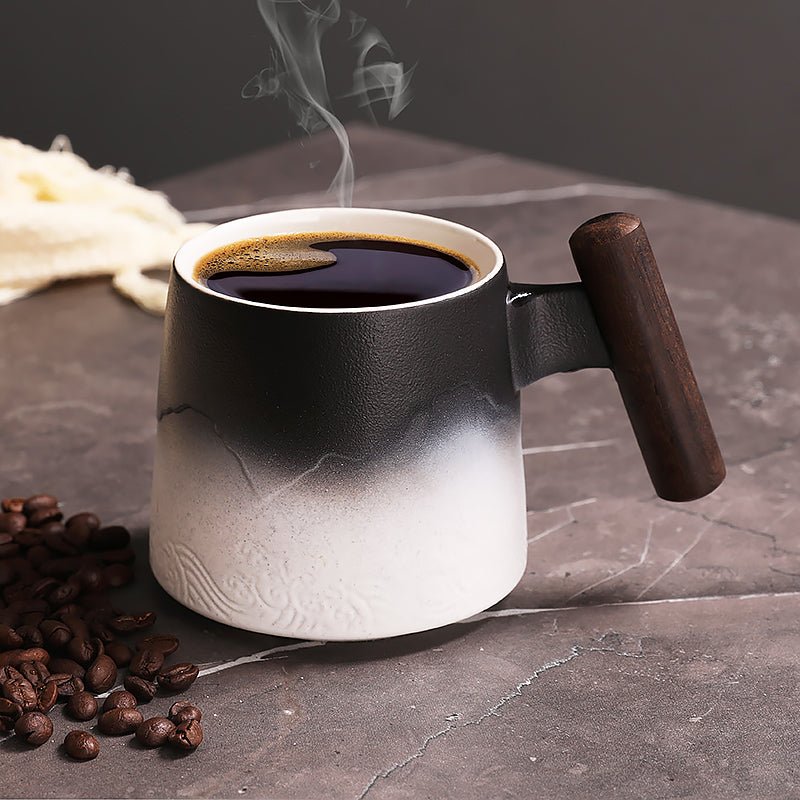
Funny Coffee Mug: What to Check Before You Buy
A practical guide to choosing a funny coffee mug that actually gets used: size, material, print durability, care, and the trade-offs to watch.
Per saperne di più
Commenta
Questo sito è protetto da hCaptcha e applica le Norme sulla privacy e i Termini di servizio di hCaptcha.