
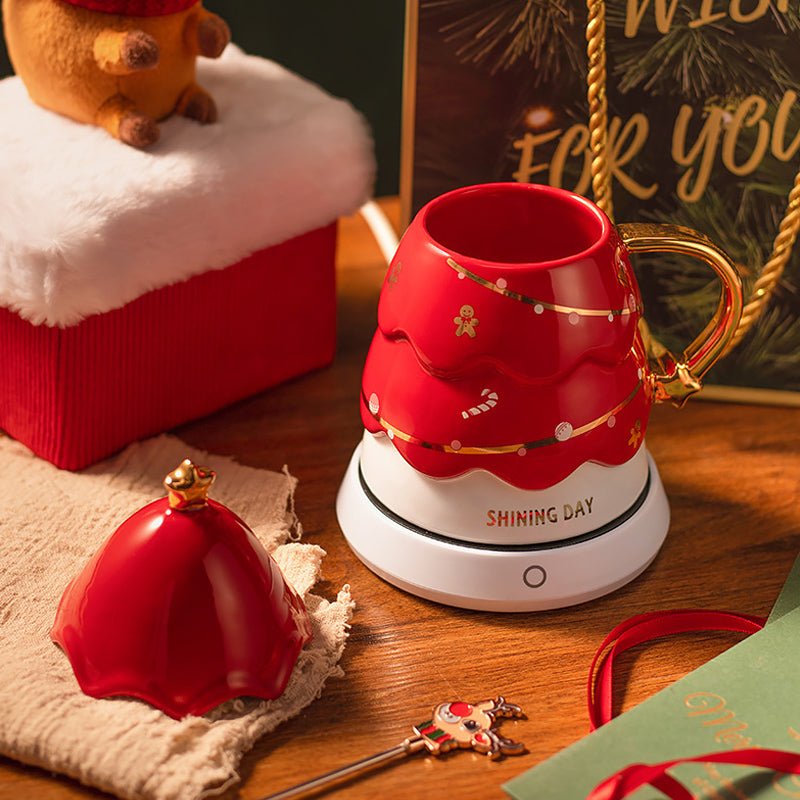
Winter Coffee Mugs: What to Look For Before You Buy
Reading time: about 9 minutes
A mug on a cold stone counter feels different in January. The handle is colder, the coffee cools faster, and a cup that seemed fine in October suddenly feels too thin or too small for a real winter morning.
That is why we treat winter coffee mugs as a practical buy, not just a seasonal one. In our store, we usually see shoppers choose them for three different reasons: to keep coffee warm at a desk, to make a better gift, or to replace a mug that cracked, stained, or became uncomfortable after daily use. If you want to compare current options, start with our products page or browse the full collection.
Cold weather changes the whole mug test. A good winter mug should feel steady in the hand, comfortable when full, and durable enough for repeated washing without turning rough or flaky.
What makes winter coffee mugs different from everyday mugs?
The best winter coffee mugs do a few specific jobs well. They keep heat in longer, they feel comfortable to hold when your hands are cold, and they do not tip easily when you set them down on a crowded kitchen counter or office desk.
We look closely at wall thickness, handle shape, and base stability. A thicker ceramic or stoneware mug usually holds heat better than a very thin cup, but that extra mass can also make it heavier. That trade-off matters if you drink slowly, refill often, or carry your mug from the kitchen to a home office several times a day.
Here is the practical version of that difference:
- Heat retention: A thicker mug generally stays warm longer, which helps on cold mornings.
- Hand feel: A wide, easy-grip handle is better when fingers are stiff from the cold.
- Stability: A flat, balanced base matters if the mug sits near a laptop, book, or breakfast plate.
- Rim comfort: A smooth rim makes a bigger difference than most shoppers expect, especially with hot drinks.
Winter mugs are not always the best choice if you want the lightest possible cup, the thinnest rim, or something built for commuting. For those use cases, a travel mug or insulated tumbler may suit you better.
Which material keeps coffee warm without creating problems?
Material changes the whole experience. We get the same question often: should the mug feel sturdy, delicate, or oversized? There is no single right answer, but there are clear trade-offs.
| Material | What it does well | Trade-off | Best for |
|---|---|---|---|
| Ceramic | Balanced heat retention, easy everyday use, familiar feel | Can chip if knocked against a sink or counter | Most shoppers who want a dependable daily mug |
| Stoneware | Feels sturdy, often keeps warmth a little longer, good weight in the hand | Heavier than lighter ceramics and can feel bulky when full | Slow mornings, desk use, and giftable mugs |
| Porcelain | Clean look, smooth rim, lighter feel | Usually thinner and less insulating than heavier mugs | Smaller servings, tea drinkers, and formal settings |
| Glass | Lets you see the drink, easy to read fill level | Cools faster and can feel cold in winter | People who care more about appearance than insulation |
If you want a deeper size-first comparison, our article on 12 oz Coffee Mugs: What to Check Before You Buy is a good starting point. For larger pours, the trade-offs shift, and our guides on 16 Ounce Coffee Mugs: Size, Materials, and Fit Guide and 20 Ounce Coffee Mugs: What Buyers Should Check Before Ordering explain where bigger mugs help and where they become awkward.
One thing we do not recommend is choosing a mug only because it looks thick. A heavy-looking mug can still have a poorly balanced handle or a rough glaze line near the rim. Those flaws show up quickly after a week of washing and daily use.
What size should you buy for coffee, tea, or cocoa?
Size decides whether a mug feels practical or annoying. Winter is usually the season when people want a little more volume, but bigger is not always better. A huge mug can be hard to hold, too wide for small hands, and slow to finish before the drink goes lukewarm.
Use this simple guide:
- 8 oz: Best for espresso-based drinks, short tea pours, or anyone who wants a smaller, warmer cup. Our 8 Ounce Coffee Mugs: What Buyers Should Check Before Ordering and 8 oz Coffee Mugs: Size, Material, and Fit Guide walk through the fit details.
- 12 oz: A strong everyday pick for drip coffee. It is usually the safest middle ground for most shoppers.
- 16 oz: Better for people who drink slowly, add milk, or want room for a larger morning pour without immediately refilling.
- 20 oz: Useful for long work sessions or oversized servings, but it can feel bulky and may take longer to finish while hot.
If you are unsure, start with your actual routine. Do you drink at a kitchen table, a standing desk, or in a car? A 20 oz mug can be excellent at home, but it is not the right choice if you want a compact cup that feels stable beside a keyboard. For shoppers leaning toward bigger servings, our a buyer's guide to large capacity coffee mugs gives a more direct comparison.
Which details matter most before you add a mug to cart?
This is where many buyers save themselves from disappointment. The mug can look perfect in photos and still fail in the hand. We check the same details over and over because they are the ones customers notice after the first few uses.
- Handle clearance: Your fingers should fit comfortably without scraping the mug body. If the opening feels tight in the hand, it usually stays annoying.
- Base balance: The mug should sit flat without rocking. A slight wobble is a bad sign on a desk or countertop.
- Rim finish: A smooth rim matters for comfort, especially with hot coffee or tea.
- Glaze quality: Look for even coverage, no rough patches, and no pinholes near the top or handle joint.
- Microwave and dishwasher fit: If you reheat coffee often or wash mugs daily, this is a real convenience factor.
Common defect modes are usually small but important: hairline cracks near the handle attachment, rough unglazed spots on the foot ring, and glaze flaws that catch when you run a finger along the surface. A mug with any of those issues may still be usable, but it is not the one we would pick for regular winter use or as a gift.
One more practical point. If you work around a laptop or paperwork, a tall mug with a narrow base can feel more likely to tip than a shorter, broader one. That matters more in winter because people tend to drink slower, which means the cup sits out longer.
Which mug style works best for gifts, offices, and home use?
The right winter coffee mugs depend on where they will actually be used. A gift mug and an office mug do not need the same shape, even if they hold the same amount of coffee.
For gifts, we usually favor a mug that feels substantial in the hand but not oversized. It should look thoughtful when unboxed, with a finish that photographs well and a handle that feels easy right away. A very heavy mug can impress at first and then become inconvenient for daily use.
For office desks, stability wins. A mug that does not tip easily near a mouse pad or notebook is more useful than one with a dramatic shape. If the drink will sit through meetings, a slightly thicker wall and a comfortable handle usually matter more than decoration.
For home use, the best mug is often the one you reach for automatically. That usually means:
- A capacity that matches your normal pour.
- A handle that fits without squeezing.
- A finish that wipes clean after milk, cocoa, or sweetener.
- A shape that stores neatly in the cupboard without wasting space.
If you want to compare styles while shopping, keep the use case in mind. A large, cozy mug is excellent for evening cocoa on the couch. It is less useful if you want a lightweight cup that slides into a tight shelf space or heats evenly in a small microwave.
How should you care for winter coffee mugs so they last?
Most mugs fail from small habits, not dramatic accidents. A few careful routines can keep a good mug looking clean and feeling solid far longer than a rushed one.
- Let the mug cool before washing: A sudden shift from hot liquid to cold water can stress the material.
- Use the top rack when possible: That reduces the chance of edge chipping from rough contact.
- Avoid abrasive scrubbers: They can dull glaze and leave visible marks around the inside wall.
- Check for cracks before reuse: A tiny crack near the handle or base can grow with repeated heat changes.
- Dry the foot ring fully: That helps prevent water spots and keeps the base from feeling gritty on a clean counter.
We also recommend paying attention to staining. Coffee and tea residue tend to collect in the lower curve of the mug, especially in lighter glazes. A mug that starts looking tired after a few washes is not always badly made, but it may not be the best choice if you want a clean-looking gift or a polished office cup.
Winter mugs are not ideal if you want something ultralight, travel-safe, or nearly impossible to chip. For that, insulated drinkware is the better category. A ceramic or stoneware mug is still the stronger pick when your priority is comfort, warmth, and a real mug feel at home.
Frequently asked questions
What size winter coffee mug is best for daily use?
For most people, 12 oz is the safest daily choice because it handles a standard coffee pour without feeling oversized. If you usually drink large refills or add a lot of milk, 16 oz may be more practical. Smaller cups are better if you want coffee to stay hotter from first sip to last.
Are ceramic or stoneware winter coffee mugs better?
Both are good, but they feel different in use. Ceramic is usually a little lighter and more familiar for everyday drinking, while stoneware often feels heavier and more solid in the hand. If you want a sturdier feel for slow winter mornings, stoneware is often the better fit.
Can winter coffee mugs go in the microwave and dishwasher?
Many can, but not all. Check the product details for microwave and dishwasher compatibility before you buy, especially if the mug has metallic decoration, unusual glaze, or a special finish. Even if a mug is dishwasher-safe, top-rack washing is usually easier on the rim and handle.
What should I avoid if I want a mug that keeps coffee warm longer?
A very thin wall, a wide open shape, and a cold glass mug are usually weaker choices for heat retention. A mug with a stable base and a thicker body generally holds warmth better. If you sip slowly, a smaller capacity can also help the drink stay pleasant longer.
Are large mugs worth it for winter?
Sometimes, yes. Large mugs are useful if you work through a long morning, make cocoa, or want room for milk and extras. They are not the best option if you prefer a lighter cup, have limited cupboard space, or want the coffee finished while it is still hot.
If you are narrowing it down now, compare capacity, handle comfort, and care instructions first, then choose the mug style that matches your routine. Start with the size guides above, then browse our current collection or go straight to our products page to match the right winter coffee mugs to how you actually drink at home or at work.
More from our blog
Read more
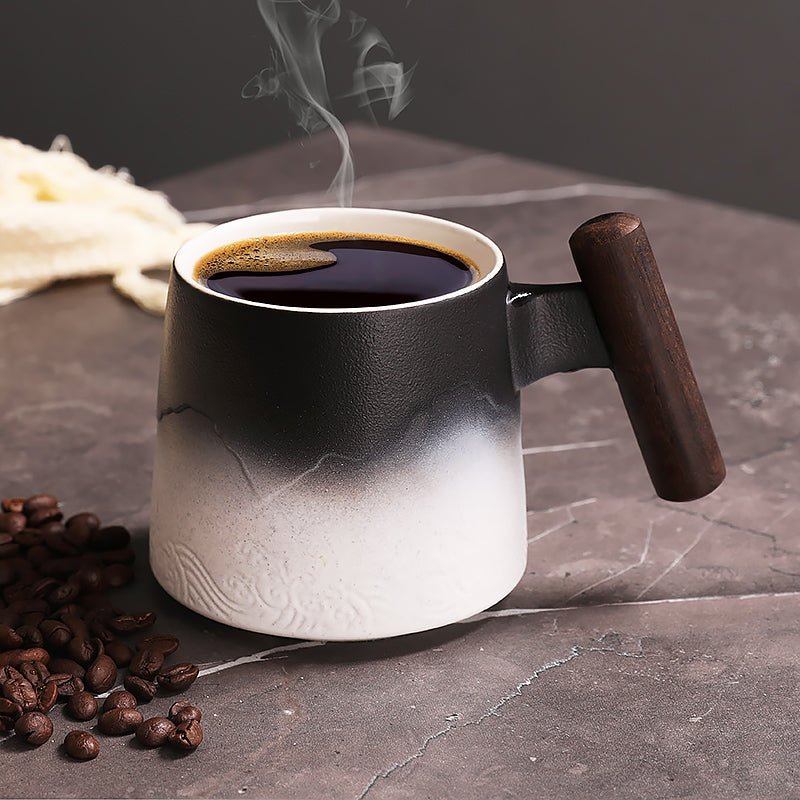
Wicked Coffee Mug Buyer's Guide: Size, Feel, and Everyday Use
A wicked coffee mug should look bold, fit your hand, and survive daily use. We break down size, materials, care, and the small defects we check before we recommend one.
Per saperne di più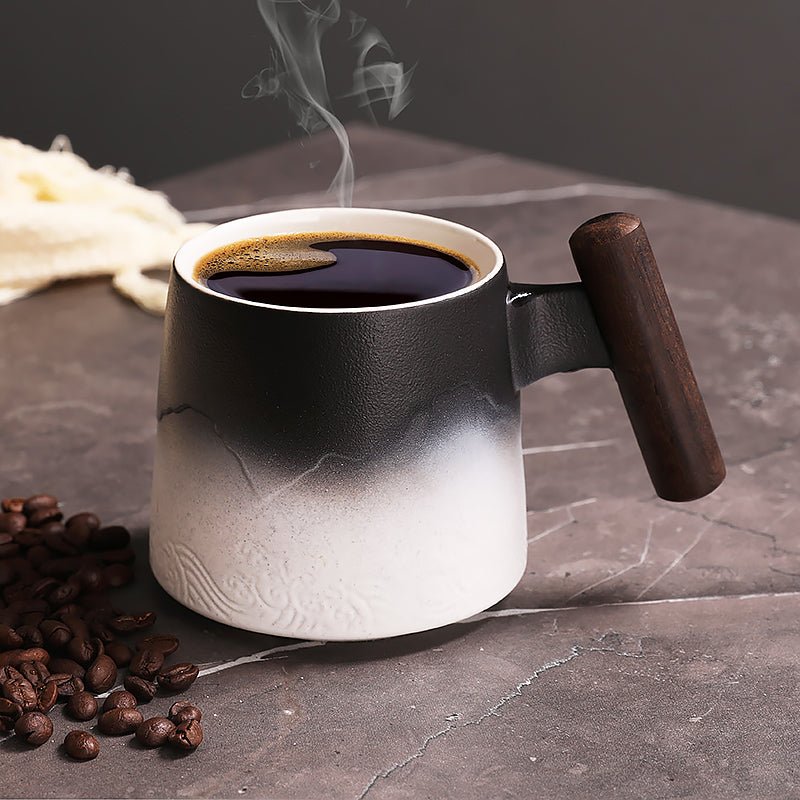
Ceramic Lined Coffee Mug: What Buyers Should Check First
A practical buyer’s guide to ceramic lined coffee mugs, covering build quality, lid fit, comfort in hand, and care trade-offs. Written for shoppers comparing real everyday use, not just specs on a ...
Per saperne di più
Commenta
Questo sito è protetto da hCaptcha e applica le Norme sulla privacy e i Termini di servizio di hCaptcha.