
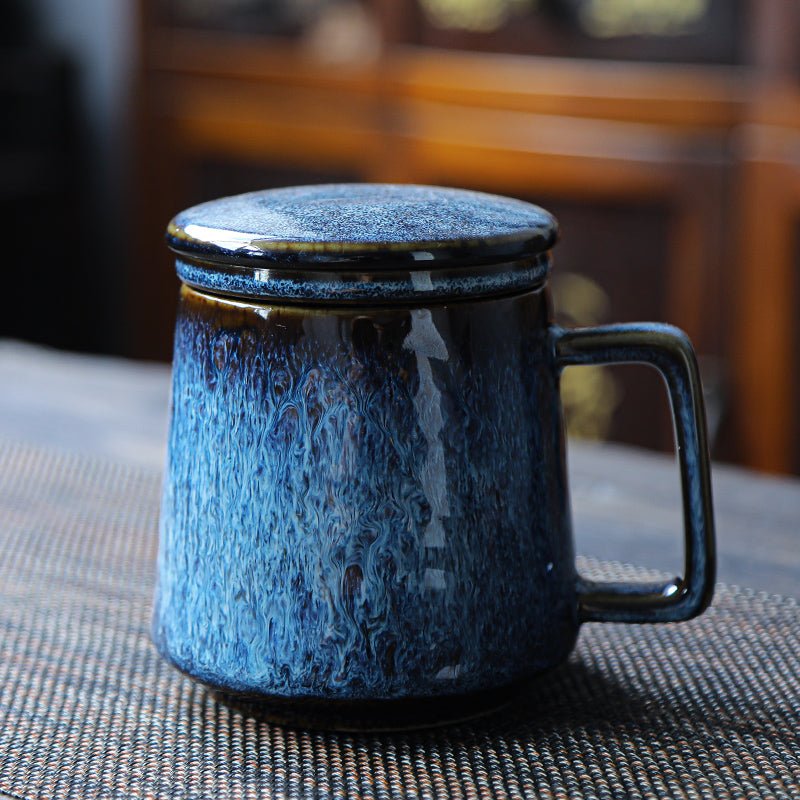
What to Check in a Ceramic Coffee Mugs Factory Before You Buy
Reading time: about 9 minutes
A mug usually earns or loses its place on the kitchen counter in the first week: the handle feels wrong, the glaze looks uneven, or the base scratches a desk the first time it is set down. That is the part buyers do not see in a product photo, and it is exactly where a ceramic coffee mugs factory proves its value.
In our store, we look at the same small details shoppers notice after the unboxing ends. A clean rim, a stable foot ring, a handle that does not pinch, and glaze that looks even under real light matter more than a polished studio shot. If you are comparing mugs for daily use, gifts, or an office setup, the factory process tells you a lot about how the mug will behave later.
What actually happens in a ceramic coffee mugs factory?
A factory mug usually starts as a formed clay body, then dries, gets bisque-fired, receives glaze, and goes through a final firing. That sequence sounds simple, but the quality differences show up at each stage. If the clay is not dried evenly, the mug can warp. If the glaze is applied poorly, you may see pinholes, thin patches, drips, or a rough line near the base.
We pay attention to the points buyers rarely think about until they have the mug at home:
- Handle attachment: the join between handle and body needs to look clean and feel secure.
- Foot ring finish: the bottom should sit flat and not scratch a table or desk.
- Rim consistency: a smooth lip matters when you drink coffee or tea every day.
- Glaze behavior: uneven glaze can create rough spots, visible specks, or an unfinished look.
- Firing results: a good fire should leave the mug stable, not twisted or slightly rocking on a flat surface.
Common defect modes are worth knowing because they tell you what can go wrong before the mug even reaches your kitchen. Crazing, which looks like a fine network of hairline marks in the glaze, can appear later if the body and glaze do not expand well together. Pinholes are tiny glaze voids. Chips around the rim or foot often point to handling or packaging issues, not just material choice.
If a mug looks perfect from the front but feels rough on the base, the real quality problem is usually hiding in the parts you touch every day.
How do we judge mug quality before it reaches a shelf?
We inspect mugs the same way a buyer should: on a counter, in hand, and under the kind of light you actually have at home. A glossy glaze can look rich in photos and still hide tiny flaws. A mug that feels good in a gift box can feel awkward after three mornings of coffee.
Here is the short version of what we check:
- Does it sit flat? A mug that rocks on a counter is a problem, even if the body looks beautiful.
- Does the handle fit two or three fingers comfortably? If your knuckles hit the body, the mug becomes annoying fast.
- Does the rim feel smooth? You notice this on every sip.
- Does the glaze look even across the body and into the interior? Patchy coverage is a warning sign.
- Does the mug feel balanced when full? Weight distribution matters at a desk, in a kitchen, and on a bedside table.
That is why buyers who only look at a catalog image often miss the real experience. A mug can be visually attractive and still fail the daily-use test. If you want a deeper buying checklist for that kind of comparison, our guide on Ceramic Coffee Mugs: What to Look For Before You Buy walks through the same kinds of details we check in-house.
Which mug shape makes sense for your kitchen, desk, or gift box?
Shape matters because it changes how a mug feels in the hand, how it stores on a shelf, and how presentable it looks when you hand it to someone as a gift. Some shoppers want a clean everyday mug. Others want something with texture or a more sculptural profile. We carry mugs that serve different tastes, and the right answer depends on what you want the mug to do.
If you want a tactile form with a more crafted look, start with the Pleated Coffee Tea Cup. If you prefer a softer silhouette that feels easy to live with on a kitchen counter or office desk, the The Flow Coffee Tea Mug is the kind of shape many shoppers reach for first. For a more decorative, statement-style mug, the Mountain Sea Coffee Tea Mug brings more visual personality to the table.
These are not the same choice, and that is the point. A textured or sculptural mug can feel more special, but it is not always the best pick if you want the lightest mug, the easiest stacking, or the most minimal shelf footprint. If you are comparing options by size and daily feel, our article on Ceramic Coffee Mugs 20 oz: Buyer's Guide for Fit, Heat, and Care is useful, especially if you are trying to avoid a mug that is too small or too bulky for your routine.
| Shape style | Best for | Trade-off |
|---|---|---|
| Textured or sculptural mug | Gifts, display shelves, people who like a tactile feel | Can take a little more effort to clean around grooves |
| Smooth everyday mug | Office desks, quick coffee refills, family kitchens | May feel less distinctive as a gift |
| Decorative statement mug | Home coffee bars, presentable unboxings, special occasions | Not always the most stackable or minimal option |
What trade-offs should buyers expect from ceramic mugs?
Ceramic is a good everyday material, but it is not the answer for every use case. It holds heat well enough for coffee or tea at a desk, feels more substantial than thin plastic, and usually looks better on a shelf. The trade-off is weight and fragility. A ceramic mug is still a hard-surface item, which means chips happen when the rim hits a sink, another mug, or a crowded dishwasher rack.
There are also practical limits. Ceramic is not the best pick if you want something ultra-light for commuting, hiking, or carrying in a bag. It is also not the first choice if you need a lidded travel vessel. For buyers comparing daily-use options, the article Ceramic Coffee Mugs: How to Choose the Right One for Daily Use is a good companion read because it focuses on the trade-offs people usually only discover after buying.
Texture can be another trade-off. A ribbed or pleated surface looks interesting and can improve grip, but it may catch residue if you use sugar, flavored syrups, or milk foam often. A smooth glaze is easier to wipe clean. Neither is universally better. The right choice depends on how you actually use the mug.
What should you ask a factory or seller before ordering?
This is where a buyer can separate a decent mug from one that looks good only in a staged photo. If you are evaluating a ceramic coffee mugs factory, ask questions that tell you how the mug was made, packed, and checked. A seller who knows the product should be able to answer clearly.
- How is the rim inspected? A smooth lip matters more than most shoppers think.
- How is the foot ring finished? A rough base can scratch furniture and feels cheap in hand.
- What packaging protects the handle and rim? That is where chips usually happen in transit.
- Is the glaze intended for repeated daily use? You want a mug that is made for actual drinking, not just display.
- Are replacement or return options clear if the mug arrives damaged? Good factories and stores do not hide behind shipping problems.
In our experience, packaging tells you a lot about factory discipline. If the mug is wrapped loosely or the handle is exposed to pressure in the box, the risk of damage goes up. That matters for gift buyers, because the first impression is the unboxing. It also matters for office buyers, because a chipped mug on day one is not acceptable.
If you want to see the broader range before narrowing shape or style, the full all products collection is the fastest way to compare finishes and forms side by side.
How should you care for a ceramic mug after it arrives?
Care is straightforward, but small habits make a difference. A ceramic mug can last a long time if it is not thrown into a crowded sink, slammed against a faucet, or shocked by extreme temperature changes. We tell customers to treat the rim and base like the vulnerable points they are, because that is where wear shows first.
- Wash with a soft sponge when you can, especially on textured or glazed surfaces with detail.
- If the mug is dishwasher-safe for your use case, place it where the handle will not collide with other items.
- Do not move a hot mug straight into cold water. Sudden temperature change can stress the ceramic body.
- Check the rim and base from time to time for hairline chips or cracks.
- Store mugs so the handles are not taking pressure from stacked items above them.
Office desks and kitchen counters are where care habits show up fast. A mug that is always set down hard beside a keyboard or ceramic sink will age differently from one that lives on a clean shelf and gets washed gently. If you want a checklist specifically focused on buying details before the mug gets to that stage, our article Ceramic Coffee Mugs 20 oz: What to Check Before You Buy is a practical reference.
Frequently asked questions
What defects are most common in ceramic mugs from a factory?
The most common issues are uneven glaze, pinholes, rough foot rings, slight warping, and chips from handling or shipping. Crazing can also show up later if the glaze and clay body do not work well together. The good news is that most of these problems are easy to spot if you inspect the rim, base, and handle before buying.
Is a heavier ceramic mug better than a lighter one?
Not automatically. A heavier mug can feel stable and sturdy, but it may also be tiring if you drink from it all day or carry it between rooms. The better test is balance: the mug should feel comfortable when full and should not strain your wrist or fingers.
Are textured ceramic mugs harder to clean?
They can be, depending on the shape of the texture. Raised ribs and grooves may trap coffee residue, sugar, or milk foam if you let buildup sit. If you want low-maintenance cleaning, a smooth glaze is usually easier, but a textured mug can still be a good choice if you wash it regularly.
What should I avoid if I want a ceramic mug for the office?
A mug that is too wide for a desk, too heavy for one-handed use, or too decorative to feel comfortable every day is usually a bad fit. Avoid rough bases if the mug will sit on wood or a polished desk, and avoid shapes that are hard to grip if you move between meetings. For office use, comfort and stability matter more than visual drama.
How do I know if a ceramic mug will chip easily?
You cannot know for certain without using it, but you can reduce the risk by checking the rim, the base, and the handle join. A mug that already has tiny flaws or a rough edge is more likely to age badly. Good packaging and careful handling also matter, because many chips happen before the mug even reaches your counter.
If you are still comparing styles, start with the mug shape that matches your daily routine, then check rim finish, handle comfort, glaze quality, and care notes. From there, the easiest next step is to browse our all products collection and compare the options you would actually use every morning.
Read more
Firefighter Coffee Mug Buying Guide: What to Check Before You Buy
A firefighter coffee mug should feel solid in the hand, survive everyday washing, and fit the way the buyer actually drinks coffee. This guide breaks down size, material, handle comfort, and gift-r...
Per saperne di più
Mug Dragon Buying Guide: Styles, Size, and What to Check
A practical guide to choosing a mug dragon that fits your desk, cabinet, and gift plan. We cover style, size, care, and the trade-offs that matter before you buy.
Per saperne di più
Commenta
Questo sito è protetto da hCaptcha e applica le Norme sulla privacy e i Termini di servizio di hCaptcha.